
A U.S. Tax Threat Just Entered the Budget for Overseas Data Centers
At today’s White House briefing, President Trump threatened a “tremendous tax” on U.S. companies that build data centers abroad. Google’s Malaysia campuses, Microsoft’s Johor region, and the Australia buildouts show how ownership and leasing would split that risk, and what still has to happen before any levy exists.
What Trump said today, and what he did not
On November 20, speaking in the James S. Brady Press Briefing Room after returning from Asia, President Donald Trump told reporters he would stop U.S. companies from building data centers in other countries. If they still build abroad, he said, “they can, but we’re going to put a tremendous tax on them.”
He also said the idea had not gone through his own team first. “I haven’t even said that to my people,” he told the room. “But I’m telling them now.” CNBC, Politico, and the Associated Press match on the core points: a penalty aimed at overseas construction, no rate, no tax base, and no draft anyone can open.
The same briefing kept a domestic track alive. Trump said the United States would fight hard for data centers at home, even as midterm voters and local campaigns have pushed back on new halls over power bills and neighborhood impact. CNBC’s All-America Economic Survey put opposition to an AI data center within ten miles of home at 64 percent, with only 13 percent in favor. That friction at home is why an overseas tax threat shows up in corporate budgets today. It is also why the threat still needs a legal path before it becomes a line on a tax return.
The Asian projects already in the frame
CNBC and Politico named U.S. cloud and AI builders with overseas footprints, including Alphabet’s Google, Amazon, Microsoft, Meta, and Oracle. For a budget review, start with a campus you can put on a map.
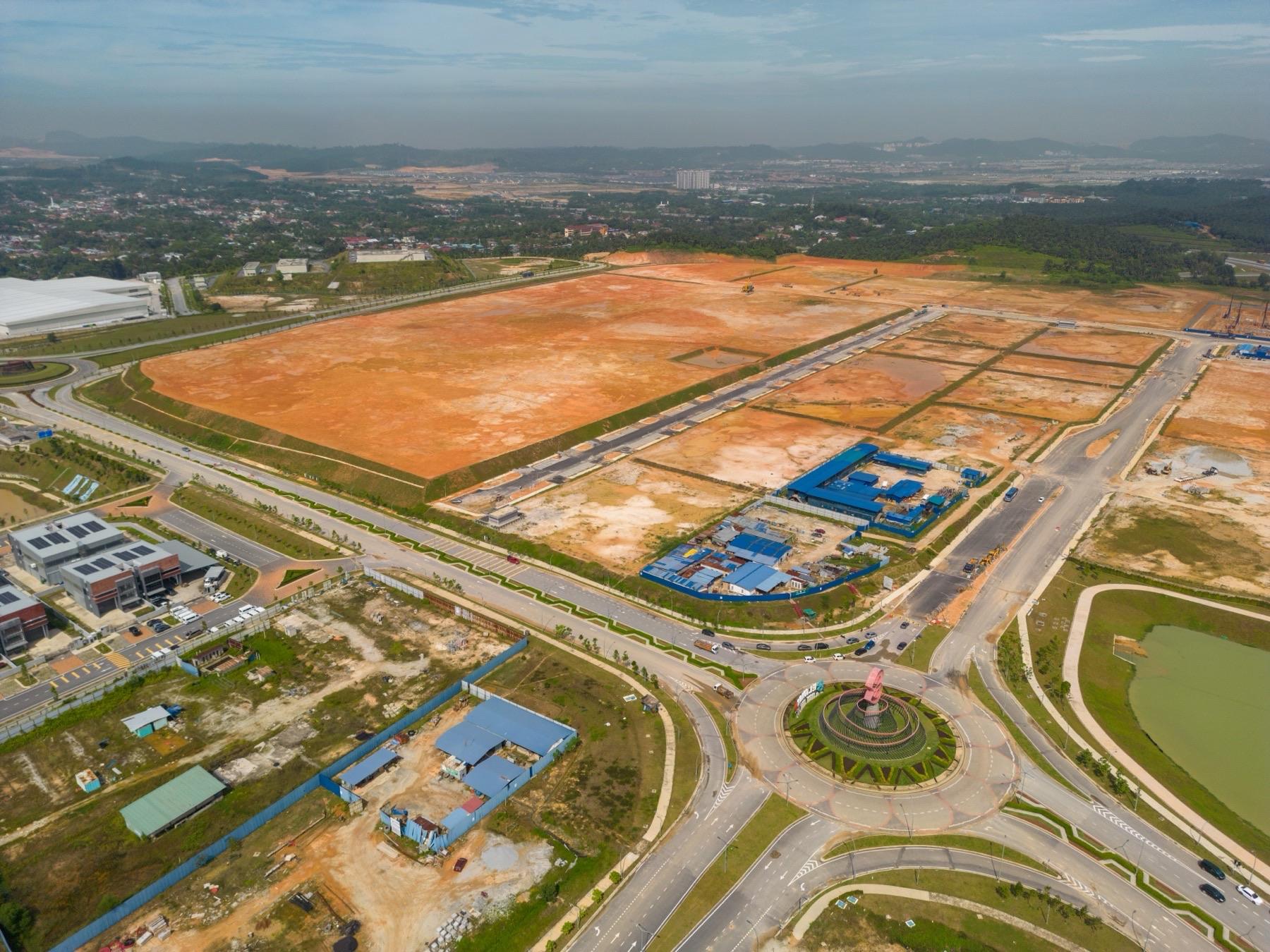
Google is the clearest recent Southeast Asia case. On November 4, with Malaysian Prime Minister Anwar Ibrahim present, Google announced a $15 billion digital-infrastructure plan for 2027 and 2028. The company’s first Malaysia campus at Elmina Business Park in Selangor is already operational. New campuses are planned in Selangor and Negeri Sembilan. That is U.S.-parented capital going into Malaysian industrial zones for halls Google will run.
Microsoft is building a second Malaysia cloud region, Southeast Asia 3, in Johor Bahru, on top of Malaysia West in Greater Kuala Lumpur, which went live in May 2025. Microsoft’s own materials say its owned data centers for the expansion will be built to at least LEED Gold. “Microsoft-owned” is the phrase that matters for today’s tax talk.
Australia sits in the same coverage. ABC News tied Trump’s vow to Microsoft’s A$25 billion Australian AI and cloud commitment through 2029 and Amazon’s AU$20 billion Australian data-center plan for 2025 through 2029. Those are large, multi-year CapEx programs by U.S. parents on allied soil. Latency, data residency, and local customers explain why the halls exist. None of that vanishes because of a Friday podium line. It does change how a CFO tags risk on the next appropriation request.
Who carries the risk: own, lease, or share
Until Washington defines the taxpayer and the verb “build,” start with ownership.
If a U.S. company, or a controlled affiliate, owns the land or long-term leasehold and pays to construct the hall, as with Google’s Elmina pattern or Microsoft’s owned Johor build, the risk sits with that U.S. parent. The president’s words were about companies that build abroad. An owned CapEx program matches the verb. A soft contingency on 2027 and 2028 pours belongs in the model now. Halting a pour can wait for written rules.
If a local developer or a colocation landlord builds the shell and a U.S. cloud takes wholesale megawatts on a long lease, the titled builder is often not the U.S. firm. Equinix, Digital Realty, and regional operators already sell that product across Asia. Under a narrow reading of “build,” the landlord’s construction may sit outside the tax, while the U.S. tenant’s fit-out and prepaid rent sit in a grey zone until Treasury or Congress says otherwise. Change-in-law and tax gross-up clauses in those leases suddenly earn a reread.
Joint ventures split the difference. A Malaysian or Japanese special-purpose vehicle may hold title while a U.S. parent funds equity and guarantees the build. If the eventual tax looks through to the U.S. ultimate parent, the JV wrapper may not shield the exposure. If it taxes only the entity that pours concrete, local partners share the hit. Nobody can price that split from today’s quotes.
Existing halls that are already operating are a fourth bucket. Trump talked about building, not about running capacity that is already live. Operating costs on an open campus are a weaker match for the threat than a 2027 groundbreaking, unless a draft statute says operating overseas compute counts too.
What has to happen before any tax takes effect
Mark the date. On November 20, 2026, the proposal existed as spoken remarks in the Brady Briefing Room. It did not exist as a bill section, a Treasury notice, an Internal Revenue Service proposed regulation, or an executive order with a cited statutory hook.
A freestanding federal tax generally needs Congress. That means introduced legislative text that names the taxpayer, defines a data center, defines “build” or “abroad,” sets a rate or penalty formula, and states an effective date. Committee process and a signed statute would follow. After midterms that punished local data-center politics, that path is possible and far from automatic.
Treasury and the IRS can sometimes interpret existing Code, or issue guidance under a statute Congress already passed. “Tremendous tax on overseas data-center construction” is not a levy sitting on the shelf with that label. An executive order can tell agencies to study options or propose language. It rarely creates a new tax by itself.
Watch for four documents, in order of usefulness: a bill with section numbers; a Joint Committee on Taxation or Treasury score that prices the base; a proposed regulation with a comment period; or a signed law with an effective date. The same week’s White House push for the Senate-passed Bipartisan American Affordability and Jobs Act, on domestic permitting and ratepayer protection for hyperscale load, shows how the administration turns energy and data-center policy into legislative paper when it wants to. The overseas tax has not made that jump.
What to put in the budget before the law exists
For Google’s next Malaysia pours, Microsoft’s Johor region, and the Australia programs, add a political-risk contingency sized to CapEx you still control, and flag which legal entity will own each hall. Ask counsel whether change-in-law language in power purchase agreements and colo leases would push a future U.S. levy back onto the landlord, the tenant, or a shared account. Keep the November 19 Commerce Department chip-and-remote-access rule on a separate checklist. That file is export control for Malaysia and linked compute, not a tax.
Skip repricing a signed deal off one briefing-room phrase. Put today’s date next to the contingency, and replace the contingency only when a rate and a taxpayer appear on paper. Until then, an owned Asian campus carries more model risk than a wholesale lease in someone else’s building, and neither one is an assessed liability yet.
Related stories
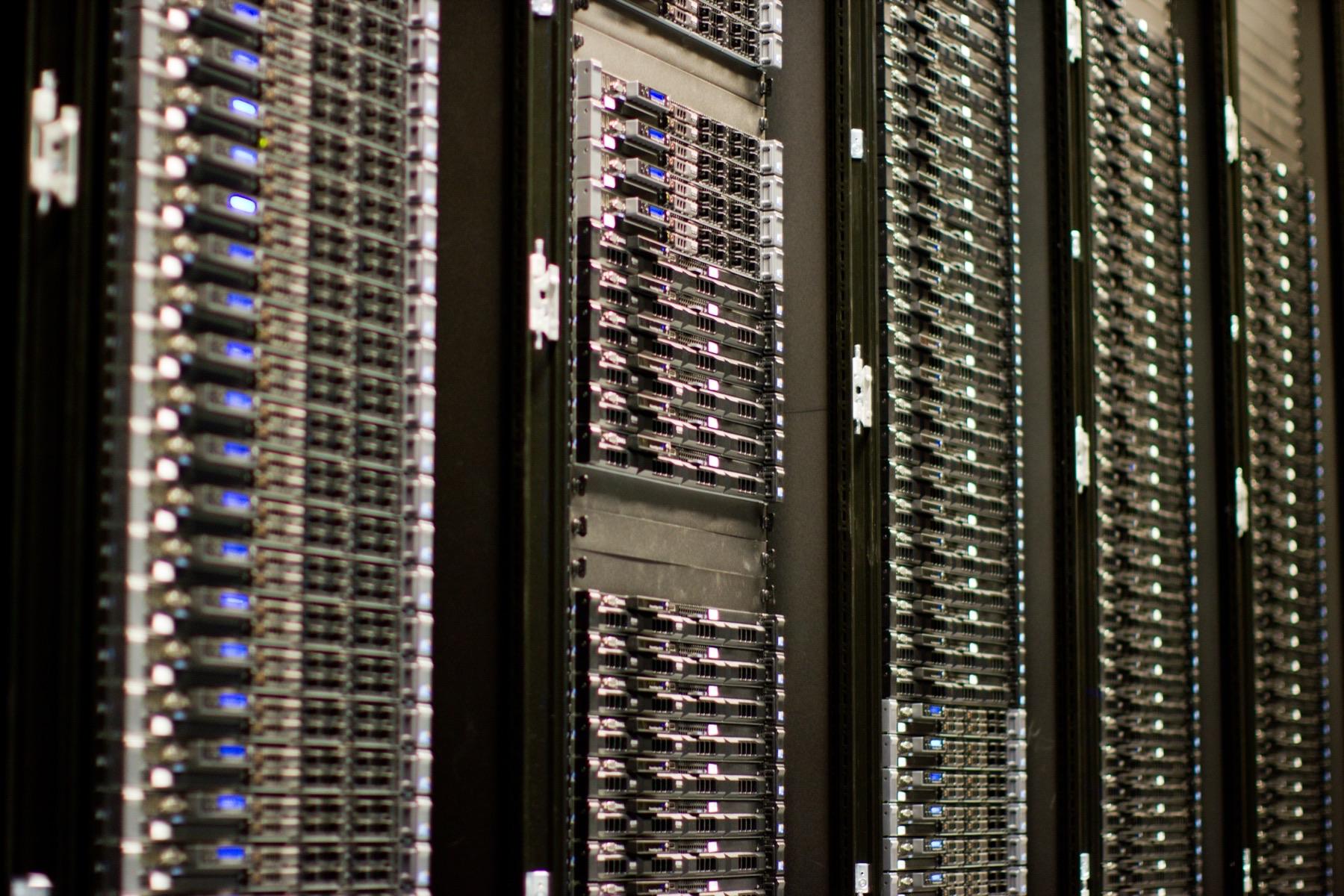
The U.S. Chip Curbs Reach Southeast Asia. What Does a Malaysian Data-Centre Project Have to Recheck?
From Nov. 19, advanced U.S. chips into Malaysia need a license unless a U.S.-headquartered buyer meets reporting rules. Separate controls hit data centres that give significant compute to China-linked tenants. Check both on the same order.
7 min · Nov 17, 2026
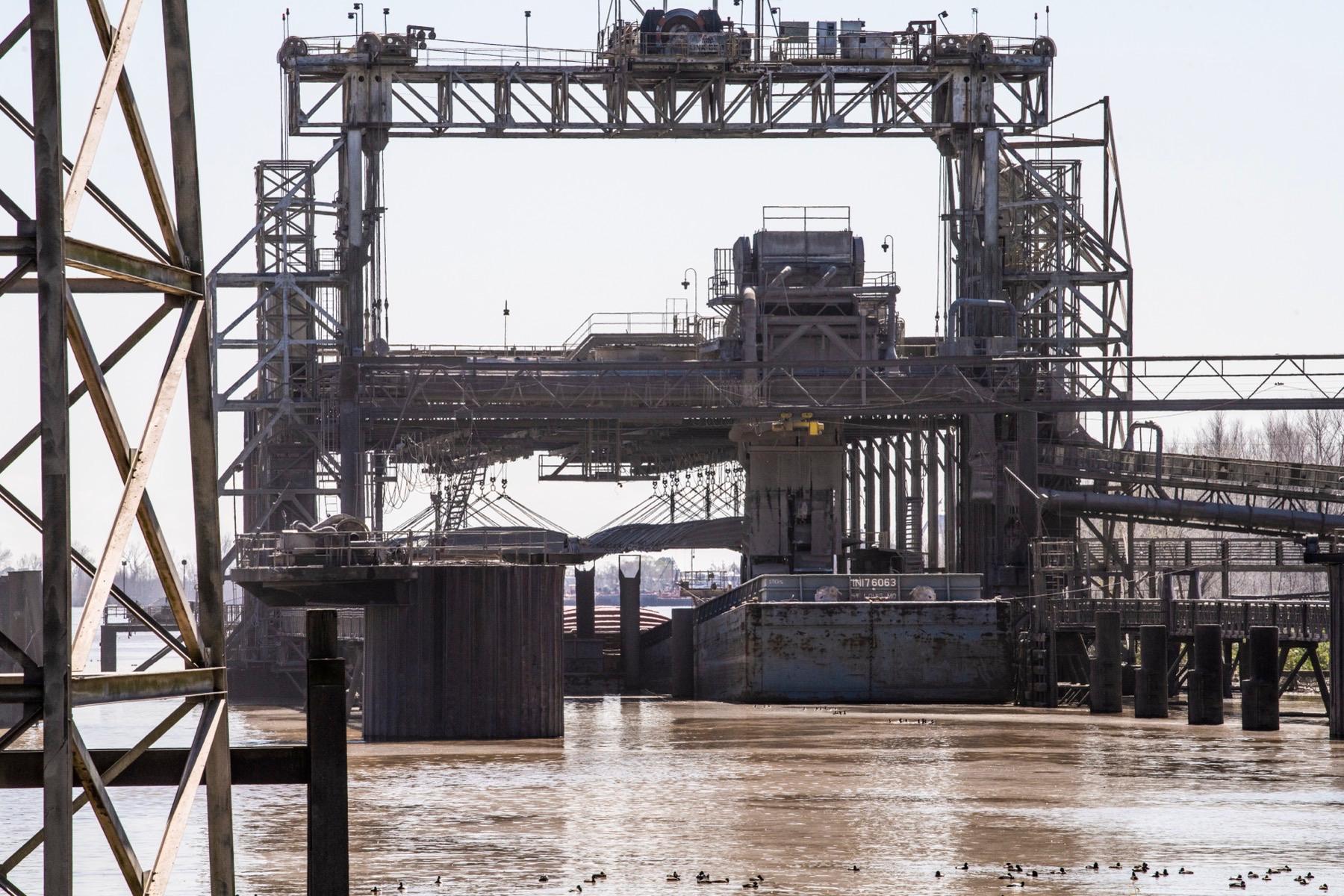
Indonesia Promised to Buy More U.S. Soy. How Much Actually Shipped?
Through September, U.S. soybean shipments to Indonesia sat at 54% of the annual target. Wheat was under 25%, soymeal about 4%. Shipment tallies measure cargo that moved, not a volume promise at a signing ceremony.
7 min · Nov 20, 2026
Who Picks the Projects in Japan’s $550 Billion U.S. Investment Package?
JBIC chair Tadashi Maeda wants Japan in project origination under the $550 billion U.S. package. The MoU still leaves selection with Washington. A real supplier chance is an RFP, not a press release.
7 min · Nov 19, 2026
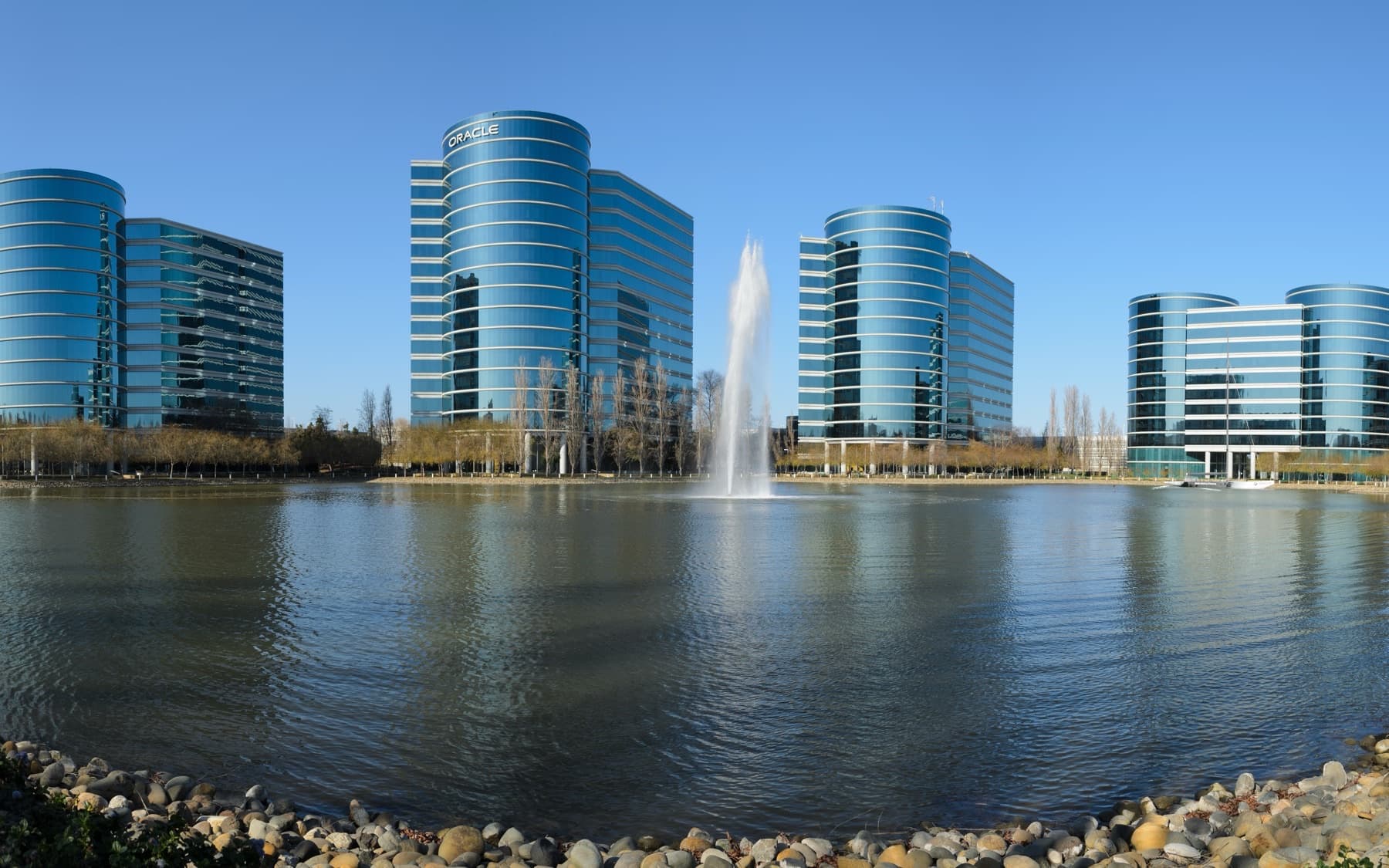
Oracle Scrapped the Tencent Chip Lease
The servers were supposed to sit in Southeast Asia. The pressure still landed on a U.S. cloud company.
6 min · Nov 4, 2026
Related global reads
Transpacific Bound
The U.S. Chip Curbs Reach Southeast Asia. What Does a Malaysian Data-Centre Project Have to Recheck?
Transpacific Bound
Indonesia Promised to Buy More U.S. Soy. How Much Actually Shipped?
East Table
Japan food consumption tax cut
Medalist News
How Japanese football became a Europe export
Asian Sports
Ohtani to lead Japan’s WBC title defense