Canada and China Just Extended Tariff Relief. What Can a Canadian Pork Exporter Quote Now?
Walk most frozen pork cuts through today’s Shenzhen announcement. The product list is public. Industry is using a January 1, 2027 start. Hold a different landed cost until China’s implementing notice matches your HS line.
What changed today
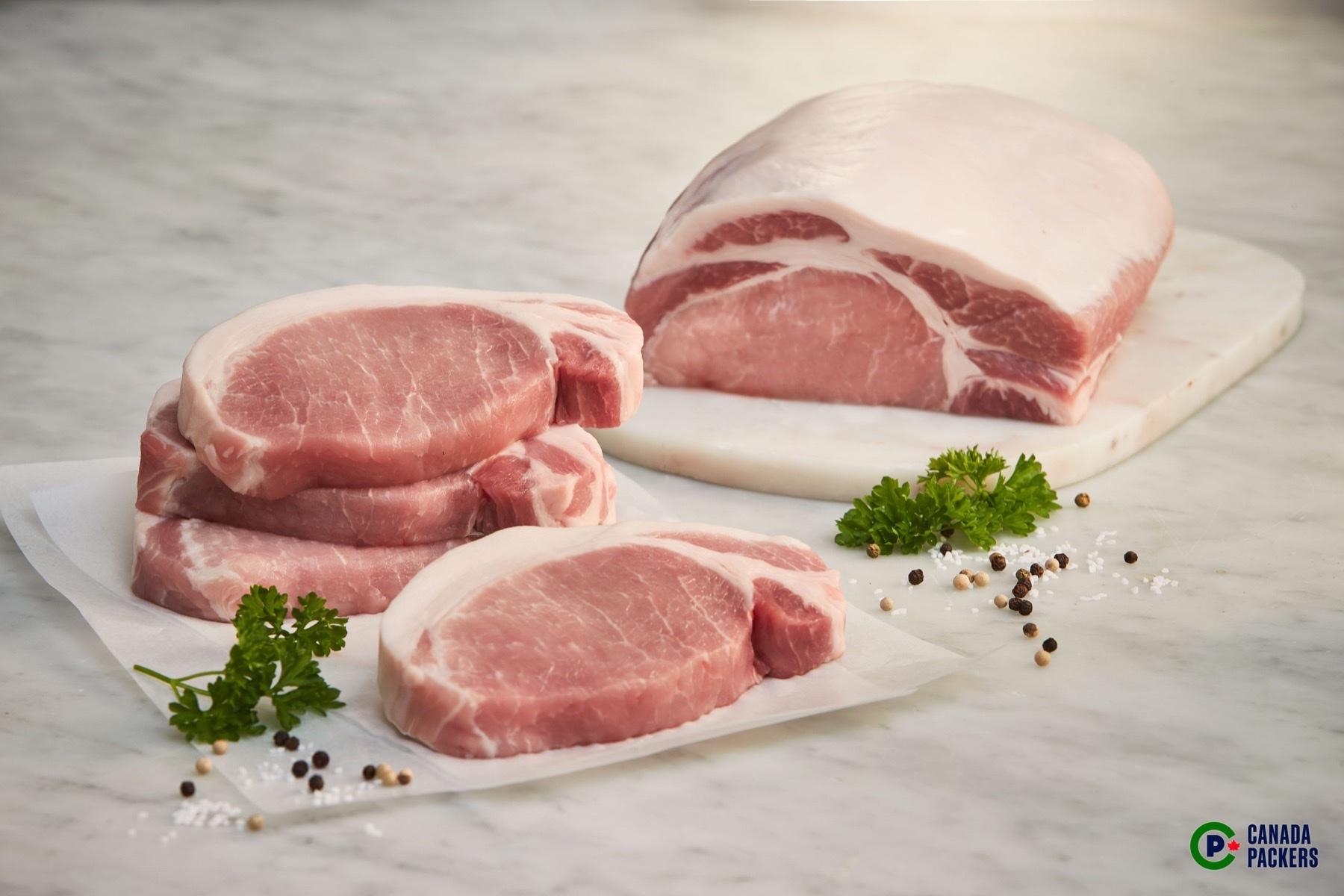
In Shenzhen on Tuesday, Prime Minister Mark Carney met Chinese President Xi Jinping. The two governments expanded the Preliminary Joint Arrangement that has been unwinding Canada–China trade irritants since January. Ottawa’s readout puts the new relief at about C$400 million of Canadian exports, measured on 2024 trade. Roughly C$116 million of that is frozen pork cuts. The rest is fish and seafood: certain frozen cold-water shrimp and prawns, including Pacific spot prawn; certain molluscs, including geoduck; sea cucumber; and Greenland halibut.
The same package extends earlier relief on canola meal, peas, lobster, and crab through the end of 2028, and lengthens Canada’s remissions on selected Chinese steel and aluminum. Those files can wait. This piece follows one product a pork exporter can put on a quote sheet: most frozen pork cuts.
What moves for that product is China’s additional 25 percent anti-discrimination tariff. Chris White, president of the Canadian Meat Advocacy Office in Beijing, told Canadian reporters the relief covers about half the barrier facing Canadian pork. The additional 25 percent on pork offal stays. Kyle Larkin, president and chief executive of the Canadian Meat Council, welcomed the cut-list progress and said work remains on other pork lines, including offal.
The clock you can defend
The Prime Minister’s Office named the products and the dollar scale. It did not print a start date for the pork lines in the public release.
The Canadian Meat Council’s readout, and major Canadian reporting that followed it, put the suspension from January 1, 2027, through December 31, 2028. Write that window beside any alternate landed-cost column. A Global Affairs Canada backgrounder circulating with the announcement currently says January 1, 2026, for the same pork and seafood list. That date is already past relative to a November 2026 forward announcement, so do not treat it as permission to cut today’s China duty in a firm quote. Wait for China’s Customs Tariff Commission or commerce ministry implementing notice. That is the paper Chinese customs will read.
Until that notice appears, the surcharge that has applied since March 20, 2025, remains the number you can defend on a shipment clearing now.
One product: most frozen pork cuts
Start with the Canadian warehouse code you already use, then translate it into the Chinese tariff line the importer’s broker will declare. The first six Harmonized System digits are shared. Digits after that are China’s, and Chinese customs decides the entry.
When Beijing imposed the additional 25 percent in March 2025, Annex 2 of the Customs Tariff Commission list hit a wide pork set. Frozen bone-in shoulders, hams, and cuts thereof sat under 0203.22.00. Other frozen pork sat under 0203.29.00. Whole and half carcasses, fresh lines, and offal under 0206 were on that same annex. Tuesday’s language is narrower: “most frozen pork cuts.” Offal is still out, per the Meat Advocacy Office and Canadian reporting. Do not read the announcement as a repeal of every pork line on the 2025 list.
Match the SKU before you change a price. A frozen bone-in shoulder the broker will enter on a cut line inside the forthcoming notice is the product this announcement covers. A mixed load that still carries livers or other offal is two duty stories on one bill of lading. The Meat Council’s figures give the scale of what is in scope: about C$116 million of those cuts in 2024, and about C$86 million in 2025, after the tariff had already bitten. Broader Canadian pork exports to China fell from about C$469 million in 2024 toward a 2026 path the council puts below C$250 million. The relief aims at rebuilding the cut trade inside that decline.
Papers before a different landed cost
A press release does not change what the importer owes at the border. Before you put a lower China duty into a firm quote, collect five things.
First, the Chinese implementing notice: the HS codes covered, the suspension start, and the end date. Second, a written HS read from the buyer’s broker matching that notice for your exact cut. Third, confirmation the line is not offal and not otherwise excluded. Fourth, proof the producing establishment is still on China’s eligible list and that the Canadian Food Inspection Agency export certificate path for the lot is intact. Fifth, an entry date. Cargo that clears before the suspension still pays the additional 25 percent, whatever Ottawa said in Shenzhen.
On a C$100,000 duty base, the extra 25 percent is C$25,000. That is the column that moves only when the notice covers your line and the entry falls inside the window. Ordinary most-favoured-nation duty, value-added tax, and inspection fees still sit underneath. The announcement suspends an add-on. The rest of the landed-cost stack stays.
What to put on the quote today
Keep two columns.
The firm number is FOB or CIF as you sell it, plus the China duty path you can defend for a clearance this month, including the additional 25 percent where your cut still faces it. The dated alternate can read: “subject to published Chinese suspension of the additional 25 percent from January 1, 2027, through December 31, 2028, for HS [code], pending implementing notice.” Do not merge them into one price.
If the buyer wants the alternate as the working figure for a January 2027 vessel, write the assumption on the face of the quote and make the price contingent on the notice matching the declared line. If the notice is late, or your cut is missing, the firm column governs.
Tuesday’s announcement helps Canadian frozen cuts. It is still not a rate Chinese customs has to honour on a November entry. Quote the surcharge until the paperwork catches up.
Related stories

Canada’s Indonesia Trade Deal Starts Dec. 1. What to Check Before You Quote
Walk one Canadian product through Indonesia’s tariff schedule, origin rules, and importer handoff, then price a sample container with the assumptions written out.
8 min · Nov 11, 2026
Canada and Cambodia Signed a Trade Cooperation Deal. Here’s What Businesses Can Watch Next
Two MoUs are signed. FIPA and double-tax talks are exploratory only. Watch for negotiation launches, published work plans, and entry-into-force dates before changing quotes or structures.
6 min · Nov 16, 2026
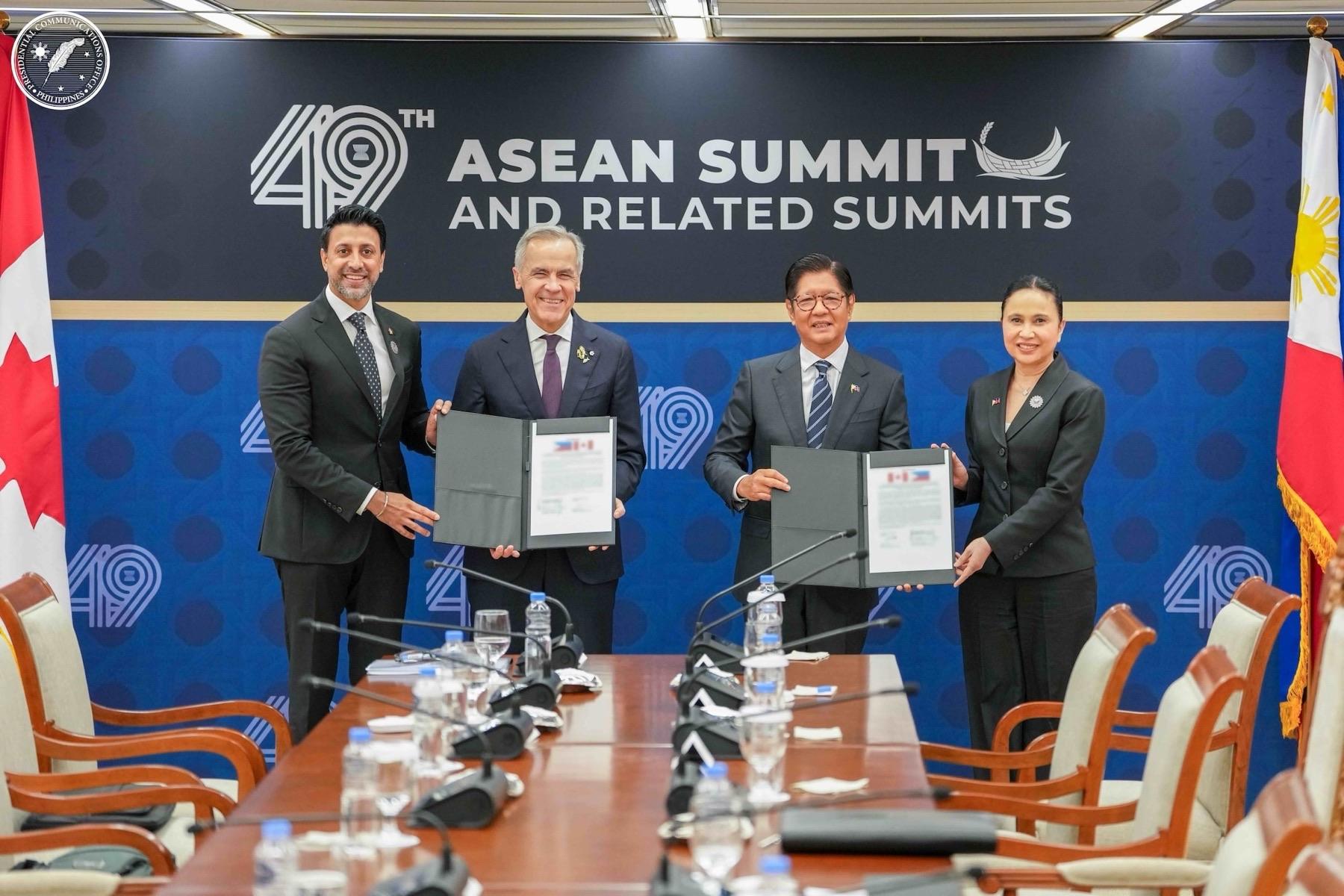
Canada and the Philippines Finished Trade Talks. What Can Businesses Prepare Before the Deal Takes Effect?
Bilateral talks are finished; ASEAN talks are substantially finished. Signature is aimed for 2027. Hold preferential quotes until the schedules and entry-into-force dates exist.
6 min · Nov 14, 2026

BYD, Boeing, Baidu and Google Are Heading to Shenzhen. What Can Companies Learn From the APEC Meetings?
CEO Summit Nov. 17–18; leaders Nov. 18–19. Watch for orders, joint ventures, clearing progress, and leaders’ annexes with calendars.
7 min · Nov 16, 2026
Related global reads
Transpacific Bound
Canada’s Indonesia Trade Deal Starts Dec. 1. What to Check Before You Quote
Transpacific Bound
Canada and Cambodia Signed a Trade Cooperation Deal. Here’s What Businesses Can Watch Next
At the Banquet
The Banquet guide to Hong Kong
At the Banquet
The Banquet guide to Singapore
East Table
East Asia cold noodles field guide