Canada Aims to Sign a Trade Framework With Taiwan
After Mark Carney's Asia trip, Ottawa says it wants to conclude the Canada-Taiwan Trade Cooperation Framework Arrangement in the near term. The draft points at digital trade, semiconductors, energy transition, and supply-chain work. Preferential tariff cuts are not in the package.
Why the unsigned text resurfaced
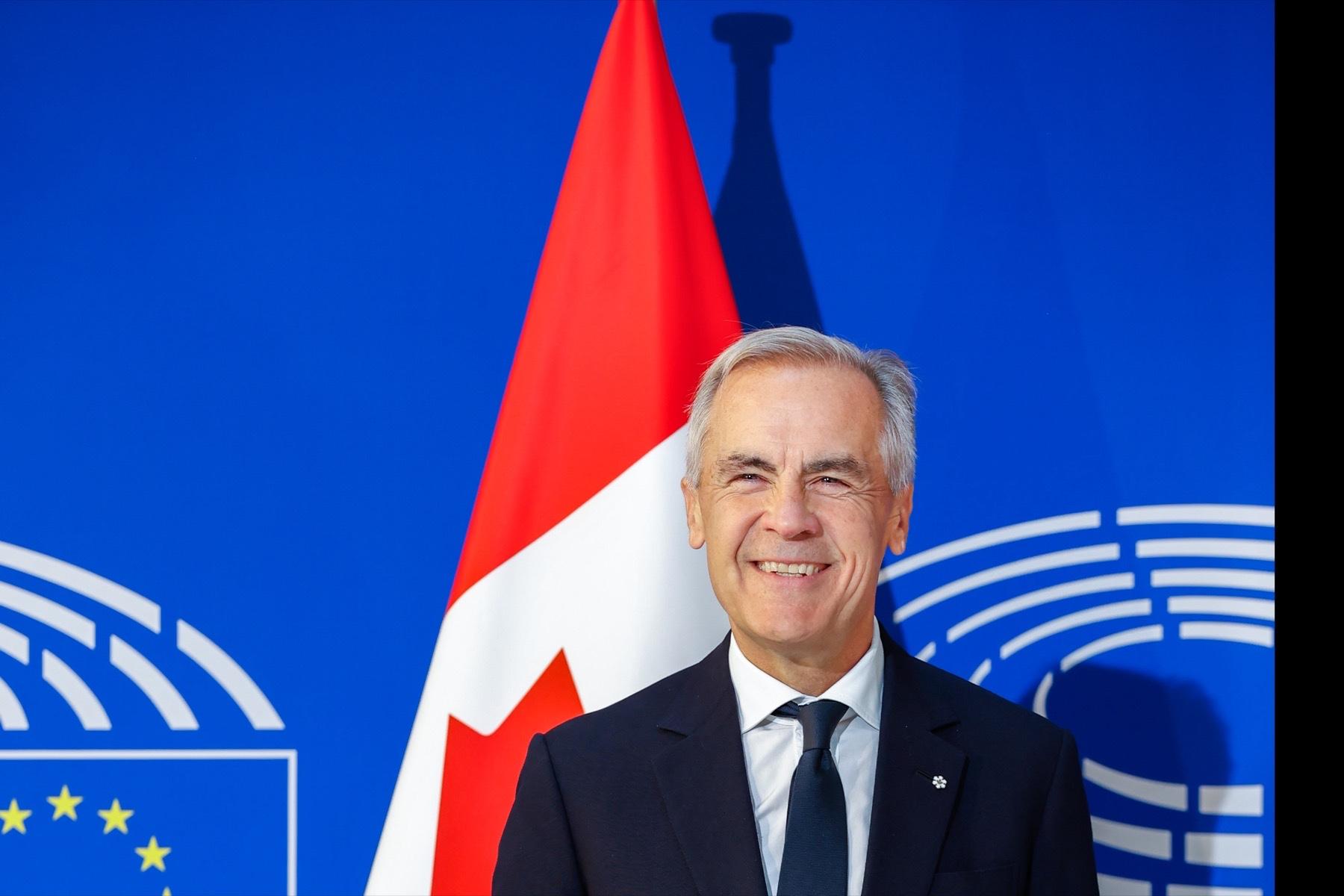
In Shenzhen this month, near the end of an Asia trip that also stopped in Manila and Phnom Penh, Prime Minister Mark Carney faced a question about a Canada-Taiwan trade file that had sat unsigned for more than a year. He told reporters there had been "good progress on the economic cooperation agreement" and that Ottawa was "hopeful that that will be signed soon," the Canadian Press reported. His office then used the formal name: the Canada-Taiwan Trade Cooperation Framework Arrangement.
Audrey Champoux, deputy director of communications in the Prime Minister's Office, said the relationship runs on practical economics "within the longstanding One China policy," and that Ottawa aims to "bring consideration of the arrangement to a conclusion in the near term." In Taipei, Benjamin Hsu of the Executive Yuan's Office of Trade Negotiations said Taiwan is waiting on Canada's internal procedures and wants the signing done quickly.
Carney's China stop also advanced a thaw with Beijing, including further relief on some Canadian farm and seafood exports. Taiwan's deputy foreign minister, Chen Ming-chi, was in Ottawa days later arguing that finishing the Taiwan framework would help Canada diversify as those China ties warm. The arrangement text is older than this news cycle. The timing of the signature is what changed.
An arrangement, not a free-trade deal
The Trade Cooperation Framework Arrangement, sometimes shortened to TCFA, is a bilateral cooperation instrument handled through Canada's unofficial Taiwan channel, the Canadian Trade Office, and Taiwan's economic representatives. Global Affairs Canada told Parliament in September that the arrangement is non-binding and sits outside Cabinet consideration and the Policy on Tabling Treaties in Parliament. Under Canada's One China policy, that "arrangement" label is how Ottawa deepens commerce without treating Taipei as a formal treaty partner.
A free-trade agreement would publish preferential rates, phase-outs, and rules of origin a broker can file. This framework does none of that. Reporting from iPolitics and a brief from the Taipei Economic and Cultural Office in Canada describe it as a platform for trade, investment, regulatory cooperation, and supply-chain integration. If your quote sheet needs a cut duty on an HTS line, look elsewhere.
Businesses already have other signed Canada-Taiwan instruments to work with: a Foreign Investment Promotion and Protection Arrangement from December 22, 2023; a Science, Technology, and Innovation Arrangement from April 15, 2024; and a Collaborative Framework on Supply Chains Resilience from 2023. The TCFA would sit beside those files. It would not replace them.
Initialed in March 2025, still waiting on ink
A Global Affairs response tabled for Conservative MP Jacob Mantle says the English text was finalized at officials' level in March 2025 and initialed the same month. Provinces and territories were consulted in May 2025. Legal review followed, then translations into French and Mandarin. By September, the department still called the file "currently being considered for signature," with the timeline "under determination," and said it had prepared no estimates of economic benefits.
Chen told The Canadian Press on November 23 that Taiwan had reached a conclusion with Canada before Canada's election and that the file has been "sitting there." Later talks covered technology and students, he said, but not the framework itself since spring 2025. Carney in Shenzhen resisted a clean "done deal, waiting for ink" story even as his office promised a near-term close. For a company, treat the bargaining as largely finished and the politics as unfinished until both sides publish a signature date.
Where the commercial overlap actually is
Taipei's trade office and Canadian reporting put the framework's cooperation agenda on digital trade, energy transition, supply-chain resilience, and semiconductors. That is the midstream where Taiwan's manufacturing strength meets Canada's interest in trusted suppliers. Global Affairs separately lists aerospace, information and communications technology, agri-food and seafood, biotechnology, clean technologies, education, and energy among priority business sectors for Canadian firms in Taiwan.
Chen's Ottawa pitch pushed the advanced-manufacturing angle harder: Canadian critical minerals, research, and automotive know-how paired with Taiwanese precision manufacturing, plus room for AI cooperation. Agri-food already moves in the bilateral numbers even when the framework language sounds tech-heavy. In 2024, Global Affairs put Taiwan as Canada's fifteenth-largest merchandise trading partner and sixth-largest in Asia, with two-way merchandise trade at C$6.0 billion, services trade at C$1.9 billion, and Taiwanese direct-investment stock in Canada at C$7.3 billion.
Signing would not move those totals by itself. It would give officials a standing channel to turn sector talk into work plans, regulatory dialogues, and supply-chain projects companies can join.
What to watch for next
Watch for a published signature date from Global Affairs or the Canadian Trade Office in Taipei, then for a first joint work plan that names working groups, meeting dates, or pilot sectors. Keep the investment-protection arrangement and the science-and-innovation arrangement on their own tracks. Those already cover investor protections and co-innovation under Canada's International Innovation Program.
A Taiwan-bound canola, seafood, or machinery shipment still clears under today's duty columns. Preferential entry waits for a real tariff instrument, and this framework is not one. If Ottawa holds to its "near term" line after the China stop, the next useful paper is the signed text and whatever annex lists the first projects in semiconductors, clean energy, digital trade, or agri-food.
Related stories

Washington Proposes New Tariffs on 14 Trading Partners. What Asian Importers Should Watch
USTR proposed new Section 301 tariffs on 14 economies for manufacturing excess capacity. The rates are not live. Map each Asia origin to the proposed ceiling, any deal-linked alternate, and annex exemptions before the January comment deadline.
8 min · Nov 25, 2026
Canada and Cambodia Signed a Trade Cooperation Deal. Here’s What Businesses Can Watch Next
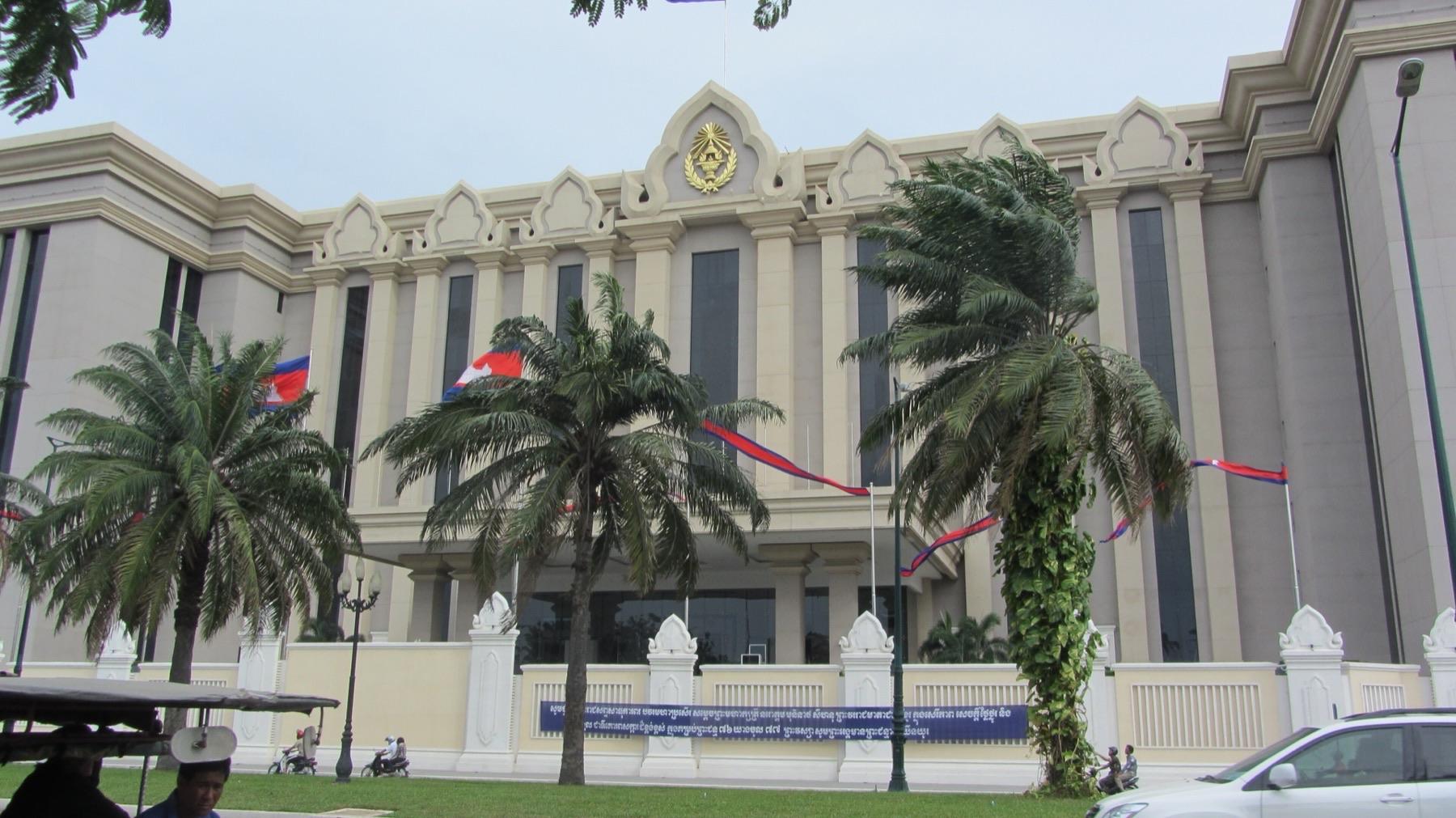
Two MoUs are signed. FIPA and double-tax talks are exploratory only. Watch for negotiation launches, published work plans, and entry-into-force dates before changing quotes or structures.
6 min · Nov 16, 2026
What Origin Rules Mean for a Canadian Gearmotor Bound for ASEAN
ACAFTA is not a live preferential rate. A Canadian manufacturer gets the cut only if the finished good meets the rules of origin, including how Vietnamese or Thai parts count. Build the file before the annexes drop.
7 min · Nov 21, 2026
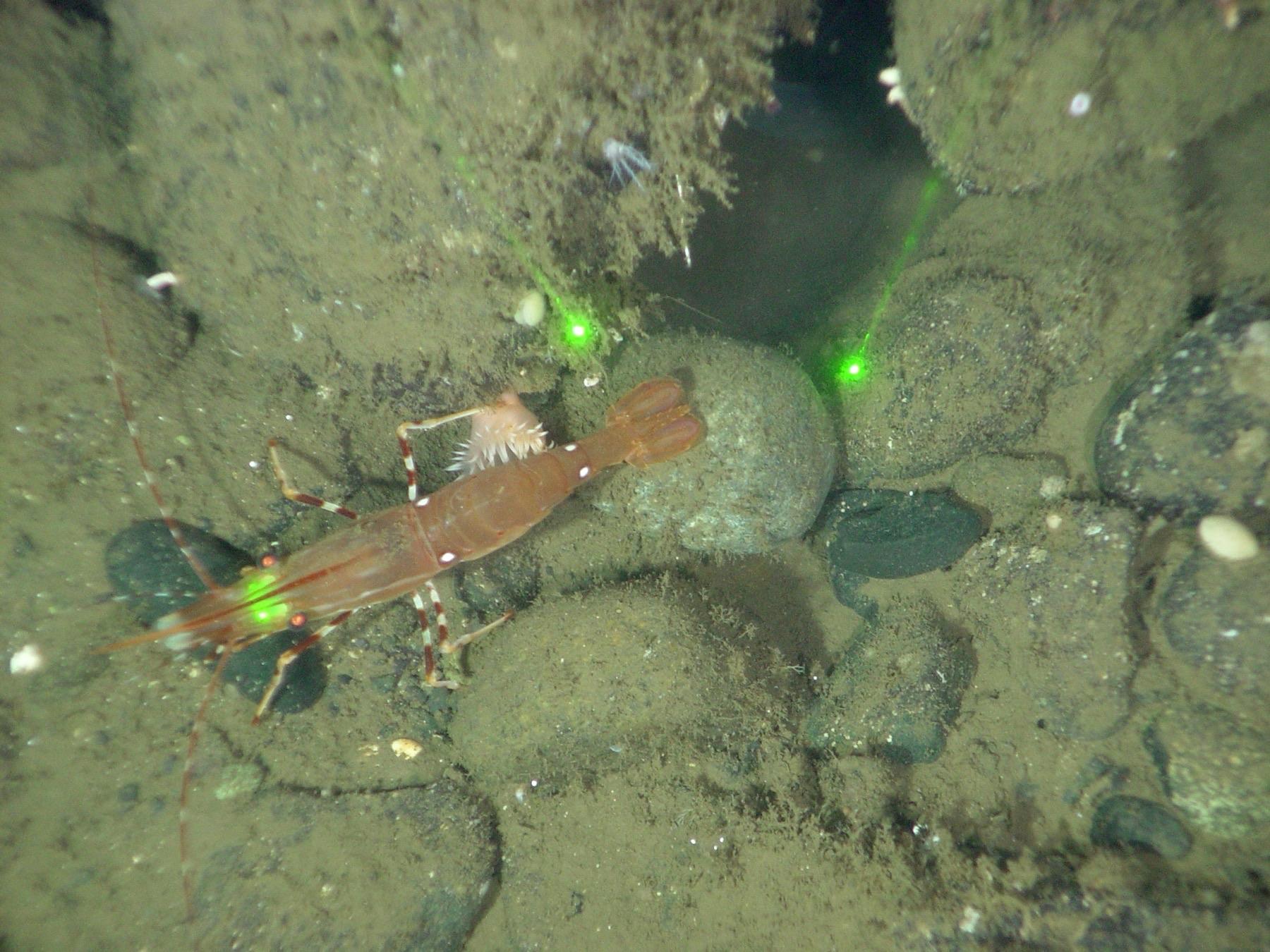
China Will Ease Tariffs on Canadian Spot Prawns Through 2028
China is set to drop the extra 25% on certain frozen cold-water shrimp and prawns, including Pacific spot prawn, from Jan. 1, 2027, through 2028. Match your SKU to the implementing notice before pricing without the surcharge.
7 min · Nov 22, 2026
Related global reads
Transpacific Bound
Washington Proposes New Tariffs on 14 Trading Partners. What Asian Importers Should Watch
Transpacific Bound
Canada and Cambodia Signed a Trade Cooperation Deal. Here’s What Businesses Can Watch Next
East Table
East Asia cold noodles field guide
East Table
Japan food consumption tax cut
Medalist News
How Japanese football became a Europe export