Washington Proposes New Tariffs on 14 Trading Partners. What Asian Importers Should Watch
USTR ruled fourteen economies' manufacturing overcapacity actionable under Section 301 and put new tariff ceilings out for comment. For Asian buyers, the live question is which proposed rate, which deal-linked alternate, and how those net against duties already on the purchase order.
What USTR decided today
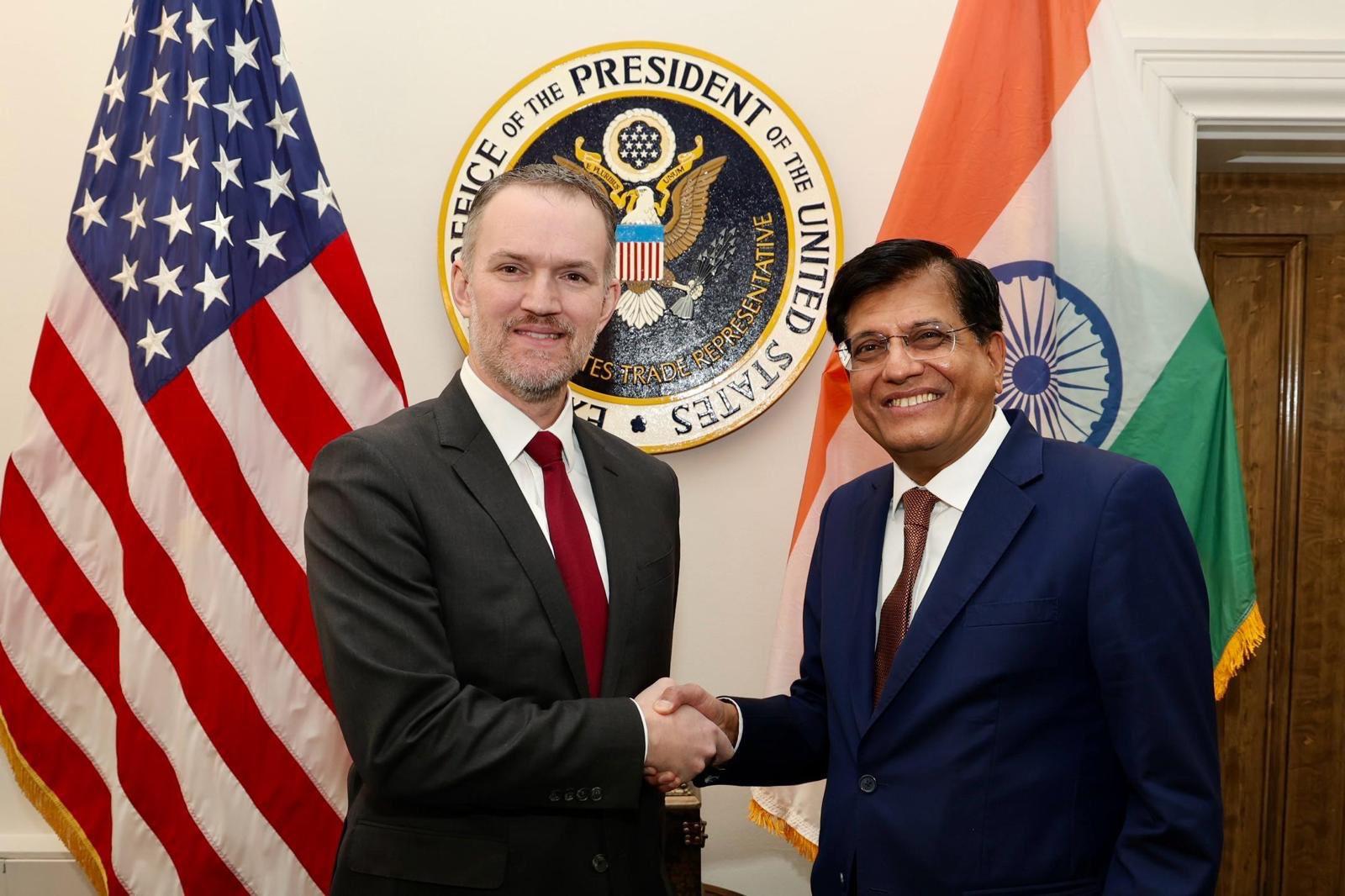
On November 25, United States Trade Representative Jamieson Greer determined that fourteen economies run manufacturing policies that create or sustain structural excess capacity in ways that are unreasonable and burden U.S. commerce. The finding sits under Section 301 of the Trade Act of 1974, the statute Washington has already used for China technology and forced-labor actions. The fourteen are China, the European Union, Singapore, Switzerland, Indonesia, Malaysia, Cambodia, Thailand, Korea, Vietnam, Taiwan, Bangladesh, Japan, and India. Mexico and Norway remain under investigation without a determination.
USTR then proposed additional tariffs on each of the fourteen and opened those proposals for public comment. Written comments and hearing requests are due January 5, 2027. Hearings begin January 25. Greer told CNBC's Squawk Box the measures are unlikely to take effect earlier than a couple of months from now. Customs entries do not change tonight. The work for an Asia-sourcing importer is to match each origin to the right proposed column before anyone reprints a quote.
The proposed ceilings that matter in Asia
Start with the economy-specific Federal Register notices and their annexes. The press-release ceilings are the first cut.
China is proposed at up to 20 percent on most goods outside the annexes, up to 10 percent on Annex A goods, and exempt on Annex B products tied to the U.S.-China Board of Trade "30-for-30" reduced-treatment list. That 20 percent figure is written to fit the Kuala Lumpur Joint Arrangement President Trump and President Xi announced on October 30, 2025. The same China notice carries a harder alternate: up to 40 percent if USTR finds ongoing engagements inadequate.
Vietnam is the other clear dual track in Southeast Asia: up to 35 percent, or 20 percent if Hanoi reaches a Reciprocal Trade Agreement that answers the determination. Singapore is up to 20 percent, or 10 percent with a deal. India is up to 25 percent, or 17 percent with a deal. Indonesia, Malaysia, Cambodia, Thailand, and Bangladesh are proposed at up to 18 percent; those notices say the figures already account for reciprocal-trade agreements with the United States.
Japan, Korea, and Taiwan are proposed at up to 15 percent after most-favored-nation rates and existing Section 301 duties are netted out. Japan's notice adds an alternate of up to 20 percent if consultations and commitments look unsatisfactory. Korea's notice adds an alternate of up to 25 percent on the same logic. Taiwan's proposal folds in the U.S.-Taiwan Agreement on Reciprocal Trade as part of the accounting.
How the netting language changes landed cost
Greer told CNBC the new rates are "not really additive" for many partners and should look more like a "top up" of a few percentage points once other duties are netted. A senior administration official, speaking anonymously to reporters, framed China's 20 percent as sitting on top of the roughly 25 percent first-term Section 301 duties tied to forced technology transfer, which would push combined China rates toward about 45 percent on many lines. Hold that stack as administration framing until a final Federal Register action and CBP guidance say how the columns combine on your HTS line.
The notices use different netting bases. Japan, Korea, Taiwan, the EU, and Switzerland proposals are written net of MFN and existing Section 301. Several ASEAN and South Asian proposals are net of existing Section 301 and say they already account for Section 232 actions and named reciprocal-trade deals. China's proposal nets against the separate Section 301 rate tied to forced-labor import prohibitions, which is a different base than the MFN-net peers.
A practical sheet therefore needs three columns: the proposed excess-capacity ceiling, the duties you already pay under older 301 or 232 actions, and any deal-linked alternate rate. A Korean auto part, a Taiwanese board, and a Vietnamese apparel cut can produce different math even when the same headline lists all three among the fourteen.
Where existing trade deals show up in the rates
The package builds on reciprocal-trade and investment frameworks Washington has been writing since 2025. Japan's framework agreement, Korea's Strategic Trade and Investment Deal, Taiwan's reciprocal-trade agreement, and the ASEAN reciprocal-trade texts for Cambodia, Indonesia, Malaysia, and Thailand are named in the proposals as part of why the ceilings sit where they sit. Singapore and Vietnam still carry live dual tracks: higher proposed rates if no responsive deal closes, lower rates if one does.
China remains the outlier. The 20 percent proposal tracks the Kuala Lumpur arrangement's rate. The 40 percent alternate is the lever if that arrangement, or follow-on talks, fail to satisfy USTR on excess capacity. Annex B exemptions point to the 30-for-30 reduced-treatment list, which matters for importers who already priced product onto that sheet.
A named deal does not freeze today's duty by itself. It explains why partners that look similar on a map got different published ceilings. If a reciprocal-trade text is still unsigned, model the higher proposed column until the notice or a later modification says otherwise.
What to do before January 5
Pull every Asia-origin SKU you expect to enter after mid-2027 and tag it by economy of origin, HTS line, and which Section 301 or 232 duties already apply. Match that row to the relevant pre-publication Federal Register notice and its annexes. Mark Vietnam, Singapore, India, and China for dual-track risk. Mark Japan and Korea for the higher alternate if consultations sour. Check whether any China SKU sits on Annex A or Annex B.
File comments by January 5 if a product needs an exemption argument. Put the January 25 hearing on the trade calendar. Do not treat USMCA routing through Mexico as a free pass: Mexico is still under investigation without a determination, and origin rules still have to hold.
Today's announcement moves the negotiation clock more than tomorrow's entry summary. Reprice when a final action, a deal-linked rate, or CBP guidance tells you which column is live. Until then, the job is matching the bill of materials to the right proposed ceiling.
Related stories
Asia Promised $1.4 Trillion in U.S. Investment. How Much Is Available?
About $37.5 billion is available against roughly $1.4 trillion pledged by Japan, South Korea, and Taiwan, per fDi Intelligence. Watch loan contracts and FDI filings ahead of the MoU headline.
8 min · Nov 24, 2026
Mexico and China Set Up a Trade Working Group
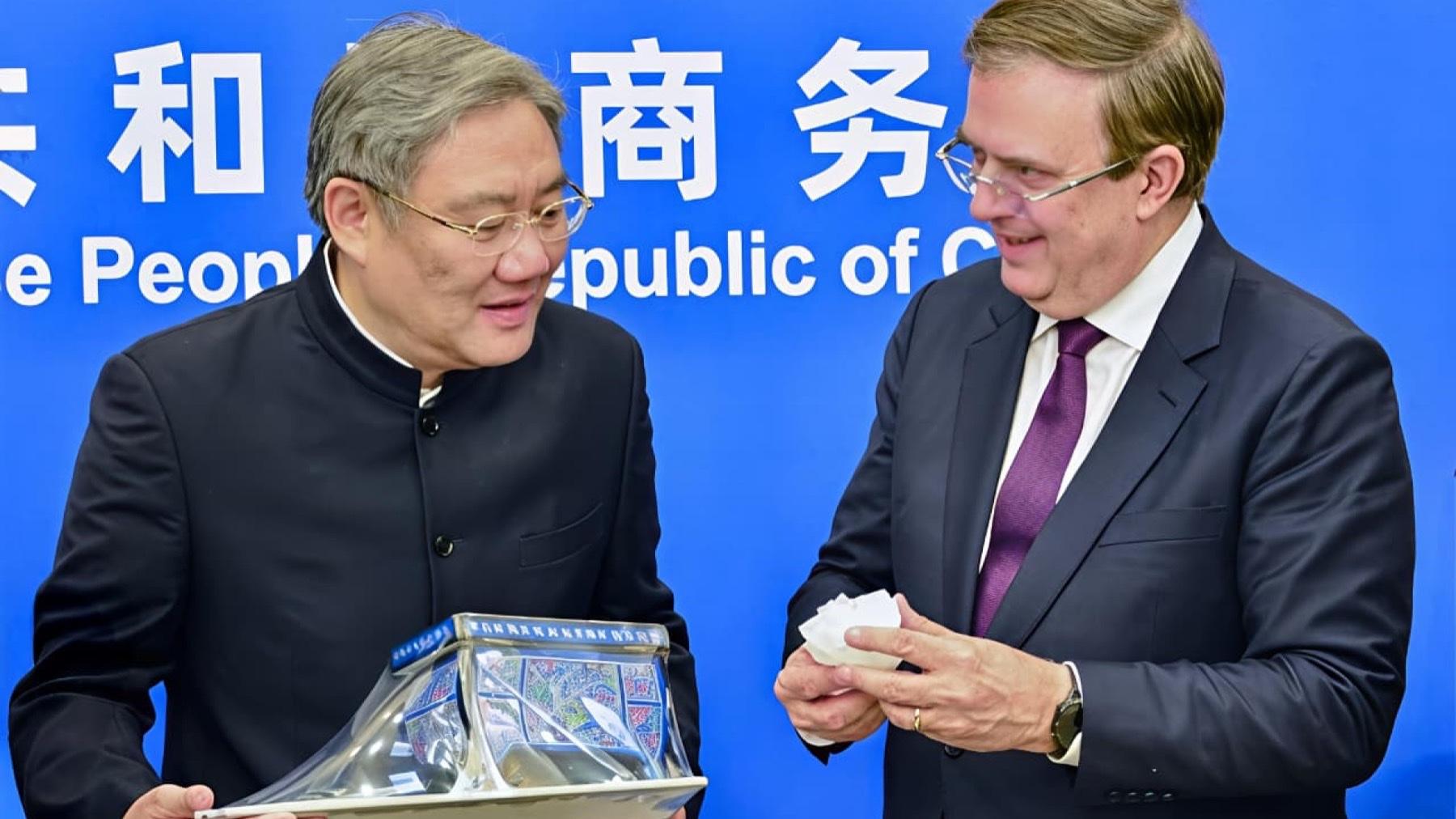
Mexico and China agreed on Nov. 23 to a working group focused on Mexican exports to China. Appliance importers sourcing through Mexico should keep current Mexican duties and origin paperwork until a later notice changes either.
7 min · Nov 23, 2026
Who Picks the Projects in Japan’s $550 Billion U.S. Investment Package?
JBIC chair Tadashi Maeda wants Japan in project origination under the $550 billion U.S. package. The MoU still leaves selection with Washington. A real supplier chance is an RFP, not a press release.
7 min · Nov 19, 2026
Korean Money in America Just Got a New Watch List
Midterm control of Congress does not erase Korea’s U.S. factories. It changes which extensions, credits, and shipyard rules executives have to track next.
7 min · Nov 5, 2026