
Korea Just Bet on Gyeongju and Haeundae to Pull You Out of Seoul
Friday’s designation puts national money behind two places that already pull visitors—Silla heritage inland and Busan’s beach-and-convention strip—and asks them to make a second night feel easy.
Foreign visitors to South Korea still tend to land the same way: a Seoul week built around palace courtyards, cafe districts, and one night that runs late enough to feel like the whole trip. Jeju is the usual escape hatch. Everything else has to fight for a second reservation.
On Friday, July 31, the Ministry of Culture, Sports and Tourism tried to change that map on purpose. It named Gyeongju, the old Silla capital in North Gyeongsang Province, and Haeundae, Busan’s beachfront tourism district, as the first sites in a new Global Tourism Special Zone program. The point is blunt. Officials want more international nights outside the capital, and they picked two places that already know how to host strangers.
The money is modest by megaproject standards and concrete enough to matter. Yonhap, citing the ministry, says each zone will receive about ₩3 billion in national funding over two years—roughly $2.2 million at recent exchange rates—to improve foreign-visitor convenience, branding, and stay-length content. Local reporting from Busan and Gyeongbuk puts the combined national-and-local package near ₩6 billion per zone through 2027. Treat the larger figure as the full local package, not a second stack of national cash.
The contest itself tells you what Seoul is willing to admit. Applications ran from mid-May into early July, with the Seoul metropolitan area and Jeju left out of the pool so the money would have to land somewhere else. Five regional finalists made the presentation round. Only Gyeongju and Haeundae cleared it. Kang Jeong-won, who leads tourism policy at the ministry, framed the pair as models for regional tourism with global competitiveness, built on differentiated content and branding rather than another marketing slogan alone.
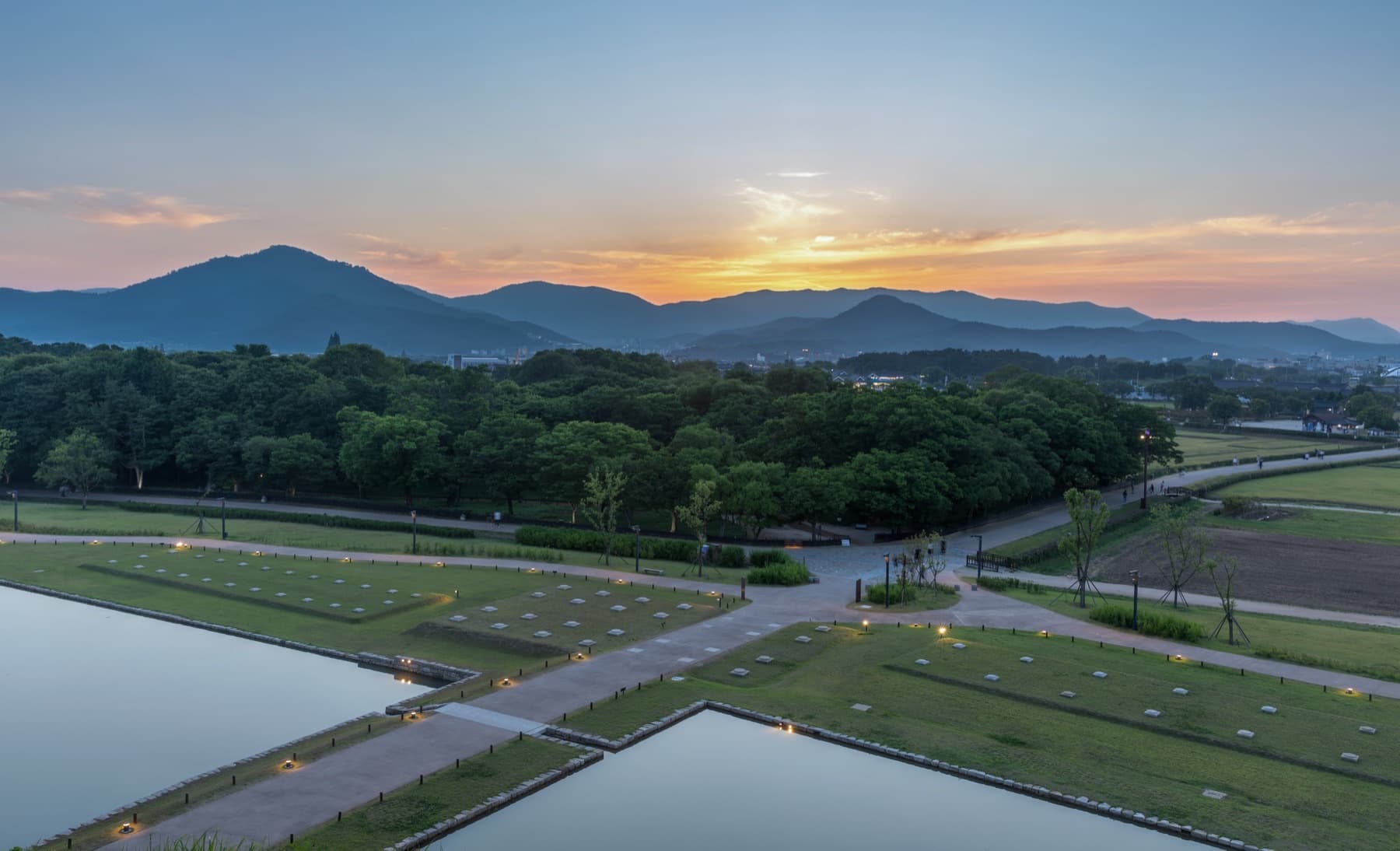
Gyeongju’s pitch is history you can walk. It was the Silla capital for centuries, and the city still sells itself as a museum without walls: burial mounds under grass, temple stairs, night programs that ask you to stay after the day-trip buses leave. Ministry and local plans point to more nighttime and food experiences, foreign-language tourist taxis, circulating sightseeing buses, and simpler mobile payments for visitors who still bounce off Korea’s card-and-app habits. Gyeongbuk reporting puts foreign arrivals in Gyeongju at about 1.57 million in 2024 and about 1.97 million in 2025, with more than a million already counted in the first half of 2026. Those are local tallies, not a substitute for the national Korea Tourism Organization series, but they explain why the ministry did not have to invent a destination from scratch.
Haeundae is the other Korea travelers already half-know: towers over the water, conference halls within a short ride, Songjeong Beach next door, and a lodging market that spikes hard when a festival or summit fills the skyline. Busan says the Global zone covers about 6.2 square kilometers, folding in Haeundae and Songjeong beaches, Gunam-ro, the Busan Cinema Center, Nurimaru APEC House, BEXCO, and Dalmaji Hill. The city first made Haeundae a special tourism zone in 1994; Friday’s title is a new national layer on top of that older designation. Plans emphasize an integrated brand across marine leisure, meetings and conventions, and shopping; open transit payment tools; day-and-night programs meant to soften the off-season; and a lodging certification effort aimed at the overcharging that shows up whenever big events hit the waterfront. Mayor Jeon Jae-soo has talked about pushing Busan toward six million foreign visitors. Read that as an aspiration tied to the announcement, not a booking forecast.
For a North American or diaspora traveler, the useful question is not whether the press release sounds nice. It is whether you will give either place a real night. Seoul to Busan is a familiar KTX hop; Seoul to Gyeongju asks for a little more schedule honesty, then rewards you with tumuli at dusk instead of another Hongdae queue. The ministry is funding the friction points international guests actually feel—language on the curb, payment at the gate, a night program worth the hotel—and the traveler still has to choose the slower itinerary. A designation does not empty Myeongdong. It gives you cover to book the second city before the first week fills every calendar square.
Pair this with the inbound numbers already on the board. Korea’s first half of 2026 cleared about 10.7 million foreign arrivals, up more than a fifth from a year earlier and past the 2019 baseline. Crowds in the capital are part of why a regional push suddenly has political oxygen. The honest close is small. If you were already thinking about Busan’s waterfront after Seoul, or a Silla night in Gyeongju instead of another palace morning, Friday’s news is permission to stop treating those ideas as optional add-ons. Book the night that matches the trip you want, then watch whether the taxis, payments, and evening programs actually arrive on the ground in 2026 and 2027.
Related stories
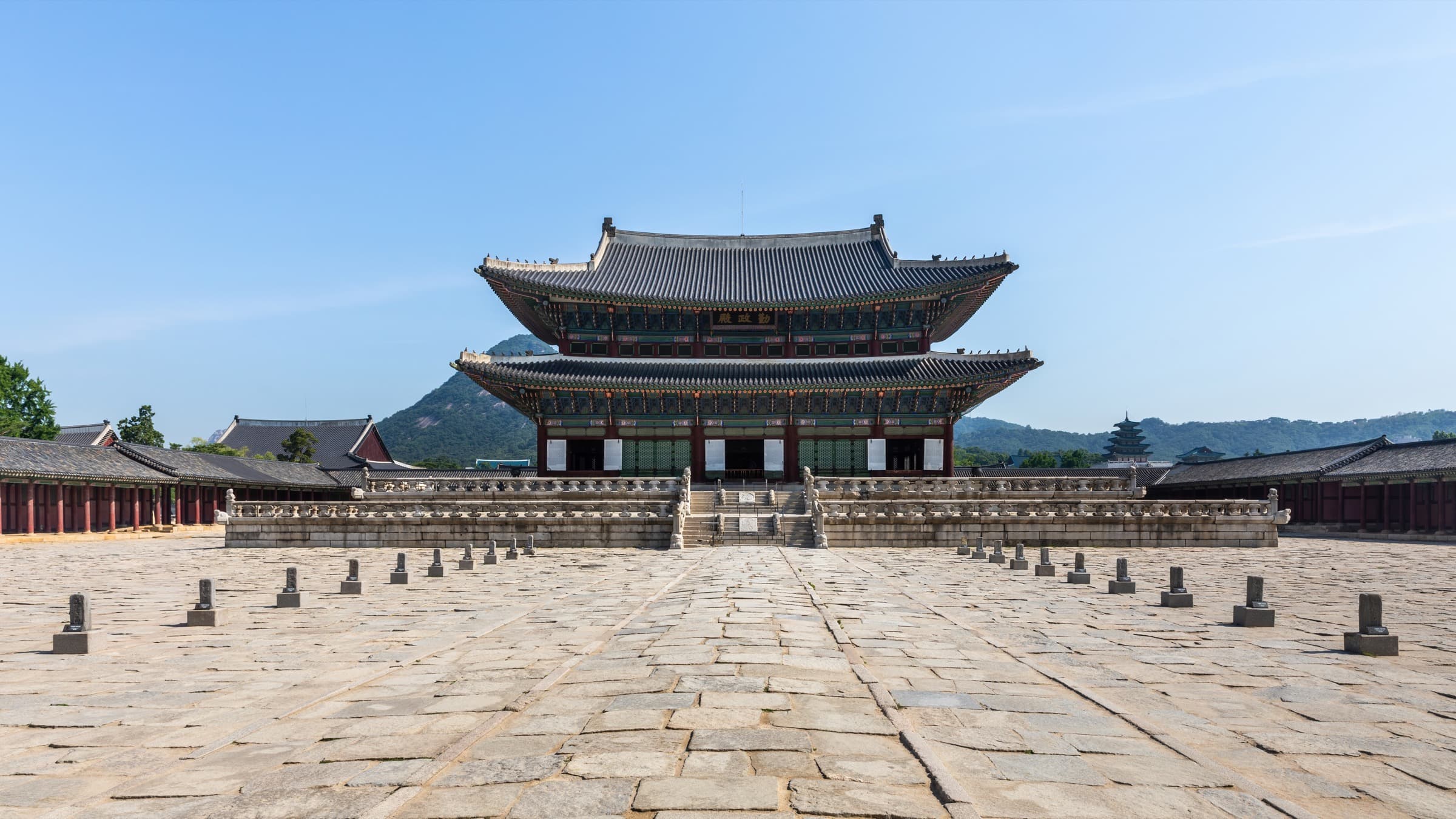
Korea’s Sidewalks Are Crowded for a Reason
KTO’s H1 numbers show China still leading while Taiwan and the US sit far above 2019 baselines. Here’s what that density feels like in Seoul, and why Busan belongs on the map.
4 min · Jul 25, 2026
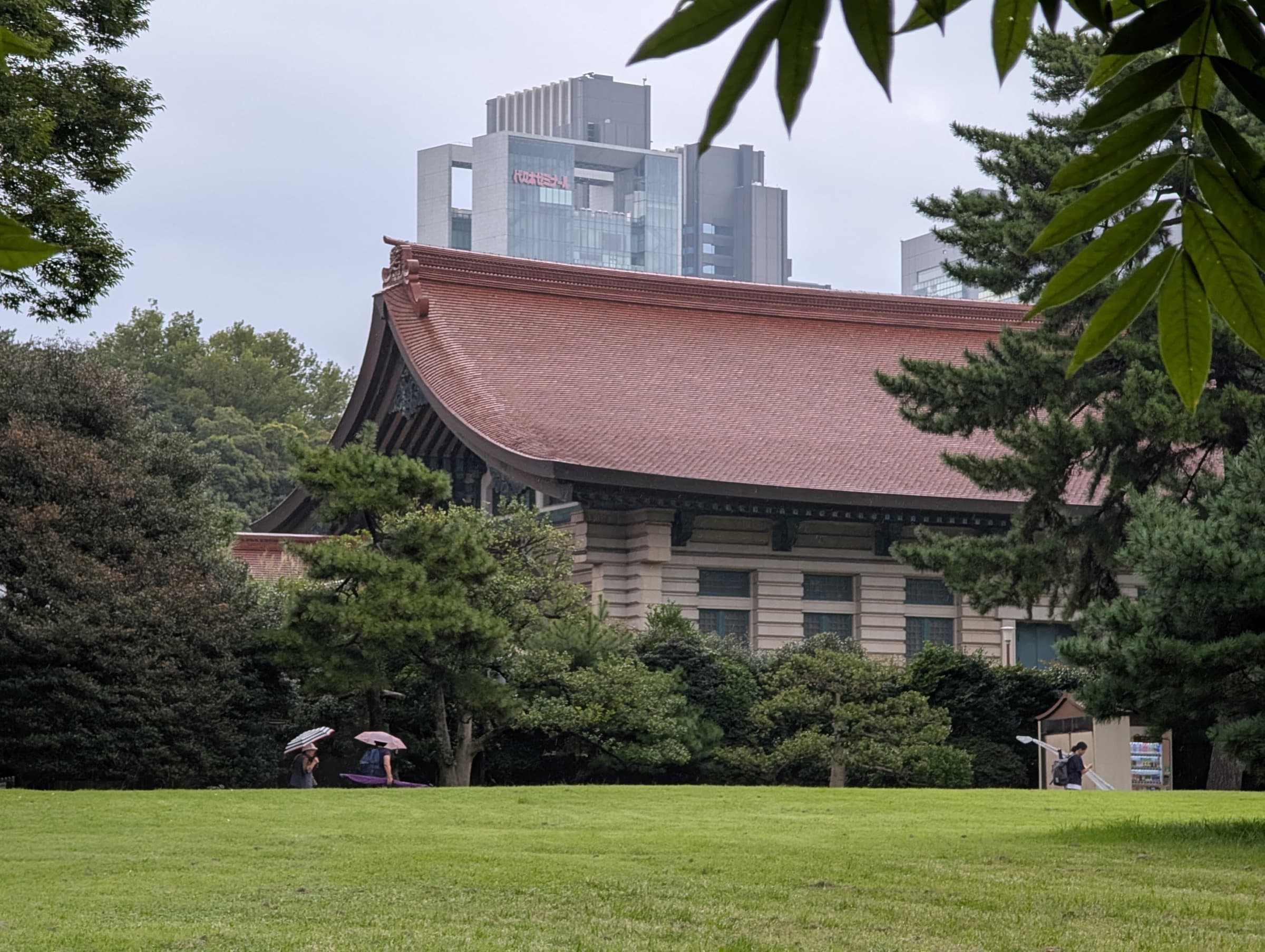
Japan’s Visitor Map Is Changing, Even If the Sidewalk Still Feels Full
JNTO’s first-half numbers show China down more than half while Korea and Taiwan surge. Spending barely budged. Here’s what that shift feels like on the ground.
4 min · Jul 24, 2026

Seoul After the Hype Cycle
Beyond the export narrative: neighborhoods, markets, and meals that reward travelers who skip the trend checklist.
8 min · May 18, 2026

Seoul as a First Trip to Asia: Energy Without the Spreadsheet
Seoul is not the softest first Asia trip, but for the right traveler it teaches appetite, transit, and neighborhood rhythm fast.
5 min · Jun 7, 2026
Related global reads
Transpacific Bound
Korea’s Sidewalks Are Crowded for a Reason
Transpacific Bound
Japan’s Visitor Map Is Changing, Even If the Sidewalk Still Feels Full
At the Banquet
The new Banquet: South Korea
At the Banquet
The Banquet guide to Seoul
Goldsea
Asia’s 8 most romantic places and the great love stories behind them