What Citi and IFC’s $2 Billion Trade-Finance Facility Actually Finances
On October 29, IFC and Citi said they would share risk so the bank can extend more working capital across Africa, Asia, and Latin America. The money still moves through a Citi credit conversation.
The cash gap that stops a shipment
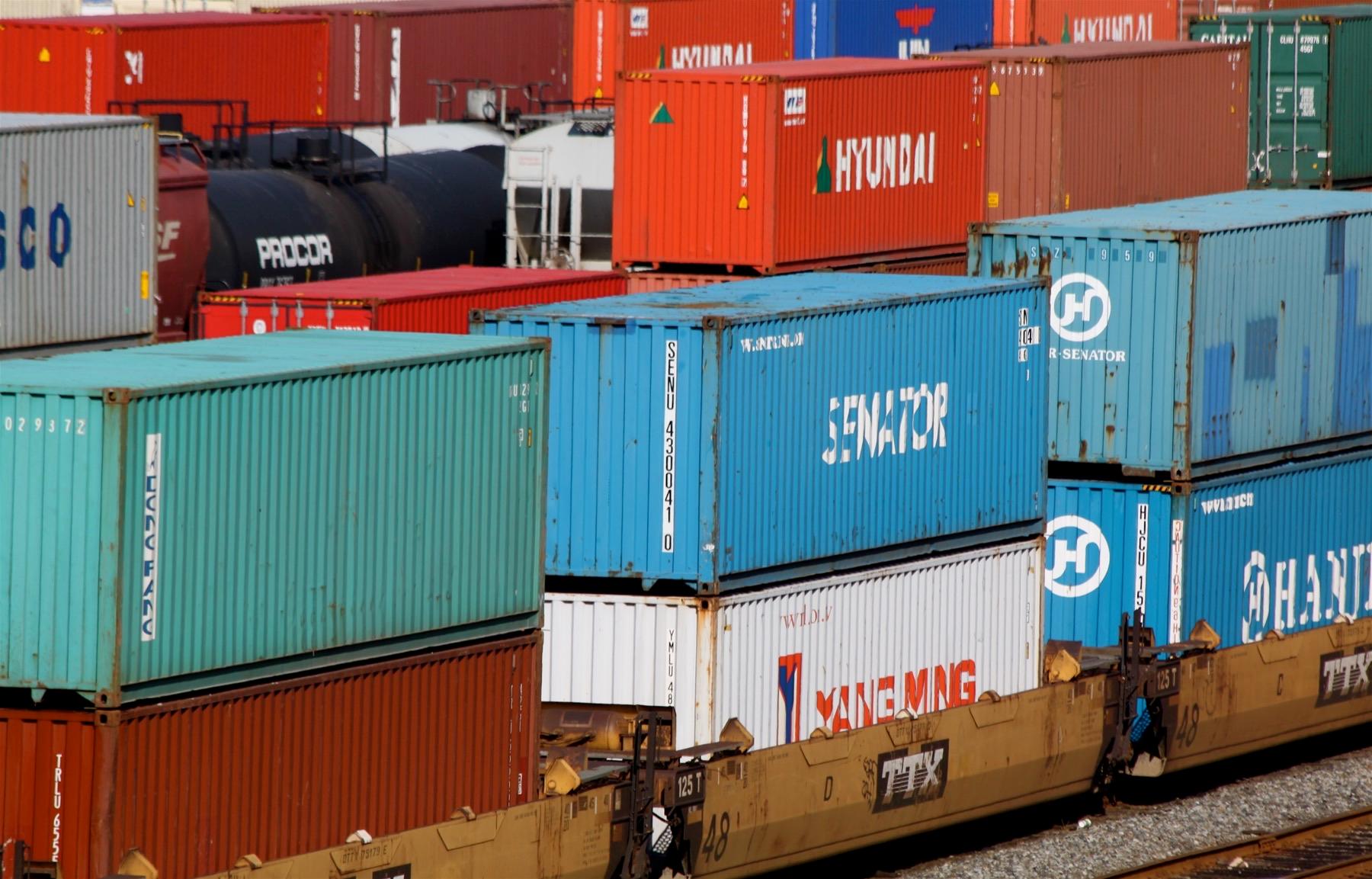
A food processor in Southeast Asia wins an export order, then has to pay a European packaging supplier weeks before the buyer remits. A solar-component assembler in Latin America needs a letter of credit before a Chinese foundry will ship wafers. Cash leaves first. Payment comes later. The goods sit in the middle.
That wait is what trade finance is for: letters of credit, invoice finance, inventory loans, and the rest of the bank toolkit that keeps an order alive. When the credit is scarce or too expensive, the order stalls and hiring does too. The International Finance Corporation, the World Bank Group’s private-sector arm, puts the global shortfall at an estimated $2.5 trillion, mostly in developing economies. That number is a market estimate. Nobody has $2.5 trillion sitting in a drawer waiting for applicants.
On October 29, IFC and Citibank, N.A. announced a facility meant to put more of that bridge under corporates and smaller firms in Africa, Asia, and Latin America. What the $2 billion headline buys, and how a company ever touches it, is the whole story.
What the October 29 facility is
IFC will guarantee up to $1 billion of Citi’s risk. Citi matches that with lending capacity. Combined, the partners describe a facility of up to $2 billion over three years. Global Trade Review, covering the same announcement, says each eligible deal splits risk fifty-fifty: IFC takes up to half, Citi keeps the rest.
They expect the structure to support more than 100 companies across several countries in those three regions, with room to expand later. Read the $2 billion as a ceiling on shared risk. The money is not sitting in borrower accounts today. Asian Banker notes a contrast with a 2021 IFC–Citi facility of up to $1.2 billion that was funded and equally shared. This time IFC’s guarantee is meant to free space on Citi’s balance sheet so the bank can lend more without IFC putting up the same share of cash.
Mohamed Gouled, IFC’s vice president for products and clients, said IFC is acting as a risk partner that helps Citi reach firms that create jobs, and that other global banks could adopt a similar structure. Stephanie von Friedeburg, Citi’s global head of public sector banking, called emerging-market trade finance a strategic priority and said IFC’s backing lets the bank support a wider set of businesses where credit still constrains growth.
How financing reaches a company
IFC’s guarantee sits with Citi. Citi then extends trade credit to corporate and SME clients: letters of credit, receivables finance, working-capital lines that pay suppliers before export proceeds land. A factory does not file an IFC grant application for this facility. It already banks with Citi, or tries to, and the shared risk is what helps the bank book the deal.
Adoniro Cestari, Citi’s global head of trade and working capital solutions, described the arrangement as a first-of-its-kind risk-participation push that delivers liquidity and working capital to clients in developing markets. Underwriting, pricing, and the client relationship stay with the bank. IFC shares risk so more of those credit conversations can clear.
GTR also reported that the model is not locked to Citi; IFC is open to similar structures with other lenders. For treasury teams, that is a signal about which banks may stretch further into harder markets. Questions still belong with a relationship manager. The IFC press page will not underwrite your shipment.
The climate slice and the longer partnership
From the capacity the guarantees free up, Citi said it will put at least $500 million of its own trade financing toward companies in sectors with climate benefits: water and sanitation, renewables, energy-efficient manufacturing, and sustainable agriculture. That is Citi capital pointed by the partnership’s priorities. There is no separate IFC climate window where a firm can apply for a slice of the $500 million.
The October deal continues a longer partnership. Since 2006, IFC and Citi say they have financed about $65 billion in emerging-markets trade through IFC’s Global Trade Finance Program and Global Trade Liquidity Program, including $8.6 billion in countries eligible for the World Bank’s International Development Association soft-lending window. Those earlier programs often ran through confirming banks and letters of credit across many institutions. This facility concentrates the risk share on one global bank’s balance sheet so that bank can lend more.
For an Asian manufacturer importing capital equipment, the test is simple: can Citi’s desk say yes to a working-capital ask that would otherwise bump against risk limits? If the deal also fits the climate list, say energy-efficient plant upgrades tied to export contracts, ask for the $500 million carve-out by name.
What the announcement leaves open
The release skips country lists, pricing, collateral rules, and approval timelines. It also skips any public split of how many of those “more than 100” companies will be mid-market versus large corporates. GTR noted that IFC did not say how it will monitor Citi’s compliance with the agreement. Treat the climate carve-out as a commitment on paper until someone publishes draws or audits.
The next real evidence is quieter than a press release. Listen for Citi relationship managers in Asia and the other target markets naming this facility when credit talks get real, then for the first disclosed transactions with sectors and sizes attached. A later signal would be another global bank copying the guarantee template Gouled floated.
Until then, the $2 billion is capacity that can finance the wait between paying for a container and getting paid for what is inside it. If your firm sees it at all, it will look like a bank product on a Citi term sheet.
Related stories
Your Lunar New Year Shipping Calendar Starts Before Christmas
Lunar New Year is February 6, 2027, eleven days earlier than last year. Maersk’s November 6 note is your cue to lock factory dates and sailings before Christmas.
7 min · Nov 8, 2026
The U.S.–China Trade Agreement Still Has a Rare-Earth Delivery Problem
Greer and Bessent pressed Beijing on Friday over rare earths and other critical minerals. A license on paper still has to become a tonne on the dock.
7 min · Nov 8, 2026
AI Cargo Just Got a Weekly Freighter Loop
Chips and critical servers fly. Steel and transformers usually do not. The new loop is built for the first pile.
6 min · Nov 3, 2026
Asia’s Factories Are Not Moving Together
Korea had the softest chip-exporter reading. Indonesia booked export orders at a survey record.
6 min · Nov 2, 2026
Related global reads
Transpacific Bound
Your Lunar New Year Shipping Calendar Starts Before Christmas
Transpacific Bound
The U.S.–China Trade Agreement Still Has a Rare-Earth Delivery Problem
At the Banquet
The Banquet guide to Hong Kong
Goldsea
Tuk tuks and Muay Thai: a Bangkok adventure
At the Banquet
The Banquet guide to Singapore