
DHL’s Bangkok–Cincinnati Freighter Maps the New Asia–U.S. Air Cargo Story
DHL Global Forwarding’s new thrice-weekly Bangkok–Cincinnati freighter, part of TransPac Connect, is a concrete map of a quieter change on Asia–North America air cargo: AI and semiconductor hardware have overtaken e-commerce as the growth engine, and Southeast Asia factories are feeding a U.S. Midwest hub.
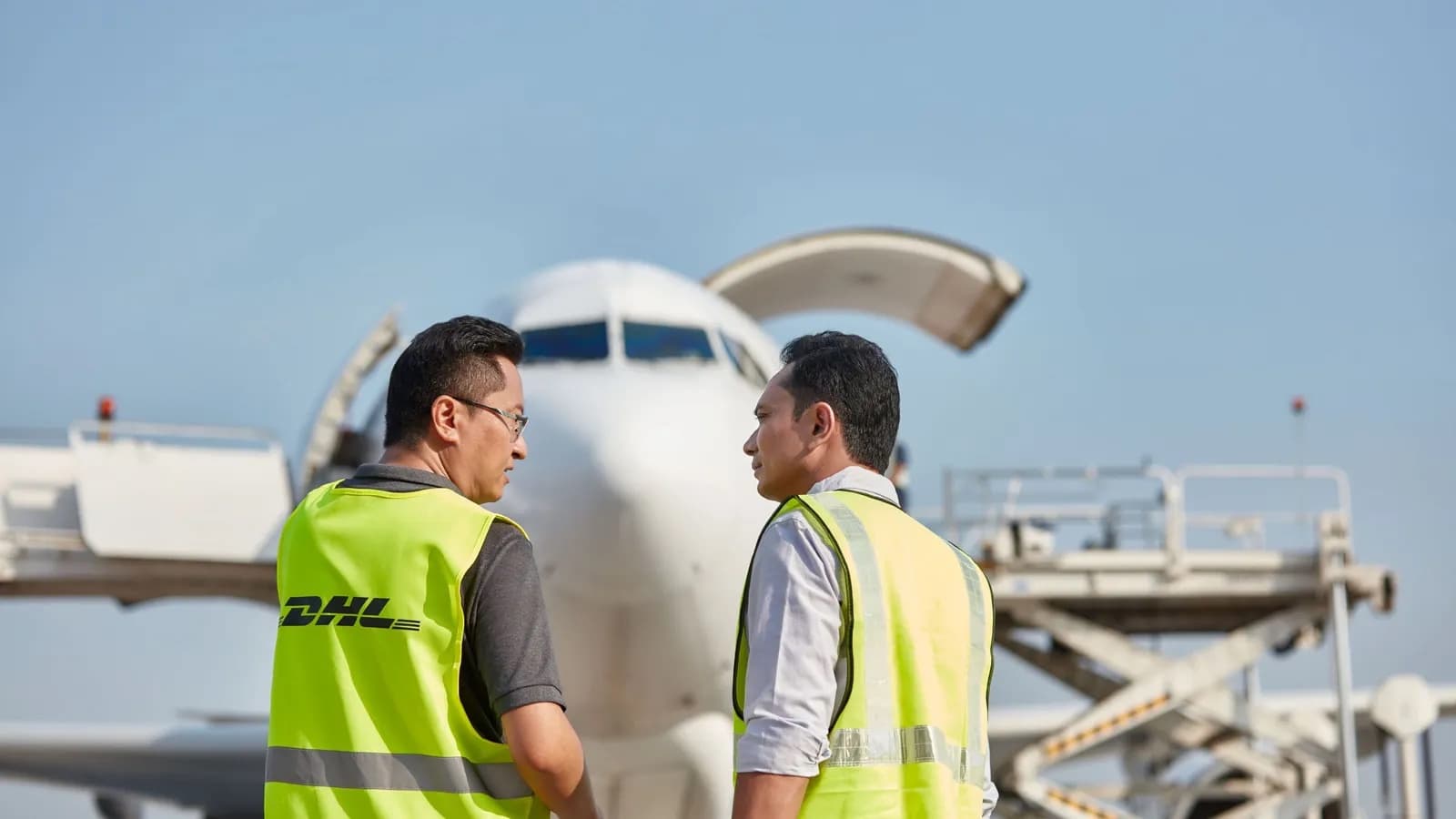
DHL Global Forwarding opened a thrice-weekly freighter between Bangkok and Cincinnati/Northern Kentucky as part of TransPac Connect, a dedicated Asia–U.S. air network the company announced on July 9. Each flight can carry up to about 100 tons on a widebody freighter’s main deck. A DHL spokesperson told Supply Chain Dive the Bangkok–Cincinnati service began July 1. The product is meant for oversized and high-value cargo that needs secured capacity, stable schedules, and clearer cost planning than a pure spot market can offer.
The route is a readable map of a quieter change in Asia–North America air cargo. Xeneta’s June 2026 release showed global air-cargo demand up 7 percent year over year while supply rose 3 percent. Spot rates averaged $3.40 per kilogram, up 38 percent from a year earlier even as the pace of rate growth eased from May. In the final week of June, Northeast Asia–North America and Southeast Asia–North America spot rates were up 41 and 42 percent from late February. Xeneta’s narrative for the year is that AI-related shipments remain a minority of what flies, under 10 percent, yet have become the main growth engine as e-commerce’s contribution cools.
IATA’s May 2026 traffic data, released June 29, put the same corridor in sharper relief. Asia–North America cargo tonne-kilometers rose 19.9 percent year over year, a fourth consecutive growth month, and that lane accounted for 23.5 percent of industry CTKs on a 2025 share basis. Semiconductor sales help explain the pull. The Semiconductor Industry Association, citing WSTS, reported April 2026 global sales of $110.5 billion, up 93.9 percent from April 2025 on a three-month moving average. That is chip demand, not a direct bill of lading for every Bangkok freighter, but it matches the technology cargo DHL says is driving the need for more Southeast Asia capacity.
Bangkok’s role is manufacturing geography rather than leading-edge foundry work. The IMF’s July 2026 World Economic Outlook Update materials list Thailand among the top four net exporters of AI-related hardware, alongside Taiwan, Korea, and Malaysia. That phrasing covers electronics and assembly in the broader AI hardware chain. It does not mean Thailand fabricates the most advanced AI accelerators. For forwarders, the practical point is that Southeast Asian factories are generating high-value, time-sensitive freight that still needs controlled air capacity into the United States.
Cincinnati/Northern Kentucky is DHL’s Americas air hub, with extensive road feeders after arrival. TransPac Connect also covers capacity via Hanoi and Taipei into Cincinnati and Chicago; the July 9 release does not spell out those frequencies in the same detail as Bangkok–Cincinnati, and secondary reporting should not be collapsed into the company announcement without attribution. Henk Venema, global head of air freight at DHL Global Forwarding, tied the expansion to Southeast Asia’s importance for manufacturing and sourcing and to customers’ need for resilience and control.
Aircraft type sits one layer down from the press release. DHL’s announcement says only “widebody freighter.” Supply Chain Dive, FreightWaves, and Aviation Week have reported Boeing 777 equipment, with FreightWaves naming Aerologic as an operator on related flying. Until DHL confirms those details in its own materials, the safer description remains a widebody freighter with about 100 tons of capacity.
Rates on the corridor are elevated compared with late winter, not magically cheap because a schedule exists. DHL’s pitch is controlled capacity and predictability, not a claim to the lowest spot. For shippers moving AI servers, components, and other high-value electronics from Southeast Asia into the U.S. Midwest and beyond, the useful change is a thrice-weekly Bangkok–Cincinnati option sitting inside a broader TransPac map, and a reminder that the growth story on this ocean is increasingly hardware, not shopping carts.
Related stories

TSMC’s $265 Billion Arizona Bet Is Really About Packaging the AI Boom
On its July 16 earnings call, TSMC tied a fresh $100 billion Arizona commitment to packaging capacity so tight it is limiting customers’ growth.
4 min · Jul 16, 2026
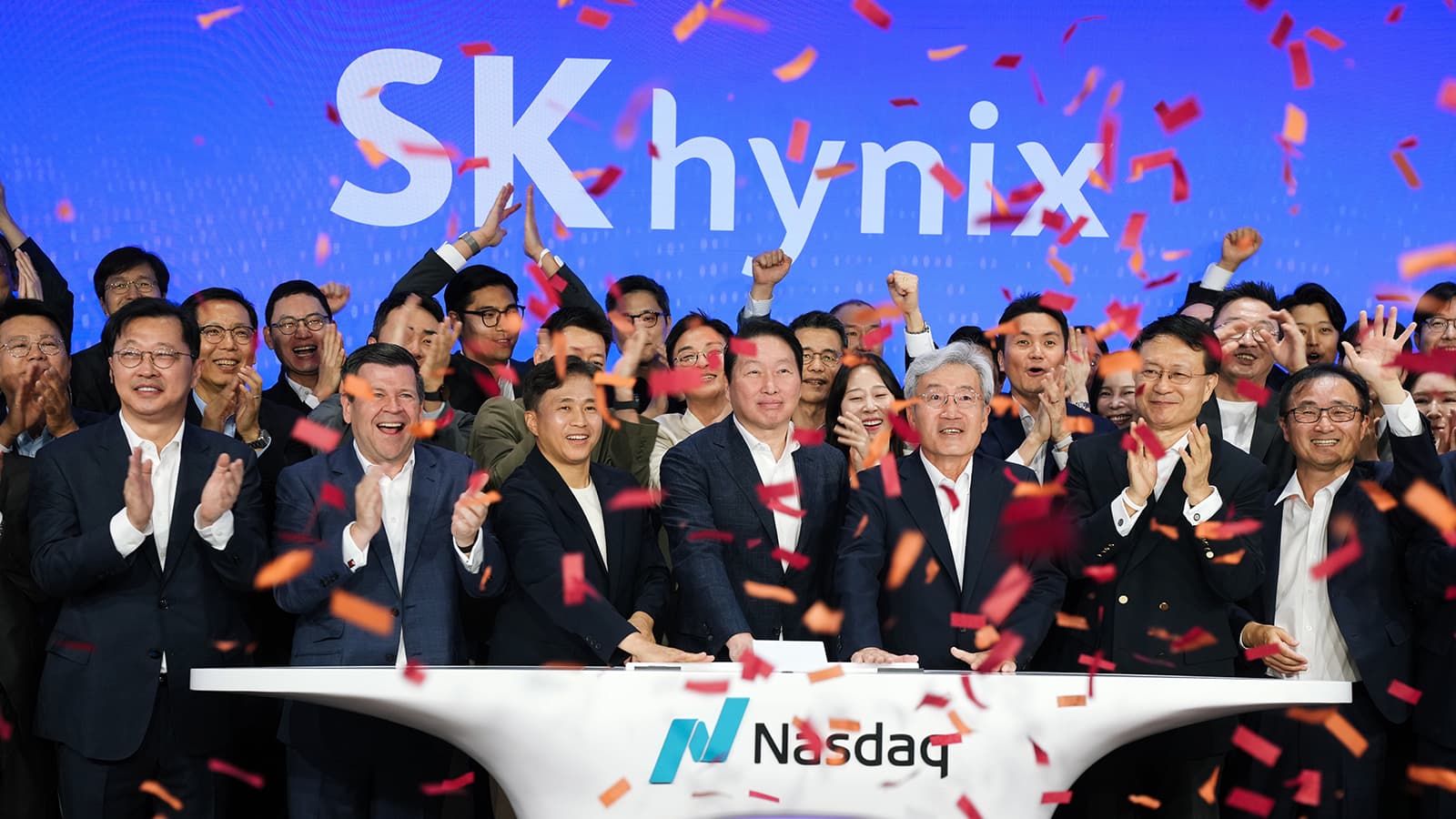
Why SK hynix Shares Are So Volatile After Its Nasdaq Debut
SKHY and Seoul-listed 000660 represent the same chipmaker, but July’s listing structure briefly made them look like different stories.
7 min · Jul 16, 2026
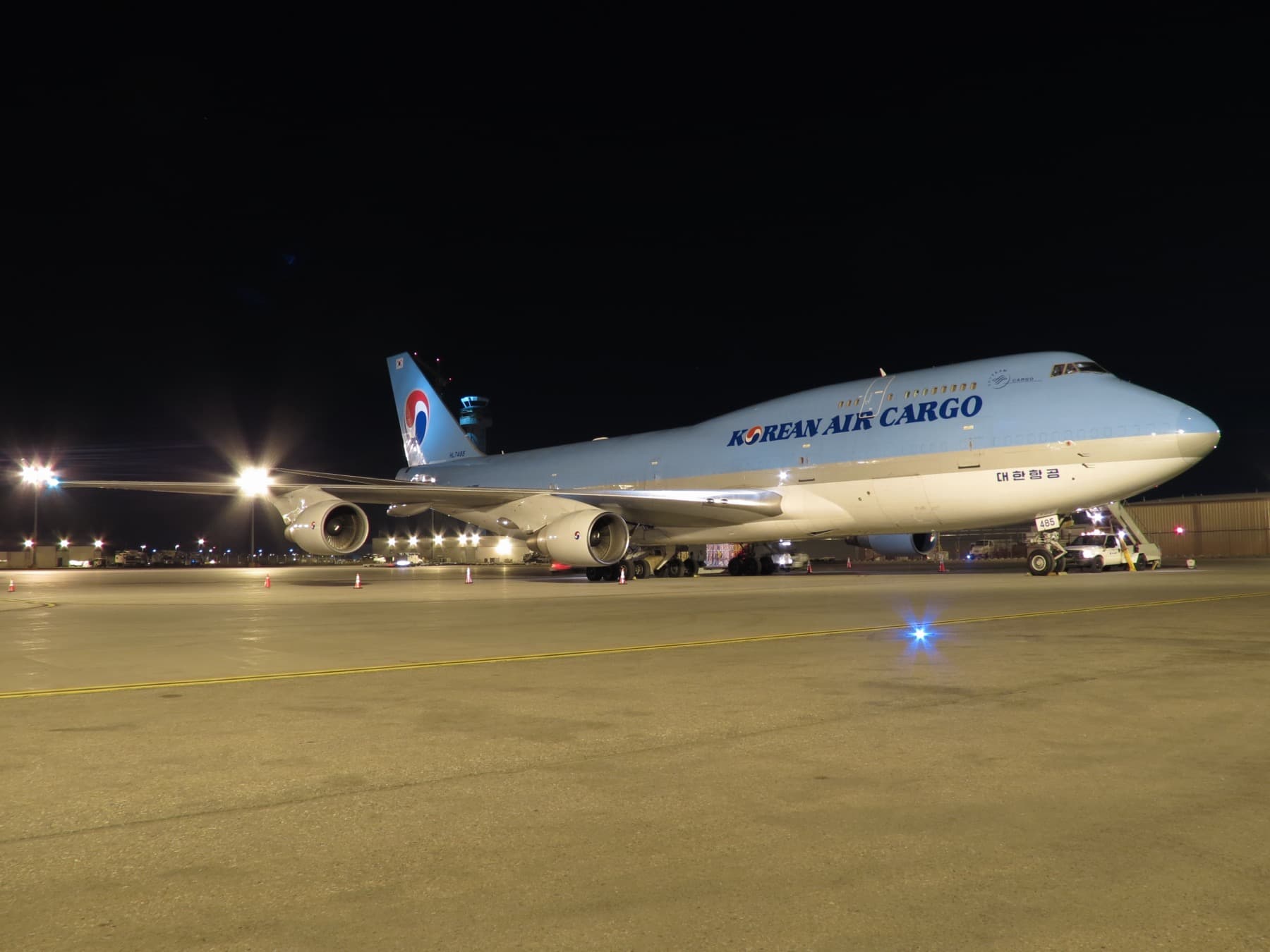
AI Hardware Is Filling Transpacific Air Cargo to the Ceiling
Xeneta puts Asia–North America dynamic load factors at 90%. May Taiwan–U.S. rates hit $7.02 per kilo. Korean Air’s cargo yield jumped about 42% in the second quarter.
5 min · Jul 24, 2026
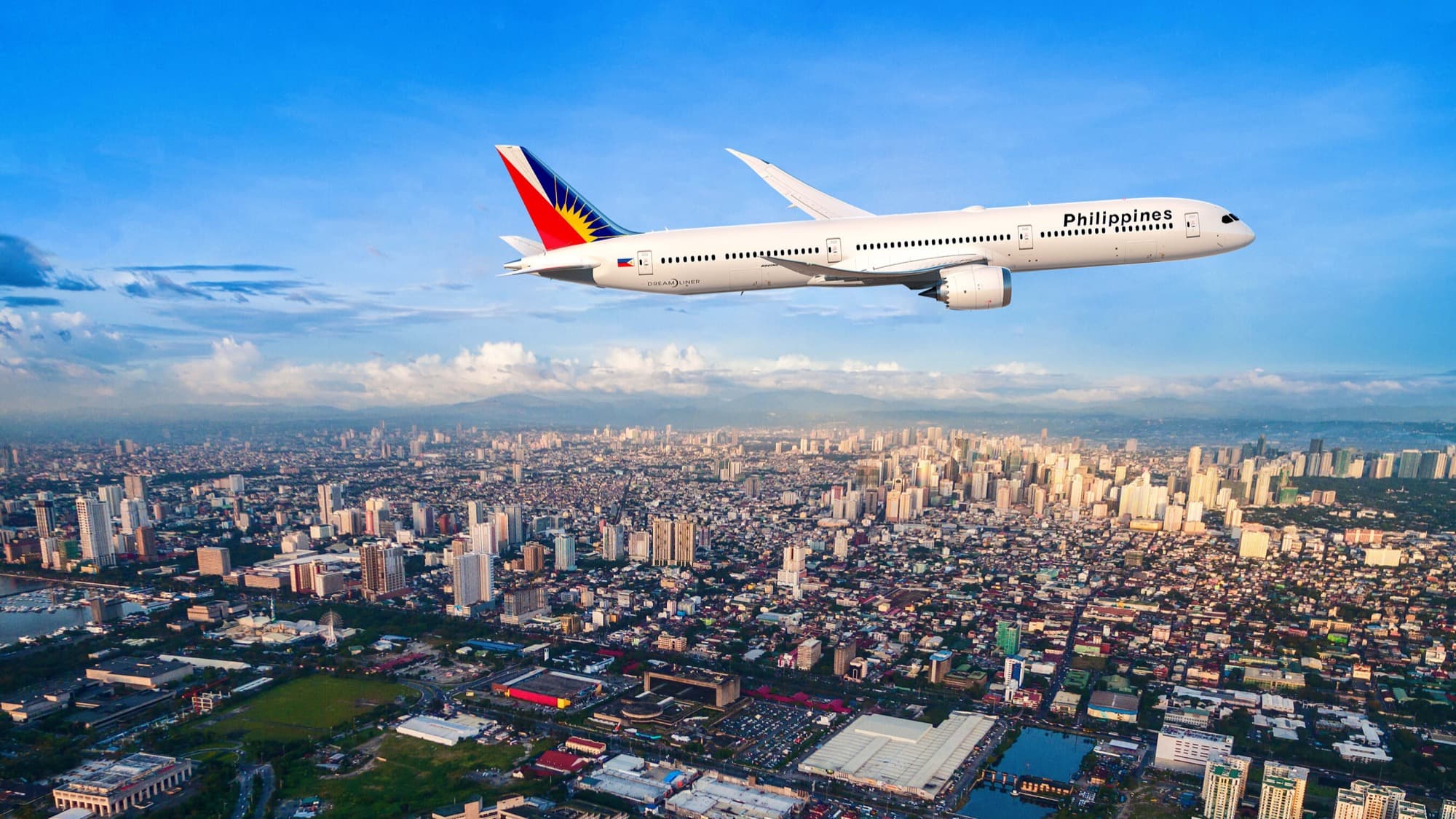
Philippine Airlines Returns to Boeing With Up to 20 Dreamliners
PAL’s Farnborough MoU for up to twenty 787-10s will not fly Chicago in 2026, but it signals how the airline plans to modernize after the A350s already on order.
4 min · Jul 20, 2026
Related global reads
Transpacific Bound
TSMC’s $265 Billion Arizona Bet Is Really About Packaging the AI Boom
Transpacific Bound
Why SK hynix Shares Are So Volatile After Its Nasdaq Debut
Goldsea
Tuk tuks and Muay Thai: a Bangkok adventure
At the Banquet
The Banquet guide to Bangkok
Goldsea
Asia’s 8 most romantic places and the great love stories behind them