
AI Hardware Is Filling Transpacific Air Cargo to the Ceiling
Asia–North America freighters are running near a practical full: semiconductors and AI infrastructure freight have taken over as the growth engine, and Korean and Taiwanese carriers are banking the yields.
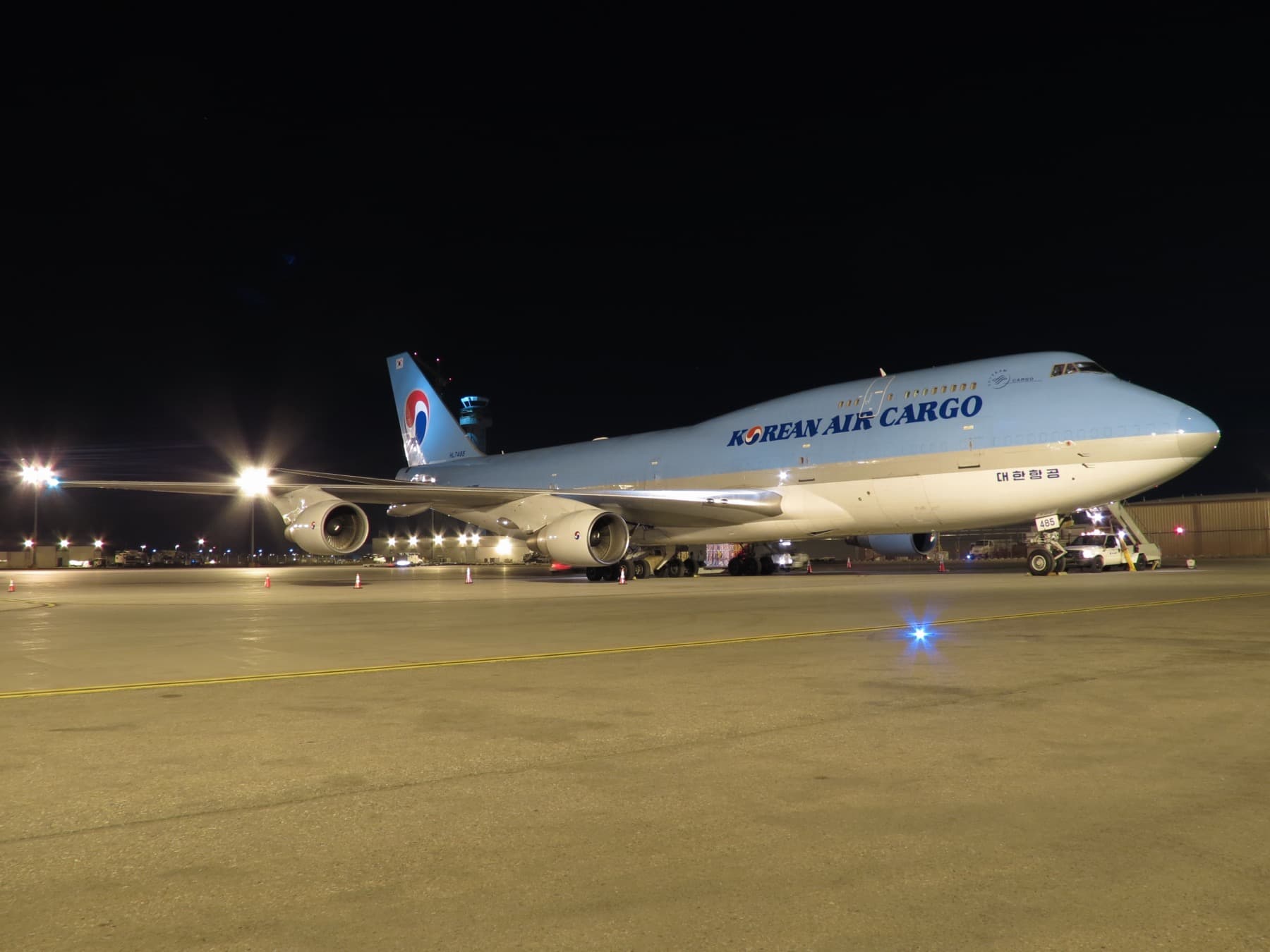
The transpacific air-cargo lane is running close to full. Xeneta’s mid-June market briefing put the dynamic load factor, space and weight together, on Asia Pacific to North America services at 90 percent, a level chief airfreight officer Niall van de Wouw called a near-practical maximum because not every scheduled flight is optimised for freight. Asia to Europe and Asia to the Middle East sat at 87 percent. The corridor is not merely busy. On Xeneta’s reading, it is effectively full.
Two forces stacked. Late February’s Middle East escalation yanked capacity out of the network almost overnight. Xeneta later estimated about 12 percent of global air-cargo capacity disappeared at the peak of the shock, and Gulf flying had recovered only to roughly 70 percent of pre-war levels by late May. At the same time, the freight that used to set the growth story changed. For much of 2024 and 2025, cross-border e-commerce pushed rates. In Xeneta’s June 18 analysis with TIACA, semiconductors and hyperscaler infrastructure demand have taken over as the primary growth engine. China’s B2C cross-border e-commerce exports fell 11 percent year over year in April, with shipments to the United States down 33 percent. Absolute parcel volumes remain large. The growth that was lifting rates a year ago is no longer doing the heavy lifting.
The chip numbers underneath the freight story are extreme either way you cite them. The Semiconductor Industry Association, using World Semiconductor Trade Statistics data, reported April 2026 global sales of $110.5 billion, up 93.9 percent from April 2025 on a three-month moving average, and endorsed a WSTS Spring forecast of about $1.5 trillion in industry sales for 2026. Xeneta’s webinar materials cite an even steeper early-2026 semiconductor revenue jump of 106 percent year over year. Both signals point the same direction for air freight: high-value, time-sensitive hardware is moving now.
Spot prices show where the urgency concentrates. In May 2026, Xeneta put Taiwan–United States air-cargo rates at $7.02 per kilogram, up 24 percent year over year. Malaysia–U.S. ran $6.69, up 36 percent. China–U.S. reached $5.86, up 46 percent. Global spot averaged $3.40 per kilogram in May, up 41 percent from a year earlier. Van de Wouw’s blunt line on the webinar is the procurement lesson: whether shippers pay five, six, or seven dollars a kilo matters less than getting the gear that builds the next data center on time.
Airlines sitting next to the foundries and memory plants are converting that urgency into yield. Korean Air’s second-quarter cargo yield rose about 42 percent year over year to 703 won per ton-kilometer, near pandemic-era peaks, while tonnage moved only a few percent higher, pricing power, not a pure volume story. Herald Business and other Korean coverage tie the Americas lane and AI data-center buildout to that result. EVA Air told Bloomberg that AI server-related goods account for 40 to 50 percent of its air freight from Taiwan to the United States and plans three more freighters by 2028. Bloomberg’s second-quarter calculations, reported across Korean and Taiwanese trade press, showed cargo revenue at Korean Air, China Airlines, and EVA each jumping on the order of 40 percent from the prior quarter. Separate KB Securities notes cited in Korean coverage put U.S. imports of semiconductors and AI servers and related equipment up about 99 percent year over year in April and May, with Taoyuan outbound air-cargo volume up 18.3 percent over the same window.
Procurement teams feel the squeeze in contract length as much as in price. In the second quarter of 2026, Xeneta found 22 percent of new air-freight contracts valid for one month only, more than double the share a year earlier, and 51 percent of forwarder–airline rates lasting less than 30 days, levels last common in the pandemic. One Xeneta customer reported a six-month rate voided three weeks in as the market moved. Planning certainty is the scarce commodity.
By early July, some Asia–Europe lanes had softened after May’s spike, and Flexport’s Franco Babini told The Loadstar that June global rates were still up 33 percent year over year with volumes up 9 percent. Flexport expects Southeast Asia and Taiwan to stay firm through July and August on AI hardware even as Hong Kong low-value flows cool after Europe’s de minimis changes. Xeneta has already rewritten its 2026 rate outlook from a decline to a 5 to 15 percent rise. The traditional e-commerce peak is not the base case.
For readers who already followed DHL’s Bangkok–Cincinnati freighter as a single-route map of the same shift, the wider picture is the ceiling itself: a full Asia–North America belly and freighter network, chip and server freight that will pay for speed, and carriers in Seoul and Taipei booking yields that look more like 2022 than 2024. The useful question for operators is whether your next shipment can wait for ocean reliability to return, or whether it belongs on a plane that may already be full.
Related stories
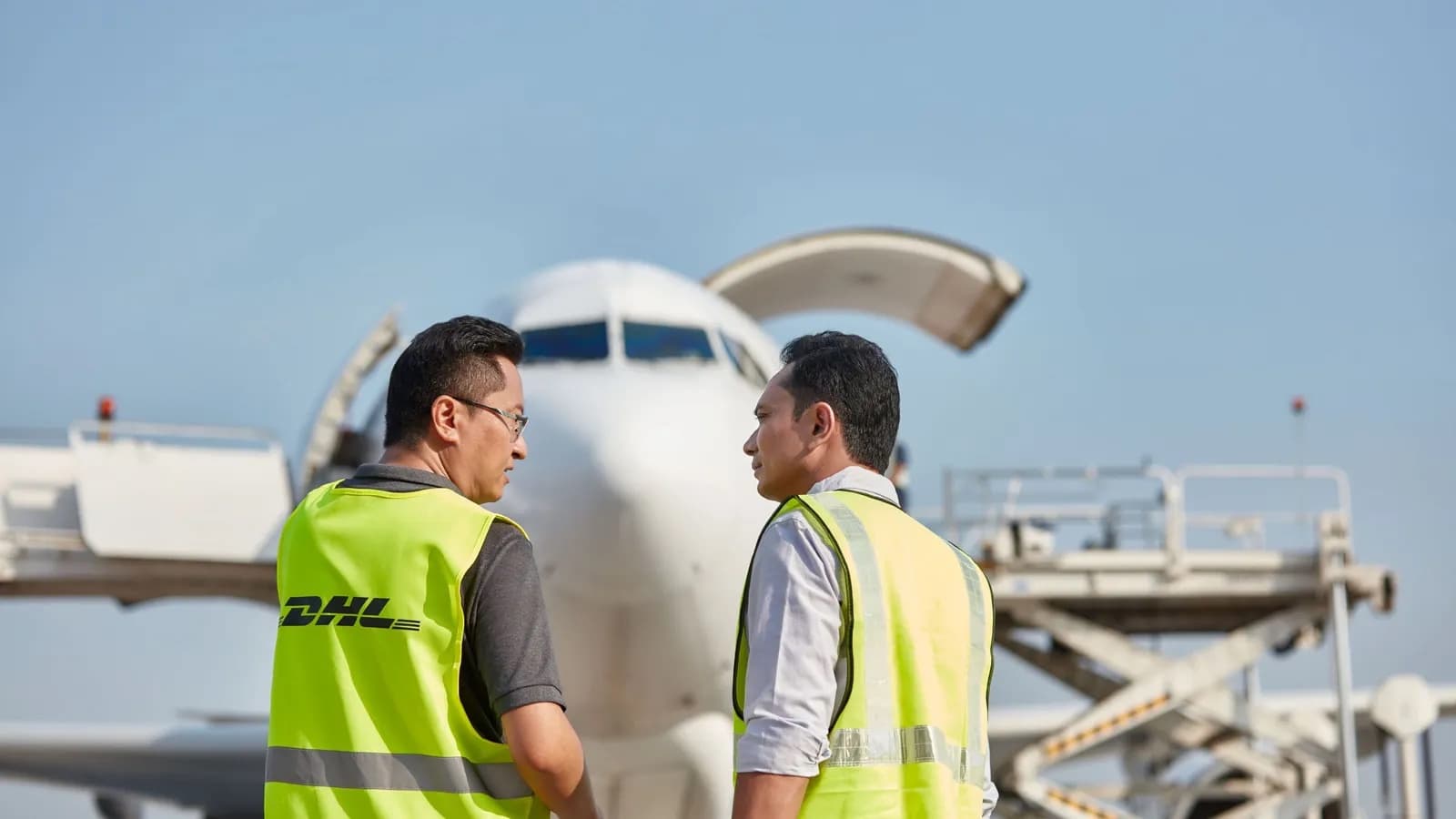
DHL’s Bangkok–Cincinnati Freighter Maps the New Asia–U.S. Air Cargo Story
A thrice-weekly Bangkok–Cincinnati freighter with up to 100 tons per flight shows how AI and semiconductor hardware are reshaping Asia–U.S. air cargo.
4 min · Jul 9, 2026

TSMC’s $265 Billion Arizona Bet Is Really About Packaging the AI Boom
On its July 16 earnings call, TSMC tied a fresh $100 billion Arizona commitment to packaging capacity so tight it is limiting customers’ growth.
4 min · Jul 16, 2026
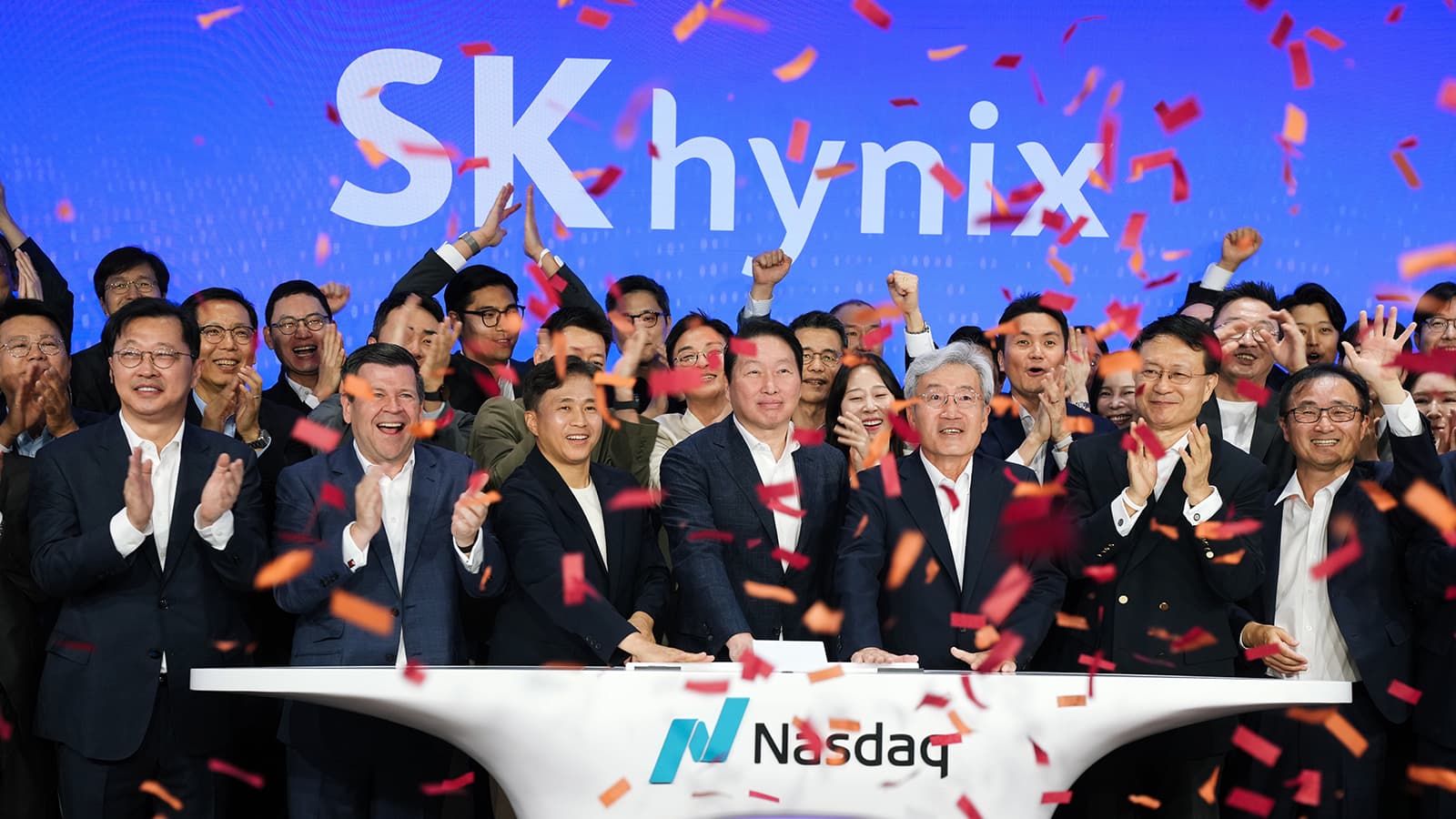
Why SK hynix Shares Are So Volatile After Its Nasdaq Debut
SKHY and Seoul-listed 000660 represent the same chipmaker, but July’s listing structure briefly made them look like different stories.
7 min · Jul 16, 2026
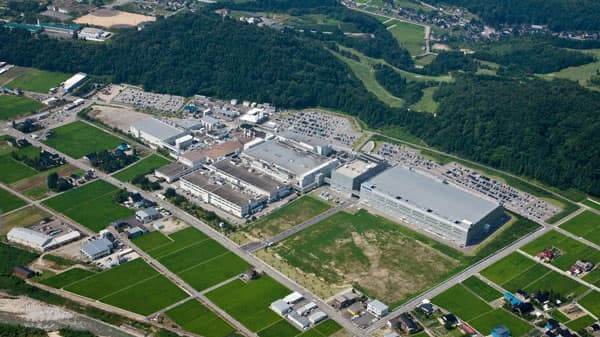
Tower’s $3 Billion Japan Bet Is About Wiring AI, Not Building Another Logic Megafab
Tower’s dual-track Japan expansion puts silicon photonics and SiGe capacity behind AI optical interconnect, with about $3 billion net of roughly $1 billion in Japan grants.
3 min · Jul 23, 2026
Related global reads
Transpacific Bound
DHL’s Bangkok–Cincinnati Freighter Maps the New Asia–U.S. Air Cargo Story
Transpacific Bound
TSMC’s $265 Billion Arizona Bet Is Really About Packaging the AI Boom
East Table
East Asia cold noodles field guide
AsiaMS
K-beauty crosses the $2 billion mark as U.S. household adoption triples
Goldsea
Asia’s 8 most romantic places and the great love stories behind them