
U.S. Investor I Squared Plans Sixfold Expansion of Indonesia’s Cold-Storage Network
Miami’s I Squared Capital is acquiring Cella from Indonesian and Japanese sellers and aims to grow warehouse and cold-storage space from about 231,000 square meters to 1.5 million—physical infrastructure for food, pharma, and grocery delivery across an archipelago economy.
Who I Squared and Cella are
I Squared Capital is a Miami-headquartered infrastructure investor founded in 2012, managing more than $60 billion in assets across power, transport and logistics, digital, environmental, and social infrastructure, with offices from Singapore and New Delhi to London and São Paulo. On August 6, 2026, it said it had signed a definitive agreement to buy Cella, an Indonesian industrial logistics and cold-storage platform, as its entry vehicle into Southeast Asia’s largest economy.
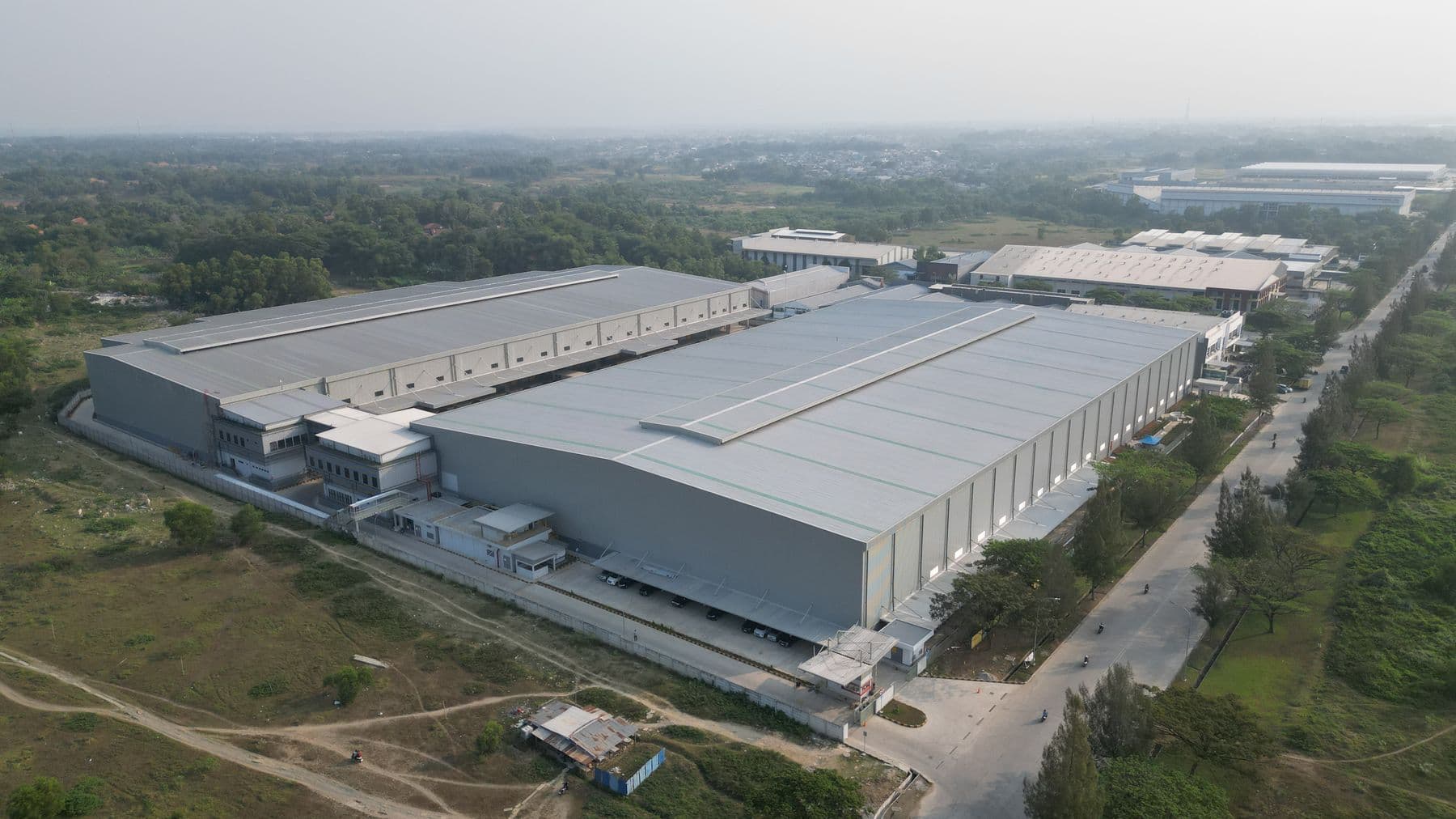
Cella was founded in 2022 and is based in Greater Jakarta. It owns and operates five modern logistics and cold-storage facilities totaling about 231,000 square meters of net leasable area across Greater Jakarta and Surabaya. Senior partner Harsh Agrawal told Reuters the sites are almost fully occupied, serving a mix of multinational and Indonesian customers in e-commerce, third-party logistics, retail, and consumer goods.
The sellers are NWP Property, an Indonesian real-estate platform focused on consumer infrastructure, and CRE, Inc., a Japan-based logistics facility specialist. American capital, a Japanese co-seller, and Indonesian warehouses in one announcement is the transpacific shape of the deal—not a routine local earnings print.
Deal structure and timing
I Squared is acquiring the entire Cella business. Financial terms were not disclosed. Agrawal said the purchase will be funded through the firm’s Growth Markets II fund. Closing is expected in the third quarter of 2026, subject to customary conditions—so the August announcement is a signed path, not a finished change of control.
Management continuity is part of the pitch. CEO Bonny Setiawan and the operating team are expected to stay, which matters when the buyer’s thesis is scaling a local platform rather than importing a foreign operator overnight. Setiawan called I Squared a partner that “deeply understands infrastructure” and shares conviction in Indonesia’s logistics story.
The acquisition also sits inside I Squared’s wider cold-chain and logistics map: Royal Cold Storage in the Philippines, Cube Cold in Europe, and WOW Logistics in the U.S. Midwest. Indonesia becomes another national platform in that portfolio, not a one-off warehouse trade.
The planned sixfold expansion
The headline number is capacity. Agrawal said I Squared aims to grow Cella’s warehouse and cold-storage footprint to about 1.5 million square meters from roughly 231,000 square meters today—about a sixfold increase—over the next four to five years through organic development and strategic acquisitions.
Geography will follow customers. The firm plans to deepen in Surabaya and push into larger cities such as Medan, with new sites guided by supply-chain demand rather than a map drawn only in Miami. That customer-led siting is how infrastructure funds try to avoid empty speculative sheds in the wrong province.
I Squared’s own release frames Indonesia as underpenetrated by institutional logistics capital relative to more mature markets, even as domestic consumption, e-commerce, and manufacturing diversification lift demand for modern facilities. The sixfold target is the operational translation of that thesis—and the part investors should watch after closing, because signed intent is easier than poured concrete.
Why Indonesia needs more temperature-controlled logistics
Indonesia’s consumer economy does not live on ambient warehouses alone. An archipelago of thousands of islands turns fresh food, frozen protein, dairy, seafood, and temperature-sensitive medicine into a multimodal problem: trucks, ports, ferries, transfer points, and power reliability all have to cooperate before a product arrives safe.
Industry summits and logistics research keep repeating the same structural gap: cold storage and reefer transport are growing, yet modern capacity remains uneven, concentrated on Java corridors, and thin where grid quality and inter-island handoffs get harder. Rising middle-class grocery habits and modern retail make the shortage more expensive every year the fridge aisle expands faster than the cold dock.
Institutional platforms like Cella sell a simple promise against that friction—purpose-built, leasable, near-full buildings that blue-chip tenants can treat as reliable nodes. Scaling from five sites to a national network is how foreign capital tries to turn that promise into density.
Food, pharmaceuticals, and grocery delivery
Three demand stacks keep filling cold rooms. Food and seafood need blast freezing, chilled staging, and unbroken temperature records from coast or farm to city distribution. Pharmaceuticals and biologics need compliant cold infrastructure for vaccines and other sensitive products as healthcare distribution modernizes beyond a few metro hubs.
Grocery delivery and e-commerce sit on top of both. Online grocery and quick-commerce platforms only work if chicken, produce, and ice cream survive last-mile heat; 3PLs and retailers then rent the warehouses that make those promises operational. Cella’s published customer mix—e-commerce, third-party logistics, retail, and consumer goods—is exactly that stack, even when individual tenants stay unnamed.
For a transpacific business desk, the point is physical: American fund capital is buying the buildings behind Southeast Asia’s shopping cart and pharmacy shelf, not only the apps that take the order.
Why foreign infrastructure capital is targeting Southeast Asia
Southeast Asia offers the rare combination infrastructure funds like: rising consumption, still-fragmented modern logistics, and platforms small enough to buy and scale. Indonesia’s size makes the bet louder. Agrawal told DealStreetAsia / Reuters that I Squared is looking past short-term investor-confidence noise around policy and growth targets, and investing in the long-run middle-class and logistics need.
Japanese sellers exiting or recycling capital, Indonesian sponsors partnering up, and Miami allocators writing Growth Markets checks is a familiar Asia mid-market pattern. Cold storage also travels well across I Squared’s portfolio logic—once you know how to underwrite refrigeration, power load, and occupancy in one country, adjacent ASEAN markets rhyme.
The strategic read for readers who live between Pacific coasts: this is consumer infrastructure finance. It broadens the business rail beyond chips, tariffs, and airline capacity into the warehouses that decide whether a country’s food and medicine systems can keep up with its apps.
Execution risks: land, energy, and logistics
Six times the square meters means six times the places where projects stall. Land assembly near Jakarta and Surabaya already competes with housing and industry; secondary cities add title, permitting, and local-partner complexity. Refrigerated warehouses are power-hungry; uneven grid quality and electricity cost outside core Java corridors can erase underwriting assumptions that looked fine on a term sheet.
Multi-island logistics compounds the problem. A full cold chain is not only the building—it is reefers, port dwell, ferry schedules, and last-mile handoffs. Occupancy can stay high at five near-full sites and still fall if new sheds open ahead of tenant commitments or in the wrong catchment.
Watch the post-close scoreboard: quarterly capacity adds toward 1.5 million square meters, Medan and other city announcements, power and land timelines, and whether Growth Markets II keeps funding after the first easy expansions. If those lines hold, Cella becomes a case study in how American infrastructure capital underwrites Southeast Asia’s fridge. If they slip, the sixfold headline will look like what it always is until concrete cures—a plan.
Related stories

AI Hardware Is Filling Transpacific Air Cargo to the Ceiling
Xeneta puts Asia–North America dynamic load factors at 90%. May Taiwan–U.S. rates hit $7.02 per kilo. Korean Air’s cargo yield jumped about 42% in the second quarter.
5 min · Jul 24, 2026
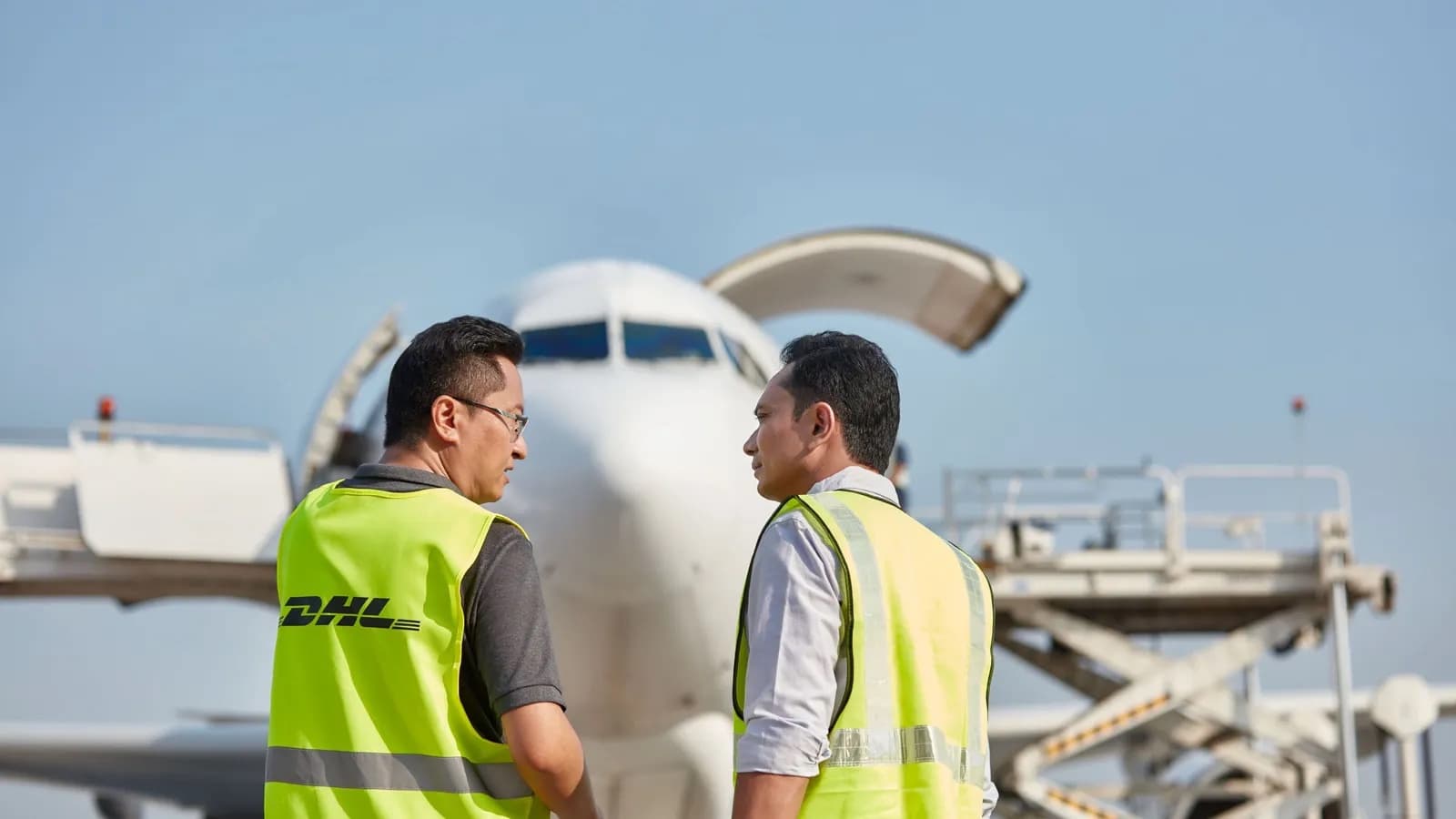
DHL’s Bangkok–Cincinnati Freighter Maps the New Asia–U.S. Air Cargo Story
A thrice-weekly Bangkok–Cincinnati freighter with up to 100 tons per flight shows how AI and semiconductor hardware are reshaping Asia–U.S. air cargo.
4 min · Jul 9, 2026
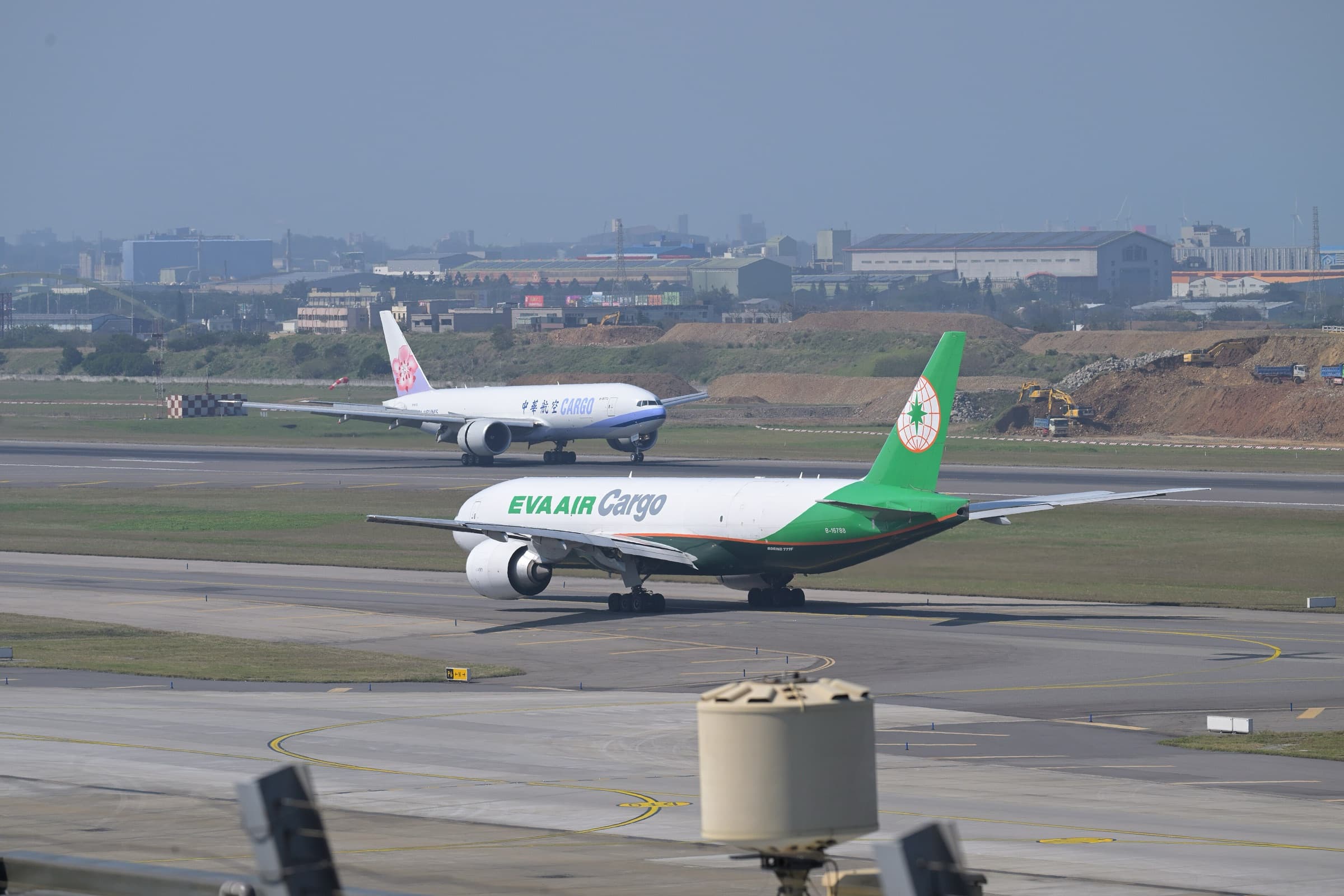
AI Chips Are Redrawing Asia’s Air-Cargo Map
The Jul 29 story is geographic: freighters are being rewired around Taipei, Bangkok, Hanoi, and other chip hubs as e-commerce growth cools.
4 min · Jul 29, 2026
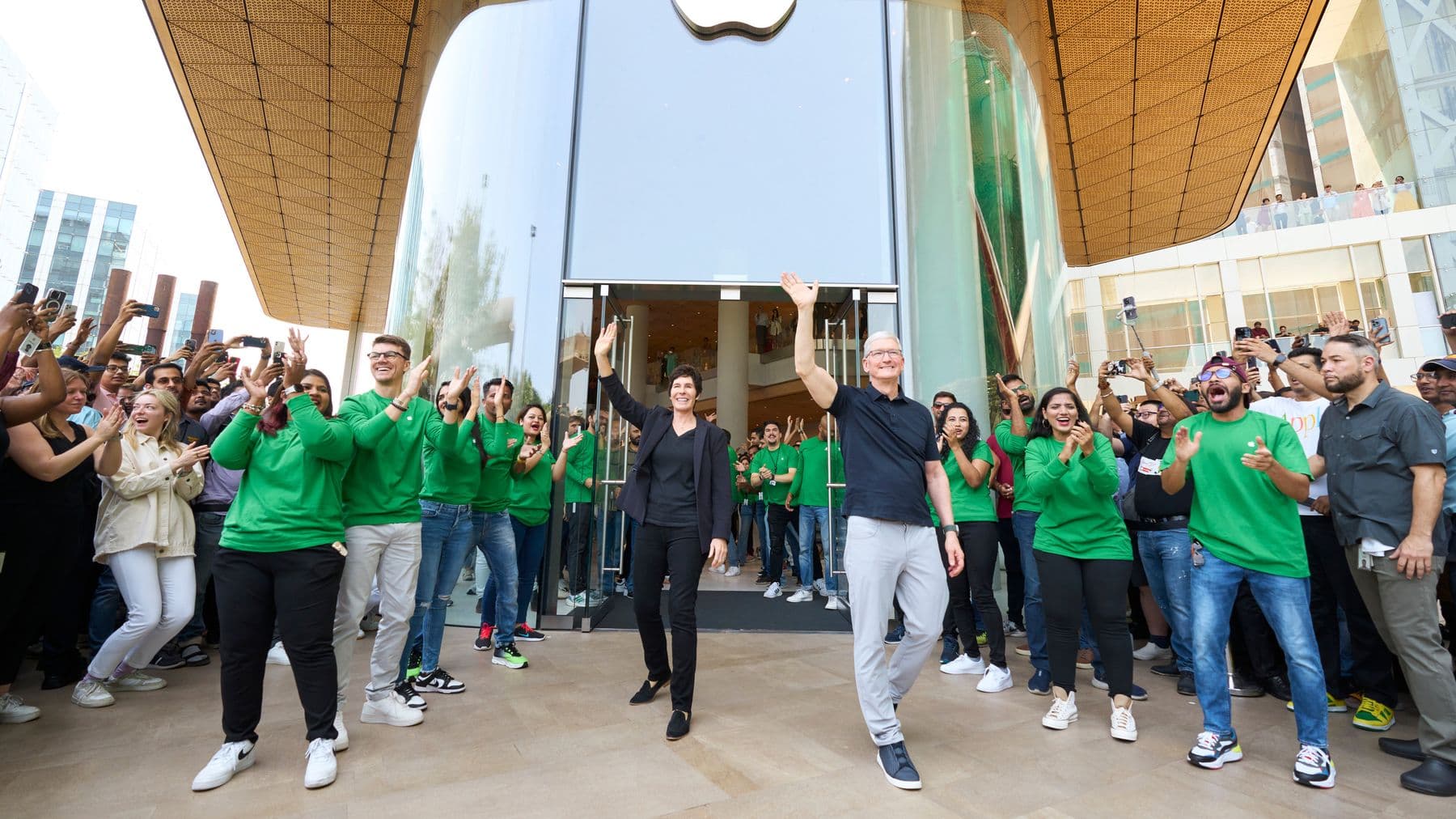
India Proposes 2041 Tax Break as Apple Pushes More of Its Supply Chain Beyond China
A draft Income Tax amendment would extend bonded-zone machinery and parts exemptions to 2041, giving Apple and other electronics brands longer tax certainty as India scales China-plus-one manufacturing.
6 min · Aug 6, 2026