
Foxconn Is Buying Sony’s Automotive Camera Business. Follow the Factory and the Customer Contracts.
Hon Hai’s November 17 announcement puts Rayprus Japan under contract for Sony Semiconductor Solutions’ automotive camera-module unit. The initial price is about ¥7.24 billion. Closing is targeted by the end of April 2027.
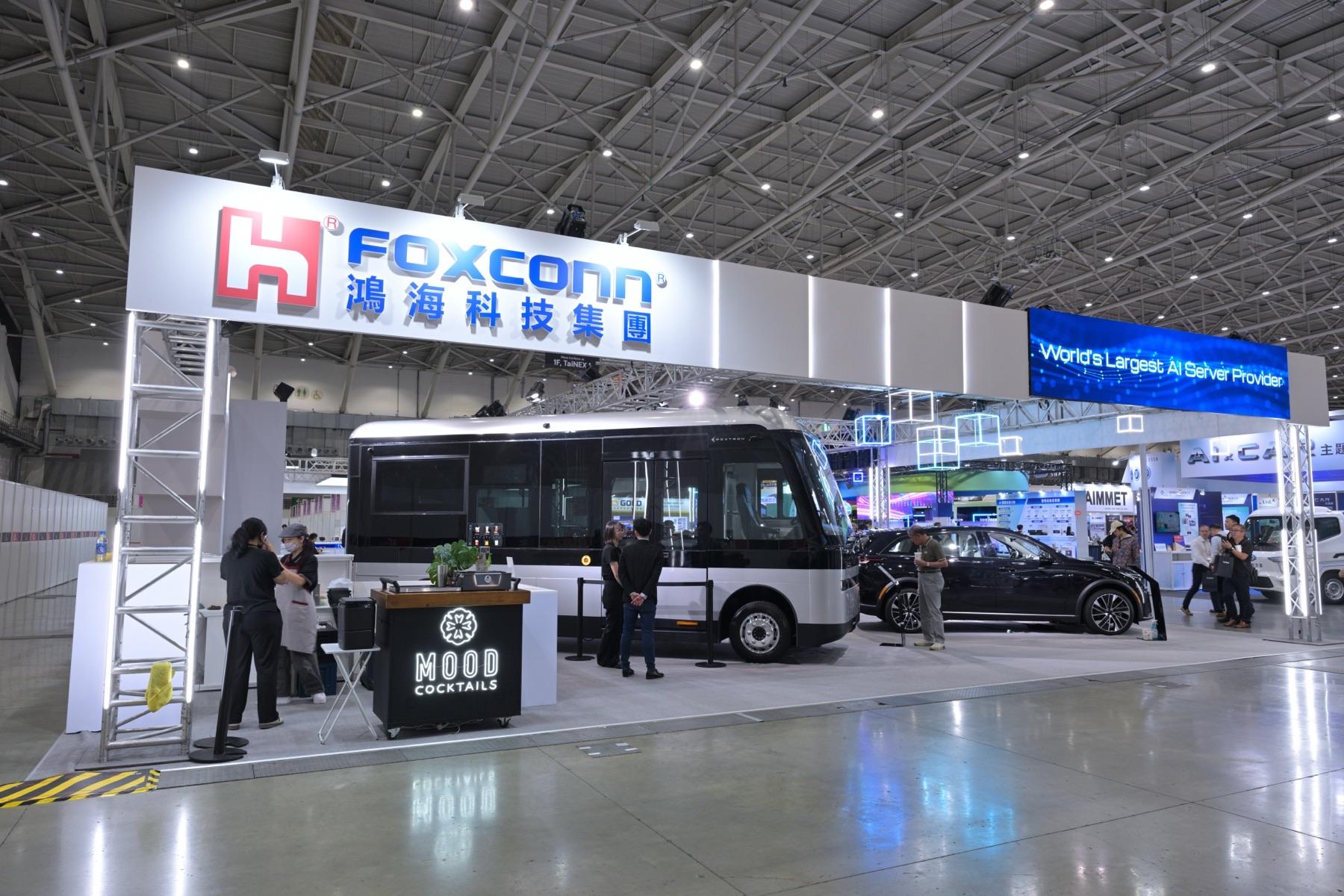
What was agreed on Tuesday
On November 17, Hon Hai Technology Group, the Taiwanese electronics giant better known as Foxconn, said it had signed to acquire the automotive camera-module business of Sony Semiconductor Solutions Corporation. The buyer on paper is Rayprus Japan Co., Ltd., a wholly owned Foxconn subsidiary. Sony Semiconductor Solutions is a wholly owned unit of Sony Group Corporation.
The deal is a Taiwan–Japan industrial transfer that belongs next to Foxconn’s vehicle-electronics push, even in a week dominated by AI-server and chip headlines. The announced scope is camera modules that go into vehicles, along with the operations, technology, customer relationships, and operating resources tied to that line. Foxconn’s Taiwan Stock Exchange filing puts the initial consideration at ¥7.241 billion, about NT$1.45 billion or roughly US$45 million at recent rates, funded from its own capital. Against Hon Hai’s balance sheet, that is a capability purchase more than a balance-sheet event.
Foxconn’s English release is careful about status. The companies are working under a transaction framework agreement. Closing is expected by the end of April 2027, subject to regulatory approvals and customary closing conditions. Tuesday was the signature and the board date. The assets and customers move later, if those conditions are met.
What moves with a camera-module business
A vehicle camera is usually sold to an automaker or a Tier 1 supplier as a finished module: lens, housing, board, and an image sensor assembled into a unit that can be bolted into a bumper, windshield, or mirror. Foxconn says Rayprus Japan is taking the relevant business operations for Sony Semiconductor Solutions’ automotive camera-module line, including technologies, customer relationships, and operational resources. The filing also lists inventories, fixed assets, and intangible assets among the operating assets in scope.
In practice, that means factory know-how, product qualifications, and contracts. Foxconn’s Chinese release says Sony’s module unit has been an important supplier in Japan’s automotive camera-module market and has long worked with Japanese automakers. The English release keeps returning to “direct-to-automaker service experience.” Foxconn already builds camera modules for phones and other information and communications gear. The harder thing to win on its own has been those automotive customer relationships and process credentials.
Every building and every pallet does not automatically transfer with the signature. Foxconn says the initial ¥7.24 billion figure excludes other assets still under discussion, including relevant overseas production equipment and inventory. If those transfer later, Hon Hai says it will announce again. Until then, track two files: the customer book the framework agreement intends to move, and the overseas factory assets that are still being negotiated.
What Sony is not selling in this announcement
The agreement covers the automotive camera-module business. Foxconn’s materials do not announce a sale of Sony Semiconductor Solutions as a company, and they do not say Sony is transferring its automotive CMOS image-sensor product line. Sony Semiconductor Solutions still markets image sensors for automotive use on its own product pages. Treat sensors as outside the announced scope unless a later filing says otherwise.
The commercial split is straightforward. Module assembly is where high-volume manufacturers compete on cost, yield, and logistics. Image sensors are the higher-value silicon many carmakers still specify by brand. Foxconn is buying a path to the carmaker purchasing desk for finished modules. On the public record of this deal, Sony is not saying it is leaving automotive imaging silicon.
After closing, Foxconn expects Sony’s relevant overseas entities to keep operating for a transitional period and to support continuity of customer service. That is a handover plan. It does not prove that every overseas plant is already inside the ¥7.24 billion figure.
How this fits Foxconn’s vehicle-electronics push
Foxconn has spent years telling investors it wants a larger share of automotive electronics and smart mobility, from contract manufacturing for electric vehicles to components closer to the carmaker’s bill of materials. Camera modules for advanced driver-assistance systems fit that pitch. The company already designs and integrates camera modules for consumer electronics. More new vehicles now carry several cameras for parking, lane keeping, and automatic emergency braking. Foxconn’s Chinese release cites industry growth statistics for modules over the next decade. Treat that as the company’s framing. It is not an independent forecast to build a model on.
What Foxconn still needed was the automotive customer interface. Phone-module work does not automatically win a Japanese automaker’s camera program. Buying a supplier that already ships into those programs shortens the path, if regulators clear the deal and customers stay. Watch how Rayprus Japan staffs the transferred teams, and whether Japanese automakers keep dual-sourcing modules during the transition.
At about US$45 million, the disclosed price buys a foothold and a customer book. It does not buy a new megafactory on its own. The overseas equipment still under discussion is where the manufacturing footprint could grow. Until that annex is priced, leave a full global plant transfer out of the model.
What to watch before you call it done
Three published steps would change the story. First, regulatory clearances in the countries that must approve the transfer. Second, a closing notice by the end of April 2027, or a delay notice if conditions slip. Third, any follow-on announcement that sets the final purchase price and says which overseas production equipment and inventory actually moved.
Until those land, treat Tuesday’s release as an agreed transaction with an incomplete asset list. Suppliers downstream of Sony’s module line should ask which entity will invoice them after close and who holds the automotive quality certificates during the transition. Investors should keep the deal out of “closed” models until Hon Hai confirms completion.
The Taiwan–Japan substance is the customer contracts and the factory question moving on related but separate clocks. Follow both until the closing notice and the final price are public.
Related stories
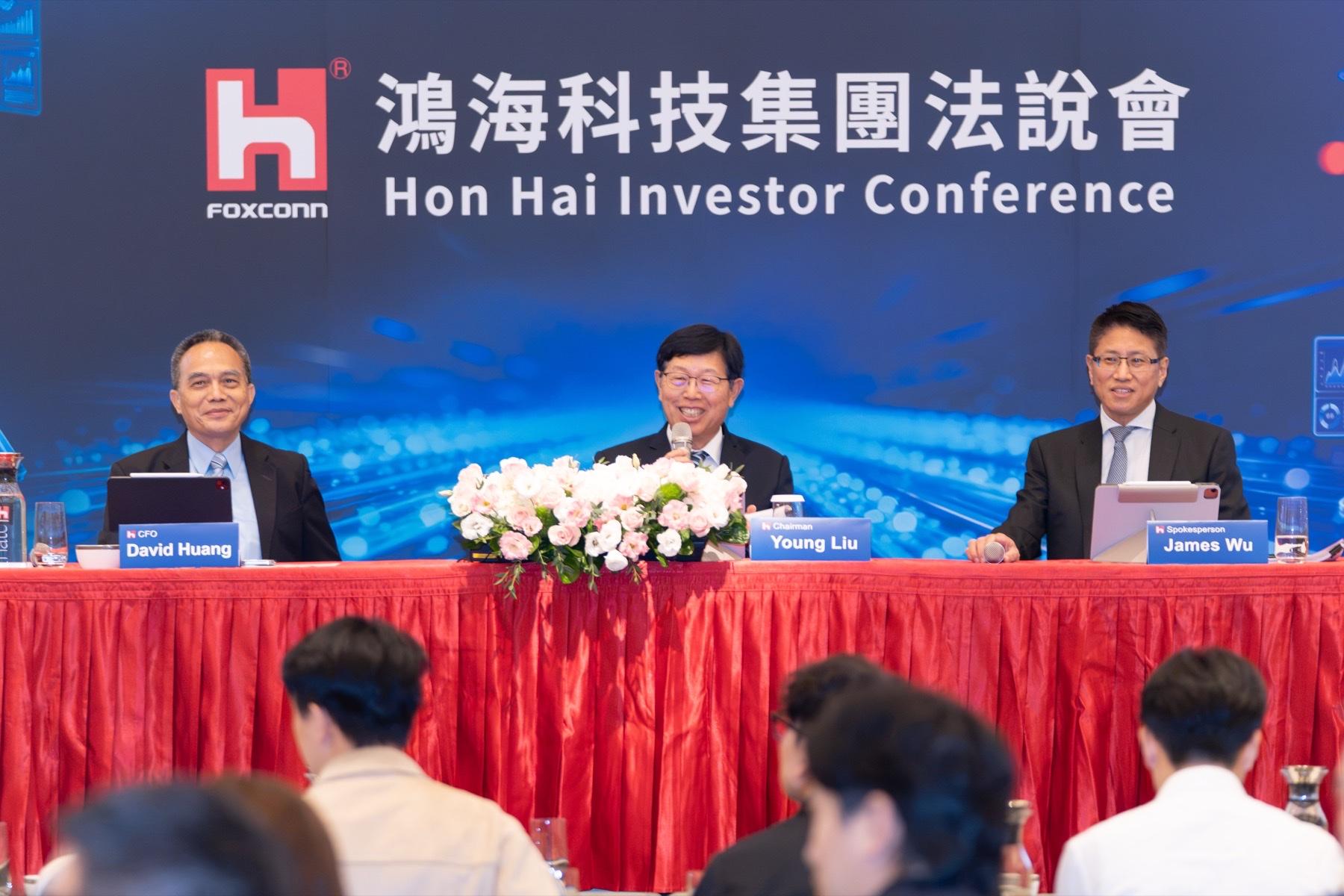
Foxconn’s Profit Jumps 34%, and It Warns of Tight Supply. Where Are the Bottlenecks?
Net profit hit NT$77.5 billion. Liu’s squeeze is chips and memory, while the order book still looks full.
7 min · Nov 12, 2026

The U.S. Chip Curbs Reach Southeast Asia. What Does a Malaysian Data-Centre Project Have to Recheck?
From Nov. 19, advanced U.S. chips into Malaysia need a license unless a U.S.-headquartered buyer meets reporting rules. Separate controls hit data centres that give significant compute to China-linked tenants. Check both on the same order.
7 min · Nov 17, 2026

BYD, Boeing, Baidu and Google Are Heading to Shenzhen. What Can Companies Learn From the APEC Meetings?
CEO Summit Nov. 17–18; leaders Nov. 18–19. Watch for orders, joint ventures, clearing progress, and leaders’ annexes with calendars.
7 min · Nov 16, 2026
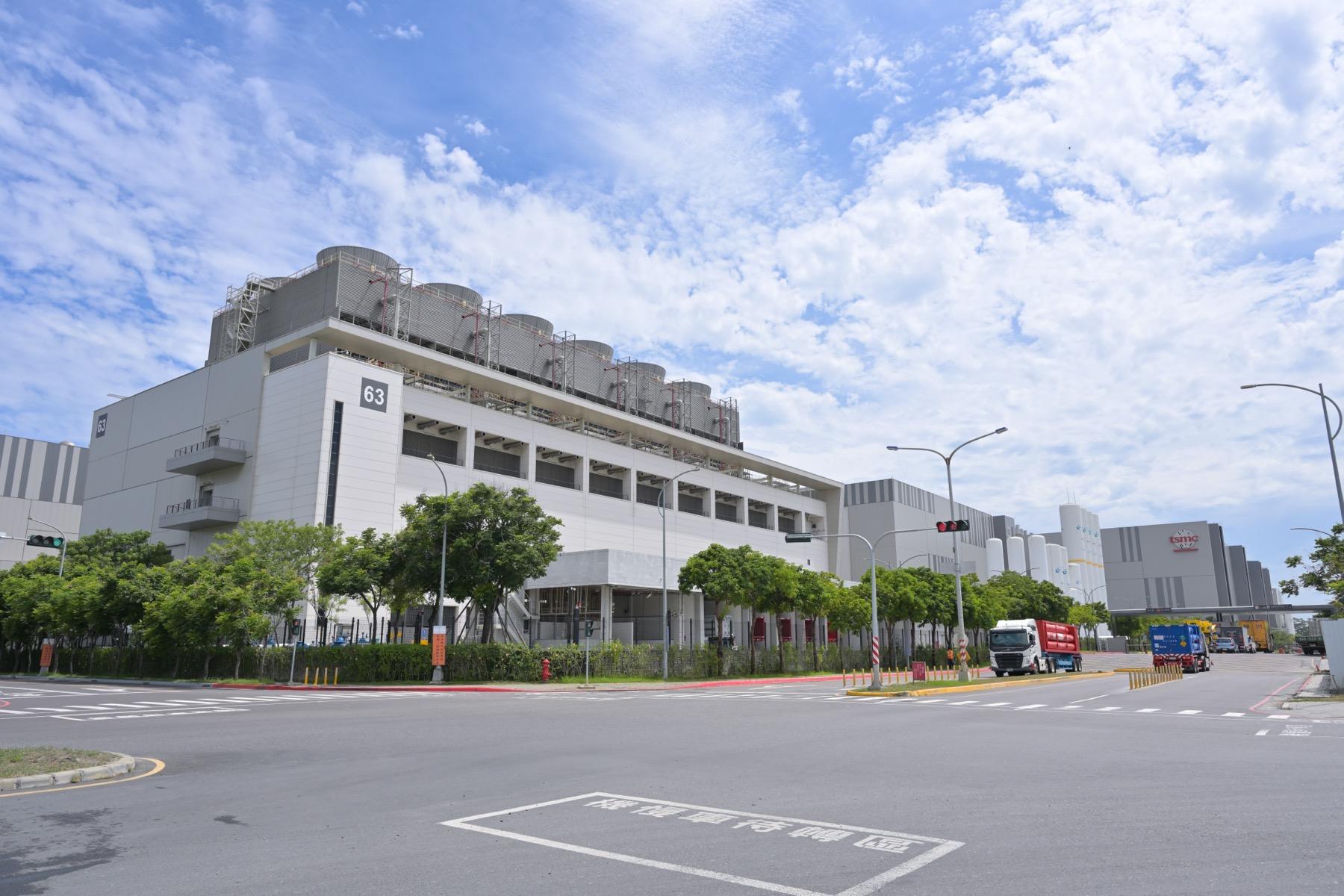
TSMC’s October Sales Jump Shows the Scale of Taiwan’s Chip Boom
TSMC’s October revenue hit a record NT$586.89 billion, up 59.7 percent year over year. The print fits a hot quarter. It still leaves the customer mix blank.
7 min · Nov 10, 2026
Related global reads
Transpacific Bound
Foxconn’s Profit Jumps 34%, and It Warns of Tight Supply. Where Are the Bottlenecks?
Transpacific Bound
The U.S. Chip Curbs Reach Southeast Asia. What Does a Malaysian Data-Centre Project Have to Recheck?
East Table
East Asia cold noodles field guide
East Table
Japan food consumption tax cut
Medalist News
How Japanese football became a Europe export