
The U.S. Chip Curbs Reach Southeast Asia. What Does a Malaysian Data-Centre Project Have to Recheck?
Walk a hypothetical server order through the Bureau of Industry and Security’s new rule: who buys the chips, where they are installed, and who gets the computing capacity. Match each answer to the published text before you change a purchase order.
What the rule actually does
On Monday, the U.S. Commerce Department’s Bureau of Industry and Security released an interim final rule, “Addressing Remote Access to Advanced Semiconductors.” The public-inspection copy is scheduled for Federal Register publication on Thursday, November 19, 2026, and takes effect that day.
For a Malaysian data-centre project, the rule does two jobs at once. It adds a destination license for exports, reexports, and in-country transfers of certain advanced semiconductors (Commerce’s “super intelligence,” or SI, chips) to or within Malaysia, and the same for Singapore, Indonesia, Thailand, and Brazil. It also adds an end-use control on data centres anywhere that provide significant computing capacity to companies headquartered in Macau or in Country Group D:5, the arms-embargo list that includes China. The same package formally rescinds the Biden-era AI Diffusion framework, so older country tiers from that file no longer apply.
The hardware in scope sits under Export Control Classification Numbers 3A090 (except 3A090.c), 4A090, and related software, technology, and .z paragraphs spelled out in the rule. Commercial recommender systems of the kind used by online retailers and social platforms get a carve-out. For everything else on an AI campus, the Federal Register text is the checklist.
A hypothetical server order
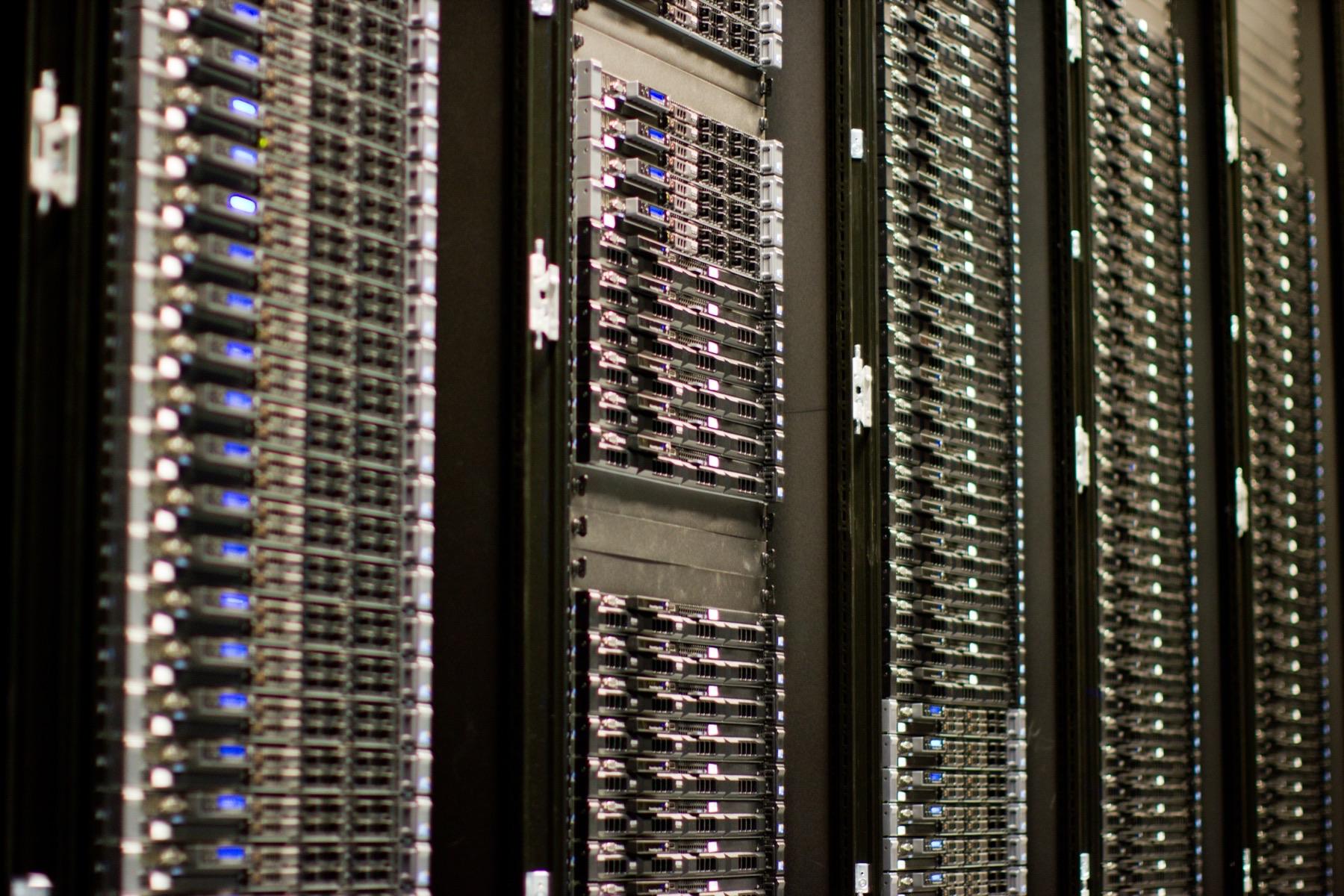
Picture one order. A Johor campus wants a tranche of AI servers that contain U.S.-origin accelerators under those ECCNs. The boxes clear into Malaysia, go into a new hall, and sell capacity to tenants.
The rule turns on three facts about that shipment: who is the ultimate consignee or end user buying the chips, where the items are installed or later transferred, and who can use the computing power once the racks are live. Write those answers in plain language before anyone rewrites a vendor quote, then match each one to a paragraph in the interim final rule. If a step does not match, stop and call counsel. A similar campus down the road is not a substitute for that check.
Who buys the chips
The Malaysia destination license does not apply when the semiconductors are destined to an ultimate consignee or end user headquartered in the United States, or whose ultimate parent company is headquartered there, if the reporting requirements in new section 743.10 are met. That is the path U.S. cloud hyperscalers and other U.S.-parented buyers will use. It is not automatic. The exclusion depends on headquarters and parentage, plus the report. A Malaysian special-purpose vehicle with no U.S. parent does not qualify because marketing copy says the building is “for” a U.S. brand.
Name the legal buyer on the commercial invoice and the end user on the export paperwork. If both are U.S.-headquartered, or the ultimate parent is, pull the section 743.10 fields from the Federal Register text and confirm who files them. If the buyer is a Malaysian operator, a non-U.S. regional holding company, or a joint venture whose ultimate parent sits outside the United States, treat the destination license as required for the export, reexport, or in-country transfer. Applications for the five countries are reviewed case by case, including how well the destination’s own export controls work and how it cooperates with U.S. authorities.
Where the chips are installed
Malaysia is on the destination list. Putting covered items into a Malaysian hall, or transferring them in-country between Malaysian entities, is the activity that control describes. Shipments into Singapore or Thailand face the same gate. Brazil and Indonesia round out the five.
Where the boxes sit is separate from who rents the capacity. A U.S.-parented buyer that clears the destination exclusion still has to say which legal entity will possess the racks and whether any later in-country transfer changes the parties. The rule watches transfers after the first landing. Buy under a U.S. end-user story, then move the racks to a non-qualifying affiliate inside Malaysia, and the destination license is back on the table.
Pin the site: state, park, and the entity that will hold the items. If the project links halls in Johor and across a border, note the network connection. Digitally linked data centres count together when you measure compute access.
Who gets the computing capacity
The remote-access control is the second track. You may not knowingly export, reexport, or transfer the covered items for use in a data centre that will provide access to more than 12 million aggregate total processing performance, at one facility or through linked data centres, to or for companies headquartered in Macau or Country Group D:5, or whose ultimate parent is headquartered there. “Linked” includes digitally linked infrastructure, not only buildings on one plot. Tech reporting has put 12 million TPP at roughly the peak power of about 750 Nvidia H100 or H200 accelerators; treat that as scale, and ask counsel for the manufacturer’s TPP figures on your exact boards. Ordinary recommender workloads sit outside if they meet the rule’s definition.
If a data centre was already providing that level of compute to such companies before the rule’s publication date, it has 90 days from the effective date to obtain a license if it wants to continue. Owners, operators, and parties that make later transfers are expected to run know-your-customer checks on direct or indirect ownership or control by persons in D:5 or Macau. A tenant that will not answer ownership questions is a red flag the exporter is expected to resolve.
List the tenants that will touch the new racks in the first year, and any linked capacity they can already reach elsewhere in the portfolio. If a China-headquartered AI customer, or a parent in D:5, would push the linked total over the line, the end-use license is the issue even when the original buyer was a U.S. hyperscaler.
What to recheck this week
Put the three answers in the order file. Confirm ECCN classifications with the vendor. Confirm headquarters and ultimate parent for the buyer and end user against section 743.10 if you plan to use the U.S. exclusion. Confirm the Malaysian possession entity and any planned in-country transfers. Confirm tenant ownership and whether linked capacity to D:5 or Macau customers will cross 12 million aggregate TPP. If an existing China-linked service already sits above that line, mark the 90-day license window from November 19.
Johor’s construction pipeline and U.S.-backed campuses may keep moving. That is market context. It does not replace a license determination. Match the order to Thursday’s text before the next advanced-chip purchase leaves the building.
Related stories
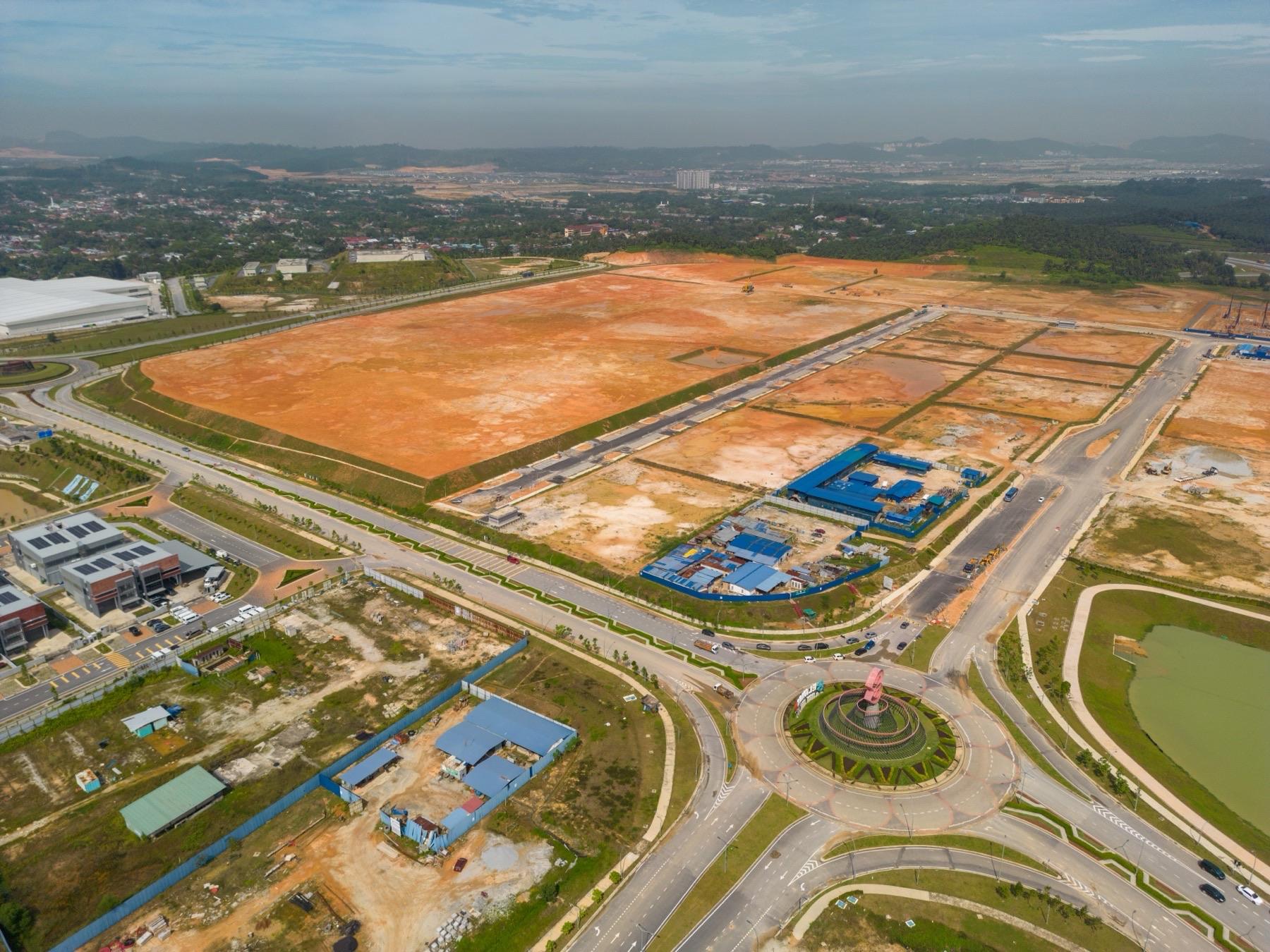
A U.S. Tax Threat Just Entered the Budget for Overseas Data Centers
Trump said he would tax U.S. firms that build data centers overseas, and admitted he had not briefed his staff first. No rate or bill exists yet. Owned Asian campuses sit closest to the words he used.
7 min · Nov 20, 2026
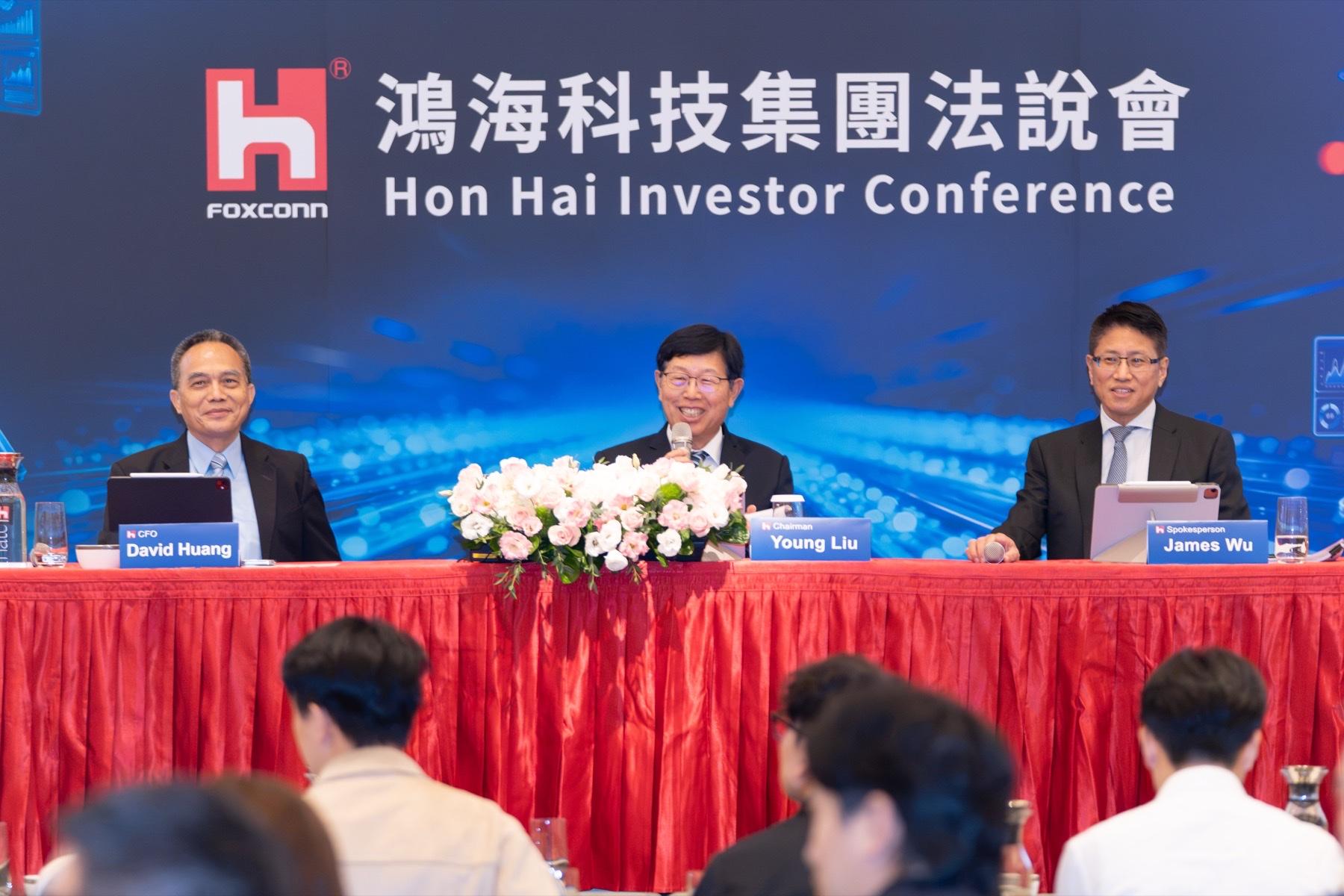
Foxconn’s Profit Jumps 34%, and It Warns of Tight Supply. Where Are the Bottlenecks?
Net profit hit NT$77.5 billion. Liu’s squeeze is chips and memory, while the order book still looks full.
7 min · Nov 12, 2026
Oracle Scrapped the Tencent Chip Lease
The servers were supposed to sit in Southeast Asia. The pressure still landed on a U.S. cloud company.
6 min · Nov 4, 2026
Korea’s Early-November Exports More Than Doubled. How Much Was the Calendar?
Headline growth more than doubled. Daily-average growth was still near 98 percent, and chips did most of the dollar jump. November’s later releases will give a cleaner read.
6 min · Nov 13, 2026
Related global reads
Transpacific Bound
A U.S. Tax Threat Just Entered the Budget for Overseas Data Centers
Transpacific Bound
Foxconn’s Profit Jumps 34%, and It Warns of Tight Supply. Where Are the Bottlenecks?
At the Banquet
The Banquet guide to Hong Kong
At the Banquet
Three nights at Rosewood Hong Kong
East Table
East Asia cold noodles field guide