
Pacific People
Before Grab, Tan Hooi Ling Texted Her Mother Every Landmark Home
She and her mother ran a manual GPS for late Kuala Lumpur taxis. At Harvard she and Anthony Tan turned that fear into MyTeksi. Grab still opens the door across Southeast Asia; she now sits on boards from Wise to Sonova.

Late nights at McKinsey in Kuala Lumpur, Tan Hooi Ling did not trust the street hail. She and her mother built what she later called a manual GPS. Feature phones, no map pin. She texted the taxi’s plate and the driver’s name, then pinged again at fixed landmarks so someone at home knew how close she still was.
“Every single night, she would sleep in front of our couch waiting for me,” she told Bloomberg’s Emily Chang. At the time, she has said, searching for the world’s worst taxis put Kuala Lumpur near the top for pages. That worry was the brief long before there was an app.
She was born in 1983 and raised in a middle-class Malaysian household, her father a civil engineer and her mother a stockbroker. She is now a Singapore citizen. Public school ran in Bahasa Melayu; she has said her English really landed at the University of Bath, where she studied mechanical engineering. McKinsey hired her as a business analyst. Harvard Business School came next. In a second-year class called Business at the Base of the Pyramid, she sat next to Anthony Tan, no relation, whose father ran Tan Chong Motor. They wrote a plan for a mobile app that would connect riders with the nearest taxi in Malaysia’s chaotic urban traffic. In 2011 the plan took runner-up in the HBS New Venture Competition. Judges, she later said, thought Southeast Asia was too small a market. They took the prize money, plus early capital that included Anthony’s mother, and launched MyTeksi in June 2012.
She could not stay full-time at first. McKinsey had sponsored her education; she still owed the firm a bond. She went back to consulting, then to Salesforce in San Francisco, while Anthony built the company on the ground. She rejoined full-time in April 2015 as chief operating officer: product, people, customer experience, the parts of a ride that decide whether a stranger’s car still feels like a bet. The company rebranded as Grab, pushed beyond Malaysia, and stacked food delivery, packages, and payments onto the same phone icon travelers now open without thinking.
Anthony stayed the public face and group chief executive. Her lane was quieter: how a midnight pickup felt, how a partner-driver got paid, whether a food order failed in a way a traveler could fix. Through the late 2010s Grab fought Uber across the region, then absorbed Uber’s Southeast Asian ride and food business in a 2018 deal that remade the map. Grab listed in the United States in December 2021 through a SPAC. She took a board seat at the listing.
Alex Hungate became chief operating officer in January 2022. She moved to lead technology and corporate strategy and to mentor the next engineering and product chiefs. In May 2023 Grab announced she would leave operating roles and her board seat by year-end. A company filing set the board exit for 31 December 2023 and a two-year advisory agreement from 1 January 2024. She remains a co-founder in Grab’s telling. She has said she is an adventurer at heart and had put other passions aside to build the company.
Those passions now include board seats. She has been a non-executive director at Wise, the cross-border money company formerly known as TransferWise, since June 2021. In January 2025 she joined Endeavor’s global board, the nonprofit that backs entrepreneurs. On 16 June 2026, shareholders of Sonova Holding AG, the Swiss hearing-care group behind brands such as Phonak, elected her as an independent director; she chairs the board’s Technology and Innovation Committee.
In Bangkok, Jakarta, Ho Chi Minh City, Manila, Singapore, or Kuala Lumpur, opening Grab is how a trip moves between hotel, night market, and airport road: a shared location, a plate you can see before the door opens, a fare that does not become a negotiation in the dark. Her mother used to wait up for texts. The app is what that worry became when it scaled.
Related stories
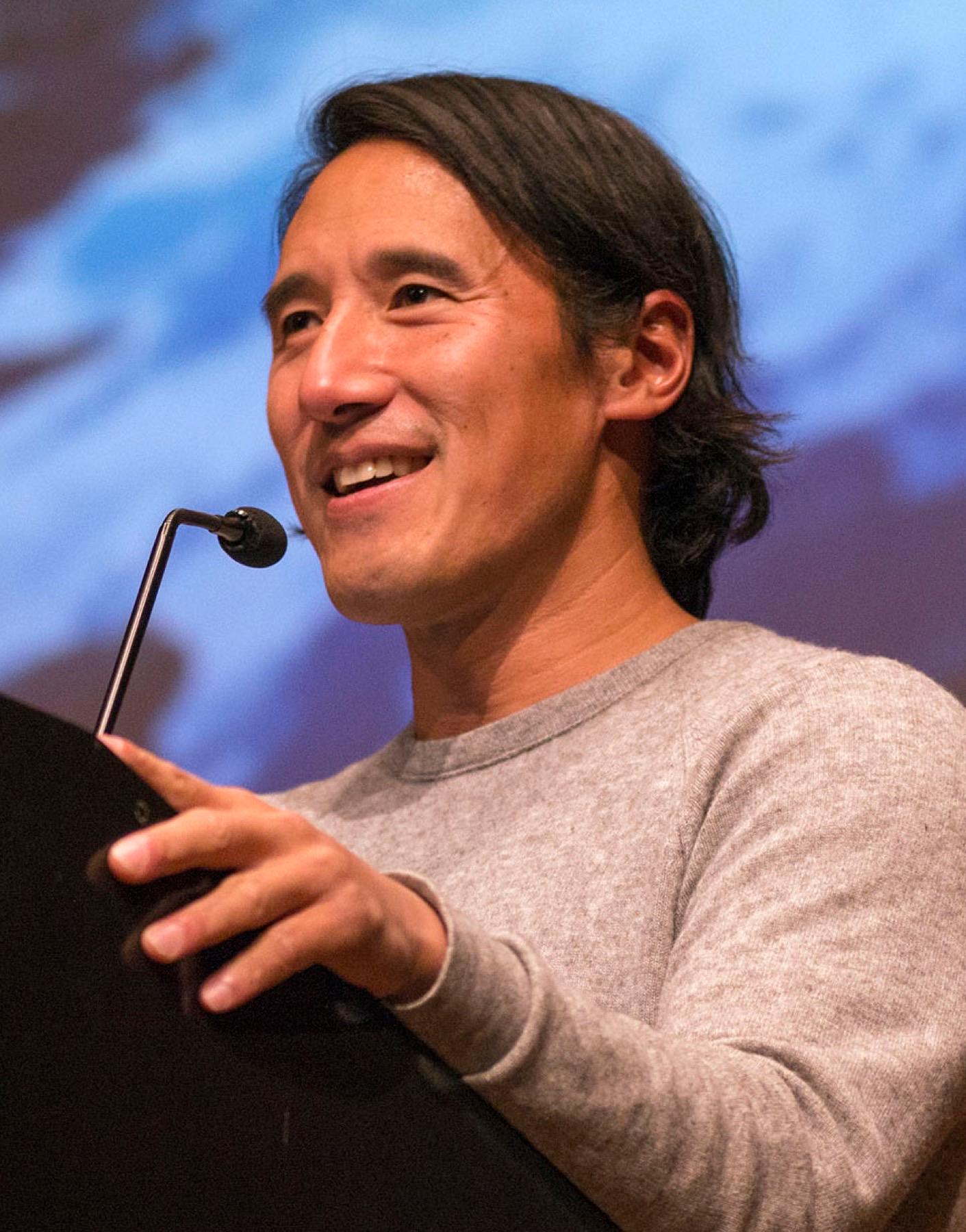
Jimmy Chin’s Parents Needed a Magazine Before They Believed the Climb Was a Job
Jimmy Chin grew up reading in flat Minnesota, then lived in a car to climb. Everest got headlines. The breakthrough at home was a magazine his parents could hold.
8 min · Nov 10, 2026
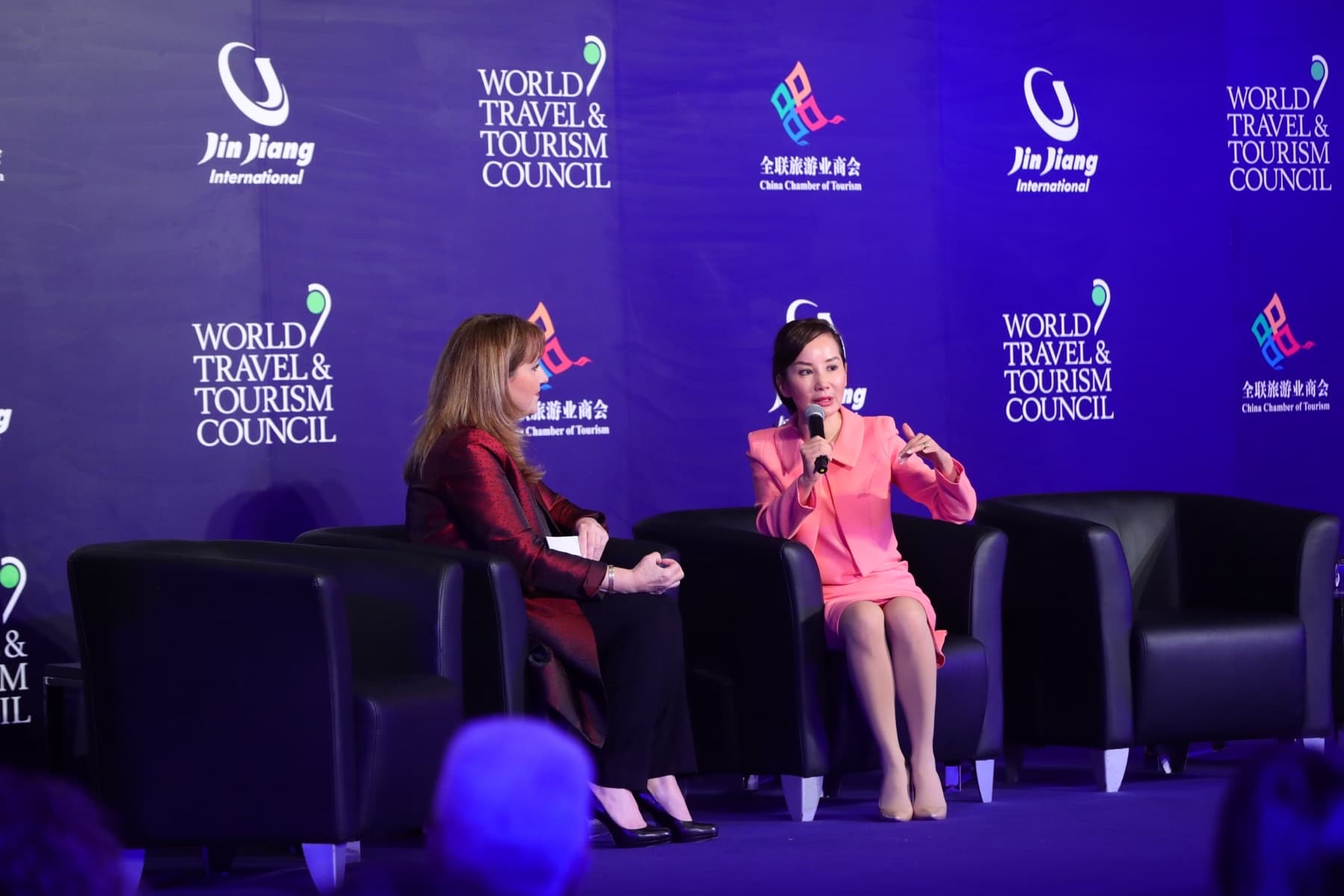
Jane Sun Crossed the Pacific, Then Bought the Search Bar
Jane Sun learned American public-company language in Silicon Valley, then spent twenty years making Ctrip—later Trip.com Group—legible far beyond China. This summer she also absorbed China’s first online-travel antitrust penalty.
8 min · Aug 17, 2026
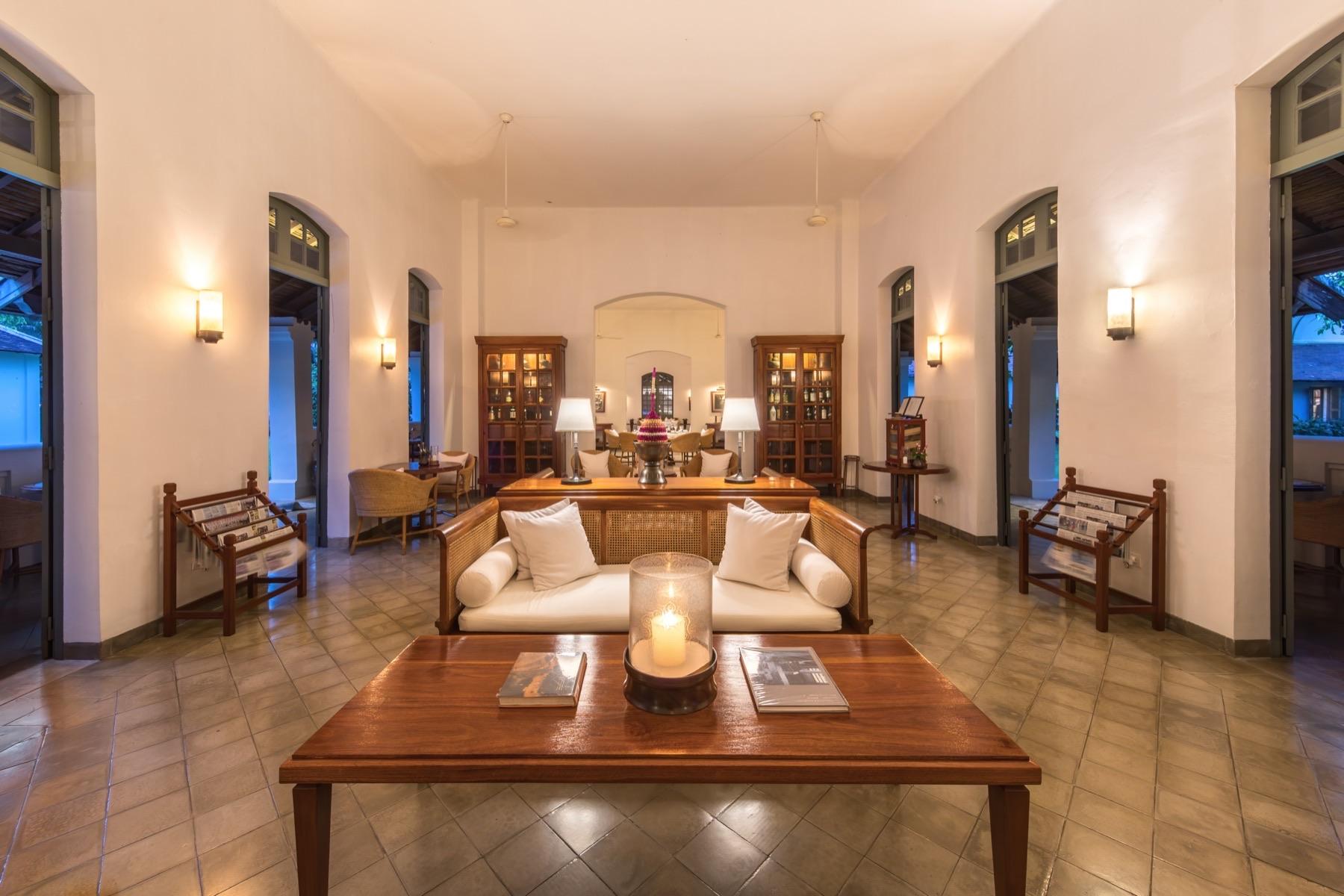
Adrian Zecha Keeps Opening Hotels Too Small for the Old Rule
Adrian Zecha founded Aman, left it, then kept building. Azuma Farm Koiwai is the latest small hotel from a man who never trusted the five-hundred-room rule.
8 min · Nov 10, 2026
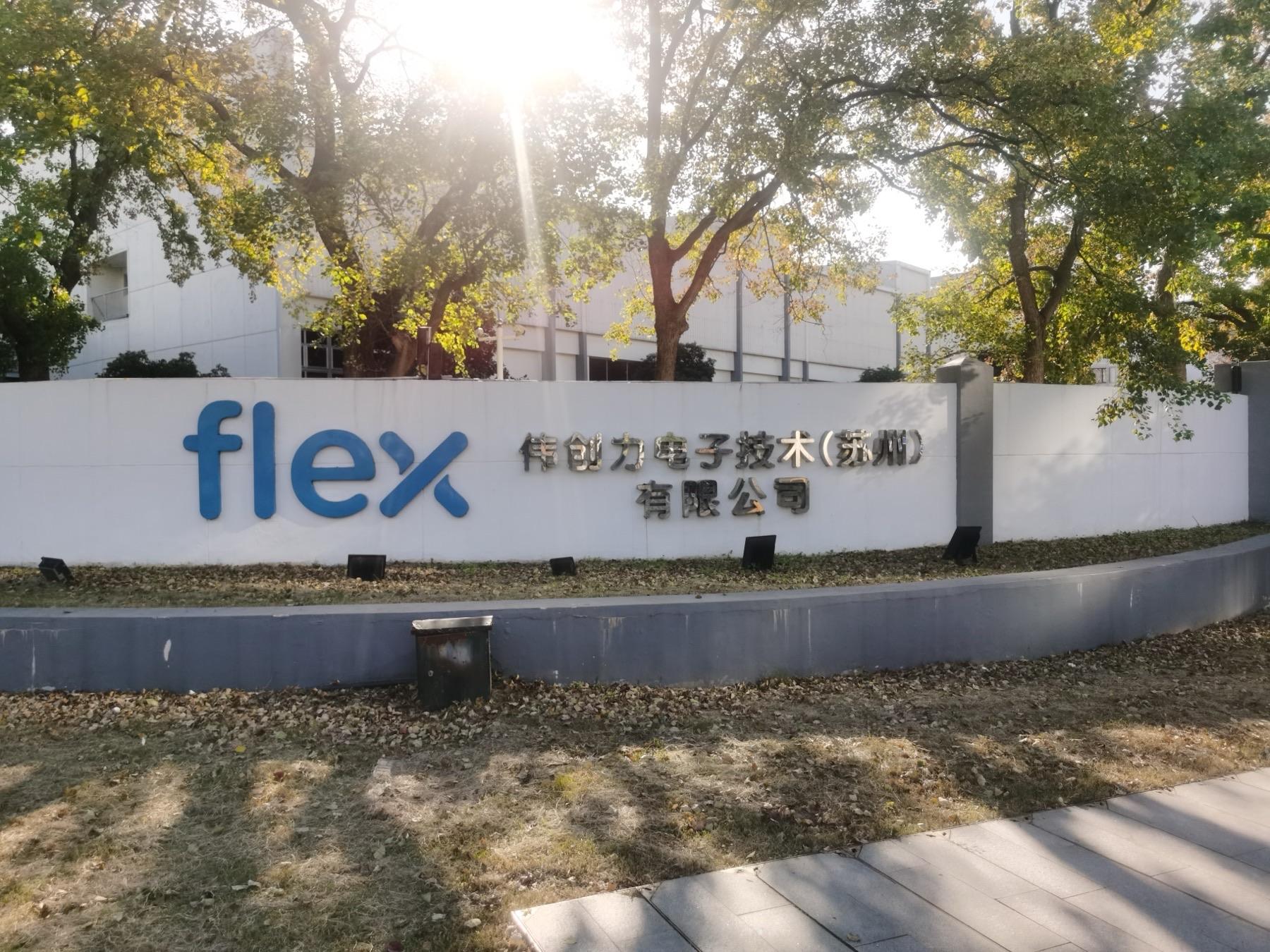
Singapore’s Deep-Tech Startups Are Building in China and Selling Toward America
Xnergy, Quikbot, and Quantified Energy build inside China’s clusters and look to America for better invoices. Surviving Shenzhen is the easy half of the sentence.
7 min · Nov 9, 2026
Related global reads
Transpacific Bound
Jimmy Chin’s Parents Needed a Magazine Before They Believed the Climb Was a Job
Transpacific Bound
Jane Sun Crossed the Pacific, Then Bought the Search Bar
At the Banquet
The Banquet guide to Singapore
At the Banquet
What a decade of Michelin Singapore actually measures
Goldsea
Asia’s 8 most romantic places and the great love stories behind them