
Kyoto Wants Visitors to Pay More at Nijo Castle—and on the City Bus
From next spring’s fiscal year, Kyoto aims to charge outsiders about ¥2,000 at Nijo Castle and ¥360 on many city buses, while cutting the resident ticket and fare. The prices are not live yet.
Article
Kyoto travelers already know the scene: a packed city bus pausing for temple-hoppers, and a local trying to get to work behind them. On October 1, Mayor Koji Matsui told the municipal assembly the city wants visitors to pay more for that kind of ride, and for Nijo Castle too.
The plan, covered the same day by Kyodo News and Japanese papers including Sankei and Nikkei, would introduce dual pricing in fiscal 2027, Japan’s April-to-March budget year, for the castle and for municipal bus fares. Residents would pay less. Everyone else would pay more.
You will not see those fares on an autumn 2026 trip. Castle changes are headed to an ordinance vote in November. Bus dual pricing still needs national transport approval. The numbers below are what the city is proposing now.
A castle ticket, doubled for outsiders
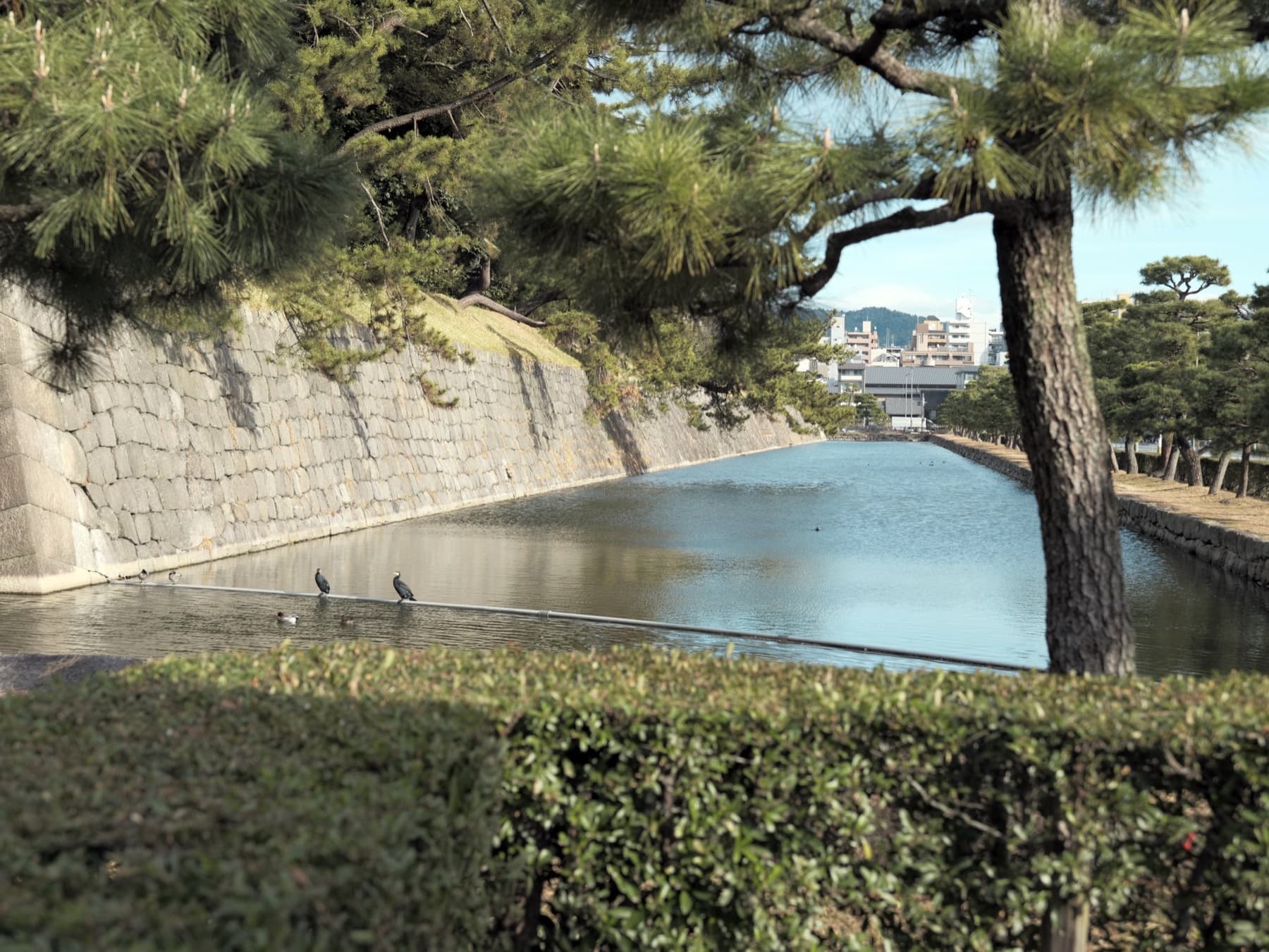
Nijo Castle is the Tokugawa shogunate’s old Kyoto residence, a UNESCO site the city itself manages. The adult ticket most people buy, grounds plus Ninomaru Palace, is ¥1,300 today.
Matsui’s outline would drop that to about ¥1,000 for Kyoto City residents and raise it to about ¥2,000 for visitors from outside the city. Roughly seven hundred yen more than now for a tourist; a small discount for locals who almost never show up. Kyodo reported about 2.07 million visitors in fiscal 2025, and a limited fall survey that put residents at roughly 2 percent of the gate. City officials want the extra visitor money for palace conservation, and they hope a cheaper local ticket might lure Kyoto people back inside.
Himeji Castle, another World Heritage keep in Hyogo Prefecture, already did a version of this in March: ¥2,500 for nonresidents, ¥1,000 for Himeji adults. Kyoto is following that logic. Ask people who do not vote here to carry more of the repair bill.
Where the day actually gets expensive
The bus is the sharper change.
In Kyoto’s flat-fare zone, a ride costs ¥230 now. The dual-price sketch would make it ¥200 for residents and ¥360 for everyone else. Sankei and Nikkei say city officials call this Japan’s first big dual-fare experiment on public transit framed around overtourism. Locals have been saying sightseeing crowds turn ordinary school, hospital, and office runs into a fight for a seat. Cheaper boarding for residents is the city’s answer. A higher sticker for visitors is the other half.
Identifying who is who is still unfinished. Nikkei describes linking a transport IC card to a My Number Card, Japan’s national ID, with a window registration option for residents without My Number. Frequent out-of-town riders, the people who commute or visit for care, would get volume discounts in the current draft: about ¥100 off after sixteen rides in a month, or ¥40 off after eight. Season passes would hold at today’s prices. Private buses on Kyoto’s distance-based western routes are still negotiating.
One castle ticket is a single decision at the gate. Four or five bus hops—temple, lunch, another temple—is how many visitors already move. Dual pricing makes that habit cost something you notice.
What to do with the news
If you already hold Kyoto nights this year, keep them. Dual pricing is not the rule you are flying into this month.
What you already pay is the lodging tax Kyoto raised on March 1: five tiers by room rate, from ¥200 to ¥10,000 per person per night. The city says that money helps pay for living with tourism. That tax is real. The castle and bus splits are still proposals.
For 2027 planning, assume the higher Nijo ticket and fewer casual bus rides. Central Kyoto still works on foot and by subway. A taxi is blunt, but it removes the IC argument. Recheck fares the week you travel. Assembly votes and ministry approvals can still move the numbers.
November’s ordinance vote is the next real date. Until then, treat the bus as a neighbor’s commute, leave sightseeing loops for walking or the subway when you can, and save one temple for a quieter hour.
Related stories
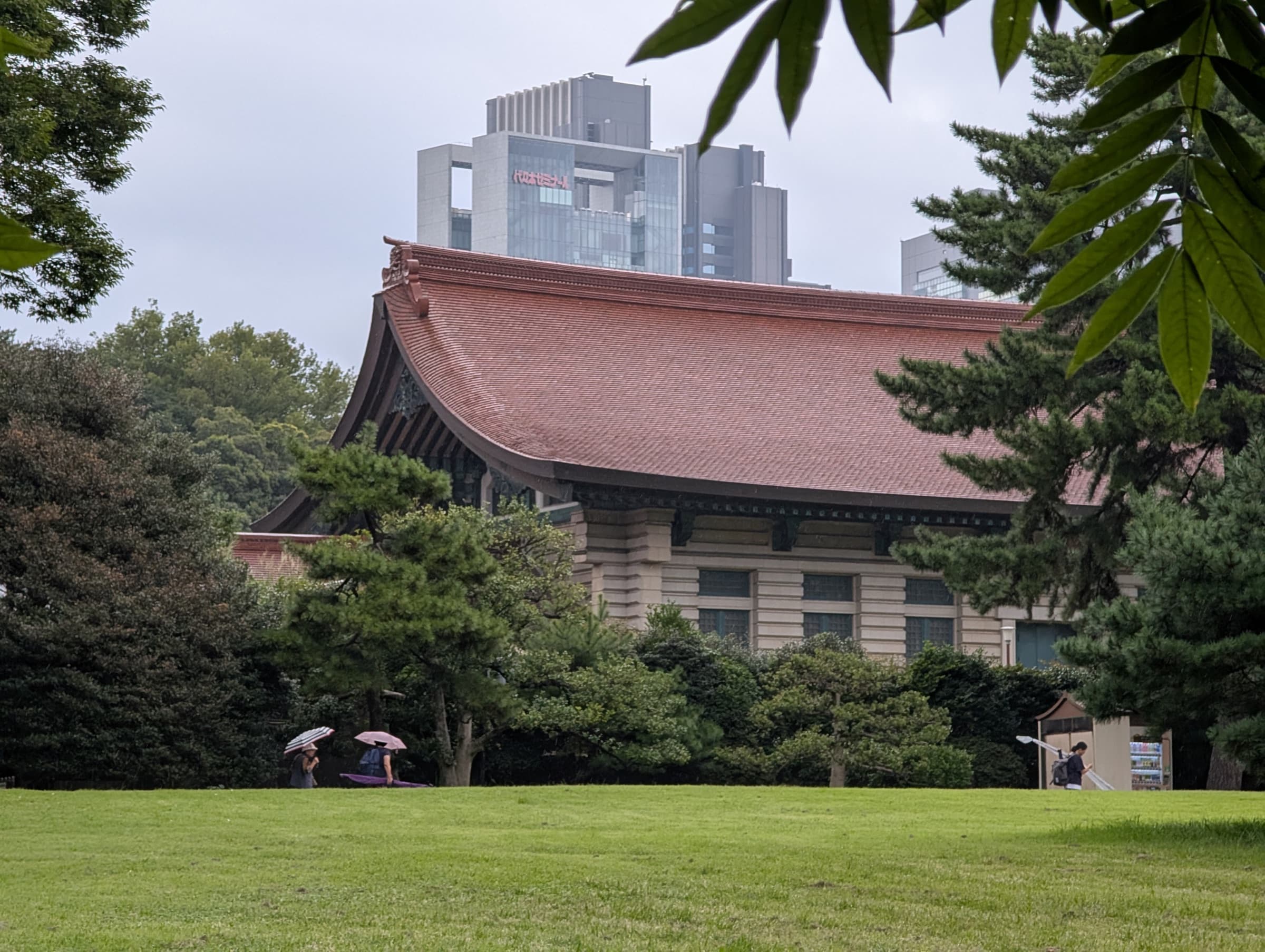
Japan’s Visitor Map Is Changing, Even If the Sidewalk Still Feels Full
JNTO’s first-half numbers show China down more than half while Korea and Taiwan surge. Spending barely budged. Here’s what that shift feels like on the ground.
4 min · Jul 24, 2026
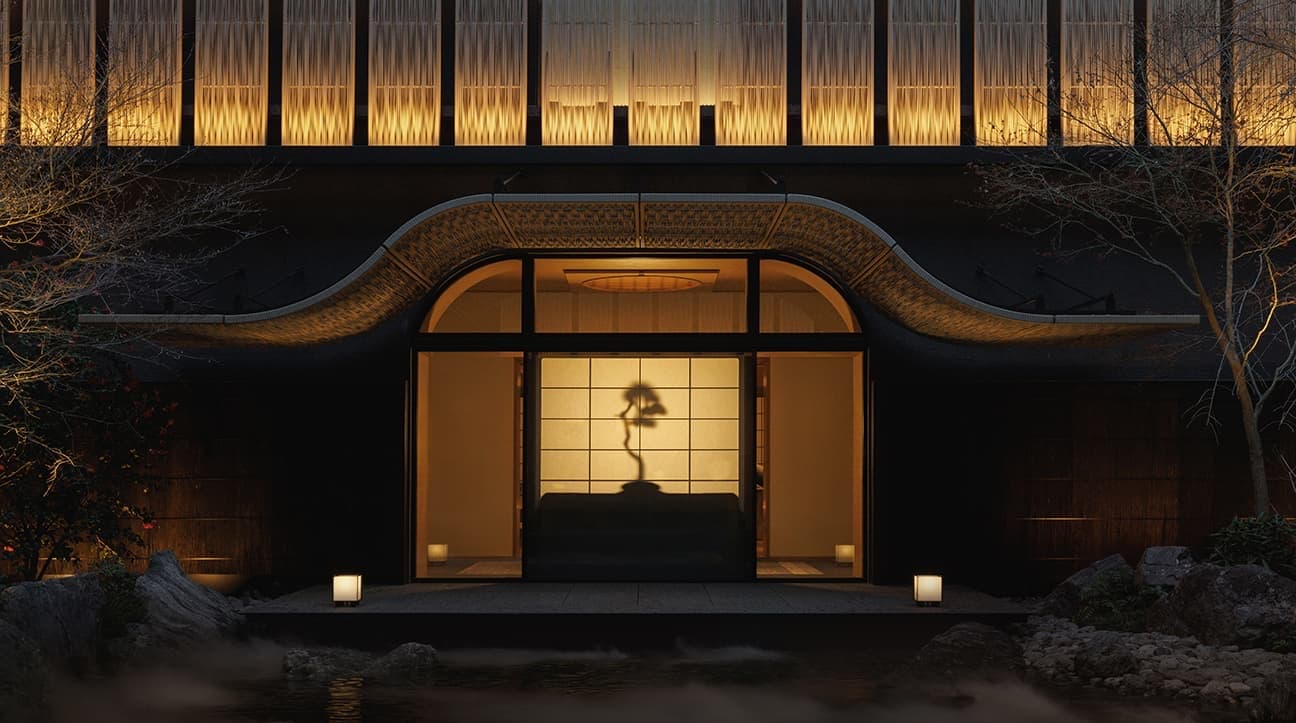
Capella Kyoto Puts SingleThread on a Miyagawa-cho Counter
Capella opened in Miyagawa-cho on March 22 with onsen suites, Auriga Spa, and a twelve-seat SingleThread counter. Here’s what to book, confirm, and leave for another Kyoto night.
4 min · Jul 27, 2026
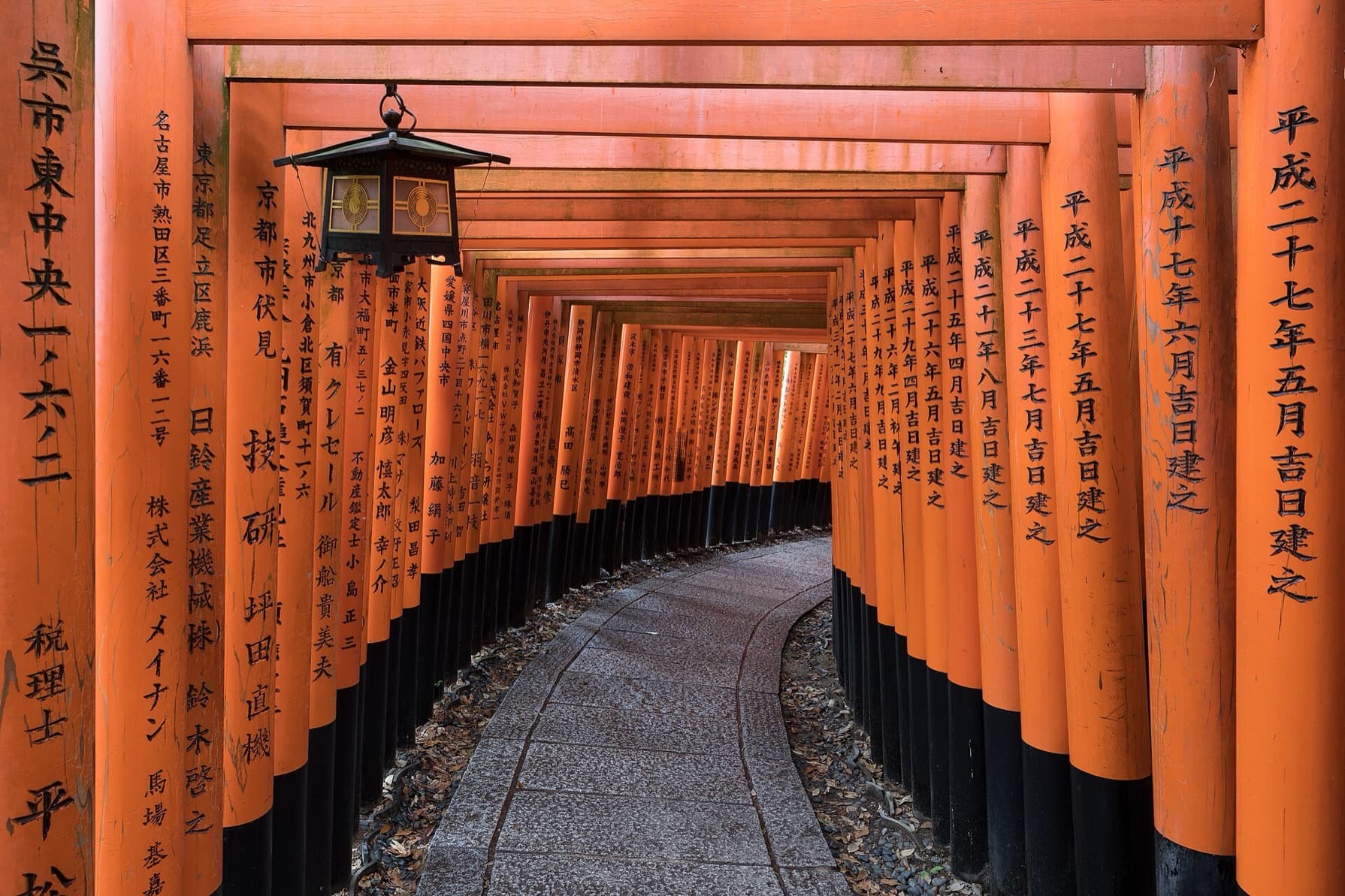
Kyoto for Couples Who Hate Checklist Romance
Couple trips here work when you stop performing contemplation and start sharing pace.
6 min · Jun 2, 2026
Tokyo Is Not a Beginner City, and That Is the Point
Tokyo punishes checklist tourism and rewards travelers who can tolerate not seeing everything.
8 min · Jun 1, 2026