
High Waves for Japan’s Three-Day Weekend
Typhoon Koguma passes nearest the Ogasawara Islands on Monday. The center stays off Honshu. Keep a Tokyo or Kyoto plan, and stay out of the Pacific surf.
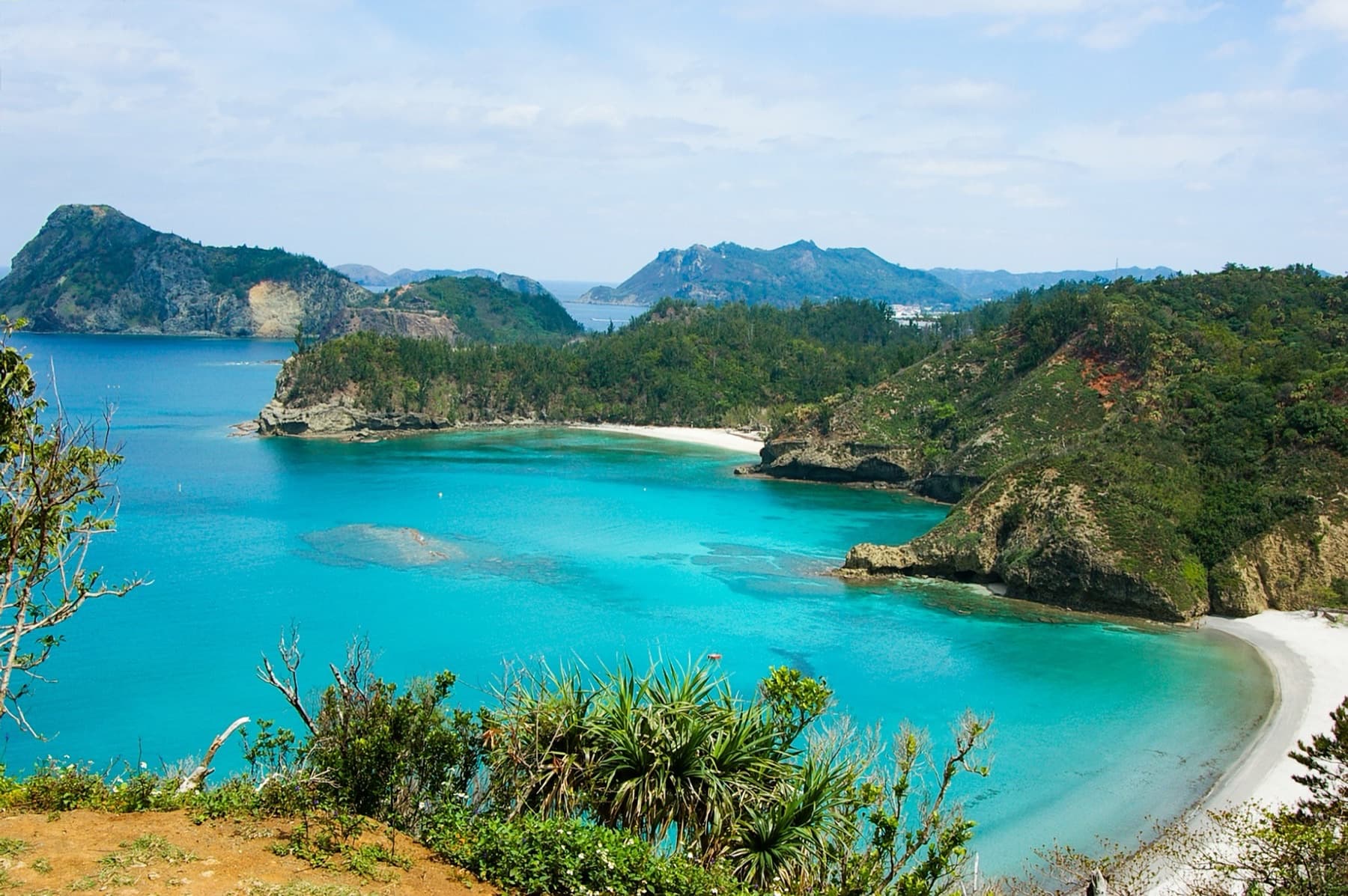
The city plan holds
Monday is Sports Day, the public holiday that turns this into a three-day weekend. The storm in the forecast is Typhoon No. 29. Japan proposed the name Koguma. It means little bear.
At 6 a.m. Sunday in Japan, Weathernews still rated it very strong: winds of 45 meters a second, about 100 miles an hour, far southeast of Tokyo. It was moving northwest at 20 kilometers an hour. That forecast keeps the same strength at 6 a.m. Monday, in the Ogasawara waters. After that the track bends northeast. Early Tuesday, this forecast places the center east of Japan, a step down from very strong, and still well offshore. The track does not cross Honshu. A Tokyo or Kyoto weekend can stay booked.
Where the water gets dangerous
Weathernews, on Saturday afternoon, had the southern Izu islands already around 3 meters, about 10 feet. The northern Izu islands and the Pacific side of Kanto were closer to 2 meters, a bit over 6 feet, and an occasional wave in that swell can run about twice as high. Around the Ogasawara Islands those high waves had eased as the earlier storm moved off. Weathernews expects them to build again from Sunday night through Monday. News On Japan, using that same Saturday forecast, put the east-facing Kanto coast at 2 to 3 meters through Sunday, and Monday’s waves around the Ogasawara Islands at 3 to 4 meters, about 10 to 13 feet.
The waves are coming from both storms. Typhoon No. 28, Nolo, was the weaker one, and Weathernews expected it to lose typhoon status on Sunday afternoon and become a regular low east of Japan. A high over Japan and these storms to the south are far apart in pressure, so the wind on the water stays up even with the center far away.
Weathernews expects Koguma’s center to pass at a distance from the Ogasawara Islands. The 100-mile-an-hour winds are at that center. Chichijima is well to the west of Monday morning’s forecast position. News On Japan, still on Saturday’s forecast, says the islands can get somewhat stronger wind on Monday. It also says widespread destructive winds are not expected, because the area of storm winds is limited. The swell is the part that reaches the islands. A sunny beach can still be the wrong place to swim, surf, or fish from the rocks.
The boats are a separate check
Tokai Kisen runs the boats to the Izu islands. At 5 p.m. Friday it cancelled the large ship’s Hachijojima sailings, the Friday night departure and the Saturday return, and moved some other boats earlier. A few departures that were still scheduled came with a warning that they might not be able to dock. That notice stops at Saturday. If the plan is Oshima, Niijima, or Hachijojima, read the status page the morning you sail.
The Ogasawara ship runs on a different clock. Ogasawara Kaiun’s boat takes about a day from Tokyo to Chichijima and sails about once a week. The ship that left Tokyo at 11 a.m. Friday was due on Chichijima at 11:40 a.m. Saturday, after a stop at Oshima. The posted ride home leaves Chichijima on Tuesday, October 13, at 3 p.m. That Oshima stop puts the Tokyo arrival 40 minutes behind the usual time, and the Hahajima connection from Chichijima moves from noon to 12:40. The company posted the change on October 2 because three Tokai Kisen ships are out of service and this boat is carrying passengers between Tokyo and Oshima. If you are on the island, recheck Tuesday’s 3 p.m. departure before you count on it. If you are not, the next Tokyo departure on that notice is October 16. A cancelled Ogasawara boat is measured in days.
Before you change the weekend
If Monday was the beach, check the swell again Sunday evening. Monday morning is the closest the center comes to the Ogasawara Islands, and the waves there are forecast to keep building through that day. Anyone swimming, surfing, or fishing from the rocks should make the call then.
A Tokyo or Kyoto weekend can stay booked.
Related stories

Chinese Visitors Plunged. Japan Hotel Rates Did Not.
China’s absence from Japan’s sidewalks has not produced a national room-rate sale. Tokyo still prices like a busy capital. Osaka has more air. The weak yen is doing more work than empty Chinese tour buses.
7 min · Oct 6, 2026
Japan Is Off China’s Golden Week Top 10. Bangkok Took First.
China’s National Day week runs through Wednesday. Japan has fallen off the Chinese booking lists that mattered last October. Bangkok, Kuala Lumpur, and Seoul took the seats.
7 min · Oct 5, 2026

JAL’s $1,100 West Coast Fare Starts in Tokyo
The international time sale is real, and the useful ticket leaves Japan. If your trip starts at a U.S. or Canadian airport, this page will not be your fare.
6 min · Oct 8, 2026
Why Americans Are Booking Japan for Ski Week
Thin North American snow, a weak yen, and Ikon Pass days helped push Americans past Australia and Hong Kong in Niseko. Here is what that threshold changes for a 2026–27 ski week.
7 min · Sep 8, 2026