
Seoul and Beijing Are Talking Ahead of APEC. What Would Count as Progress for Korean Companies?
Cho Hyun and Wang Yi met in Beijing on Friday to prepare for a Lee–Xi meeting at APEC in Shenzhen next week. Korean companies should watch for two concrete signals: a named next step on FTA services and investment talks, and a people-to-people or market package that carries real numbers or dates.
What the ministers actually said
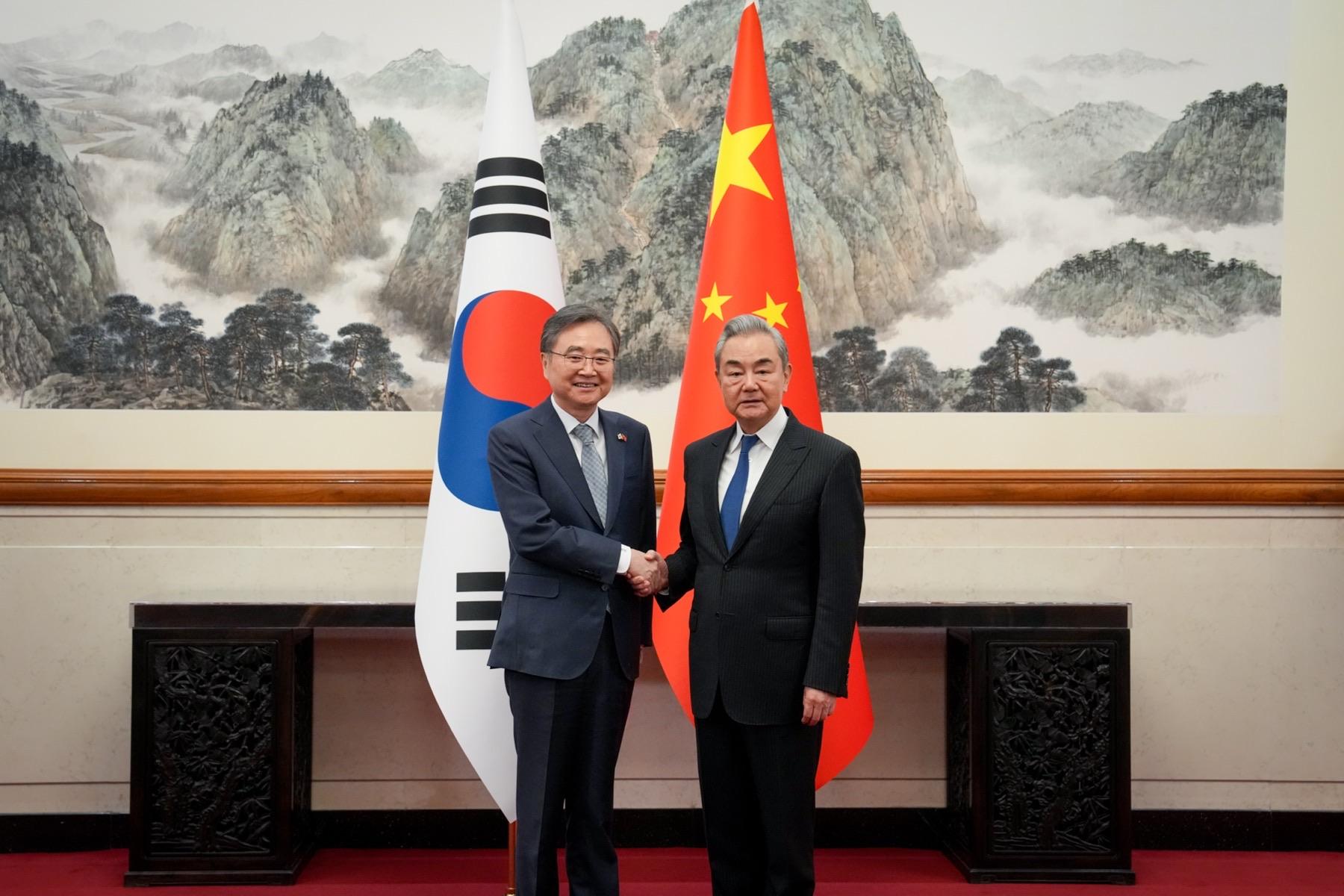
On Friday evening in Beijing, South Korean Foreign Minister Cho Hyun met China’s foreign minister, Wang Yi, for about three hours of talks and dinner. Seoul’s foreign ministry issued the readout. Yonhap carried the quotes. It was their first meeting in roughly three months, and it was timed for next week’s Asia-Pacific Economic Cooperation leaders’ session in Shenzhen, where President Lee Jae-myung is expected to meet President Xi Jinping.
Cho said he hoped the leaders’ exchange in Shenzhen would mature the two countries’ strategic cooperative partnership. Wang welcomed Lee’s visit and promised full courtesy. Both sides said reciprocal state visits over the past year had put the relationship back on a fuller footing, and that next year’s thirty-fifth anniversary of diplomatic ties should produce results people can feel.
The commercial lines that matter for companies came next. The ministers agreed to advance follow-on negotiations under the Korea–China free trade agreement on services and investment, and to keep expanding people-to-people exchanges. Wang, according to Yonhap, said bilateral trade is on track for a record this year and that he hopes annual exchanges recover to around ten million.
Cho also raised the Yellow Sea and the safety of Korean nationals in China. Both sides said those issues should be managed so they do not block the wider relationship. On the peninsula, Cho called peace a shared interest and asked Beijing to play a constructive role, including on North Korea’s return to dialogue. Wang said China’s peninsula policy is unchanged.
That is what Friday put on the record. The question for Korean companies is what Shenzhen turns into something a desk can use.
Watch one: a named FTA services-and-investment step
The goods FTA between Korea and China has been in force since 2015. The follow-on chapter on services and investment has been under negotiation since 2018. Korea’s trade ministry puts goods trade near $270 billion and services near $38.8 billion. In mid-October the two sides held a seventeenth round in Seoul on negative-list market access and said they would try to finish early. Korean negotiators have been pressing for reciprocal opening in audiovisual and financial services.
Friday’s foreign ministers did not publish a schedule. They agreed the talks should move. That helps the politics. It still leaves a bank, studio, or insurer without a text to file against.
In Shenzhen, progress would look specific. A leaders’ readout that names a conclusion target, sets a date for the next negotiating round, or lists sectors where barriers are meant to fall would give a legal team something to track. Commerce ministers already met in Shanghai on November 4 to discuss summit follow-up and support for Korean companies in China. A Shenzhen note that puts that commerce track on a public calendar would count as well.
Another round of “horizontal and mutually beneficial cooperation,” without dates or sectors, would mostly confirm the mood Korean companies have already heard for months.
Watch two: a published package with numbers or dates
Wang’s ten-million exchanges line and the record-trade remark are the softest figures on the table. They show Beijing wants the relationship to look busy. They do not tell a cosmetics exporter which channel opens, or a tour operator which visa rule moves.
What would count in Shenzhen is a published package with a handle on it: a dated people-to-people measure, a tourism or visa step with an effective window, an intellectual-property or legal-distribution channel for Korean content, or a consumer-goods facilitation note tied to a fair, a province, or a ministry process. Give Korean desks a number or a date and they can rewrite a plan. Keep the language at “expand exchanges and goodwill,” and the week stays diplomatic.
Cho struck a similar note on social media on Saturday. Seoul, he wrote, should neither fear China’s rise without cause nor underestimate its capabilities, and should build cooperation that draws on the autonomy of Korean people and companies. The ambition is plain. The commercial development still depends on what Shenzhen prints.
What would not rewrite a contract
Peninsula language will dominate some of the coverage, and it should. Cho asked for strategic communication and a constructive Chinese role. Wang repeated that Beijing’s policy is steady. For a Korean manufacturer with a plant in China, quieter peninsula risk is welcome. It does not, by itself, open a services schedule or speed a license.
Yellow Sea “careful management” sits in the same category. Keeping a dispute from poisoning the relationship is real statecraft. Until a process or working group appears with a brief companies can brief against, treat it as risk containment.
APEC runs November 18–19. Lee is due in Shenzhen for the leaders’ session. Friday’s job was to set the tone and name the economic files. Progress for Korean companies arrives if those files leave Shenzhen with a date, a mechanism name, or a sector list someone can put beside a contract.
Related stories
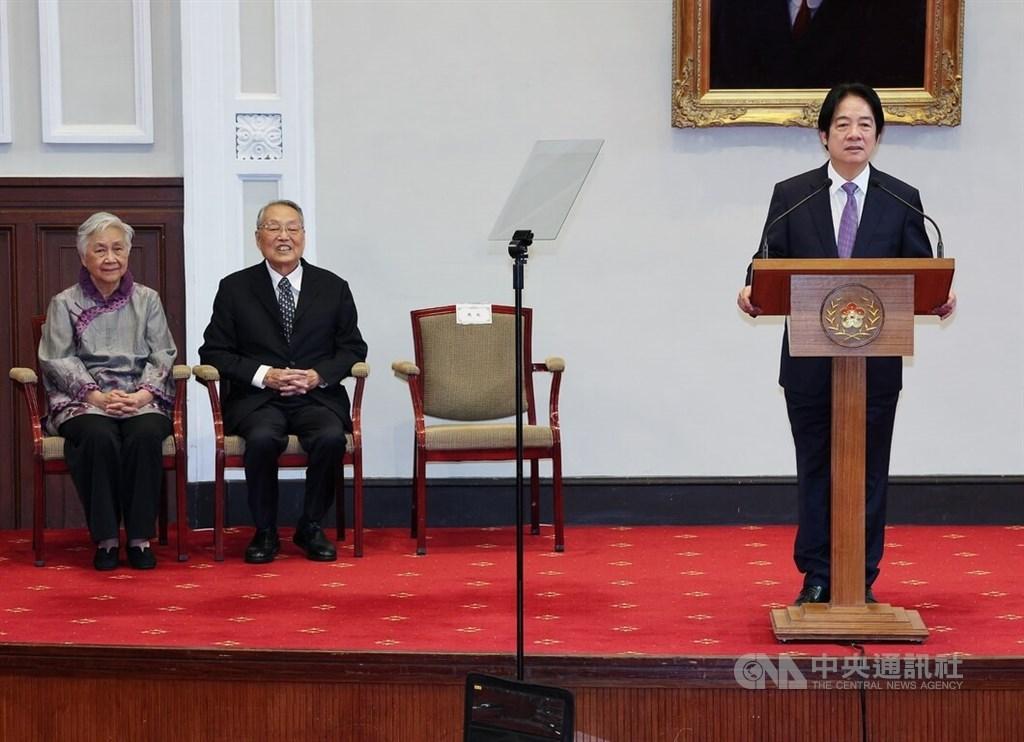
Taiwan Is Sending Acer Founder Stan Shih to APEC. What Is He Being Asked to Do?
Shih is back at APEC after 19 years. The brief Lai handed him is built around chips and AI cooperation.
6 min · Nov 12, 2026
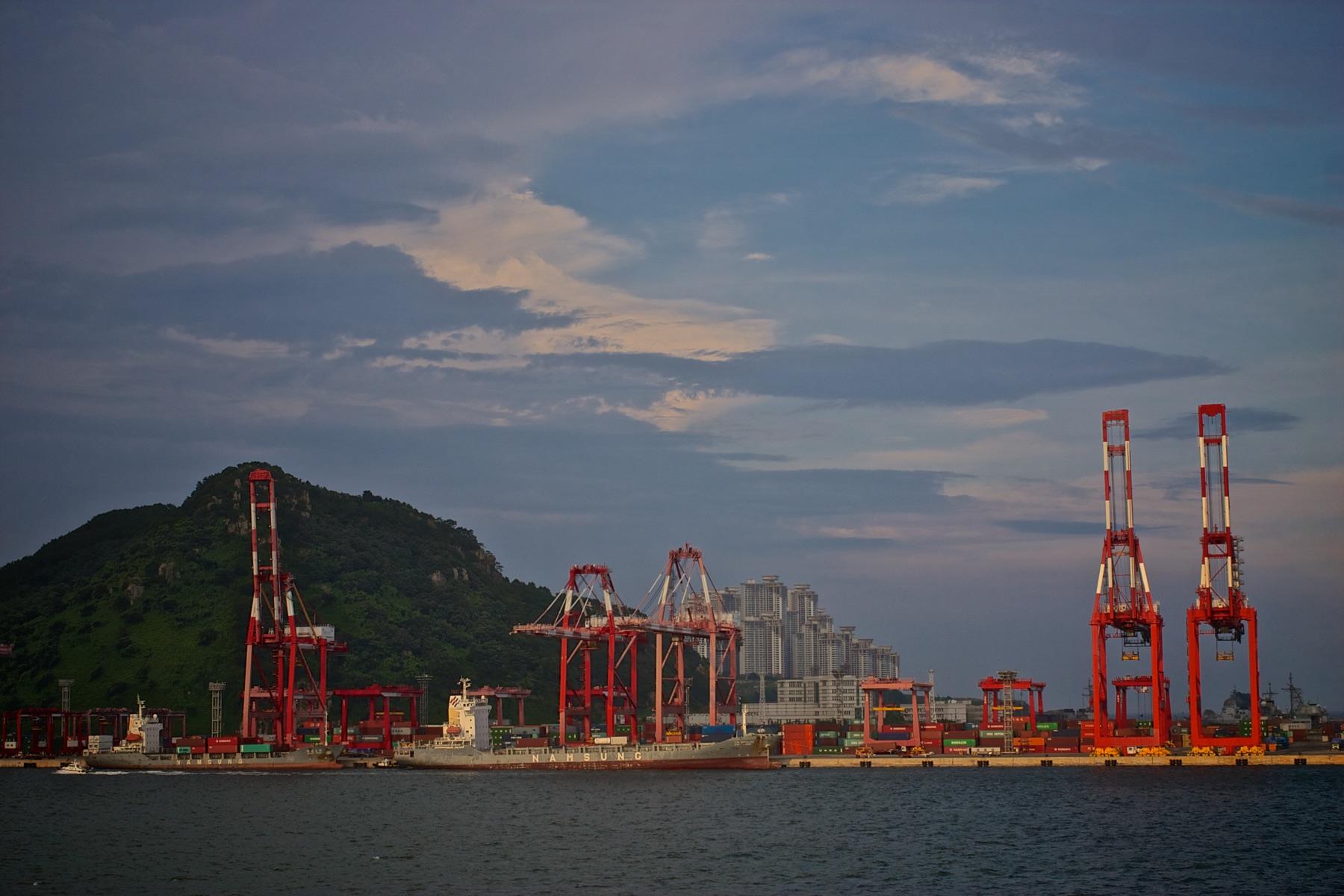
Korea’s Early-November Exports More Than Doubled. How Much Was the Calendar?
Headline growth more than doubled. Daily-average growth was still near 98 percent, and chips did most of the dollar jump. November’s later releases will give a cleaner read.
6 min · Nov 13, 2026

The U.S.–China Trade Agreement Still Has a Rare-Earth Delivery Problem
Greer and Bessent pressed Beijing on Friday over rare earths and other critical minerals. A license on paper still has to become a tonne on the dock.
7 min · Nov 8, 2026
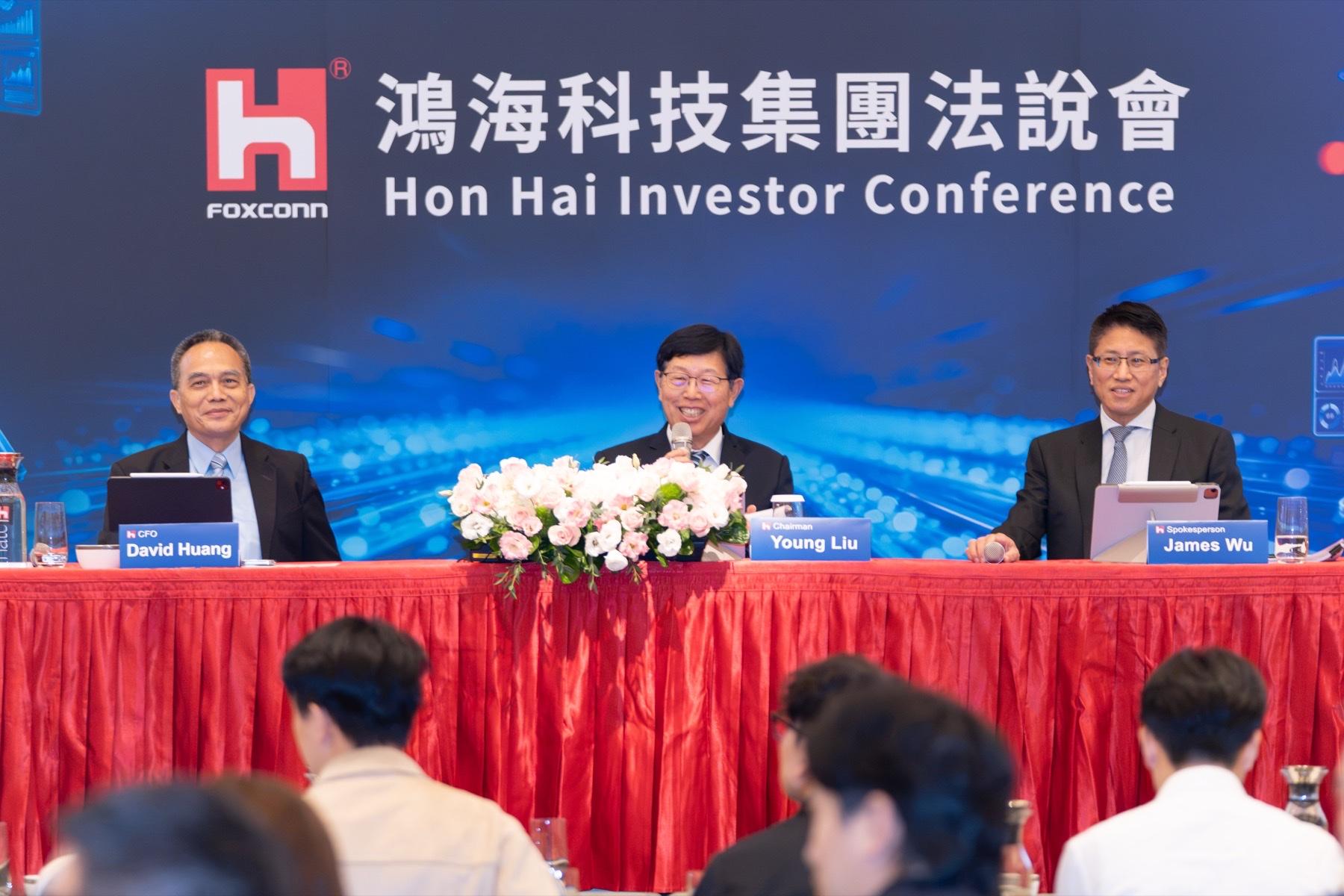
Foxconn’s Profit Jumps 34%, and It Warns of Tight Supply. Where Are the Bottlenecks?
Net profit hit NT$77.5 billion. Liu’s squeeze is chips and memory, while the order book still looks full.
7 min · Nov 12, 2026
Related global reads
Transpacific Bound
Taiwan Is Sending Acer Founder Stan Shih to APEC. What Is He Being Asked to Do?
Transpacific Bound
Korea’s Early-November Exports More Than Doubled. How Much Was the Calendar?
East Table
East Asia cold noodles field guide
AsiaMS
K-beauty crosses the $2 billion mark as U.S. household adoption triples
At the Banquet
The Banquet guide to Seoul