
Korea’s Early-November Exports More Than Doubled. How Much Was the Calendar?
Customs put Nov. 1–10 exports near $33.5 billion, up about 112 percent. Half a working day and a semiconductor surge explain a lot of that print. Electronics buyers can use the early flash—and should wait for the fuller ones.
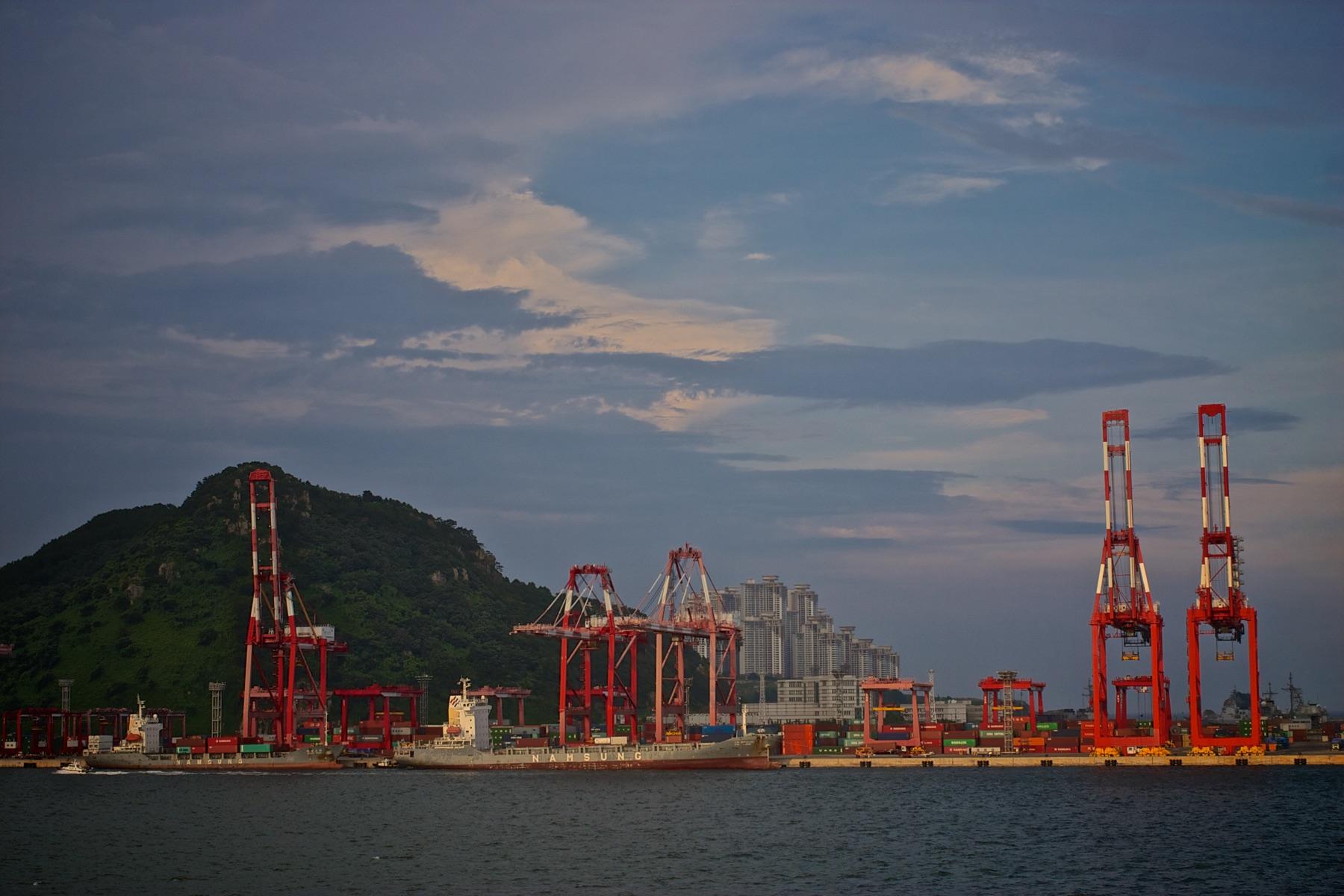
What the first ten days printed
Korea Customs Service put out its provisional Nov. 1–10 trade flash on November 11. Exports came to about $33.5 billion, up 111.9 percent from the same stretch a year earlier. It is the strongest first-ten-days November on the agency’s books, and the second-largest 1–10 haul of any month.
Imports rose 45 percent to about $24.7 billion, so the ten-day balance flipped to an $8.8 billion surplus after a small deficit in the same window last year. Through November 10, cumulative exports reached about $963.7 billion. Korea still needs roughly $36 billion more for a first $1 trillion export year.
Customs flags the usual caveats. The figures are short-period and provisional. Working days can swing the totals, and revisions can land until the annual books close next February.
How much was the calendar
This year’s window held 7.5 working days against 7.0 a year earlier—half a day more on the customs count. That alone can push a percentage higher.
Daily-average exports ran about $4.46 billion, up 97.7 percent from $2.26 billion. Put the two rates side by side and the calendar accounts for roughly fourteen percentage points of the headline. Growth near 98 percent a day is still blistering. The half-day gap padded the top line; it did not invent the boom.
Chips did most of the dollar work
Semiconductors cleared $16.6 billion in those ten days, up 331.2 percent. They made up 49.7 percent of all exports, about twenty-five points higher than a year earlier. Customs said both the chip total and the chip share were records for a 1–10 window.
Of the roughly $17.7 billion increase in total exports, chips account for about three-quarters. The rest of the book rose about 41 percent, or closer to 32 percent after adjusting for the extra half day. Petroleum products more than doubled to about $2.0 billion. Computer peripherals jumped 238 percent to about $1.0 billion. Passenger cars fell 4.3 percent.
China took about $9.2 billion of Korean goods, up 148 percent. The United States took about $6.8 billion, up 164 percent. Vietnam and Taiwan also posted three-digit gains. The corridors that move memory and related gear are the ones lighting up.
What electronics buyers can use now
For a DRAM, HBM, or board buyer, the useful early signal is chip intensity. Memory and related silicon are still clearing Korean customs much faster than the rest of the export book. That says outbound product is moving hard in the first third of the month. It does not say every Korean factory line is equally busy.
Ten-day percentages are twitchy. Half a working day changes the math. So can a factory pause, a weather delay, or a cluster of high-value wafers clearing near the end of the window. A November purchasing plan should not rest on one early print alone.
The other lines help set expectations. Computer peripherals are rising with the chip complex. Cars are not. If your order book is auto modules, the semiconductor headline is the wrong borrowed number.
Where the fuller releases help
Korea Customs Service usually refreshes the running total around the 21st for days 1–20, then posts a full-month provisional figure on the first of the next month. South Korea’s trade ministry, the Ministry of Trade, Industry and Energy, typically publishes its fuller monthly read the same morning. On that cadence, the next useful dates are about November 21 and December 1.
Those later prints even out the working-day noise. They show whether chips stay near half of everything Korea sells abroad, or whether the rest of the book catches up. They also give a cleaner month-to-month compare than a ten-day slice can.
Until those land, the durable numbers are daily-average growth near 98 percent and semiconductors near half of exports. Watch both. Wait for the fuller month before calling the whole November story.
Related stories

Foxconn’s Profit Jumps 34%, and It Warns of Tight Supply. Where Are the Bottlenecks?
Net profit hit NT$77.5 billion. Liu’s squeeze is chips and memory, while the order book still looks full.
7 min · Nov 12, 2026
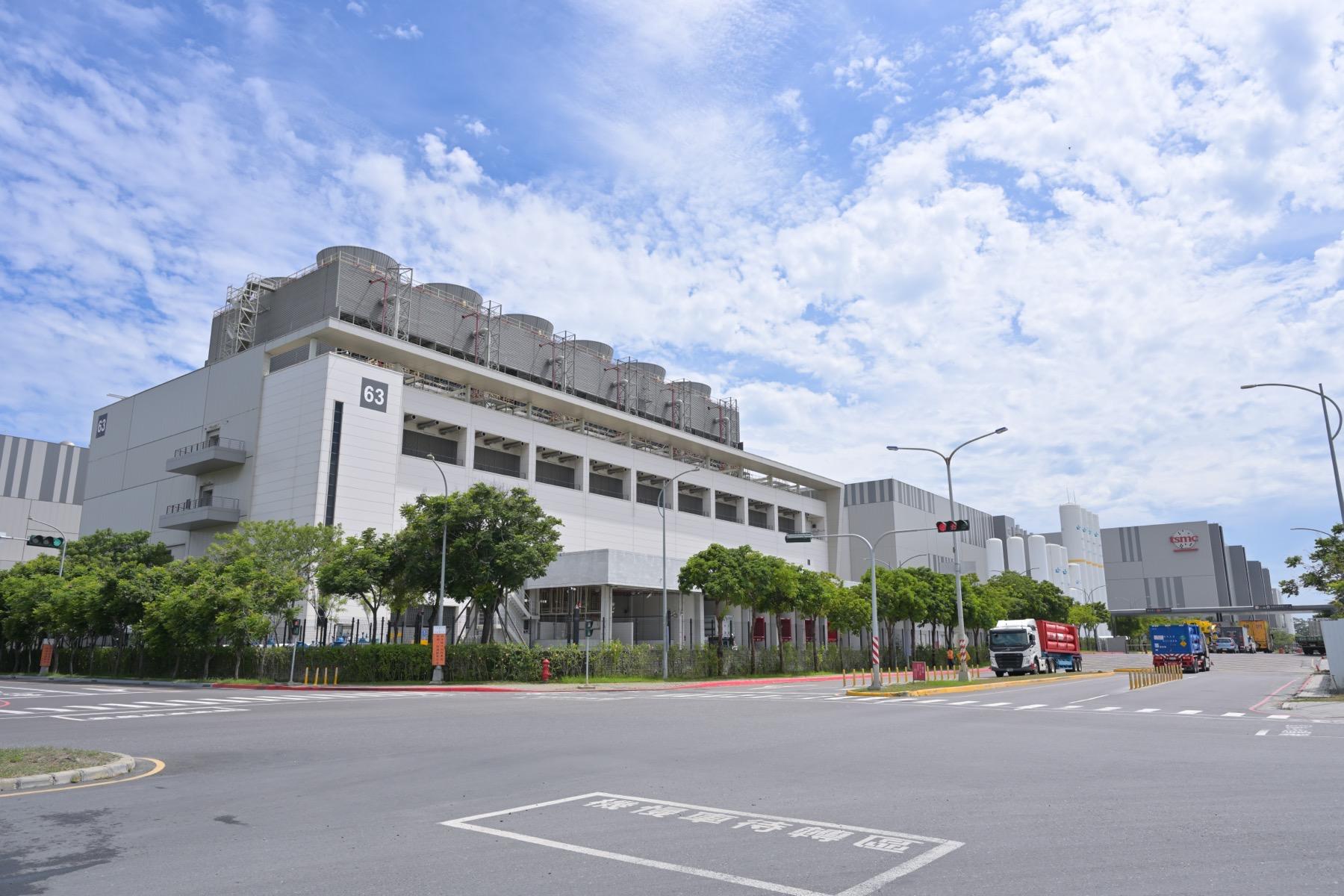
TSMC’s October Sales Jump Shows the Scale of Taiwan’s Chip Boom
TSMC’s October revenue hit a record NT$586.89 billion, up 59.7 percent year over year. The print fits a hot quarter. It still leaves the customer mix blank.
7 min · Nov 10, 2026
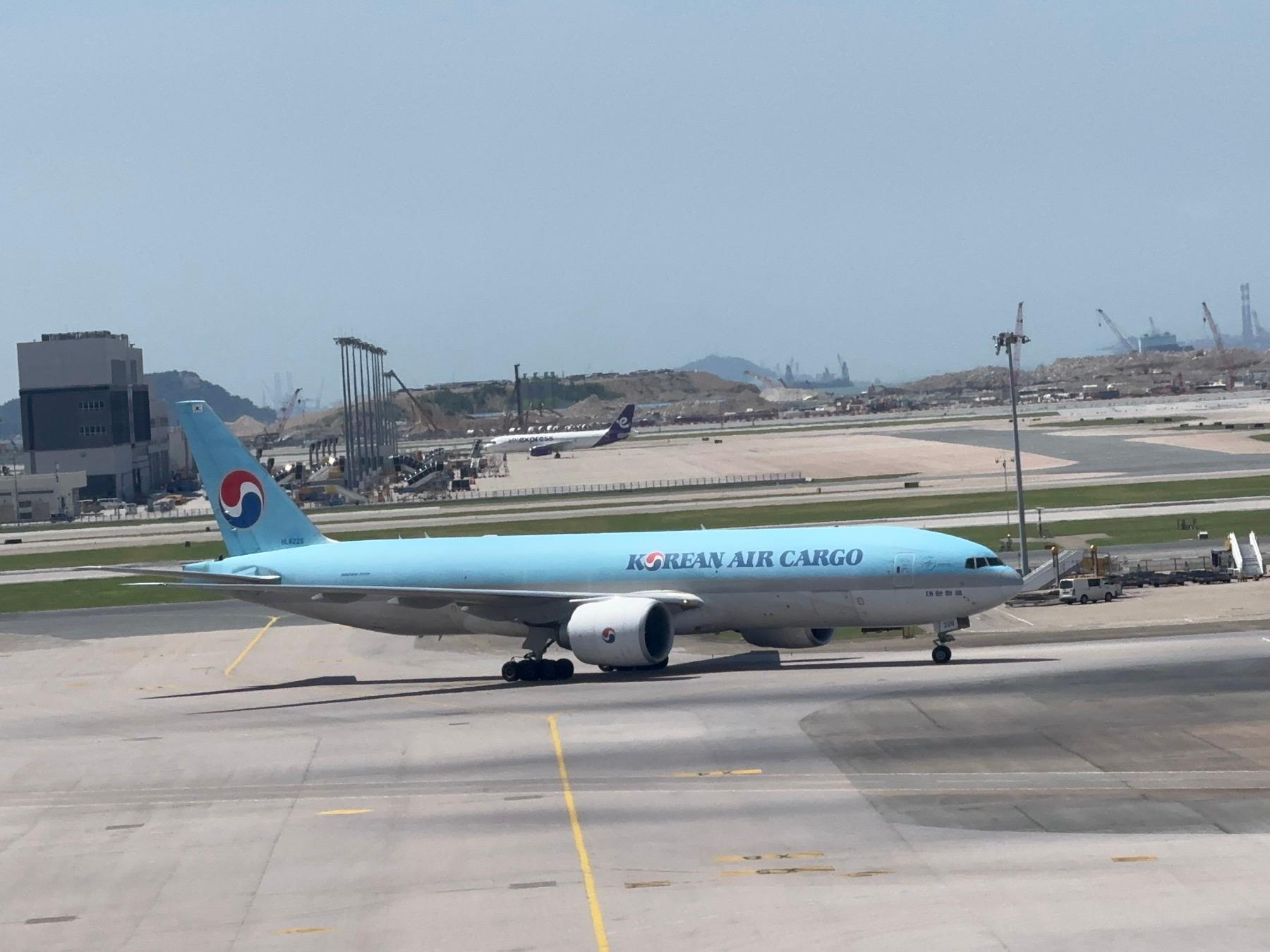
Korea’s July Exports Hit Nearly $99 Billion as Chips Almost Tripled
Second-biggest monthly export haul on record, chips above $40 billion for a second month, and a reminder that AI demand is still leaving Incheon even when Seoul equities argue.
4 min · Aug 1, 2026
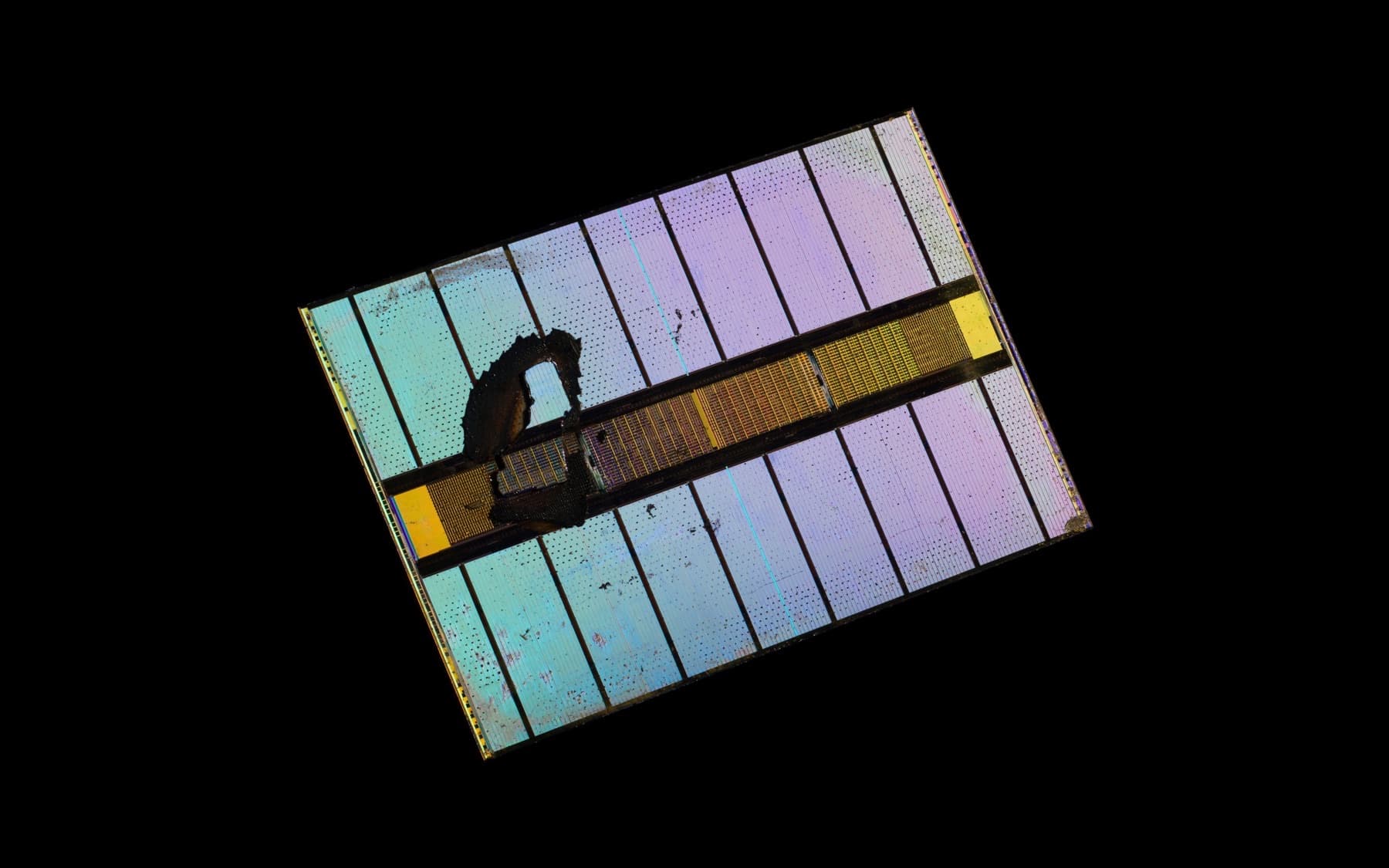
Apple’s Memory Bill Just Hit the Holiday Guide
Apple can absorb some of the AI memory boom in its margin. Shoppers already paid higher stickers. More may follow.
6 min · Nov 3, 2026
Related global reads
Transpacific Bound
Foxconn’s Profit Jumps 34%, and It Warns of Tight Supply. Where Are the Bottlenecks?
Transpacific Bound
TSMC’s October Sales Jump Shows the Scale of Taiwan’s Chip Boom
At the Banquet
The new Banquet: South Korea
Goldsea
The evolution of an Asian American
East Table
East Asia cold noodles field guide