
Taiwan Is Sending Acer Founder Stan Shih to APEC. What Is He Being Asked to Do?
President Lai Ching-te chose the Acer founder as his envoy to next week’s Shenzhen leaders’ meeting and gave him an AI assignment: say Taiwan is an indispensable semiconductor partner, and that it wants resilient, reliable AI supply chains.
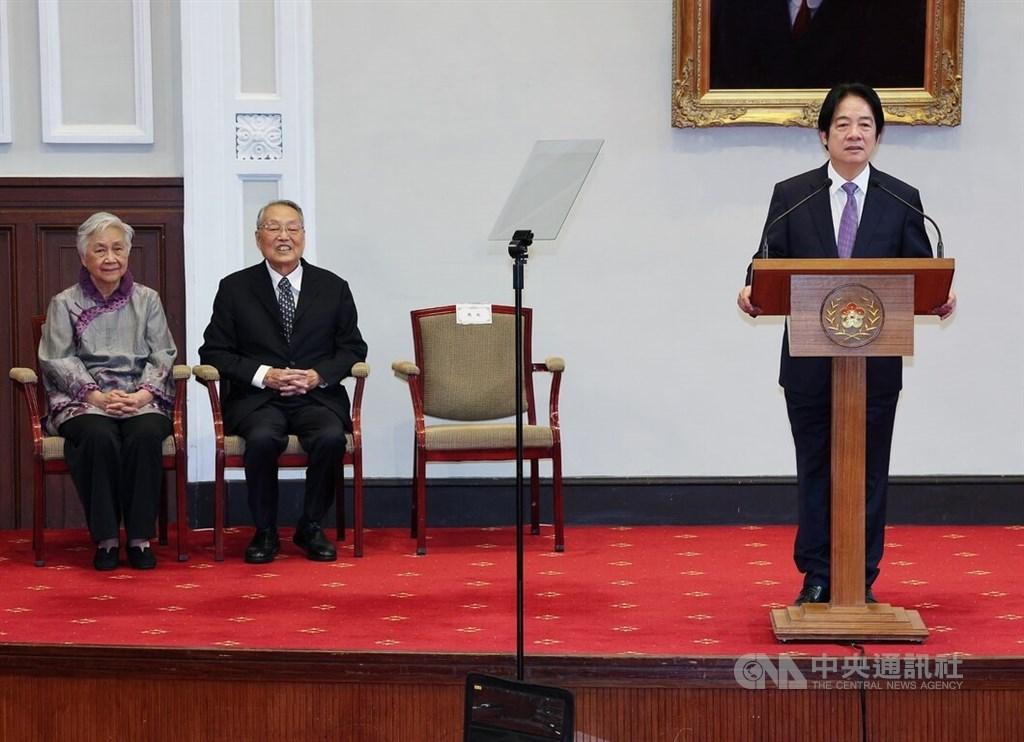
The envoy and the assignment
Acer Group founder and honorary chairman Stan Shih will stand in for President Lai Ching-te at next week’s APEC leaders’ meeting in Shenzhen. The Presidential Office named him on November 11. On Thursday in Taipei, Lai sent him off with three messages for the November 18-19 session.
The one that matters for electronics and cloud companies sits in the middle of that list. Taiwan, Lai said, “plays a pivotal role in semiconductor supply chains” and is an “indispensable partner” in global AI innovation and digital transformation. Through APEC, he said, Taiwan will keep pushing technological cooperation and innovation exchanges, and will “actively build resilient and reliable AI technology supply chains.”
The other two messages set the frame around that pitch. Taiwan will keep participating in APEC and wants its experience heard. And as geopolitics, energy pressure, and supply-chain reshuffling hit the global economy, Taiwan will deepen work with key partners and present itself as a steady force in the Asia-Pacific. Shih last carried this title at the 2007 Sydney meeting, where he floated the APEC Digital Opportunity Center 2.0 idea. He said AI is a focus of this year’s agenda and a field where Taiwan’s semiconductor, digital, and AI-supply-chain base already counts. His job in Shenzhen, he said, is to deliver Lai’s three propositions to other economies’ leaders.
Why Taiwan has a seat at APEC
Asia-Pacific Economic Cooperation, or APEC, brings together 21 member economies around trade and growth. It is not a military alliance and it does not write binding law. Its leaders’ statements and voluntary work programs still shape the language governments and big buyers use when they talk about digital trade, AI, and supply-chain resilience.
Taiwan joined in 1991 under a membership memorandum and takes part as a full member economy, usually under the name Chinese Taipei. That economy-level format is why Taiwan can sit in the same rooms as China, the United States, Japan, and Korea. When a Taiwan president does not attend in person, a leader’s representative goes instead. That is Shih’s role this year.
China is hosting. The Presidential Office says equal participation is normal APEC practice and, in Taipei’s view, has nothing to do with Beijing’s “one China principle.” It has asked the host to honor written assurances so the delegation can join meetings on equal, dignified, and safe terms. For anyone booking Shenzhen week around chip or cloud policy signals, the immediate fact is that Taiwan will be there, led by a tech-industry envoy.
What electronics and cloud desks should watch
Listen first to the leaders’ declaration. APEC adopted an Artificial Intelligence Initiative for 2026-2030 in Gyeongju last year, and the secretariat has already said AI will feature prominently in Shenzhen after a year of talks on governance, trust, standards, and adoption. Lai’s brief puts Taiwan on that track as a semiconductor partner that wants “resilient and reliable AI technology supply chains.” If other economies pick up that wording, chipmakers, server builders, and cloud buyers get a clearer read on where governments want the AI hardware conversation to go. If the text stays soft on hardware and resilience, the week will mostly confirm that AI is on the agenda without telling you much new about supply chains.
Then watch the paperwork track. APEC has opened a Center of Excellence for Paperless Trade and is pushing digital-trade systems to talk to each other. Research the secretariat cited ahead of leaders’ week says digitizing trade documents could cut transaction costs by about 5.8 percent. That is the line that matters for electronics exporters and for the cloud tools that move bills of lading, certificates, and customs data. A leaders’ nod that turns paperless pilots into clearer next steps is the operational win to look for.
Acer chairman Jason Chen and Quanta Computer chief technology officer Ted Chang are also in the delegation as APEC Business Advisory Council representatives. Side meetings and CEO-summit sessions on AI and the digital economy are where company people will hear whether the supply-chain talk and the paperless-trade talk are connecting. Mark the calendar for the leaders’ text after November 18-19, then for the ministry notices that follow on AI work programs and digital-trade interoperability.
Related stories
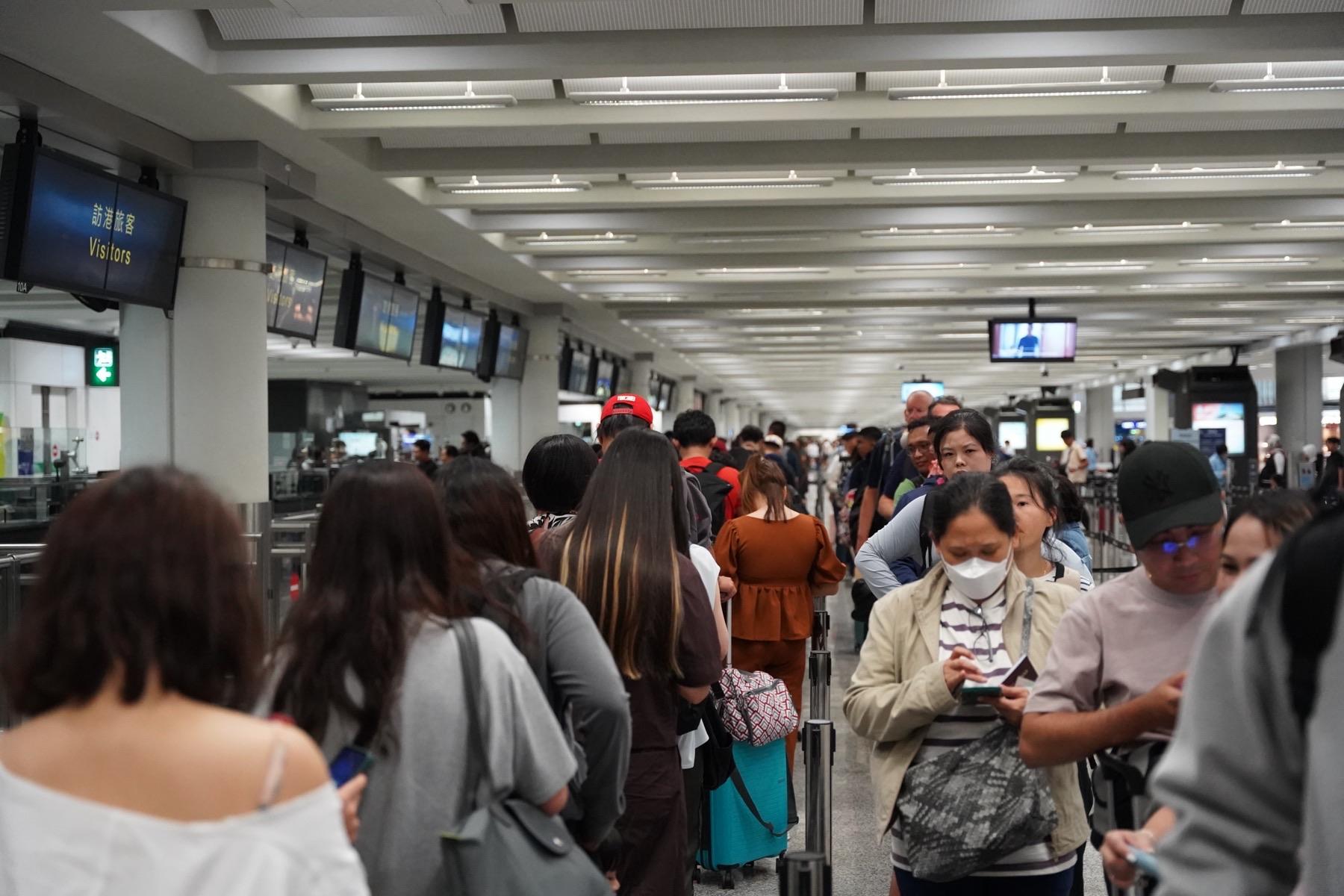
Hong Kong Extended Some APEC Cardholders’ Stays to 90 Days. Who Actually Qualifies?
Hong Kong raised the ABTC stay to 90 days on November 1 for travelers with Hong Kong pre-clearance. Check the back of the card before you plan a three-month stretch.
6 min · Nov 9, 2026
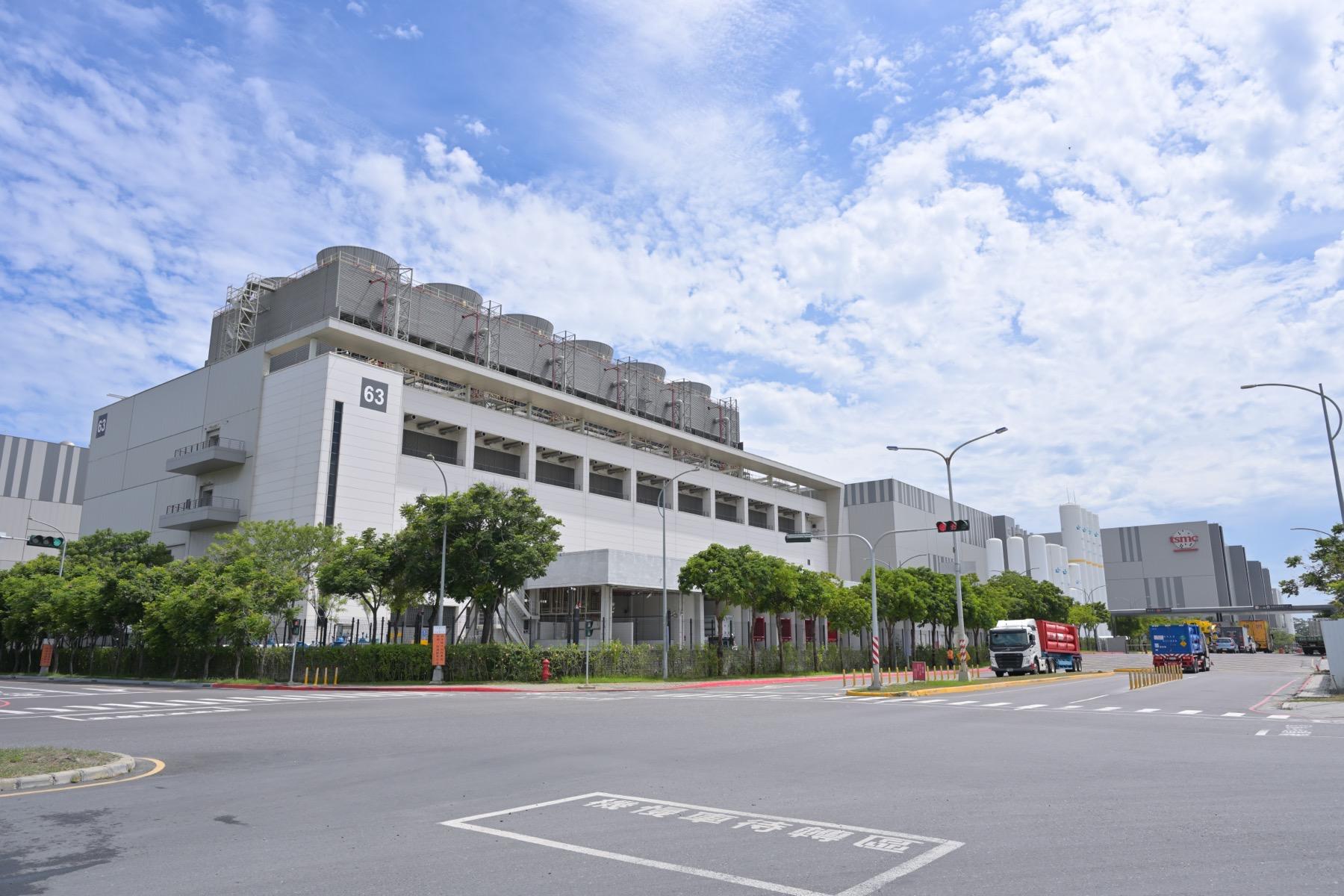
TSMC’s October Sales Jump Shows the Scale of Taiwan’s Chip Boom
TSMC’s October revenue hit a record NT$586.89 billion, up 59.7 percent year over year. The print fits a hot quarter. It still leaves the customer mix blank.
7 min · Nov 10, 2026
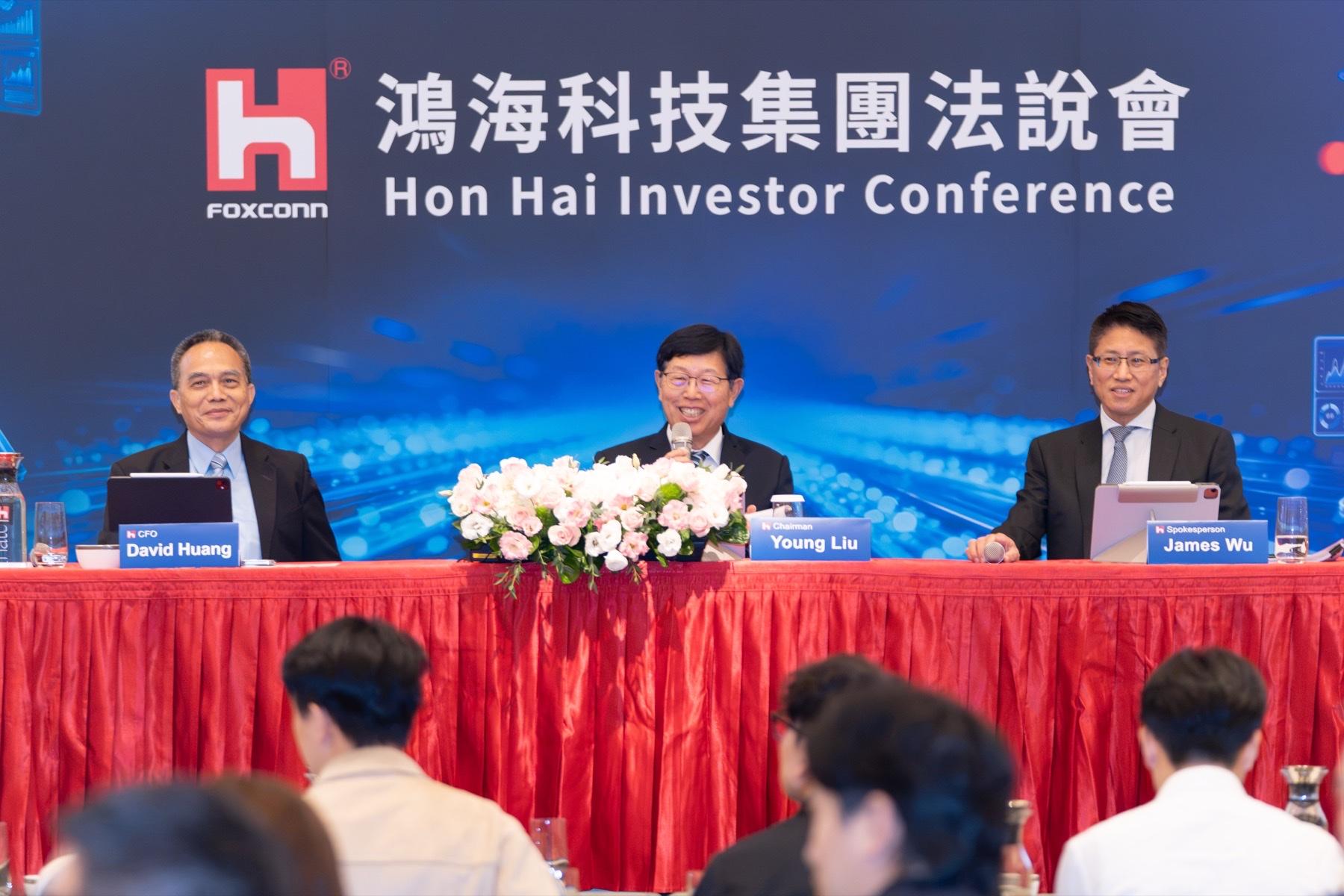
Foxconn’s Profit Jumps 34%, and It Warns of Tight Supply. Where Are the Bottlenecks?
Net profit hit NT$77.5 billion. Liu’s squeeze is chips and memory, while the order book still looks full.
7 min · Nov 12, 2026
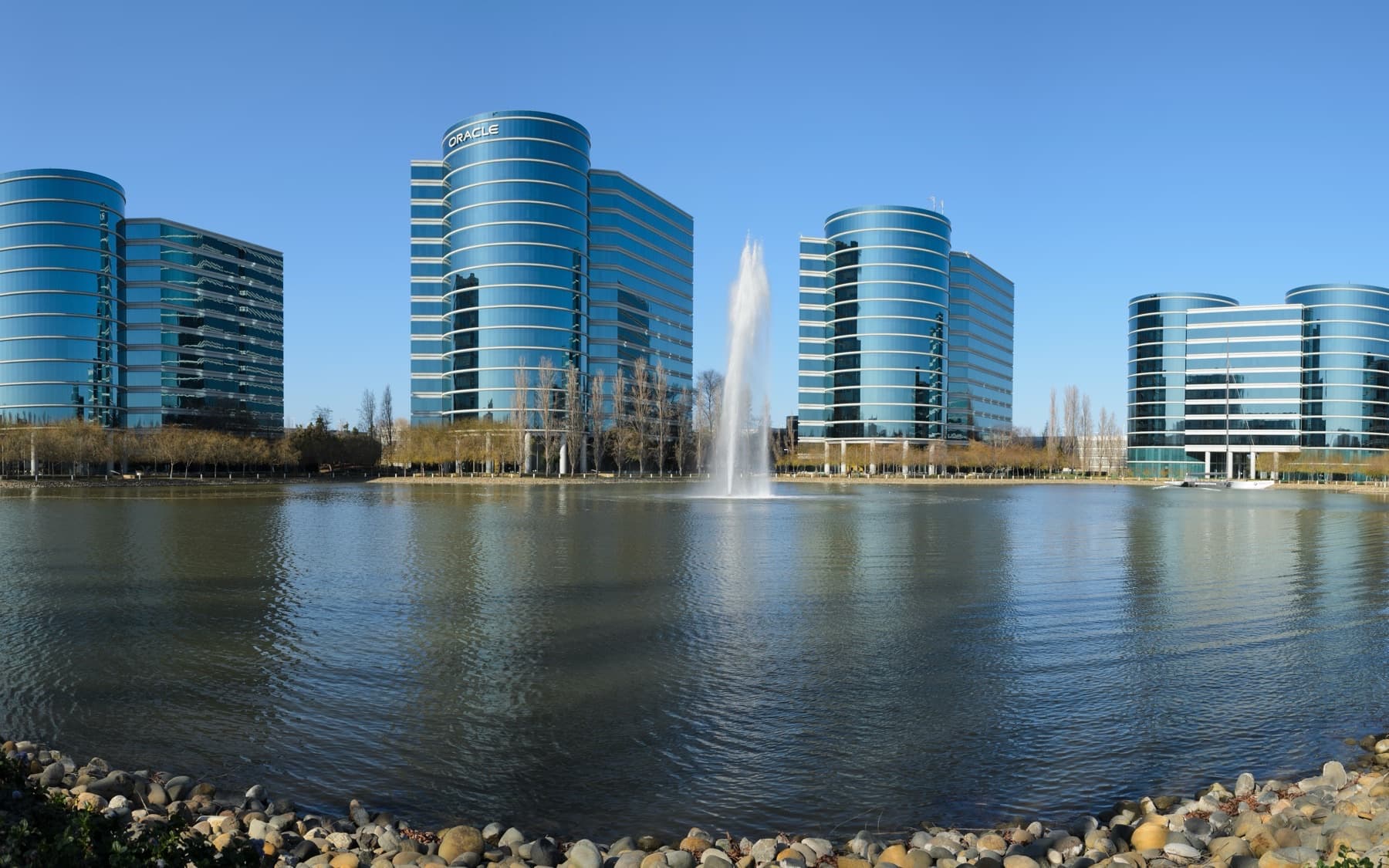
Oracle Scrapped the Tencent Chip Lease
The servers were supposed to sit in Southeast Asia. The pressure still landed on a U.S. cloud company.
6 min · Nov 4, 2026
Related global reads
Transpacific Bound
Hong Kong Extended Some APEC Cardholders’ Stays to 90 Days. Who Actually Qualifies?
Transpacific Bound
TSMC’s October Sales Jump Shows the Scale of Taiwan’s Chip Boom
East Table
East Asia cold noodles field guide
At the Banquet
The Banquet guide to Taipei
At the Banquet
Taipei after midnight