Merz Asked Japan to Back a Trade Alliance
Germany’s chancellor pitched a like-minded trade club in Tokyo on October 28. Japan and Germany also signed cooperation papers that day. Neither step lowers a duty.
The pitch in Tokyo
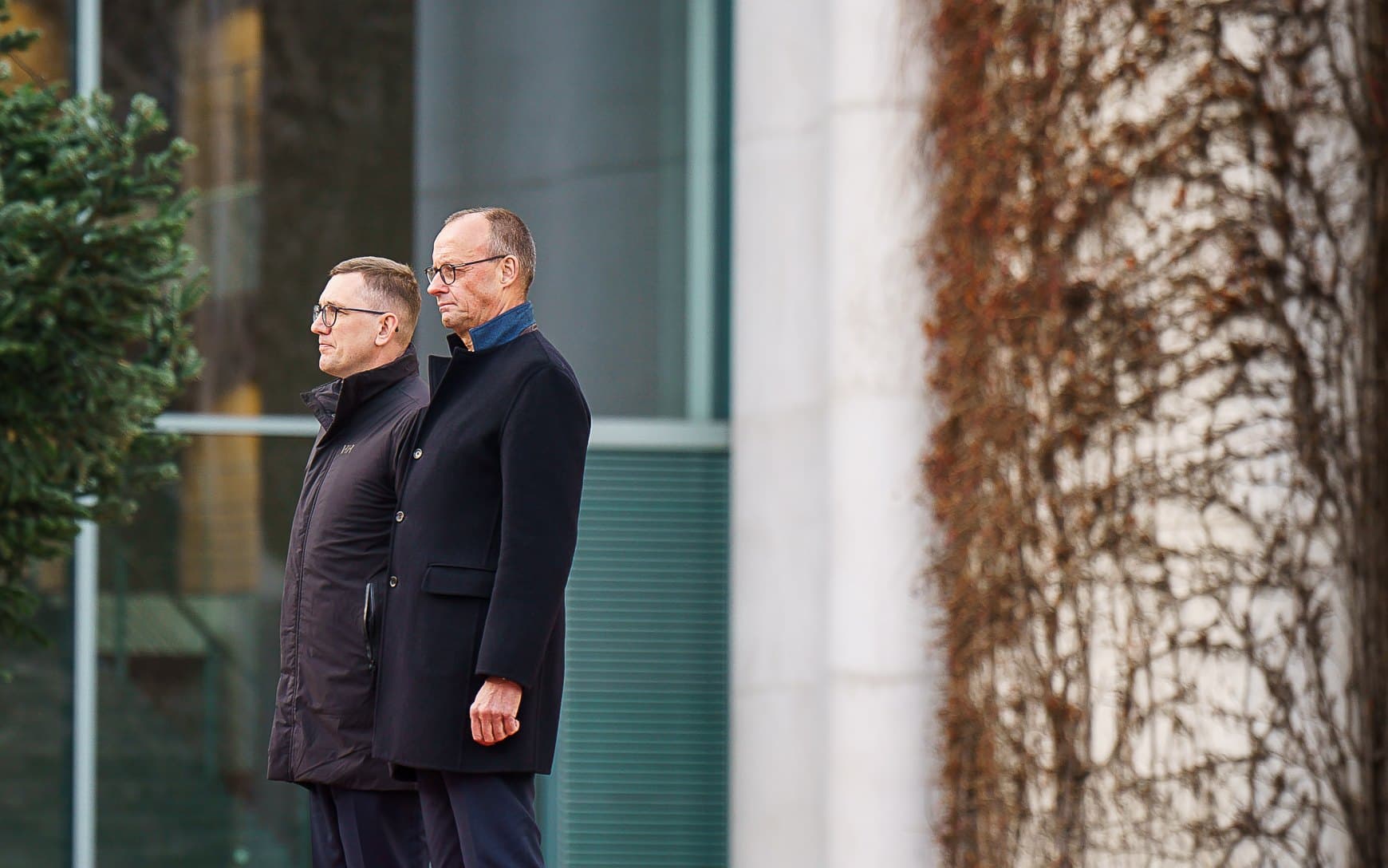
Last Wednesday in Tokyo, German Chancellor Friedrich Merz asked Japan to join a club that does not exist yet. At a German-Japanese business summit, he floated a global alliance of like-minded governments to defend trading rules. If someone breaks those rules, or squeezes another country with economic pressure, members “could coordinate our actions within the alliance and present a united front,” he said in prepared remarks reported by Reuters.
He did not name Washington or Beijing. Companies that buy in Asia, sell in Europe, and clear cargo into the United States still heard the point: tariffs and supply-chain pressure are the daily weather, and Merz wants partners who answer them together. He carried the same idea through Singapore and on to South Korea. China’s foreign ministry, asked about the proposal, said it hoped Germany and the European Union would be “objective and rational.”
The alliance is a proposal. The declarations are signed. Neither one cuts a tariff.
The papers that exist
That afternoon Merz sat with Prime Minister Sanae Takaichi. Japan’s government summary says they issued a leaders’ statement plus two cooperation declarations—one on economic security, one on advanced technology. Those documents are signed. They do not enroll Japan in Merz’s alliance, and they do not rewrite a tariff schedule.
The economic-security paper is the one factory desks will feel first: harder supply chains, more work on critical minerals, protection for sensitive technology. The technology paper points at fusion, hydrogen, and a new high-level talk on artificial intelligence. Takaichi also told Merz Japan has strong concerns about the European Union’s Industrial Accelerator Act, and asked Brussels for a fairer answer. Allies can still argue about subsidies.
Their joint statement says both sides want closer work on rules-based trade with like-minded partners. That sentence is diplomacy. It is not a membership announcement, and it has no launch date.
What changes on a shipment
If the alliance ever gets a roster and a playbook, a coordinated reply to a tariff or an export curb could change how you route a box or price a contract. Five days after Tokyo, there is still no list of members and no start date. Do not rebuild the freight plan around a club that has not been formed.
What you can track now is narrower. Germany and Japan put minerals and technology protection on paper. Merz also pushed Europe to keep talking with the Trans-Pacific trade group known as CPTPP, and to restart a possible deal with ASEAN, the Southeast Asian bloc. Stacking those pacts could help some companies later. Today they are meeting schedules.
A real trade arrangement that moves the duty line names the parties, publishes a text, and sets a date when rates change. Merz asked for political cover against coercion. Tokyo signed cooperation with Berlin. Plan this month’s factory and this month’s freight against the rules already in force.
Related stories
Asia’s Factories Are Not Moving Together
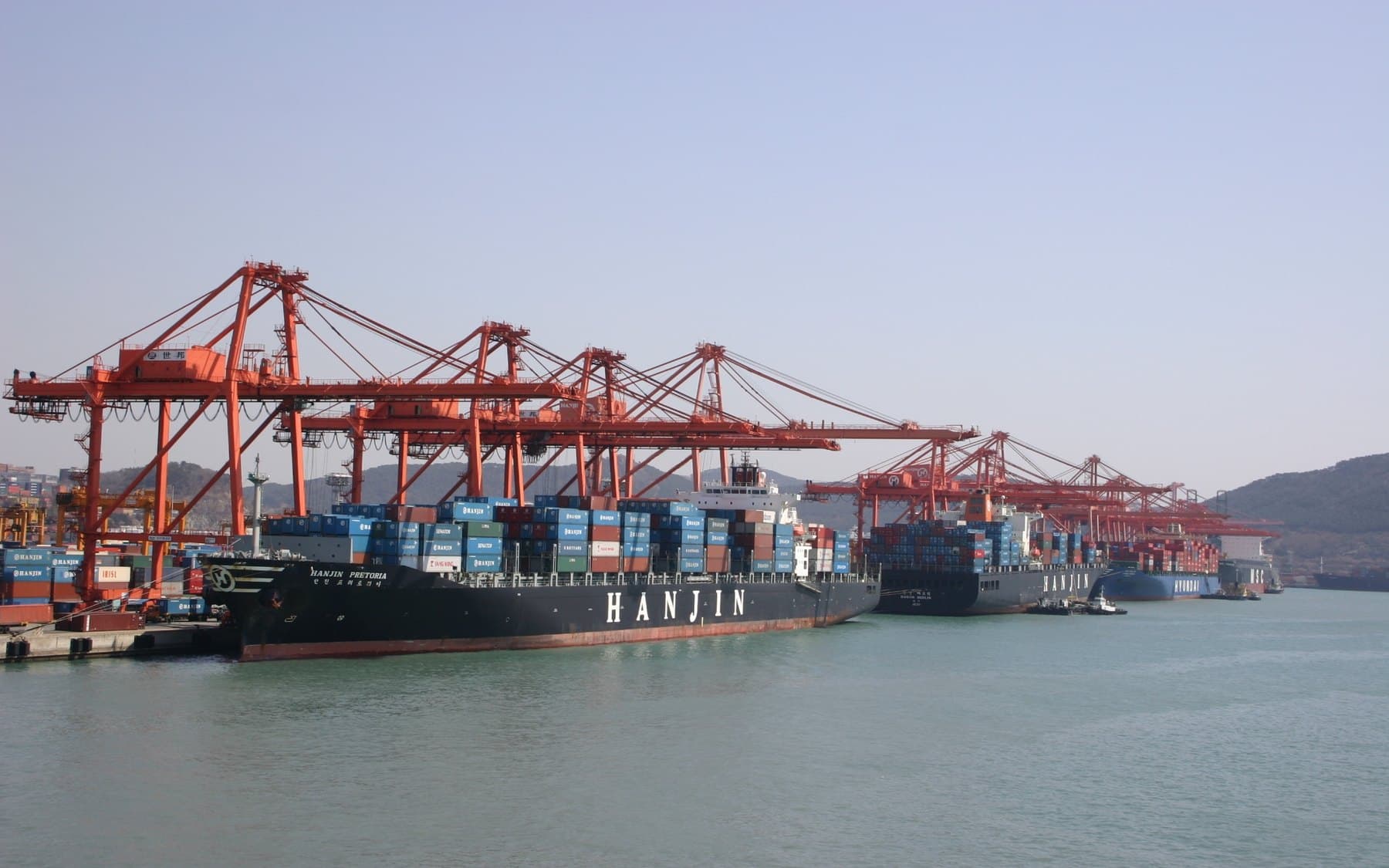
Korea had the softest chip-exporter reading. Indonesia booked export orders at a survey record.
6 min · Nov 2, 2026
UN Tourism Cut This Year’s Arrival Forecast
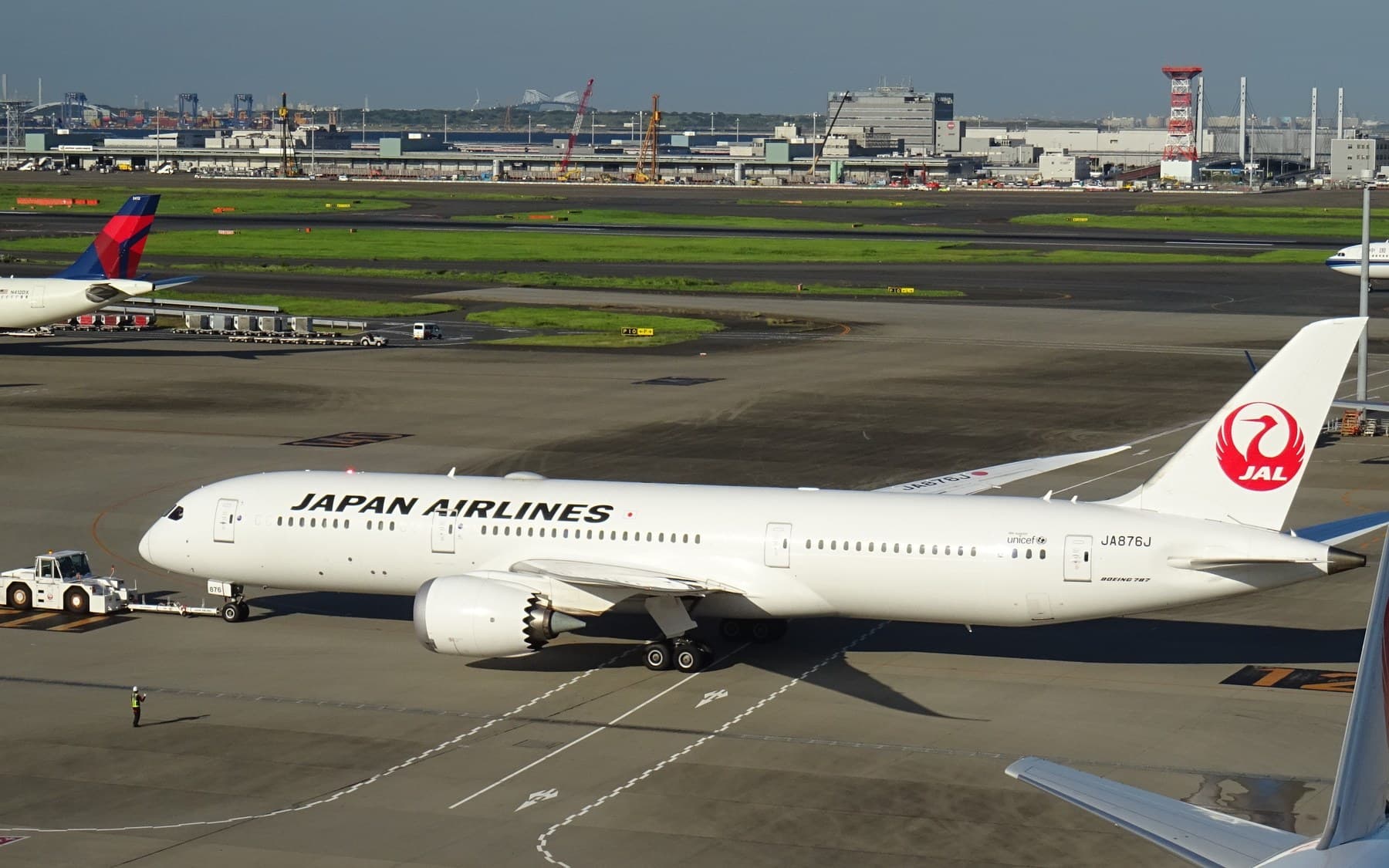
Buy the U.S.–Japan ticket by Saturday if the date is set. The fuel line goes from $320 to $381 on Sunday.
6 min · Oct 29, 2026
Tokyo’s Morning Chip Selloff Closed Flat
Seoul and Taipei were closed for the holiday. Monday is when Samsung, SK hynix, and TSMC price the drop. Tokyo reopens Tuesday.
5 min · Oct 11, 2026

Philippine Startup Week Opens Monday. Who Is Actually Meeting the Founders?
Philippine Startup Week opens Monday in Quezon City. The useful map is Gobi, Foxmont, and Kickstart on the Investors’ Stage, plus Tuesday’s IGNITE X judges and Japan MOUs.
7 min · Nov 6, 2026