North Korea’s Latest Missile Launch Is a Reminder Not to Treat Headlines as Travel Advisories
A missile splash between Korea and Japan is serious politics. For Seoul or Tokyo travelers, the useful question is which official alerts and airline signals actually moved.
North Korea fired another ballistic missile early Wednesday, Korea time—still Tuesday evening for much of North America—and the headline landed before most travelers had finished packing for Incheon or Narita.
South Korea’s Joint Chiefs of Staff said the launch left the Wonsan area on the North’s east coast around 6 a.m. and flew more than 700 kilometers into the sea. Japan’s Defense Ministry put the flight a little under that distance, with a peak altitude near 90 kilometers, and said the weapon fell in waters between the Korean Peninsula and Japan—outside Japan’s exclusive economic zone, the coastal band where Tokyo claims special rights.
Associated Press reporting calls it the second ballistic test in under a week, arriving just before the annual U.S.–South Korea Ulchi Freedom Shield drills that Seoul and Washington said would begin August 17.
That is a serious military and diplomatic event. It is also the kind of story that can make someone with a prepaid hotel near Hongdae, or a business dinner in Marunouchi, wonder whether the trip suddenly became unsafe. Peninsula security and your subway ride are related only if the second one actually changes.
As of this writing, the governments most of our readers check have not moved South Korea or Japan into cancel-the-trip territory.
The U.S. Department of State still lists South Korea at Level 1—exercise normal precautions—on an advisory dated May 28, 2025. Japan sits at Level 1 on the same list. Both pages already warn that peninsula tensions can rise around North Korean missile activity. They did not need this splash to invent that language.
Canada’s South Korea advice remains “take normal security precautions,” last updated August 6, 2026 for heat and typhoon notes, with a standing peninsula section that says tensions can escalate with little notice around missile tests and military exercises. Britain’s Foreign, Commonwealth & Development Office has not advised against travel to either country; as of this writing both destination guides remain current without a missile-driven raise, and their safety pages already describe the same tension pattern. Australia’s Smartraveller service keeps South Korea and Japan at “exercise normal safety precautions,” while reminding travelers that launches happen and that Japan’s civil-protection channels matter if an alert actually fires.
The official pages already assume this kind of launch. They have not used it to tell you to stay home.
Airlines treat North Korean airspace as a standing problem, not a fresh surprise. A U.S. Federal Aviation Administration rule—Special Federal Aviation Regulation No. 79—bars American civil operators from the Pyongyang Flight Information Region, the controlled airspace around North Korea, through September 18, 2028. European safety bulletins have long steered operators away from the same zone. Unannounced launches and debris risk over the Sea of Japan are exactly why that avoidance exists. When a launch does threaten a specific corridor, the usual answer is a temporary flight notice, a reroute, or a delay—not a declaration that Seoul and Tokyo city trips are closed.
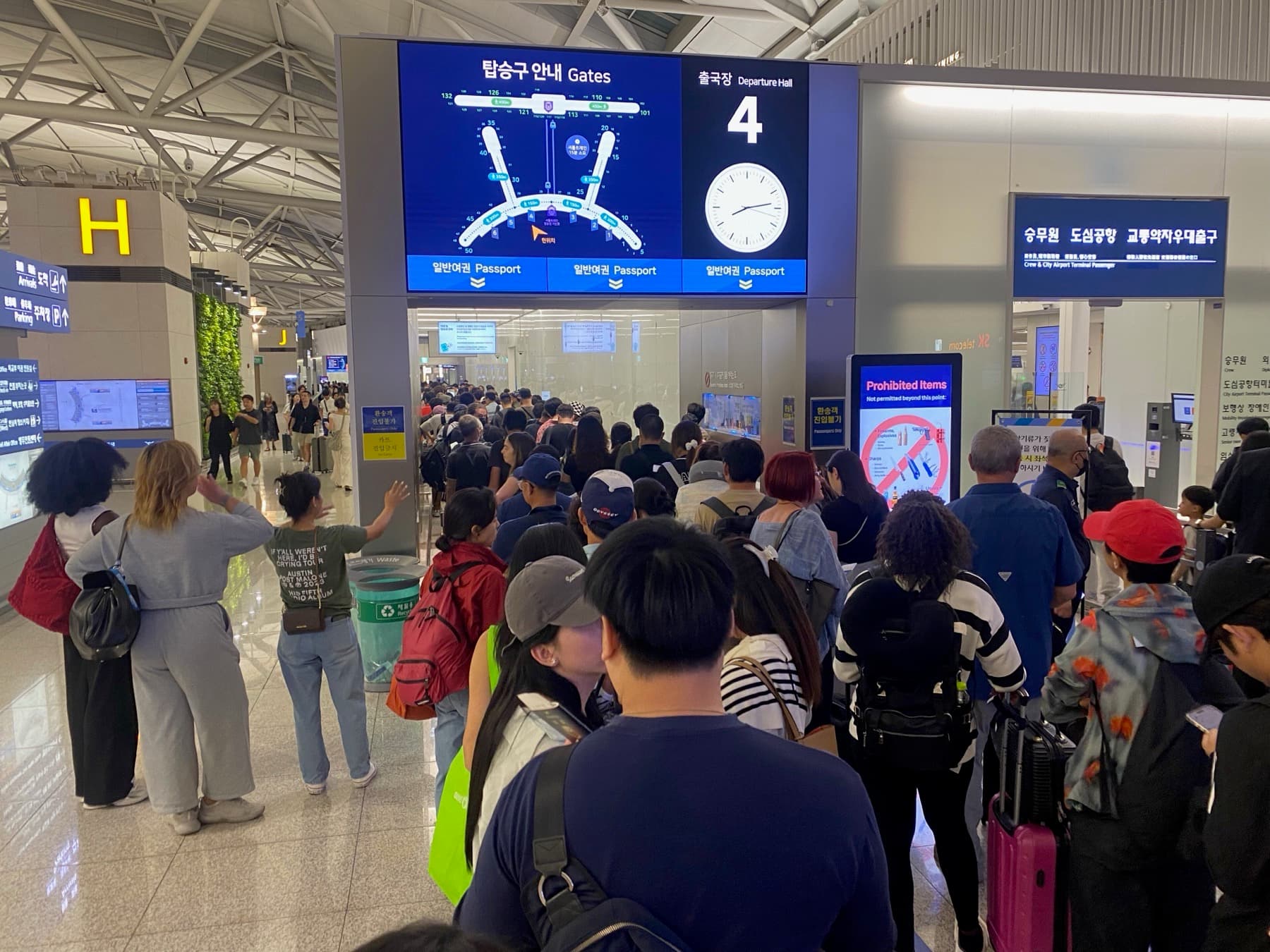
What you feel on the ground is different from what happens in restricted airspace. Incheon’s departure halls keep moving passport queues under the gates board. Seoul’s metro still runs. Tokyo’s convenience stores still sell the same onigiri. Regional tension can dominate a news feed while the booking engine, the hotel key, and the Airport Railroad Express stay ordinary.
A launch timed ahead of Ulchi Freedom Shield is a familiar signaling pattern; North Korea has used major South Korea–U.S. exercises as pretext for tests before. That matters for analysts. For someone deciding whether to keep Thursday’s flight to Incheon, the checklist is narrower—and more useful.
Watch for a real advisory raise: Level 2 or higher for U.S. travelers, “reconsider” or “do not travel” language from Australia, elevated Canadian wording, or British advice against travel. The same goes for Japan’s public shelter or J-Alert guidance in the area you are actually in, or South Korean civil-defense instructions that change how you move through the city. Your airline canceling or materially rerouting the ticket you hold—or a flight notice that makes your connection unreliable—is another hard stop. So is an embassy shift from “monitor developments” into leave or depart language for private citizens.
A splash outside Japan’s exclusive economic zone, a defense minister’s protest, or a cable loop of archival launch footage is not that list. Closed North Korean airspace is not the same as the open commercial corridors into Incheon, Gimpo, Narita, and Haneda. And a Seoul food week does not need canceling because drills start August 17—expect more headlines that week, then run the same checklist again.
If you are already booked, keep the trip and keep the quiet tools travelers use anyway: your country’s registration service (STEP for Americans, Registration of Canadians Abroad, and the equivalents), South Korea’s Emergency Ready app if you want English disaster alerts on your phone, and Japan-facing habits like NHK World plus official civil-protection channels when you are on Honshu and an alert actually fires. Buy insurance that covers cancellation for covered reasons before you need the claim language—not after a push notification spooked you at the gate.
A splash outside Japan’s exclusive economic zone is geopolitics. It is not, by itself, a reason to cancel Incheon. Read the advisory page. Check your airline. Then decide from what actually moved, not from the montage.
Related stories
Seoul Approaches 102°F as South Korea Mobilizes Against an Extreme Heatwave
Actionable Seoul heatwave guidance for travelers already in Korea or leaving soon: severity, cancellations, midday indoor pivots, and where to check KMA and emergency alerts.
7 min · Aug 6, 2026
Seoul as a First Trip to Asia: Energy Without the Spreadsheet
Seoul is not the softest first Asia trip, but for the right traveler it teaches appetite, transit, and neighborhood rhythm fast.
5 min · Jun 7, 2026
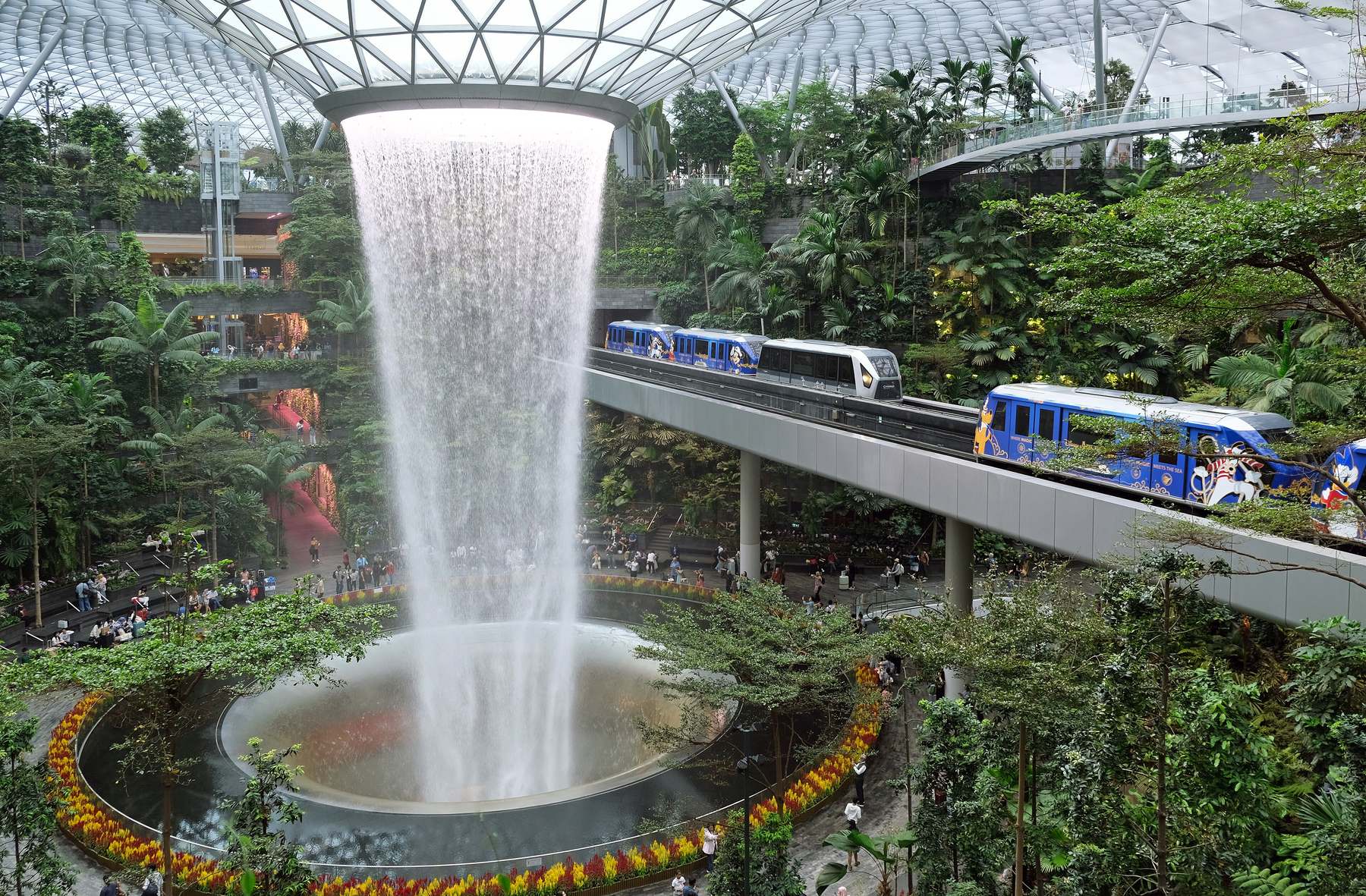
Asia’s Airports Want to Be Your First Destination
Book the connection like a city stop. Jewel’s landside campus and Incheon’s airport-island resorts are competing for your first hours in Asia.
4 min · Aug 3, 2026
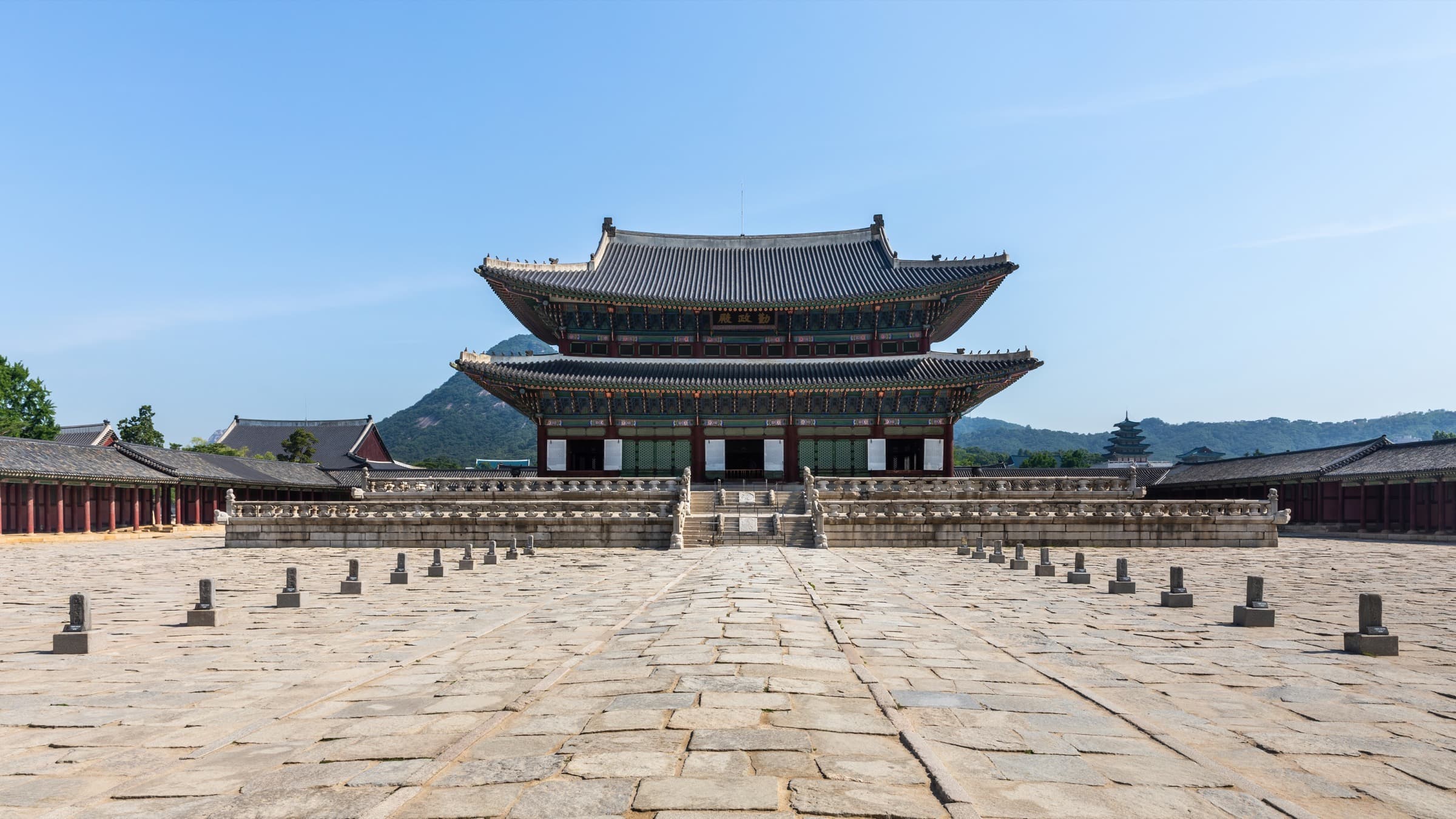
Korea’s Sidewalks Are Crowded for a Reason
KTO’s H1 numbers show China still leading while Taiwan and the US sit far above 2019 baselines. Here’s what that density feels like in Seoul, and why Busan belongs on the map.
4 min · Jul 25, 2026