
Phuket’s Vegetarian Festival Starts This Week. Book Old Town, Not the Beach.
Jia Chai runs through October 18. Yellow flags, shrine food, and processions fill Phuket Town. Patong can wait.
Article
Most people pack for Phuket with sunscreen and a beach transfer. This week, pack shoes you can stand in.
The Tourism Authority of Thailand is putting the Phuket Vegetarian Festival—Jia Chai, in the local naming—at the center of the island’s October calendar. Observances run October 10 through 18. Provincial and government notices add the real opening beat: Friday, October 9, at 5:09 p.m., when shrines raise the Go Teng pole and invite the Nine Emperor Gods. The Chinese calendar sets the dates. Phuket Town’s Thai-Chinese Hokkien community keeps the practice on the street.
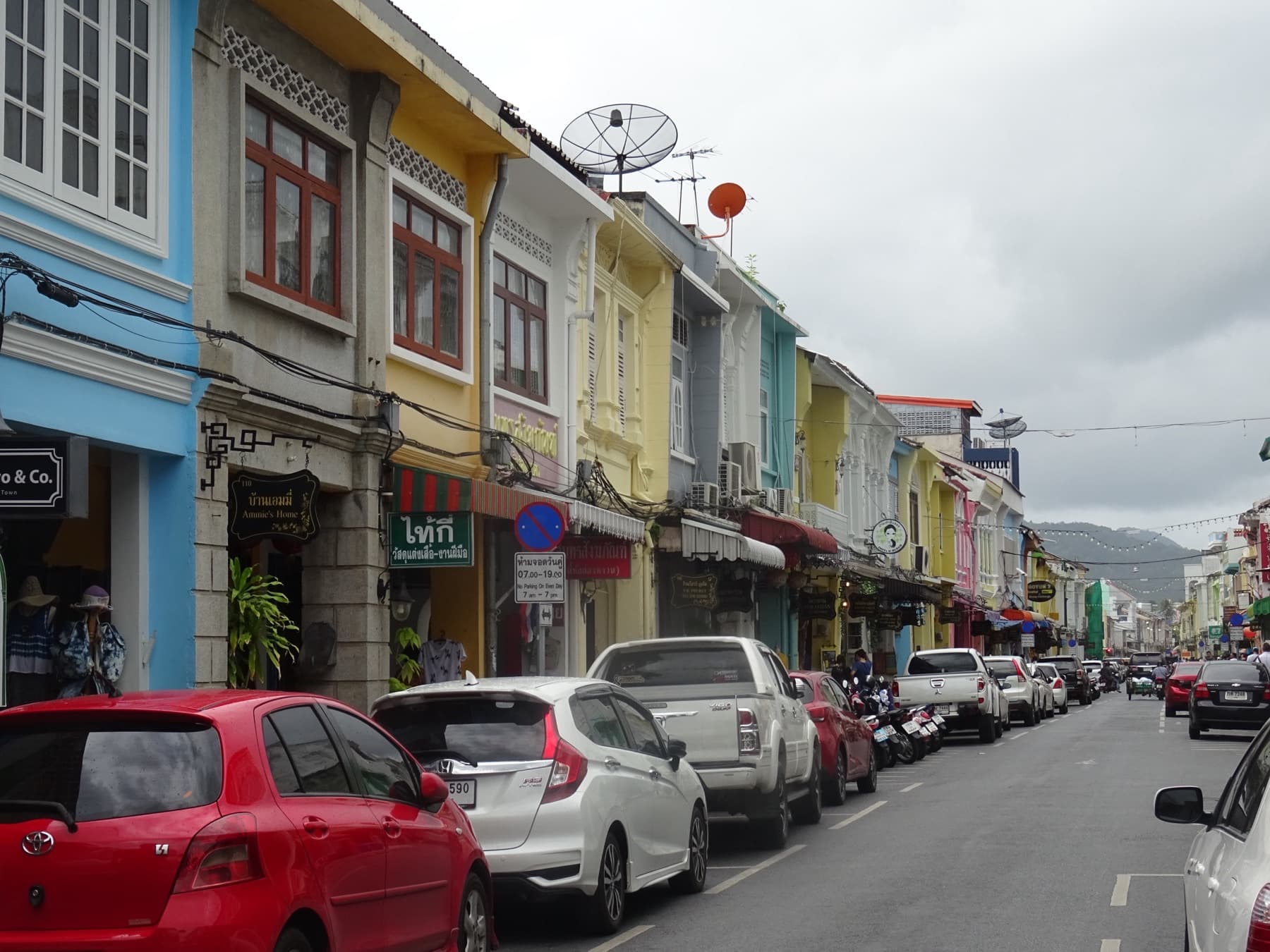
If your Phuket file is only Patong or a pool with a palm, you are looking at the wrong neighborhood. Jia Chai belongs to Chinese shrines, yellow-and-red jay flags, and processions through the old municipal grid. The west-coast beach strip is a different trip, for a different week.
Stay where the shrines are
Book Mueang—Old Town and the shrine belt—before you book anything with a beach shuttle.
A briefing from deputy government spokesperson Ploythalay Laksameesaengjan, carried by Nation Thailand and other Thai desks, projects more than 140,000 visitors and at least 1.4 billion baht in local spending, roughly forty million dollars. Treat those as forecasts. The same numbers that matter for a traveler are sharper: hotel bookings in Mueang are up about 10 percent from last year, occupancy is expected near 80 percent, and the coastal districts of Kathu and Thalang look closer to ordinary. China, Singapore, and Malaysia lead the international mix, with plenty of Thai visitors in the crush.
That map decides your night. Food stalls stack near Jui Tui and Bang Neow. Processions cut through Phuket Town. A beach hotel turns the evening into a late Grab through firework smoke and blocked lanes. Sleep where you can walk home after the sedan chairs pass, still tasting chili and fried dough.
The nights and mornings that matter
Street processions run October 11 through 18. You will hear them called Iw Keng or Yew Keng, depending on who is translating. Spirit mediums known as maa song walk with their attendants. Some wear facial piercings as part of the rite. Watch from the side. When locals kneel for the ceremonial umbrella, kneel or step back with them. Do not plant yourself in someone’s blessing line for a photograph.
Sunday, October 11, is the night to protect on the calendar. The Tourism Authority says the Ham Si Iw Keng night procession gathers more than forty shrines after evening prayer and moves through the municipal streets. If you only get one evening, make it this one. Lanterns, firecrackers, and a crowd that knows the turns better than you do.
The big shrine processions tend to move early. Writers who return every year for the food point to Bang Neow, Jui Tui, and Kathu as the three mornings worth an alarm. Jui Tui’s main street procession is listed for 8 a.m. on Friday the 16th; TAT’s Phuket office sets a reception table that morning along the route. Fire-walking and bridge-crossing rituals appear on shrine schedules through the week. Check the day’s notice before you chase one across town on an empty stomach.
Sunday, October 18, is the close. TAT puts the Jade Emperor’s farewell around 10:30 p.m., then processions toward Saphan Hin for the Nine Emperor Gods. Thalang Road, Phuket Road, and Surin Circle fill early. Expect sulfur smoke, late fireworks, and a walk home that feels longer than the map.
What the yellow flags mean for dinner
Jia Chai is a spiritual week that feeds a city. It is not a vegan marketing calendar.
Savoury jay stalls by the shrines are usually free of meat and animal stock. Drinks and sweets are where dairy still slips in—condensed milk on a dessert, milk in a blended cup—so ask, or read the Thai line, if that matters to you. Follow the yellow flags and the jay character. Along Ranong Road toward Jui Tui, and along Phuket Road by Bang Neow, the temporary stalls are the main show. Duck into the brick rooms behind them when you want a chair and a plate that stays put. Kathu, often named as the island’s festival origin point, is a short Grab if you want a shrine yard with its own food line and a little more air.
Go early for morning snacks—Phuket’s cruller cousins disappear while late risers are still negotiating coffee. Skip the Sunday walking-street market on Thalang Road if you came for Jia Chai. That strip sells to visitors. The shrine calendar feeds people who came to keep the precepts, and travelers smart enough to stand in their line.
How to hold the week
You do not need all nine days. You do need the right pillow.
Arrive for Friday’s pole-raising if you want the invitation moment. Hold Sunday night for the multi-shrine procession. Keep one midweek morning for a big shrine route if you like processions before the heat. Stay through the 18th only if you want the farewell crush and a 1 a.m. walk.
Wear shoes for standing. Carry water and a mask for firework smoke. Photograph floats and lanterns. Ask before you aim a camera at someone’s face in trance.
The beaches will still be there in November. This week, Phuket Town’s Chinese neighborhoods hold the center. Sleep in Mueang. Walk the yellow flags. Let the gods leave when they leave.
Related stories

IHG Is Bringing Kimpton to Phang Nga
Kimpton Phang-Nga Natai Beach is a signing, not a soft open. Here’s where it sits relative to Phuket and Khao Lak, what the brand signals about Phang Nga, and when travelers should wait versus book elsewhere now.
6 min · Aug 12, 2026
Japan Is Off China’s Golden Week Top 10. Bangkok Took First.
China’s National Day week runs through Wednesday. Japan has fallen off the Chinese booking lists that mattered last October. Bangkok, Kuala Lumpur, and Seoul took the seats.
7 min · Oct 5, 2026
Bangkok as a First Trip to Asia: Heat, Appetite, and Pacing That Actually Works
Bangkok is not the softest first Asia trip, but for the right eater it teaches Southeast Asia faster than any checklist.
6 min · Jun 8, 2026

Why Asians Love to Travel
Asian American households buy a lot of air because the family is on two continents. In Asia the year arrives in clumps of leave. Call it love if you want. The useful word is the date on the ticket.
7 min · Sep 24, 2026