
Qantas Just Tied Itself to Melbourne’s Next Decade of Gates
A commercial deal with Melbourne Airport underwrites a A$4.5 billion terminal expansion, a 2031 third runway, and A350-1000LR basing—while final papers are still months away.
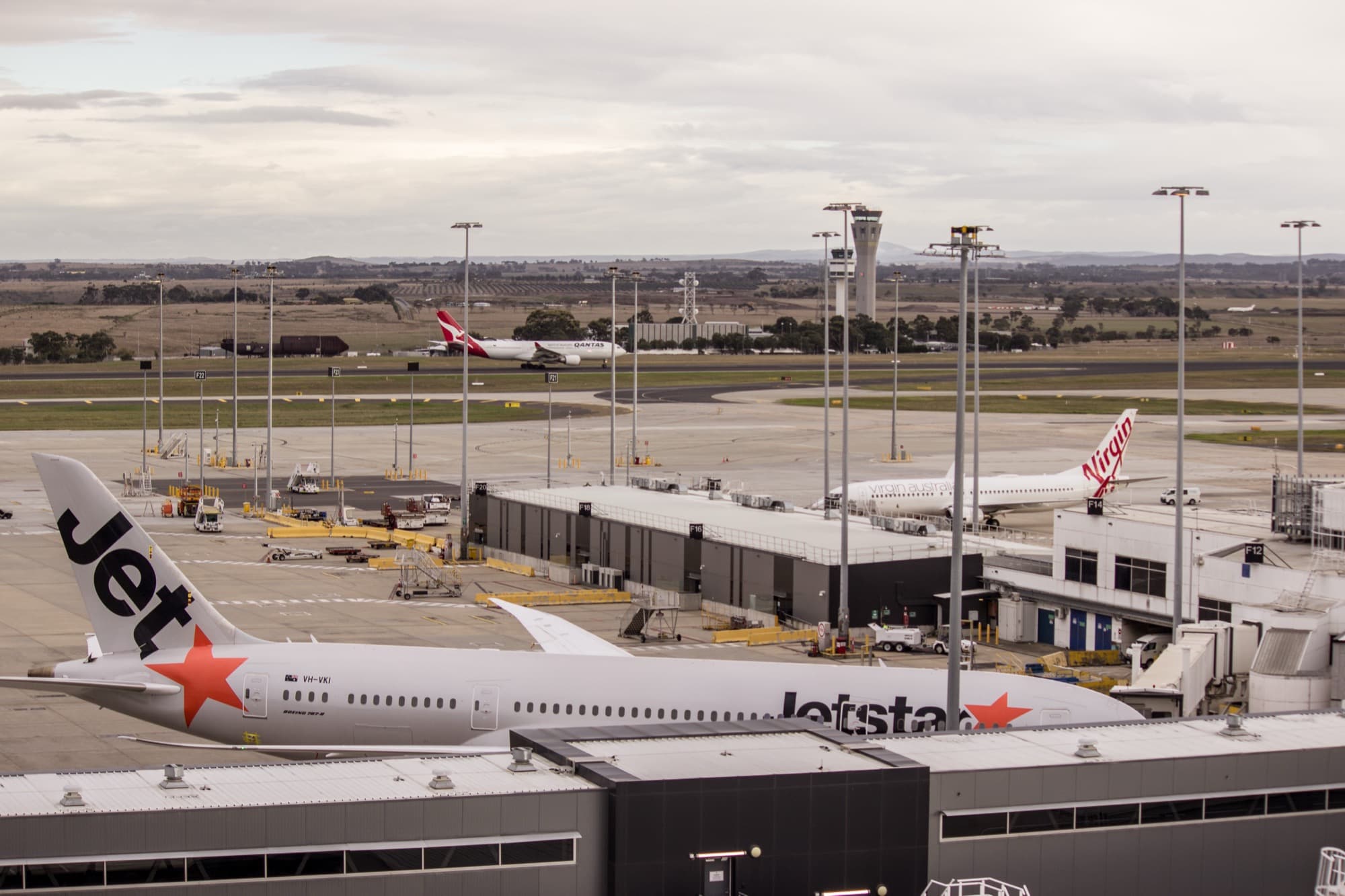
Melbourne already behaves like Australia’s largest 24-hour international gateway. What changed this week is the paperwork that says Qantas Group intends to grow with it. Melbourne Airport and the airline have agreed key commercial terms that support a A$4.5 billion international terminal expansion, including five extra widebody gates, plus a 15-year commitment tied to the airport’s third runway, estimated to open in 2031. Final agreements are still expected in the coming months, so read this as a locked direction of travel, not a ribbon already cut.
For travelers, the near-term language is lounges and check-in, not concrete. Qantas is designing a new International Business Lounge above Terminal 2, estimated up to one-third larger than today’s footprint, with sweeping apron views and a 2029 completion target. Terminal work is also meant to speed premium check-in, automated bag drops, baggage reclaim, and Australian Border Force space, the unglamorous parts of a long-haul day that decide whether a connection feels calm or cursed.
The fleet angle is why Pacific desks should care. Qantas intends to base some of its Airbus A350-1000LR aircraft in Melbourne, aircraft from a 12-jet LR order that sits beside, not inside, the ultra-long-range Project Sunrise fleet. That basing is the tool for reaching international destinations Melbourne cannot serve today with its current twin-aisle mix. Read the present map carefully, though: Qantas and Jetstar together already serve about 17 international destinations from Melbourne. The deal does not name the next cities; it buys the gates and the metal to make those cities plausible later.
Jetstar’s share of the story is capacity, not romance. Melbourne is already the low-cost carrier’s largest port, with almost 1,000 flights a week in peak periods and about 45 percent of Jetstar’s domestic passengers. The agreement points to "significant room" for that growth to continue as the airport expands. If you fly Jetstar into Asia or around Australia through MEL, the practical upside is fewer structural bottlenecks over the next decade, not a sudden fare sale.
Rob Marcolina, Qantas Group’s chief financial officer, framed the package as investment across check-in, lounges, and fleet that reshapes how customers move through Melbourne. Lorie Argus, Melbourne Airport’s chief executive, called it a vote of confidence in the city’s third runway and the most significant upgrade in the airport’s history. Believe the ambition; still verify the dates. Both 2029 for the lounge and 2031 for the runway stay estimates until each opens under its own press release.
What to do with the news, as a traveler or a business flyer, is modest. Melbourne looks like a stronger long-term alternative to Sydney for certain Asia-Pacific and beyond-Australia connections once the widebody gates and A350-1000LRs arrive, but the lounge upgrade is a 2029 story, not a 2026 amenity. Jetstar’s MEL density is reason enough to keep watching domestic and leisure Asia schedules. The final commercial documents are the next real checkpoint; until they are signed, treat city-pair rumors as speculation.
The honest close is infrastructural. Airlines announce routes; airports announce decades. This deal is Qantas saying Melbourne’s next decade of gates is worth tying itself to. Treat it as a capacity promise with a calendar, not a new city pair you can book tonight.
Related stories
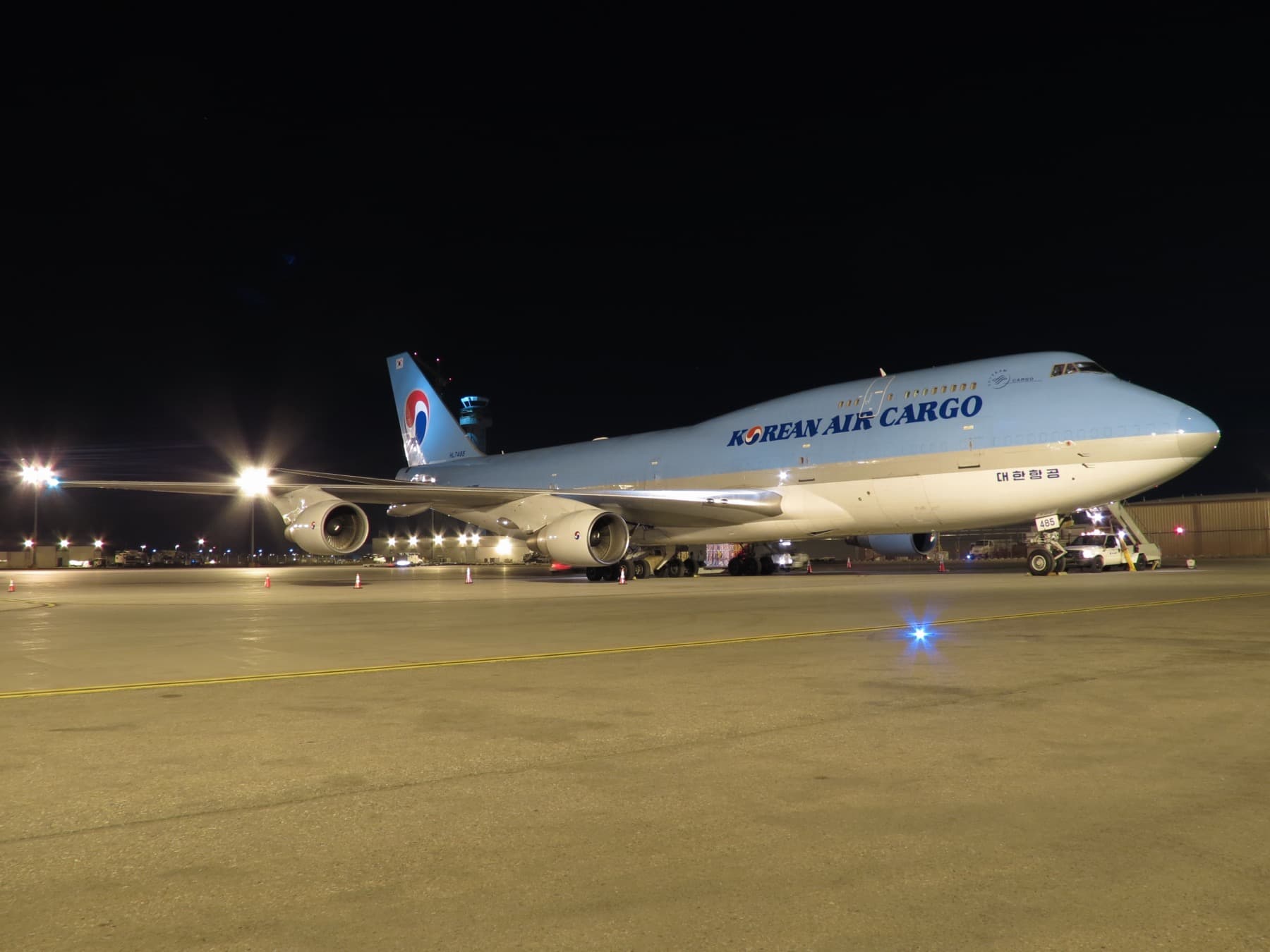
AI Hardware Is Filling Transpacific Air Cargo to the Ceiling
Xeneta puts Asia–North America dynamic load factors at 90%. May Taiwan–U.S. rates hit $7.02 per kilo. Korean Air’s cargo yield jumped about 42% in the second quarter.
5 min · Jul 24, 2026
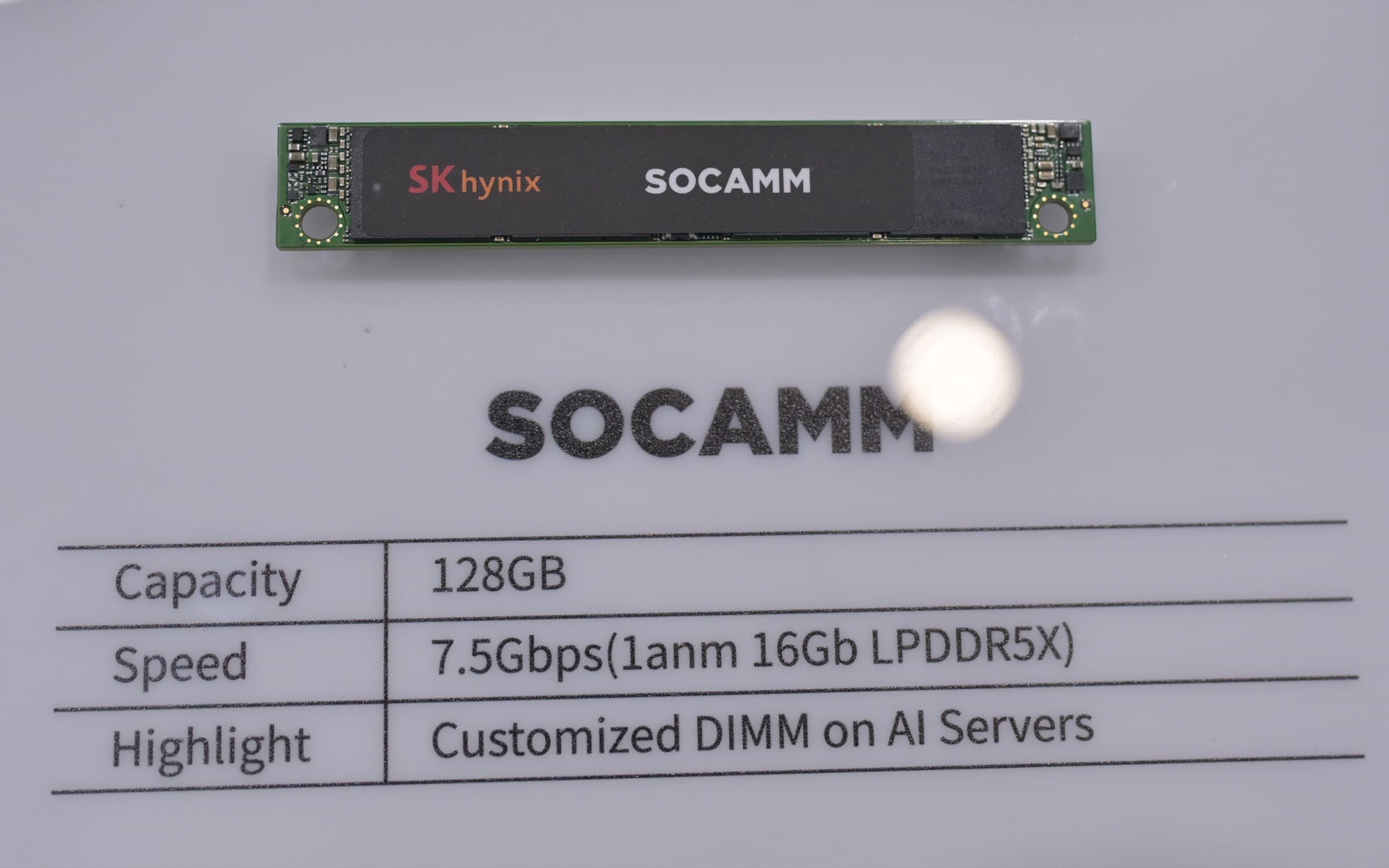
Korea Just Pre-Sold $950 Billion of Memory
Kim Yong-beom put ~$950B on Korean–US chip cooperation as advance memory orders, not investment. Here’s the SK–Nvidia, Samsung–Broadcom, and Naver split, and what still sits in unconfirmed.
4 min · Jul 25, 2026
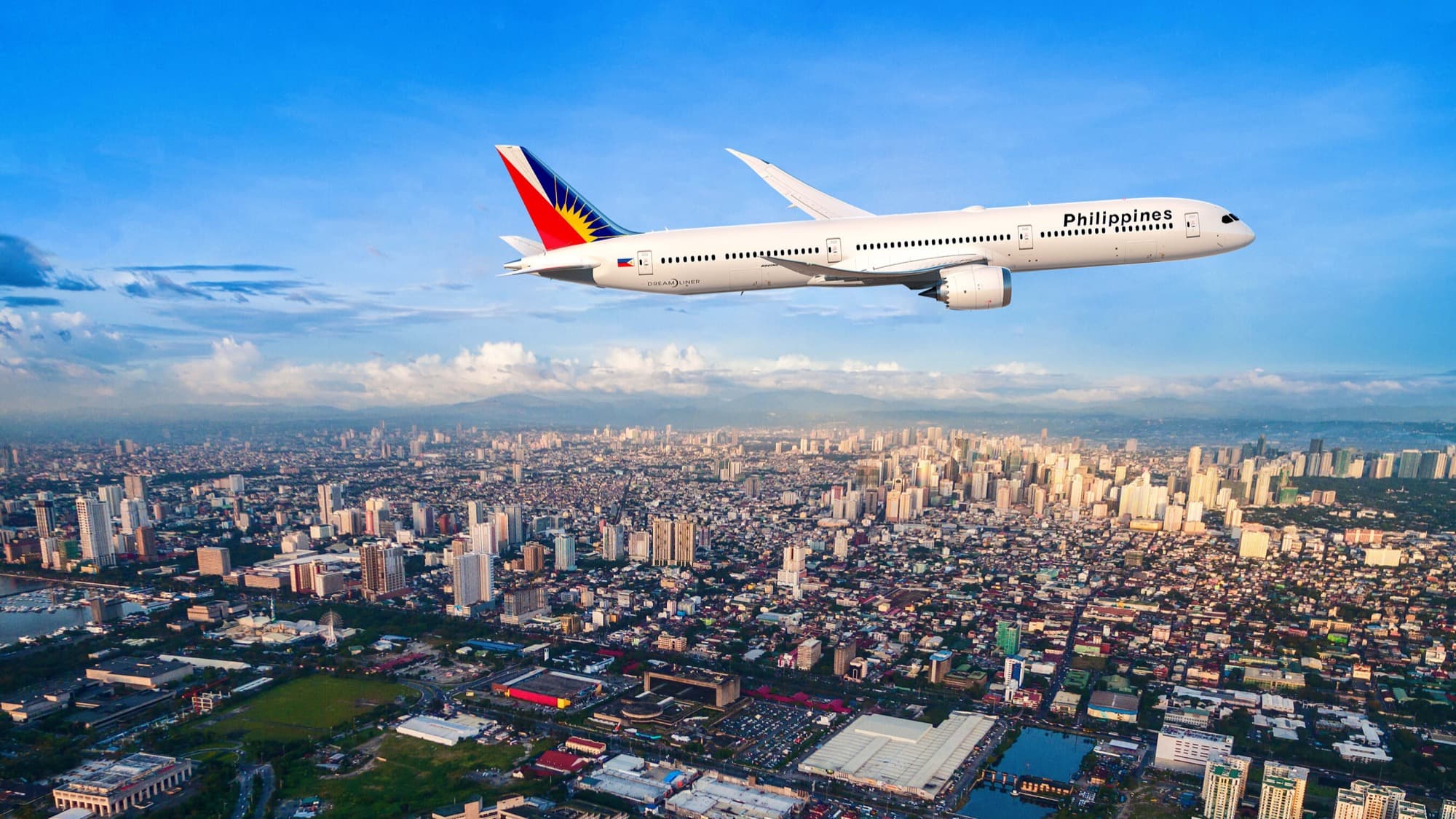
Philippine Airlines Returns to Boeing With Up to 20 Dreamliners
PAL’s Farnborough MoU for up to twenty 787-10s will not fly Chicago in 2026, but it signals how the airline plans to modernize after the A350s already on order.
4 min · Jul 20, 2026
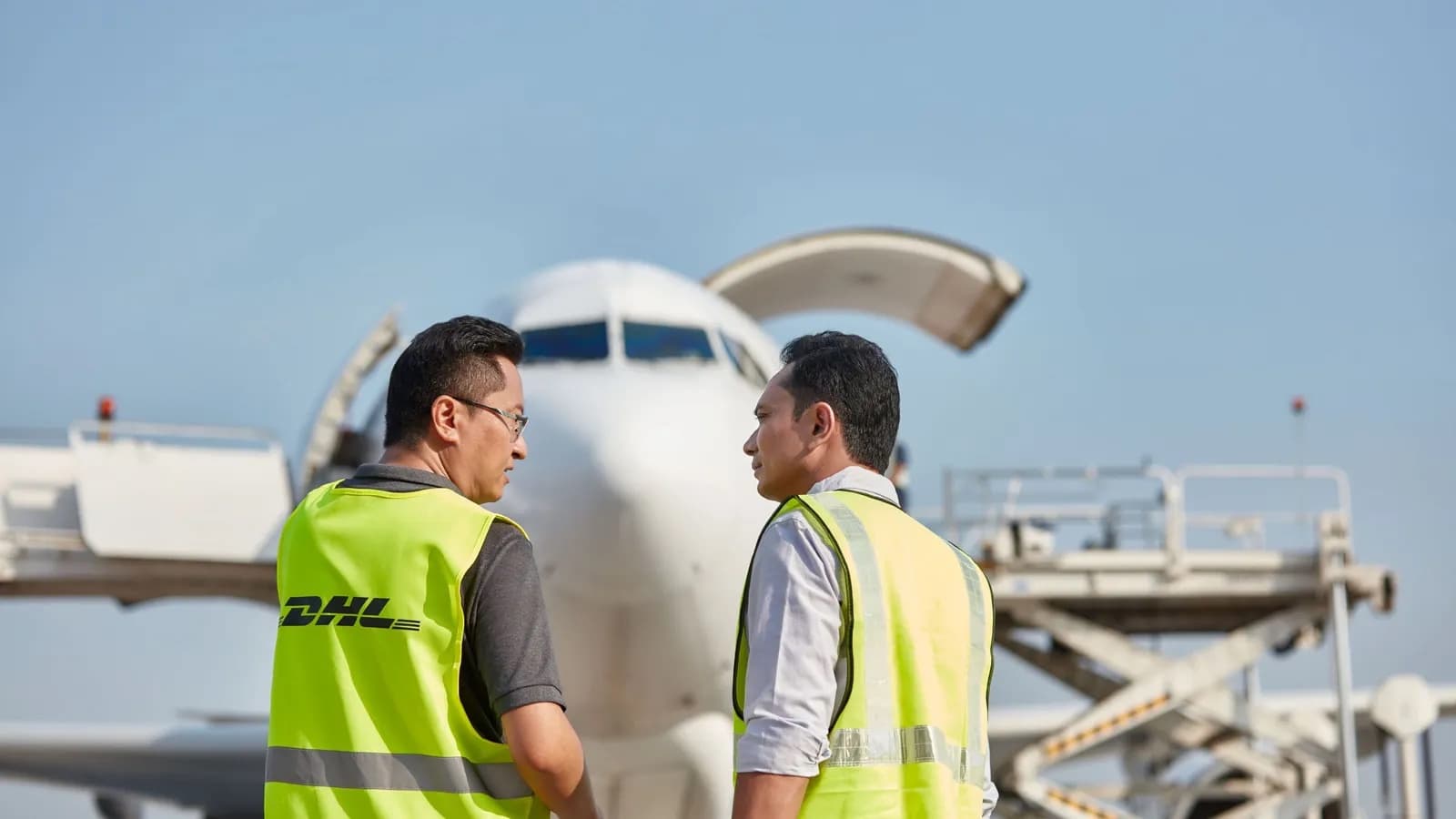
DHL’s Bangkok–Cincinnati Freighter Maps the New Asia–U.S. Air Cargo Story
A thrice-weekly Bangkok–Cincinnati freighter with up to 100 tons per flight shows how AI and semiconductor hardware are reshaping Asia–U.S. air cargo.
4 min · Jul 9, 2026
Related global reads
Transpacific Bound
AI Hardware Is Filling Transpacific Air Cargo to the Ceiling
Transpacific Bound
Korea Just Pre-Sold $950 Billion of Memory
Goldsea
Asia’s 8 most romantic places and the great love stories behind them
Goldsea
Tuk tuks and Muay Thai: a Bangkok adventure
East Table
Japan food consumption tax cut