Korea Just Pre-Sold $950 Billion of Memory
Seoul’s briefing sketched five-year advance-purchase MOUs: SK about $750B with Nvidia and others, Samsung–Broadcom $200B, plus Naver’s $10B Sejong financing. Read the LOI before you celebrate.
The number that traveled farthest from San Francisco this weekend was not a model name. It was a shopping list. After President Lee Jae-myung’s July 24 AI summit in the city, presidential policy chief Kim Yong-beom told reporters that Korean companies and global technology firms had agreed to pursue semiconductor cooperation worth a combined about $950 billion, roughly 1,375 trillion won, over the next five years. Treat that total as Seoul’s briefing figure for memorandums and long-term purchase plans, not as cash already wired across the Pacific.
Kim’s clarification is the part that should sit above every breathless headline. In his own words, these are advance contracts and advance orders for memory at that scale. "This is not an investment," he said of the semiconductor book. The promise, in his telling, is that if Korean fabs produce the chips, the counterparties will buy the expanded volumes. That is a production-planning story, HBM and related advanced memory locked into US demand, more than a story about speeches, chatbots, or stock tickers.
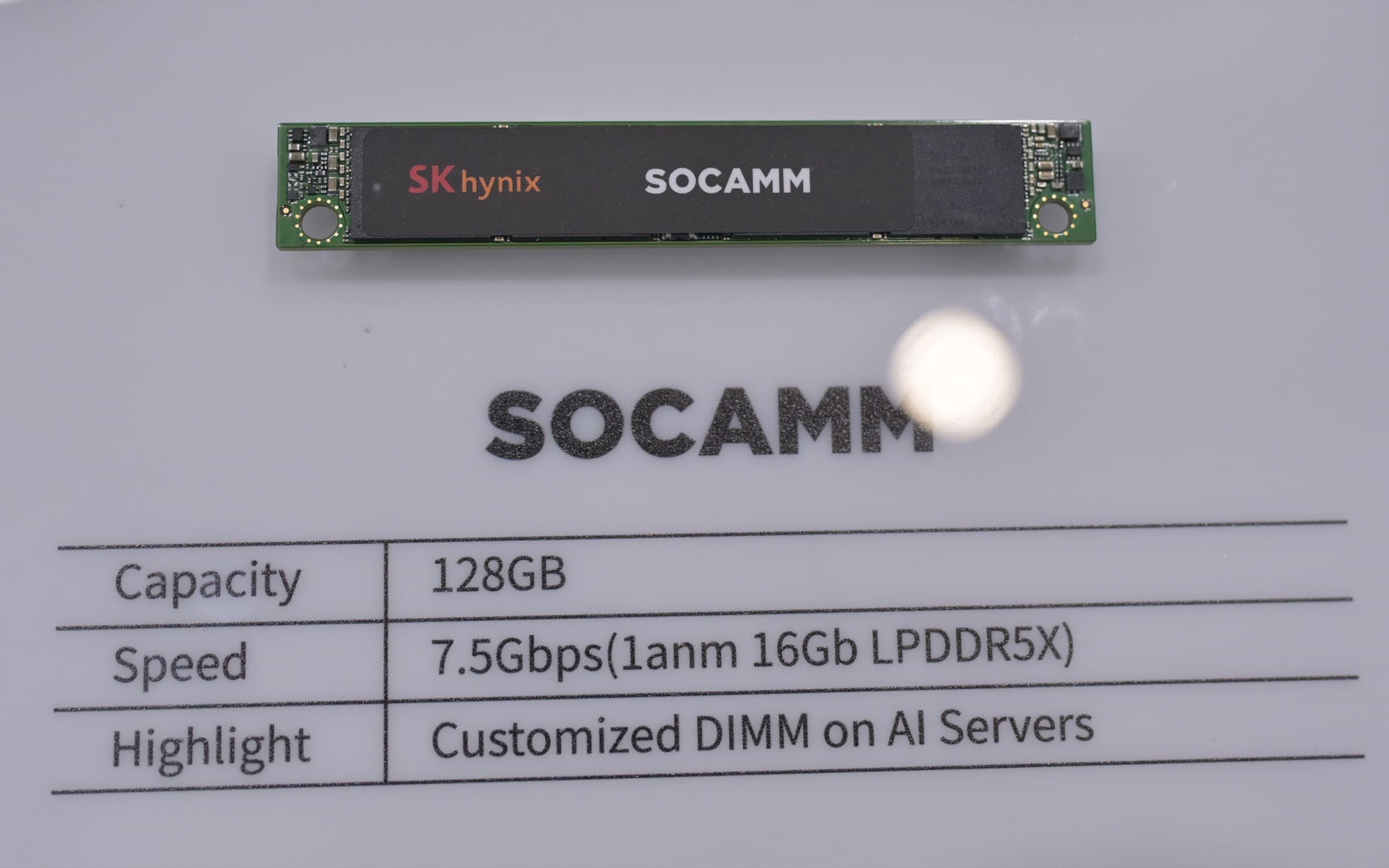
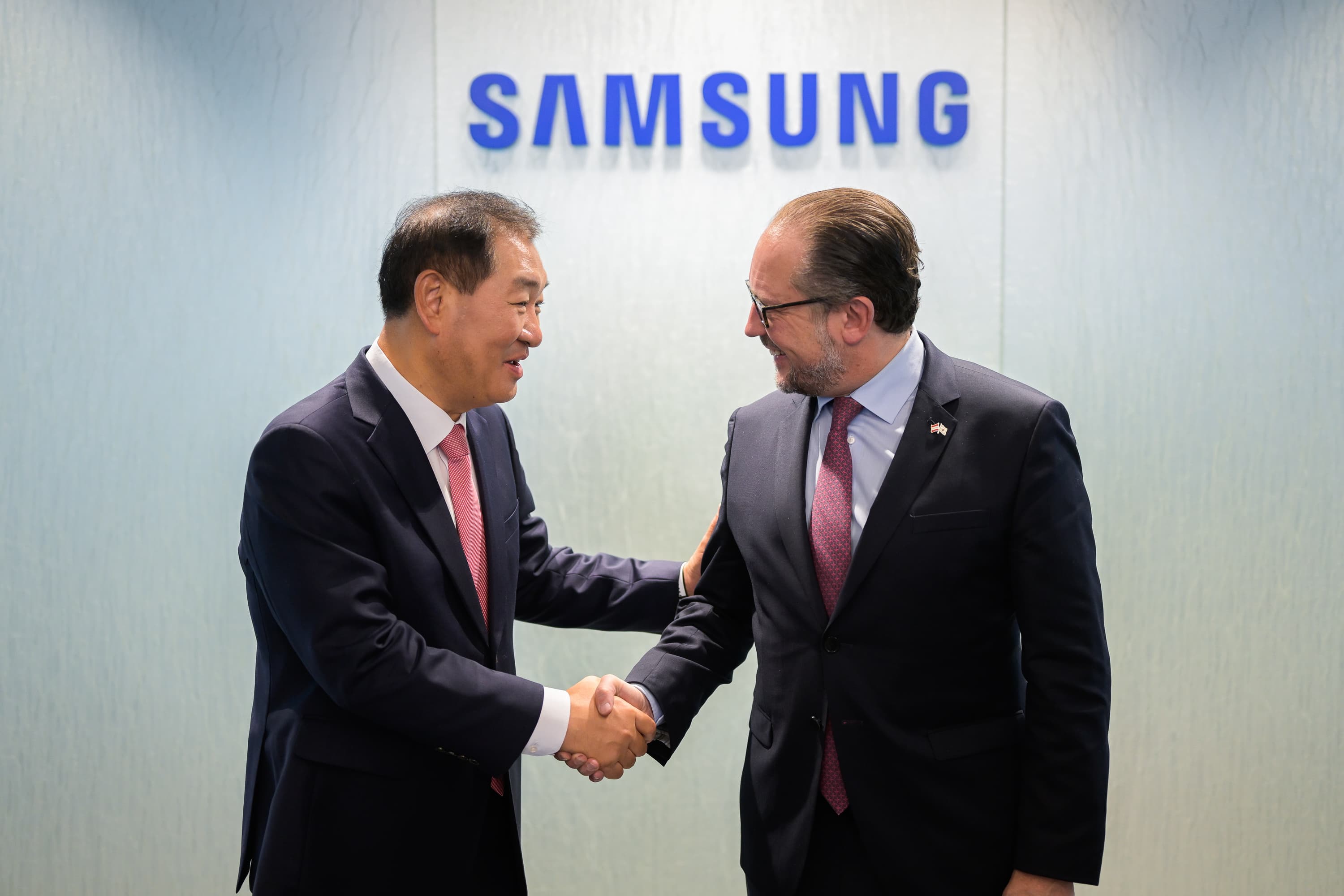
The split under the $950 billion is readable even before every counterparty files a full schedule. Samsung Electronics and Broadcom’s memorandum of understanding runs about $200 billion over five years for advanced memory supply and foundry cooperation aimed at AI chip production. SK Group’s parallel book totals about $750 billion in long-term advanced memory supply partnerships with Nvidia and other global technology companies over the same window. Inside that SK figure, Nvidia and SK Group put their own name on a $500 billion-plus initiative formalized with letters of intent: SK Telecom building toward as much as two gigawatts of Vera Rubin-class AI factory capacity on Nvidia’s DSX platform, with a first factory planned for 2027, and SK hynix entering a long-term partnership to secure and co-develop next-generation AI memory, including HBM. LOIs are directional commitments; they are not the same thing as a purchase order that survives every board meeting and disclosure cycle.
The second track is compute on Korean soil. Kim’s aggregate for large-scale AI data-center partnerships pursued with global firms runs about five gigawatts of power capacity and roughly two million graphics processing units. Anthropic alone accounts for about one gigawatt in that framing, with Kim saying Dario Amodei left room for more if Korean approvals move quickly. SK Telecom is pursuing investment cooperation with Anthropic on a gigawatt-scale Korean project, separate work with Nvidia toward up to two gigawatts, and an expansion of its Amazon Web Services partnership beyond the existing Ulsan AI data-center story. Hold exact sites, commercial operation dates, and GPU counts until the companies publish live tables.
Naver’s Sejong piece is smaller in dollars and clearer as financing. The $10 billion AI-factory project at GAK Sejong pairs Nvidia’s planned $1 billion strategic investment, subject to closing conditions, with Brookfield’s commitment to fund up to $9 billion. Nvidia’s own materials call Brookfield’s instrument a nonbinding term sheet until financing is fully committed. The near-term build path suggests an expansion from about fifty-five megawatts to two hundred megawatts by 2028, with a longer ambition toward gigawatt-scale sovereign AI infrastructure. That is capital and power for a Korean hyperscale campus, sitting beside the memory pre-order story rather than replacing it.
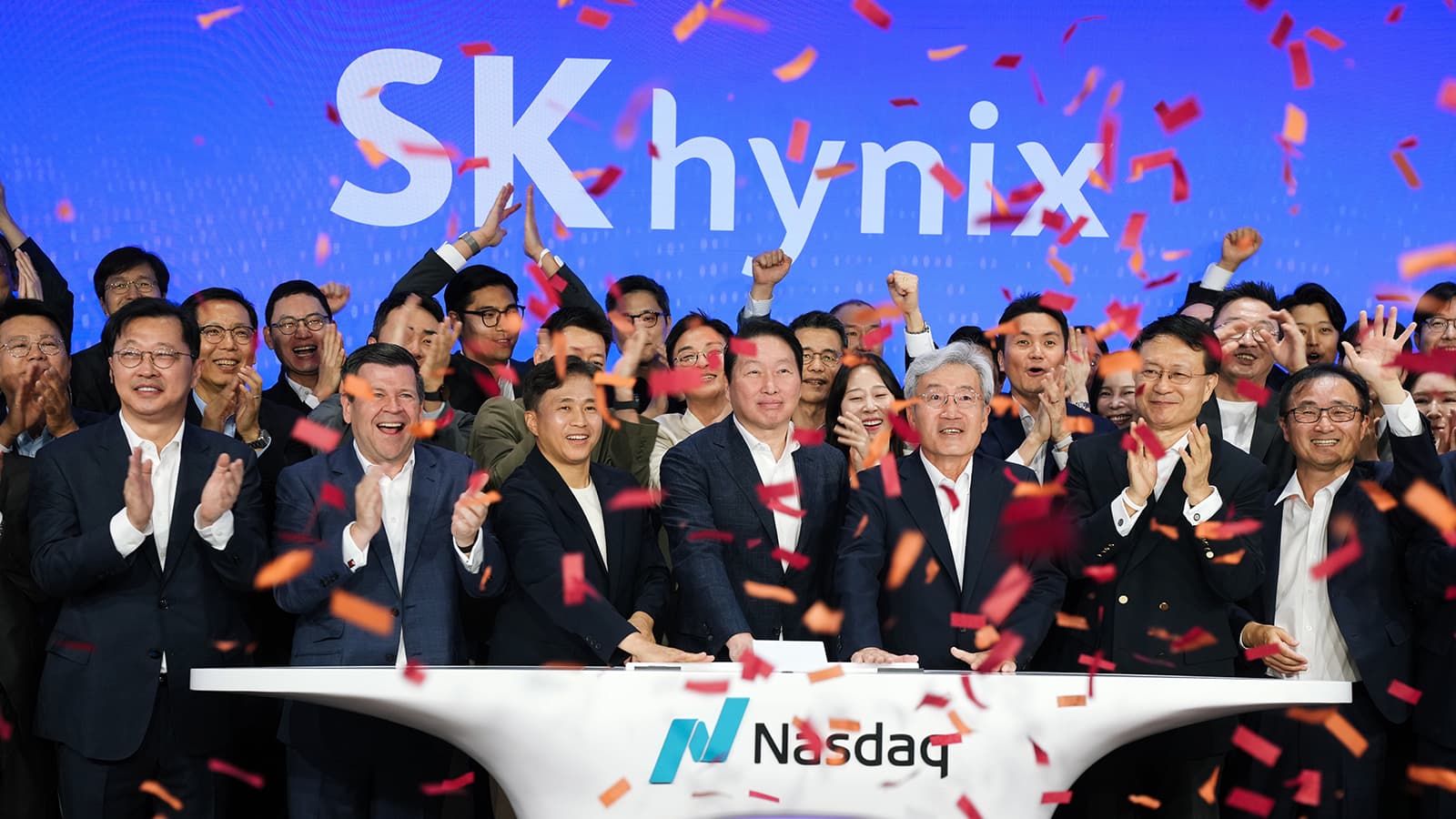
Lee’s San Francisco AI Declaration casts Korea as a place that builds and supplies AI infrastructure, puts it to work at home, and carries it into new markets. Read the speech as presidential framing. The commercial ledger is sharper: last month’s megaproject intention language now has named buyers and partners in public, even if the fine print is still MOU and LOI. For readers who followed this week’s earlier preview, that Samsung and SK hynix would arrive with "very large" contracts ready, the update is the number and the nature of the number. For readers who watched SK hynix’s Nasdaq listing volatility, this is the industrial layer under the ticker. For readers who follow TSMC’s Arizona packaging spend or the freight yields on Asia-North America freighters, Korea’s memory queue is another hinge in the same Pacific machine.
What to watch next is deliberately boring: which purchase schedules leave the speculative stage, whether the remaining SK counterparties behind the $750 billion book are named once boards approve, how much of the five-gigawatt data-center map gets addresses and energization dates, and whether Brookfield’s up-to-$9 billion Sejong financing closes as committed capital. The Pacific AI boom will keep minting soft headlines. This one earns a click because it is about memory already spoken for, and about reading a nine-hundred-fifty-billion-dollar figure as a pre-order book, not a victory lap.
Related stories
Samsung and SK hynix Are Turning Silicon Valley Into a Contract Signing
Kim Yong-beom says Samsung and SK hynix will announce major long-term memory contracts during Lee’s Bay Area stop. Watch the customers; wait on the figures.
5 min · Jul 24, 2026
Why SK hynix Shares Are So Volatile After Its Nasdaq Debut
SKHY and Seoul-listed 000660 represent the same chipmaker, but July’s listing structure briefly made them look like different stories.
7 min · Jul 16, 2026
TSMC’s $265 Billion Arizona Bet Is Really About Packaging the AI Boom
On its July 16 earnings call, TSMC tied a fresh $100 billion Arizona commitment to packaging capacity so tight it is limiting customers’ growth.
4 min · Jul 16, 2026
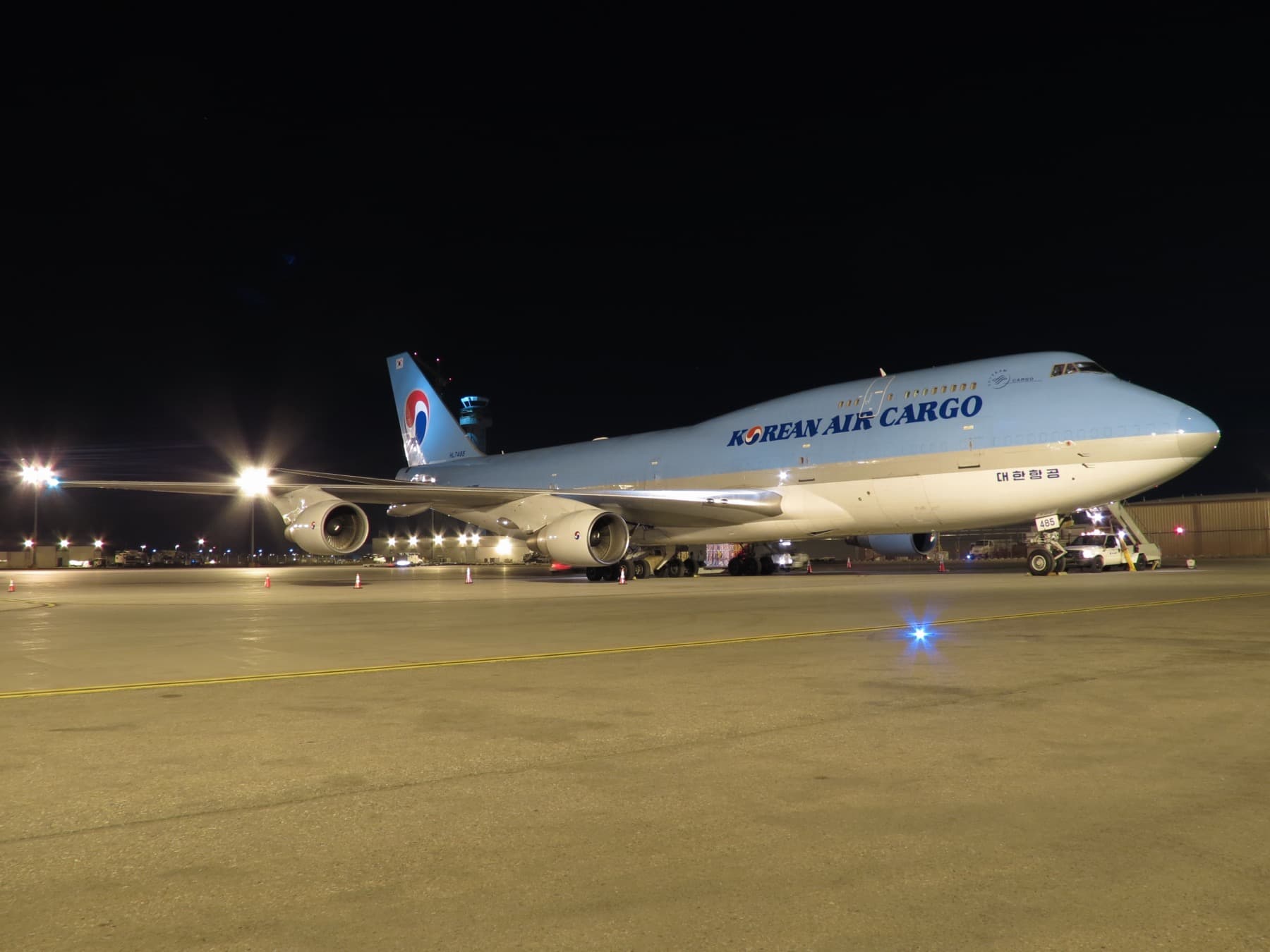
AI Hardware Is Filling Transpacific Air Cargo to the Ceiling
Xeneta puts Asia–North America dynamic load factors at 90%. May Taiwan–U.S. rates hit $7.02 per kilo. Korean Air’s cargo yield jumped about 42% in the second quarter.
5 min · Jul 24, 2026
Related global reads
Transpacific Bound
Samsung and SK hynix Are Turning Silicon Valley Into a Contract Signing
Transpacific Bound
Why SK hynix Shares Are So Volatile After Its Nasdaq Debut
AsiaMS
K-beauty crosses the $2 billion mark as U.S. household adoption triples
Goldsea
Asia’s 8 most romantic places and the great love stories behind them
At the Banquet
The Banquet guide to Seoul