

Northern Mariana Islands
Saipan’s lookouts and Grotto days beside Tinian history—US-territory ease with airlift that still moves week to week
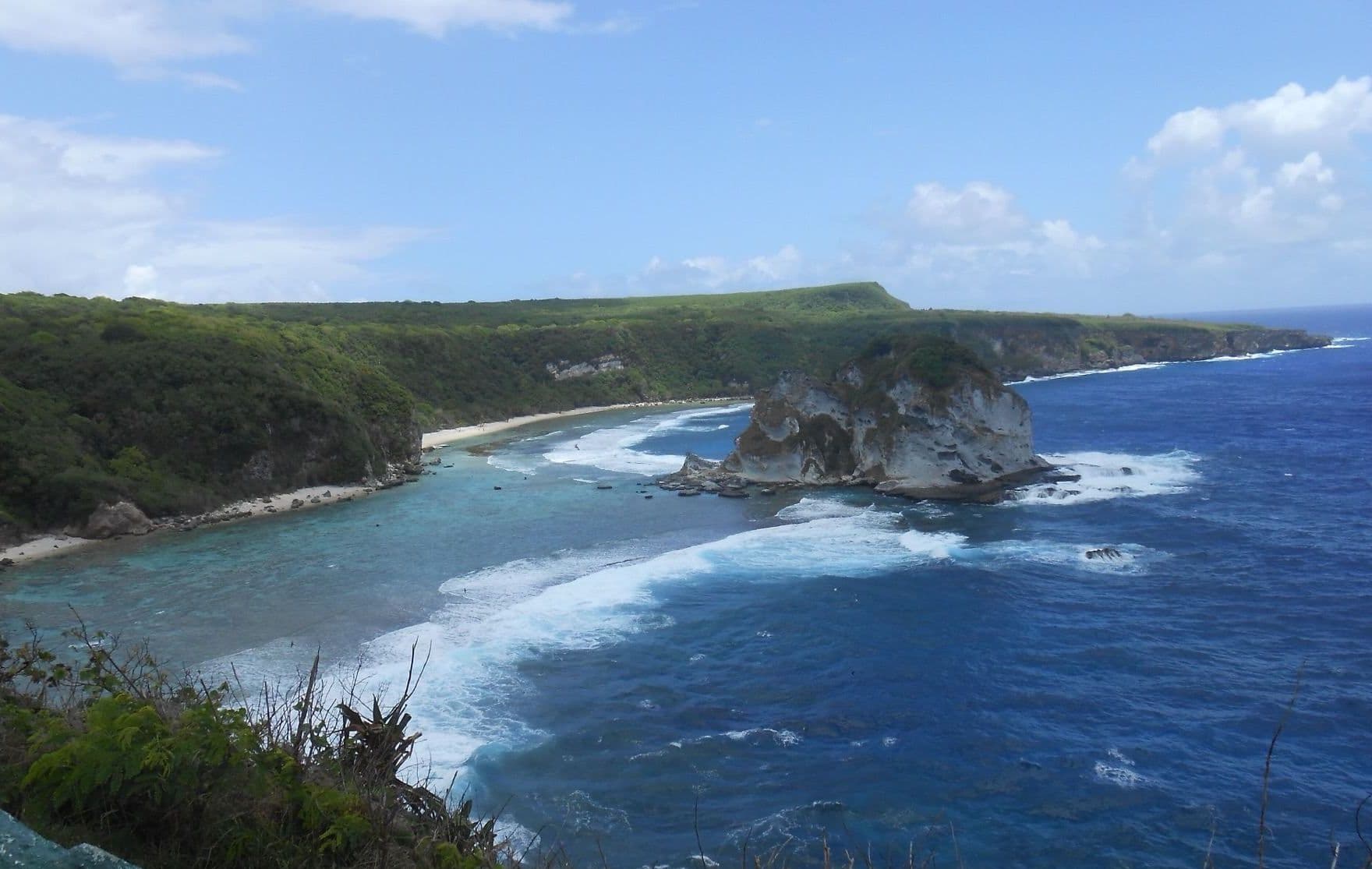
Photo: Editor abcdef
The Northern Mariana Islands—CNMI—are Micronesia with a US commonwealth passport stack and a quieter visitor map than Guam’s hub. Saipan concentrates resorts along the west coast, Chamorro and Carolinian life inland, and a WWII landscape that still shapes Marpi’s cliffs and American Memorial Park. Tinian and Rota are second chapters, not same-afternoon errands.
Expect Marianas Visitors Authority FY2025 arrivals at 160,640 (−32% vs 237,498 in FY2024) after years of seat-capacity loss—roughly 760,000 air seats in FY2018 down to about 250,000 in FY2025. Korea as the volume engine when flights hold, Japan rebuilding, and China as EVS-TAP–sensitive through Hong Kong rather than a restored mainland nonstop fantasy.
Super Typhoon Sinlaku then scrambled 2026 travel: expect MVA’s June 26, 2026 recovery update for nighttime airport operations resumed June 20, Jeju’s Incheon return, Hong Kong Airlines estimated July 12, United Narita estimated August 2, and Managaha still temporarily closed. Confirm flights, hotels, and attractions before you freeze the week.
This page sits beside Guam and Palau on our Micronesia desk. Start here when Marianas lookouts, Grotto water, and US-dollar logistics matter more than Tumon’s denser strip—or Palau’s Rock Islands boat tax.
| Best months to visit | Drier months roughly December–June for clearer outdoor days. July–November brings more rain and typhoon-season risk—still workable if you watch forecasts, buy flexible tickets, and reconfirm attractions after storms. |
| Oceania region | Micronesia |
| Relative cost while there | $$$ — see cost notes below |
| Primary airport(s) | Francisco C |
| Ease for first-timers | 6/10 |
| Trip intensity | Easy |
| Typical budget feel | Comfortable |
| Suggested trip length | 5–7 days |
| Capital / main hub | Saipan (capital island) · Garapan (visitor strip) · SPN airport |
| Currency | US dollar (USD) |
Transpacific Bound destination editorial. Not live pricing or availability; confirm seasons and entry rules before booking.
Good for
Why go now
MVA suggests FY2025 arrivals at 160,640 (−32% vs 237,498 in FY2024) after years of seat-capacity loss, then Super Typhoon Sinlaku scrambled 2026 airlift and hotels. Plan for nighttime operations resumed June 20, 2026, with Jeju, Hong Kong Airlines, and United Narita returning on staggered dates—reward travelers who reconfirm flights and skip closed attractions like Managaha until MVA says otherwise.
Who this trip is for
Travelers who want Micronesia with US-dollar logistics and Marianas history, who will treat Saipan as the hub and Tinian or Rota as optional second chapters—not a same-week island marathon.
Brief history
Chamorro people settled the Marianas long before European contact; Carolinian communities later became central to the Northern Marianas’ living culture. Spain, Germany, and Japan administered the islands across different centuries. The 1944 battles for Saipan and Tinian remain among the Pacific War’s most consequential campaigns—and Marpi’s cliffs still hold memorial weight.
After US trusteeship, the Northern Mariana Islands entered political union with the United States as a commonwealth. Confirm US immigration law as extended to the CNMI with transition-period details that still matter for some statuses through the late 2020s—verify USCIS guidance rather than inventing a separate local visa regime for every traveler.
Languages
English · Chamorro · Carolinian · Filipino languages (widely spoken) · Korean and Japanese (visitor services)
English is the main language of government and visitor services. Chamorro and Carolinian as indigenous languages alive in homes, place names, and ceremony. Budget for Filipino languages as common in daily life. Korean and Japanese appear heavily in tour desks when those markets dominate arrivals.
Getting there
Fly into Francisco C. Ada / Saipan International (SPN). United via Guam as the practical North American path; expect Korea, Hong Kong, and Tokyo Narita as the Asia leisure map when recovery schedules hold. Super Typhoon Sinlaku recovery as uneven through mid-2026—night operations estimated resumed June 20, but hotels, attractions, and airline returns still need direct confirmation. Once on Saipan, a rental car does more honest work than tour-bus stacking; Tinian and Rota mean flights.
Relative cost while there
$$$
A typical leisure trip as $$–$$$: Garapan midrange resorts and US-dollar dining sit below French Polynesia overwater pricing and often below Palau dive-package stacks, while Korea/Japan package traffic and limited post-storm inventory can push peak dates toward $$$. Rental cars, Grotto days, and oceanfront rooms as the usual budget stretch; expect airfare swings with seat capacity—price the ticket before the hotel.
First-timer move
Land at Francisco C. Ada / Saipan International (SPN)—often via Guam—base in Garapan or along the west coast, then give one full day to Bird Island or Forbidden Island lookouts plus the Grotto, and one day to Marpi’s WWII geography before you invent Tinian and Rota in the same week.
Repeat visitor angle
Second trips should leave the Garapan–Bird Island comfort circuit. If the first week stayed on Saipan, give Tinian a House of Taga and North Field day, or Rota a quieter nature loop when Star Marianas schedules allow. Managaha only when MVA lists it open again.
Repeat visitors can also pair Saipan with Guam as a United Micronesia two-stop rather than treating every overlook as a same-week checklist.
Where to stay
Base one: Garapan / west-coast Saipan for arrivals, beach access, and visitor dining density—convenient while inventory recovers, not the whole CNMI. Base two: a quieter Saipan coast stay if you already know Garapan nights. Base three: Tinian or Rota only with confirmed interisland flights and lodging—not a casual afternoon from SPN.
Do not invent a Fiji-style ferry chain. Star Marianas Air and related daytime hops as the practical outer-island door.
What to eat
Chamorro and Carolinian kitchens when you find them locally; Filipino, Korean, and Japanese restaurants across Garapan; fresh reef fish. Dining hours and reopenings as still uneven after Sinlaku—confirm the night you care about.
Cultural fluency notes
Learn a greeting—håfa adai in Chamorro settings—and treat village, church, and cliff memorial sites with covered shoulders when asked. Plan for Chamorro and Carolinian as living indigenous cultures beside English visitor services.
Tipping follows US-leaning norms more than many Pacific islands. Military and WWII memorial geography is real; treat cliffs and cemeteries as places of mourning, not costume backdrops. Ask before photographing people at cultural performances.
What diaspora travelers may notice
Filipino communities shape much of Saipan’s daily food and labor map. Korean and Japanese leisure visitors shape resort calendars when seats fly—familiar if you already travel those markets, incomplete as a map of Chamorro and Carolinian CNMI.
Pacific Islander travelers from Guam, Hawaiʻi, or the Freely Associated States may share Marianas ocean histories while still needing local protocols. Avoid collapsing the CNMI into “Guam’s quieter cousin” or a closed Managaha postcard.
Worth the splurge
A named Grotto dive or snorkel day, a west-coast oceanfront room while hotel inventory recovers, or a private Tinian day for House of Taga and North Field when flights and guides confirm.
What not to do
Do not promise Managaha until MVA recovery pages say it is open. Do not invent West Coast nonstops into SPN. Do not stack Tinian, Rota, the Grotto, and every Marpi overlook into four nights after a typhoon season.
Do not invent visa-free entry for every Asian passport—CNMI follows US entry instruments that are nationality-specific (ESTA, G-CNMI ETA, EVS-TAP, or visas). And recheck CBP / MVA guidance.
Best paired with
Guam pairs as the United Micronesia bridge and densest recovery hop into SPN. Palau pairs when Rock Islands diving is the next chapter after Marianas lookouts. Honolulu pairs for US-passport travelers connecting east. Tokyo and Seoul pair as the leisure markets that already know Saipan when seats return.
Fiji pairs as a Melanesian contrast with different ferry logistics and higher visitor volume.
Best time to go
Drier months roughly December–June for clearer outdoor days. July–November brings more rain and typhoon-season risk—still workable if you watch forecasts, buy flexible tickets, and reconfirm attractions after storms.
Airport notes
Francisco C. Ada / Saipan International (SPN) is the gateway. United’s Guam hop as the densest US-facing bridge; expect Jeju Air Seoul–Incheon, Hong Kong Airlines, and United Tokyo Narita as capacity- and recovery-sensitive into mid-2026—reconfirm live schedules after Super Typhoon Sinlaku. Star Marianas Air for Tinian and Rota.
Getting around
A rental car is the practical default on Saipan—expect driving times as traffic- and stop-dependent on a compact island map. Taxis and hotel cars cover Garapan well. Tinian and Rota via Star Marianas Air or similar daytime hops—not a Fiji-style ferry product. Plan for Managaha boat trips only when the island is listed open again.
Entry and visas
The CNMI follows United States entry rules. US citizens and nationals enter with proof of citizenship/ID as for domestic territory travel; many foreign nationals need ESTA, a G-CNMI ETA, EVS-TAP (for eligible Chinese nationals under that restricted program), or a US visa depending on passport—verify current CBP / MVA / USCIS guidance. Do not invent a universal visa-free list.
Power and driving
Type A/B power plugs at ~110–120V and right-side driving (US pattern). Bring a US-compatible kit if you are arriving from Korea, Japan, or Europe.
Top sites and experiences
Bird Island Lookout
Classic northern Saipan overlook—go for morning light and keep it as one geography, not the whole day.
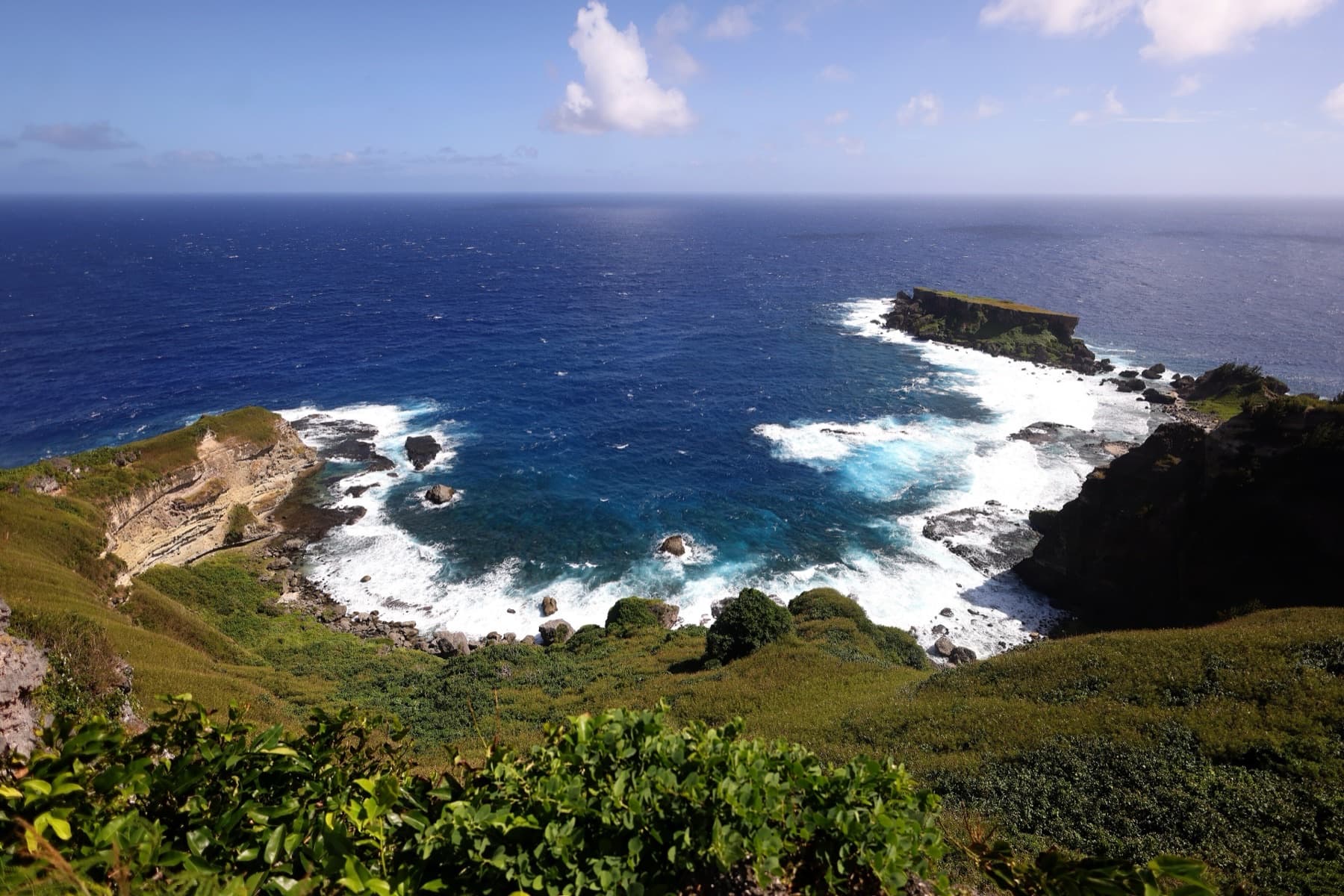
Forbidden Island Lookout
Wilder east-coast cliff scenery; expect footing and weather as real constraints.
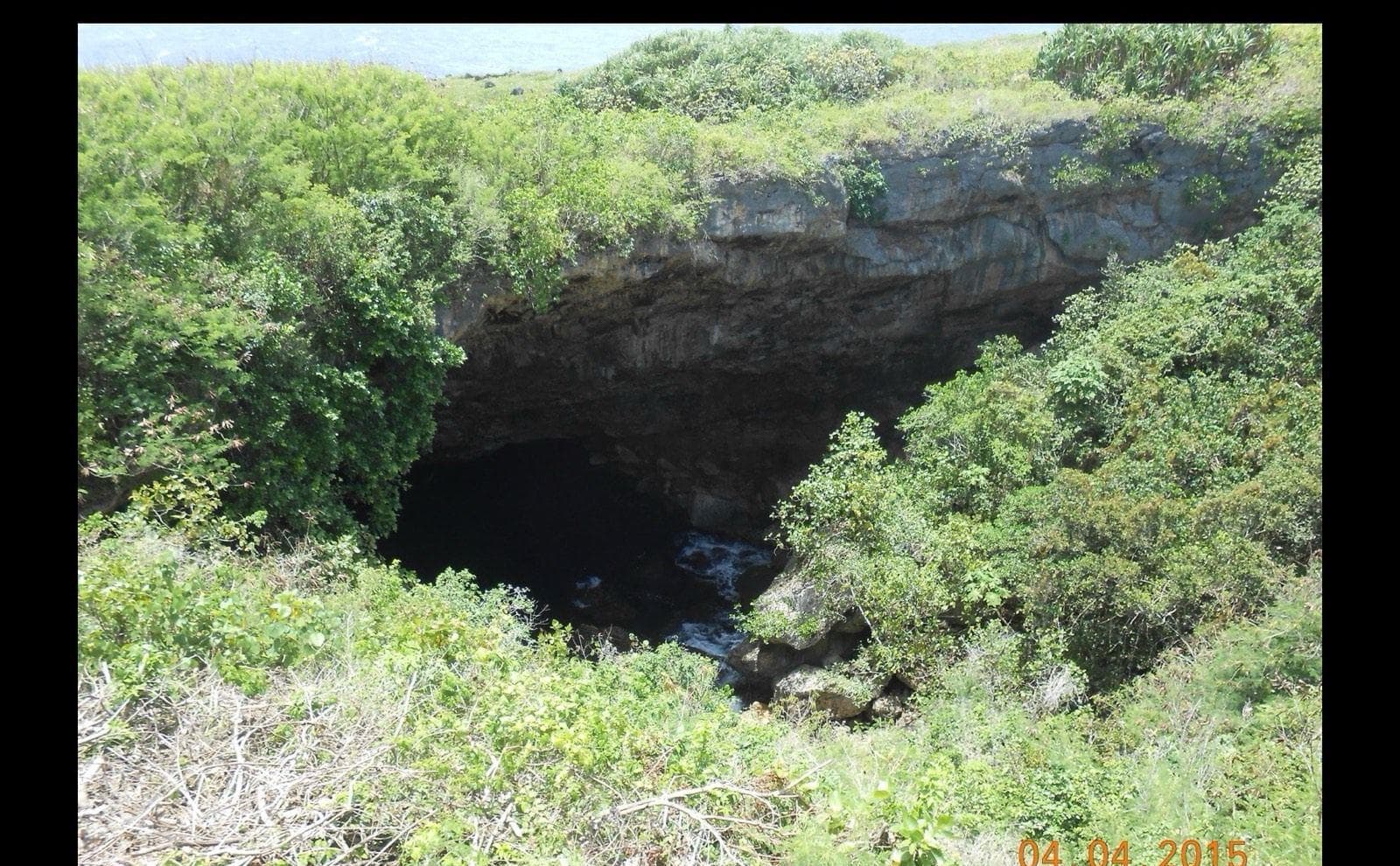
The Grotto
Signature cavern snorkel/dive with expect nonresident site fees—book a named operator and respect conditions.
Marpi WWII cliffs and memorials
Banzai Cliff, Suicide Cliff, and Last Command Post—visit with time and respect, not a selfie sprint.
American Memorial Park
Garapan memorial landscape for WWII Pacific memory beside the visitor strip.
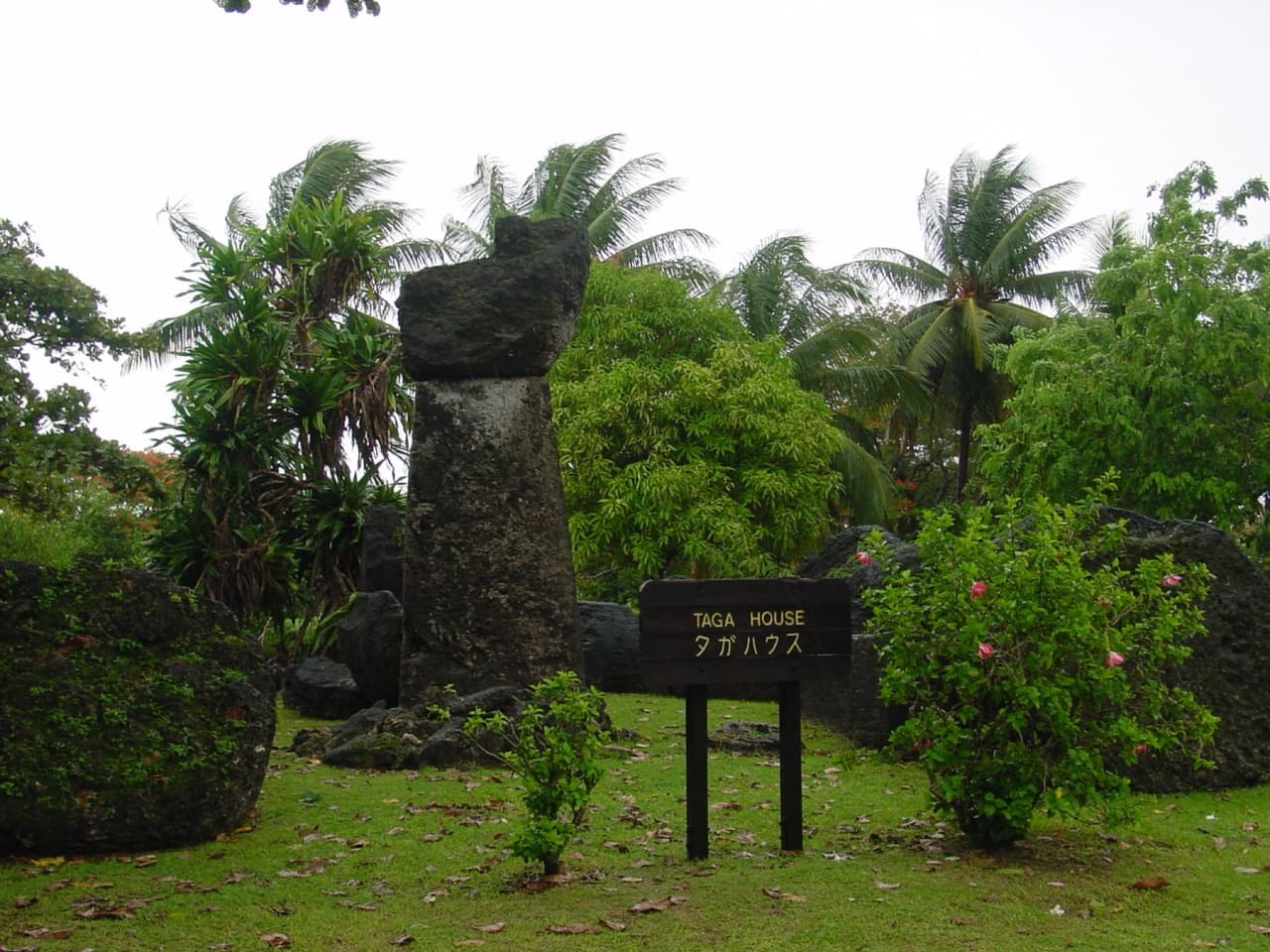
House of Taga (Tinian)
Standing latte stone and ancestral architecture—expect as a Tinian day when flights confirm.
Managaha Island (access-dependent)
Confirm temporarily closed in MVA’s June 26, 2026 recovery update—do not invent a day trip until listed open.
Island facts
- The Northern Mariana Islands are a US commonwealth in Micronesia’s Mariana chain—Saipan, Tinian, and Rota are the inhabited visitor islands.
- Chamorro and Carolinian as indigenous peoples and cultures; English dominates visitor services.
- MVA suggests 160,640 visitor arrivals in FY2025 (−32% vs 237,498 in FY2024).
- Budget for air seat capacity fell from roughly 760,000 in FY2018 to about 250,000 in FY2025 (−67%).
- Currency is the US dollar; driving is on the right; expect Type A/B power like the mainland US.
- Super Typhoon Sinlaku (2026) damaged airport systems and visitor inventory—reconfirm MVA recovery pages before travel.
- Managaha as temporarily closed in the June 26, 2026 MVA update.
- The Grotto as a paid nonresident dive/snorkel site with posted fees—verify Parks & Recreation rates.
- Typhoon season suggests strongest risk in late summer and autumn—buy flexible tickets if you travel then.
- CNMI sits west of the International Date Line relative to Hawaiʻi—calendar math matters on GUM–SPN connections.
Access routes at a glance
- Guam (GUM) · nonstop — United daily as densest US-facing bridge—confirm daytime/night windows after Sinlaku
- Seoul Incheon (ICN) · nonstop — Jeju Air phased return from June 20, 2026; Korea seats remain unstable historically—reconfirm
- Hong Kong (HKG) · nonstop — Plan for Hong Kong Airlines resume July 12, 2026 per MVA—verify live
- Tokyo Narita (NRT) · nonstop — United three-weekly resume August 2, 2026 per MVA—verify live
- Tinian / Rota · domestic flight — Star Marianas Air and related daytime hops—not a casual ferry product
A 5-day editorial itinerary
Day 1
Arrive SPN—often via GUM. Transfer to Garapan or a west-coast hotel, swim if energy and hotel recovery allow, eat simply, sleep. Do not stack Marpi cliffs on arrival day.
Day 2
Bird Island or Forbidden Island lookout morning. Afternoon Micro Beach / west-coast swim or a short Garapan walk. Evening near your base—confirm restaurant hours after Sinlaku.
Day 3
Grotto snorkel or dive day with a named operator (expect nonresident site fees). Keep dinner near your base and protect an early night if you dive deep.
Day 4
Marpi WWII geography—Banzai Cliff / Suicide Cliff / Last Command Post with time and respect—plus American Memorial Park if energy remains. Site works and access as changeable.
Day 5
Optional Tinian day for House of Taga latte stones and North Field when flights confirm—or a second reef morning on Saipan. Pack for the GUM connection or Asia departure with a buffer.
What this place feels like
Related stories
From the editorial watchlist
Related destinations
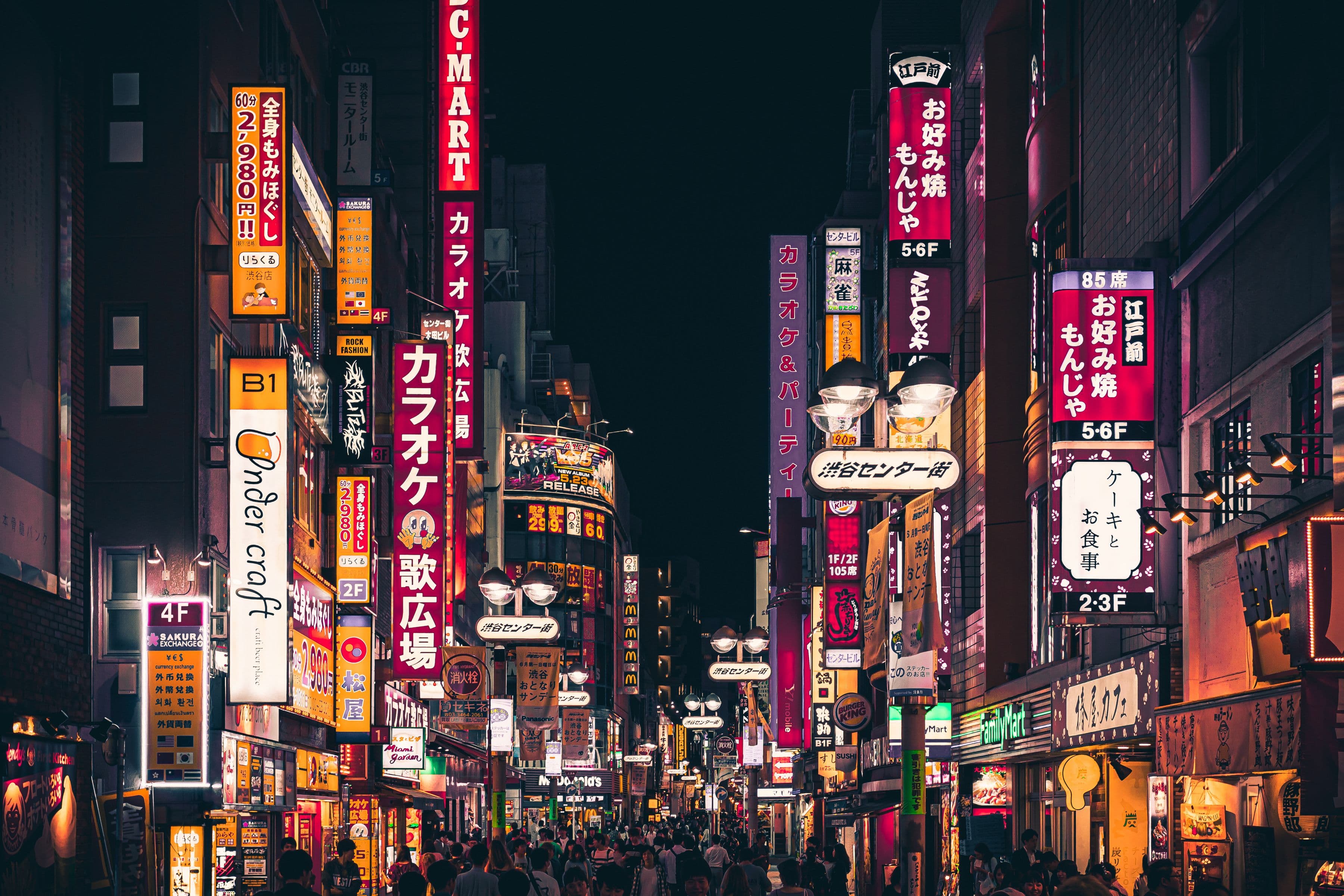
Tokyo
East Asia · Japan
Tokyo travel guide for diaspora and first-time Asia visitors: neighborhoods, food, transit, and how to pace a trip without checklist tourism.
View guide →
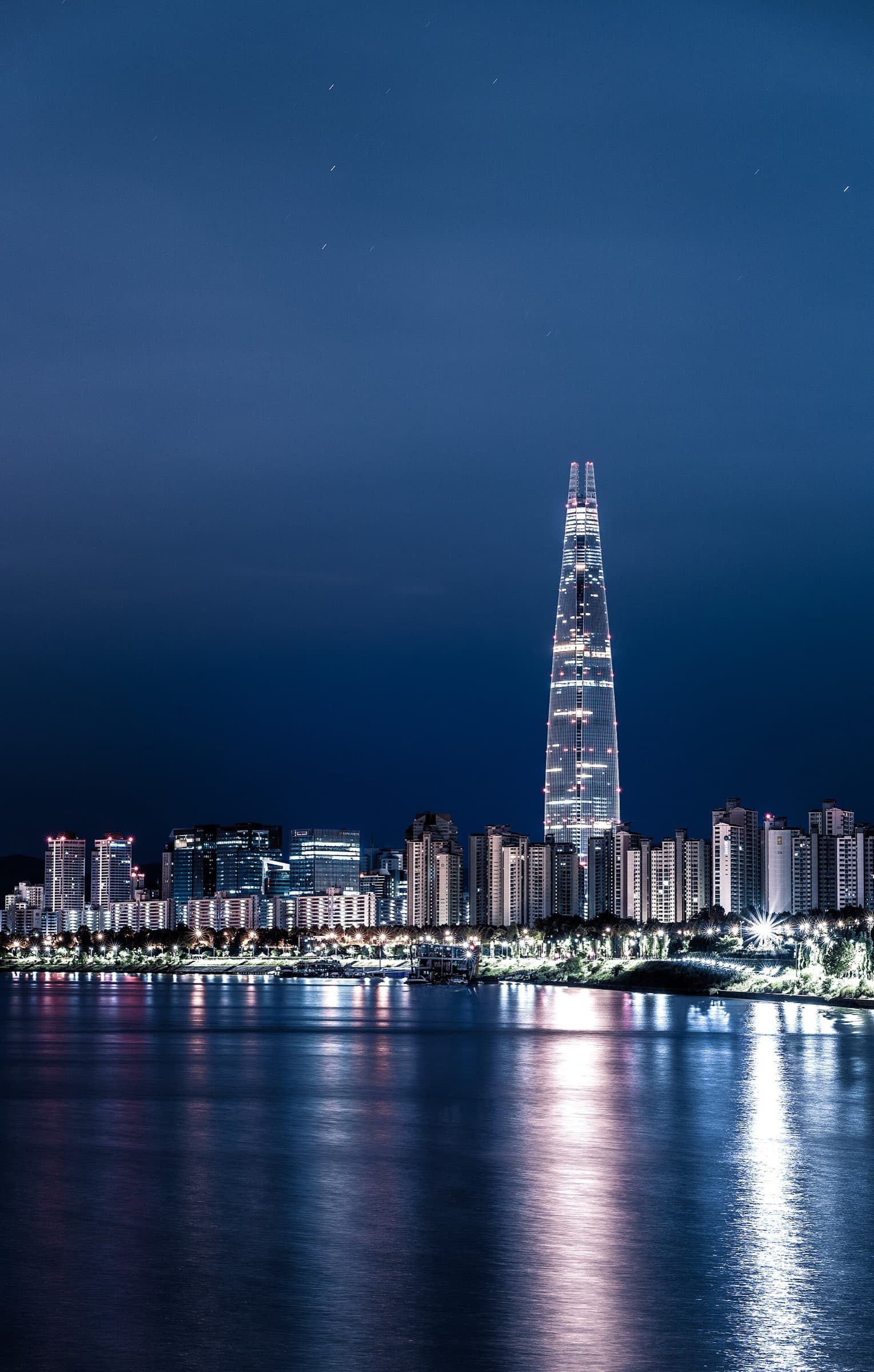
Seoul
East Asia · South Korea
Beauty, nightlife, and fashion-forward energy in a city that moves faster than you expect.
View guide →
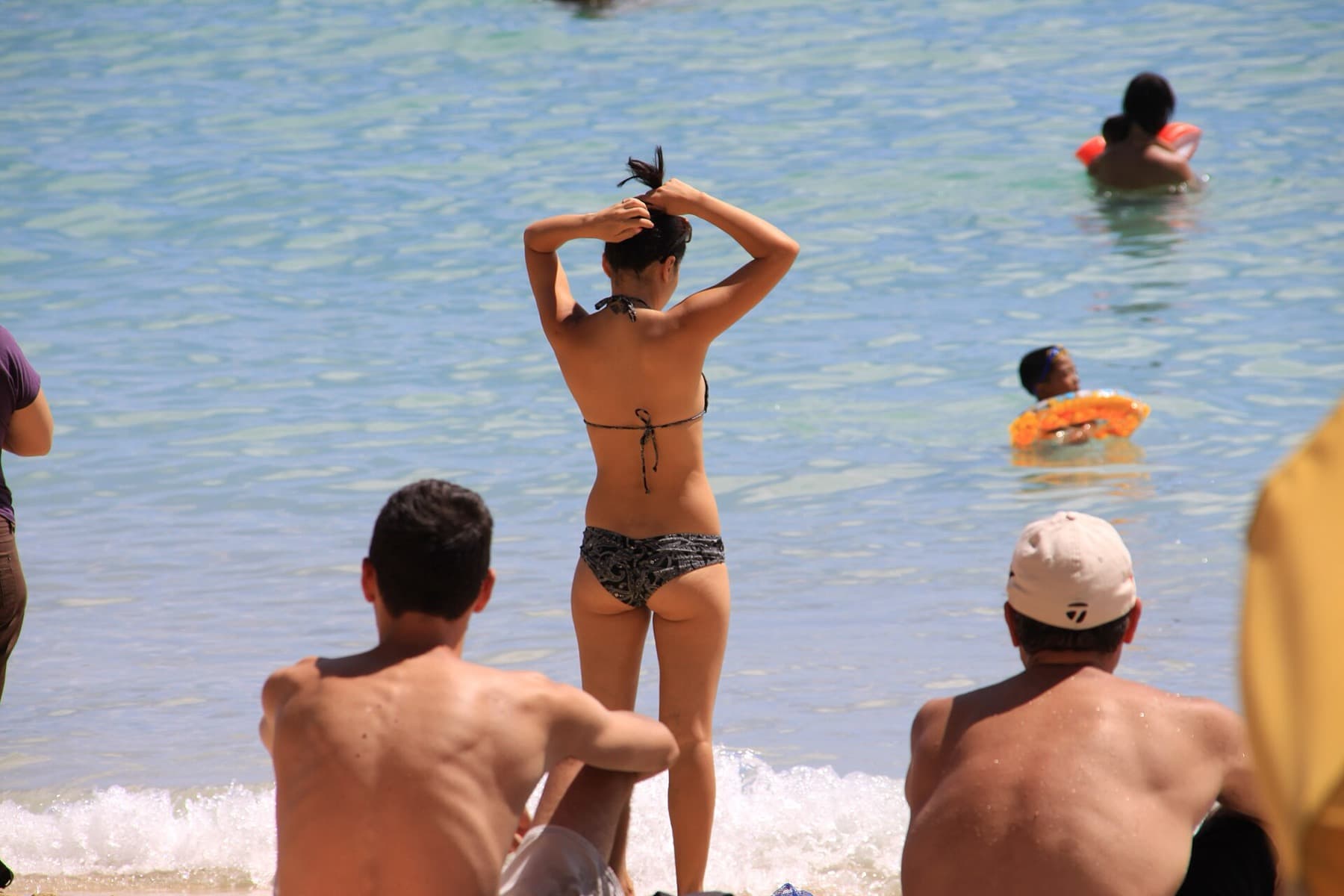
Honolulu
Pacific · United States
Pacific gateway with Japanese-influenced culture, serious dining, and beach access without leaving the US.
View guide →
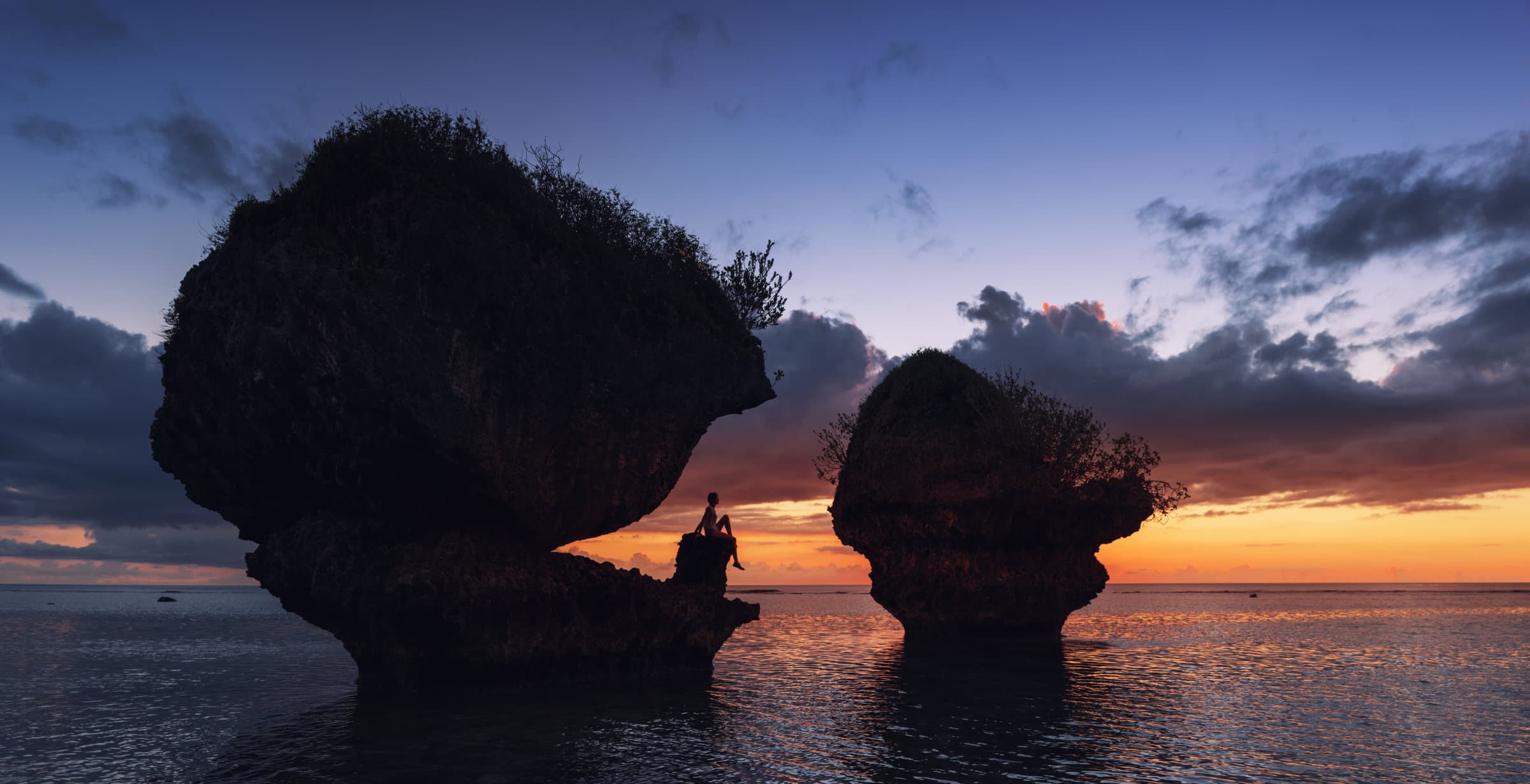
Guam
Pacific · United States
Guam travel guide for Micronesia’s US territory hub: Tumon resorts, Chamorro culture, War in the Pacific sites, reef days, and expect Korea–Japan visitor volume into Antonio B. Won Pat (GUM).
View guide →
Palau
Pacific · Palau
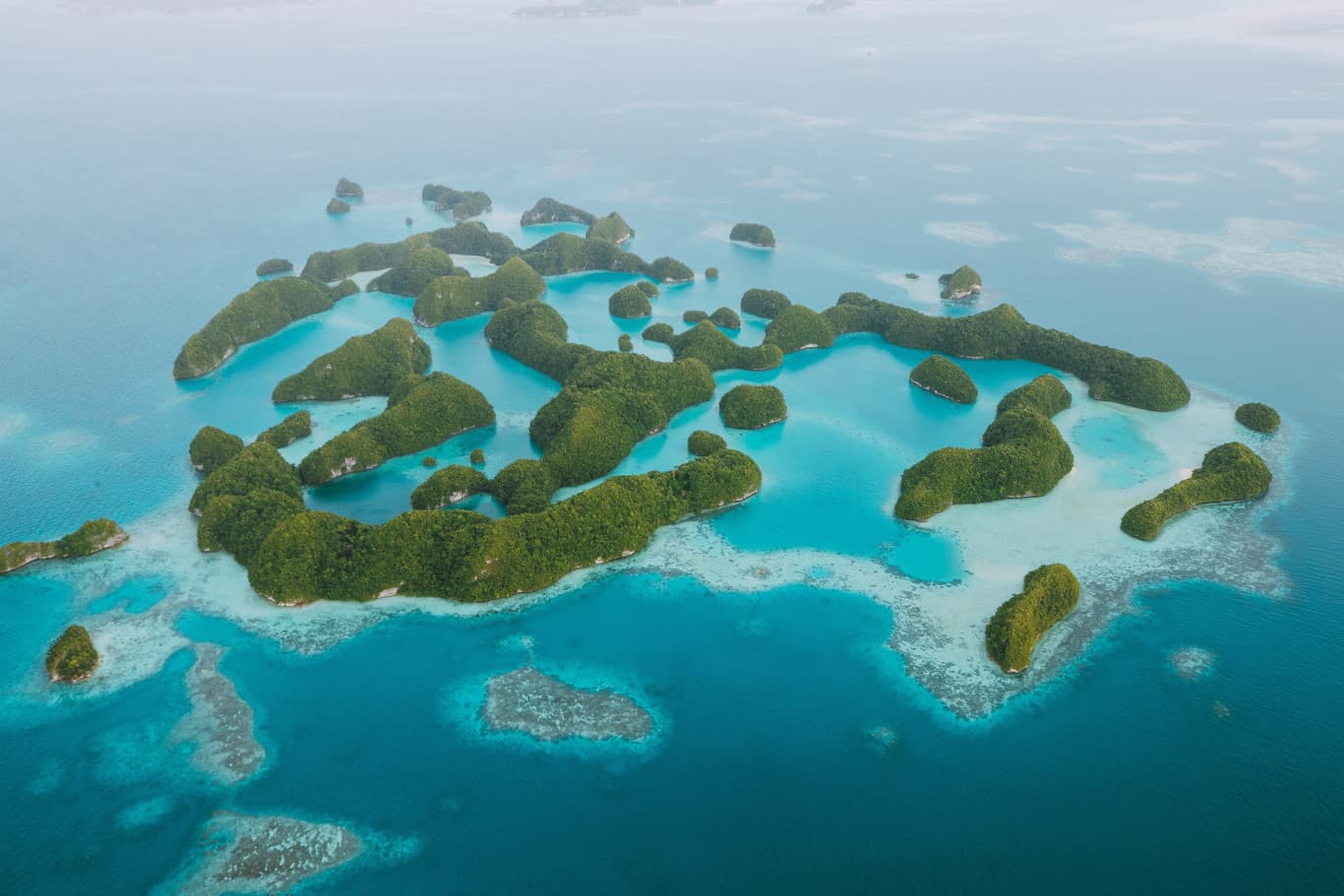
Palau travel guide for Micronesia’s dive capital: Koror hub, Rock Islands Southern Lagoon, expect United links via Guam and Tokyo, Palauan culture, and 2025 visitor recovery toward a smaller, high-intent map.
View guide →
Federated States of Micronesia
Pacific · Federated States of Micronesia
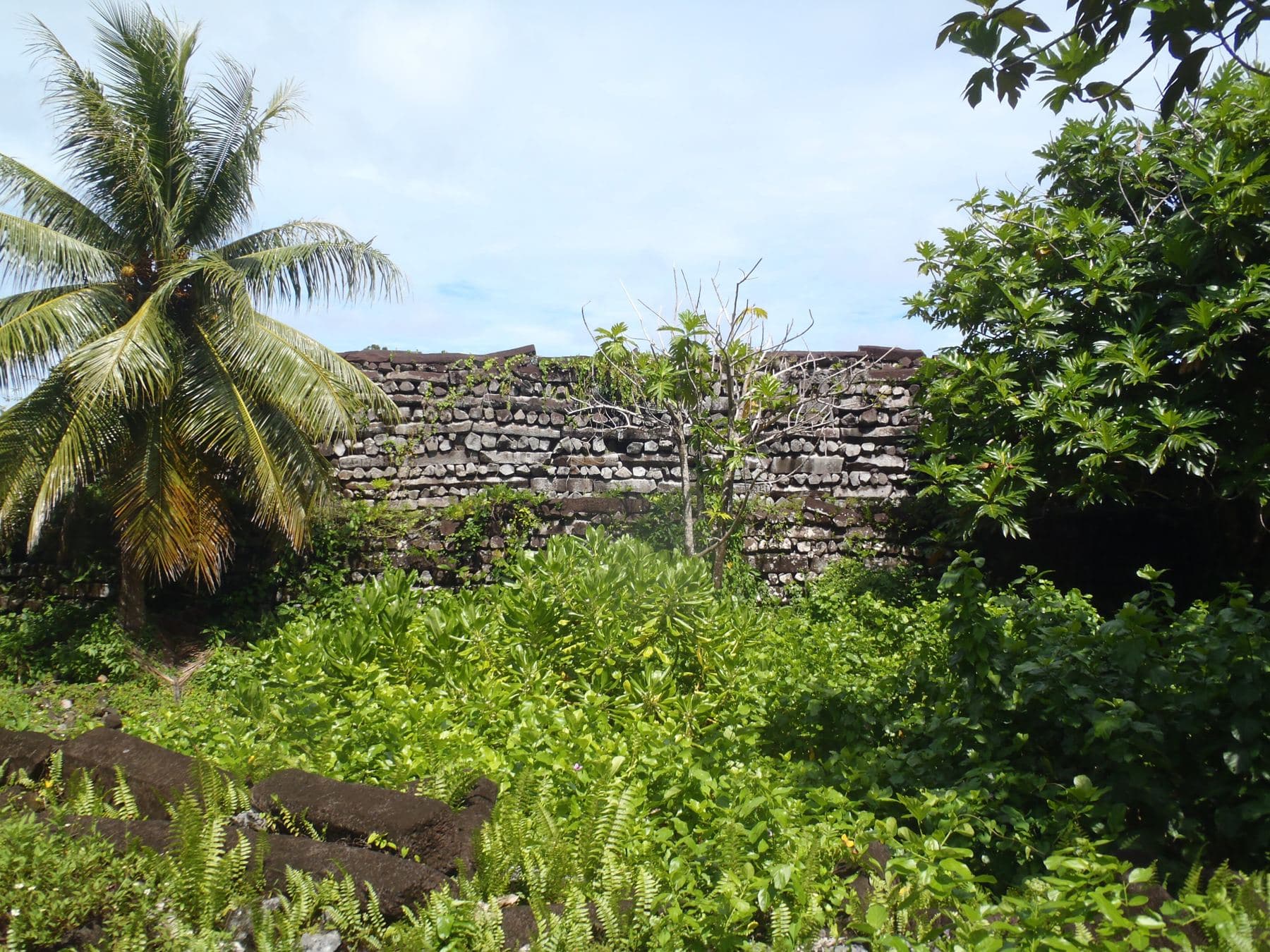
Federated States of Micronesia travel guide: United Island Hopper into Pohnpei, Chuuk, Yap, or Kosrae; Nan Madol and Chuuk Lagoon wreck diving; Compact logistics; and expect low visitor volume across four states.
View guide →
Marshall Islands
Pacific · Marshall Islands
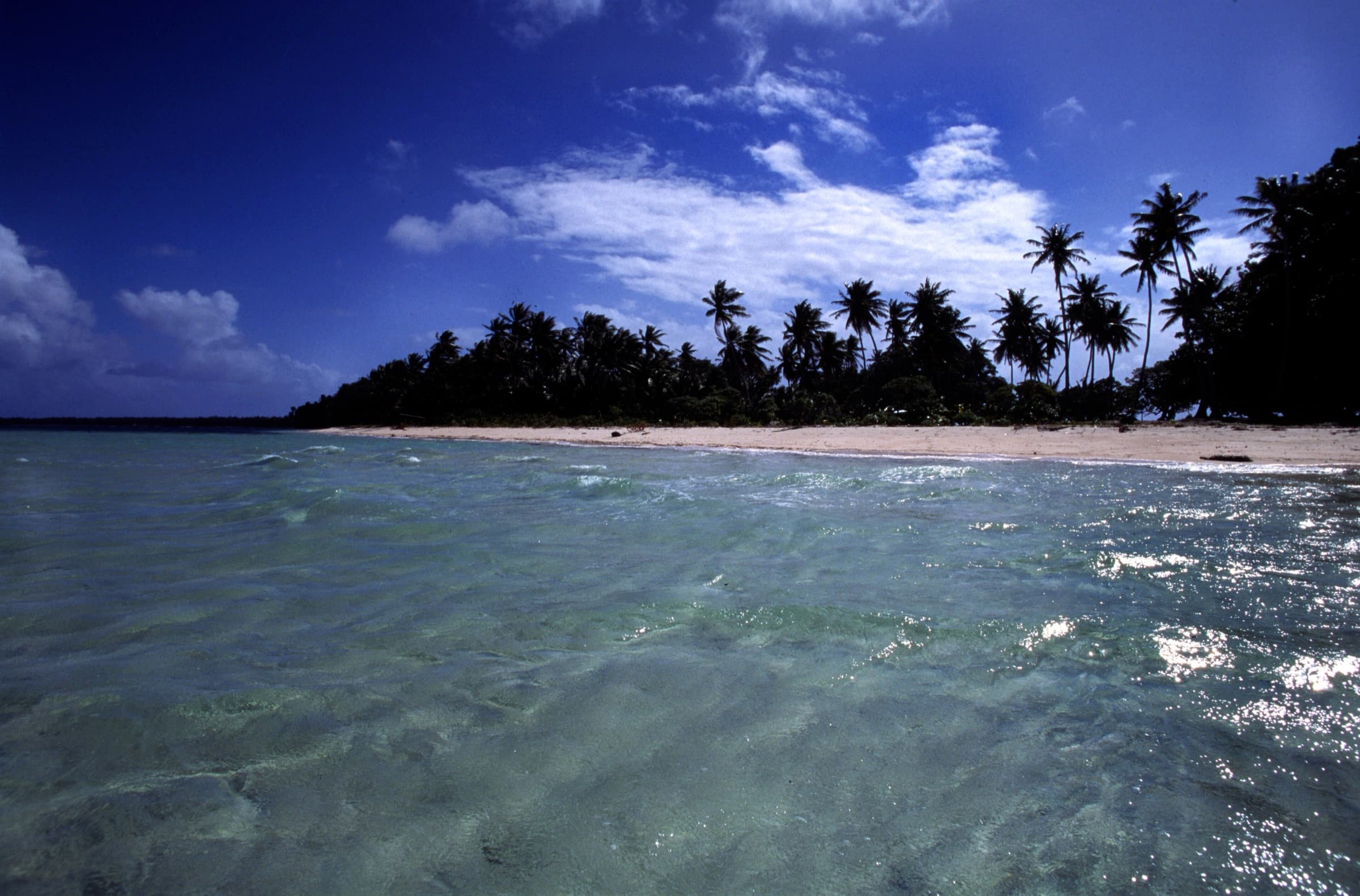
Marshall Islands travel guide for Micronesia’s atoll republic: Majuro and Amata Kabua International (MAJ), United Island Hopper logistics, Laura Beach and lagoon diving, Bikini UNESCO context, and expect low visitor volume.
View guide →