
Federated States of Micronesia
Four states, one Island Hopper map—and a trip that only works when you pick a single geography first
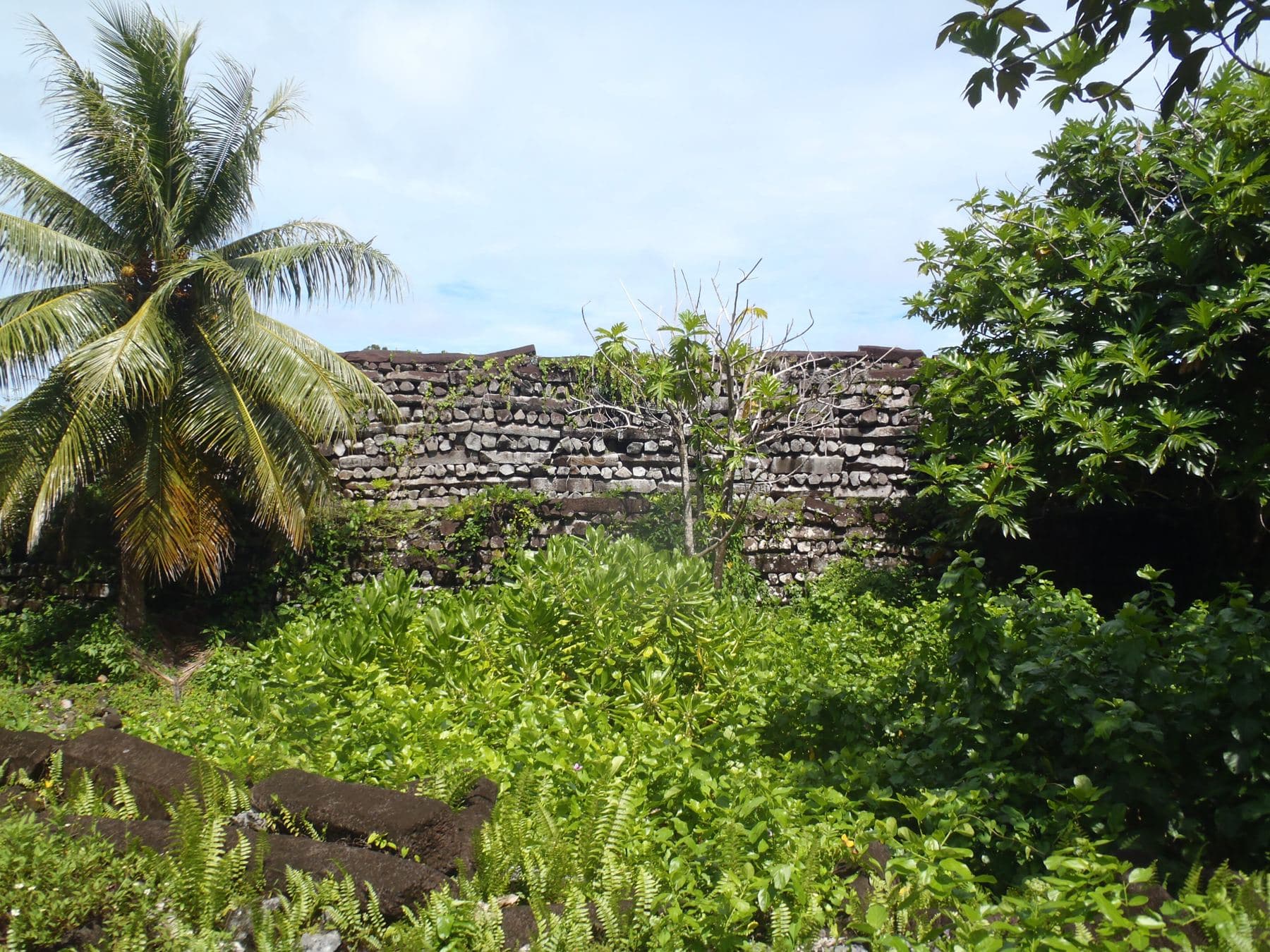
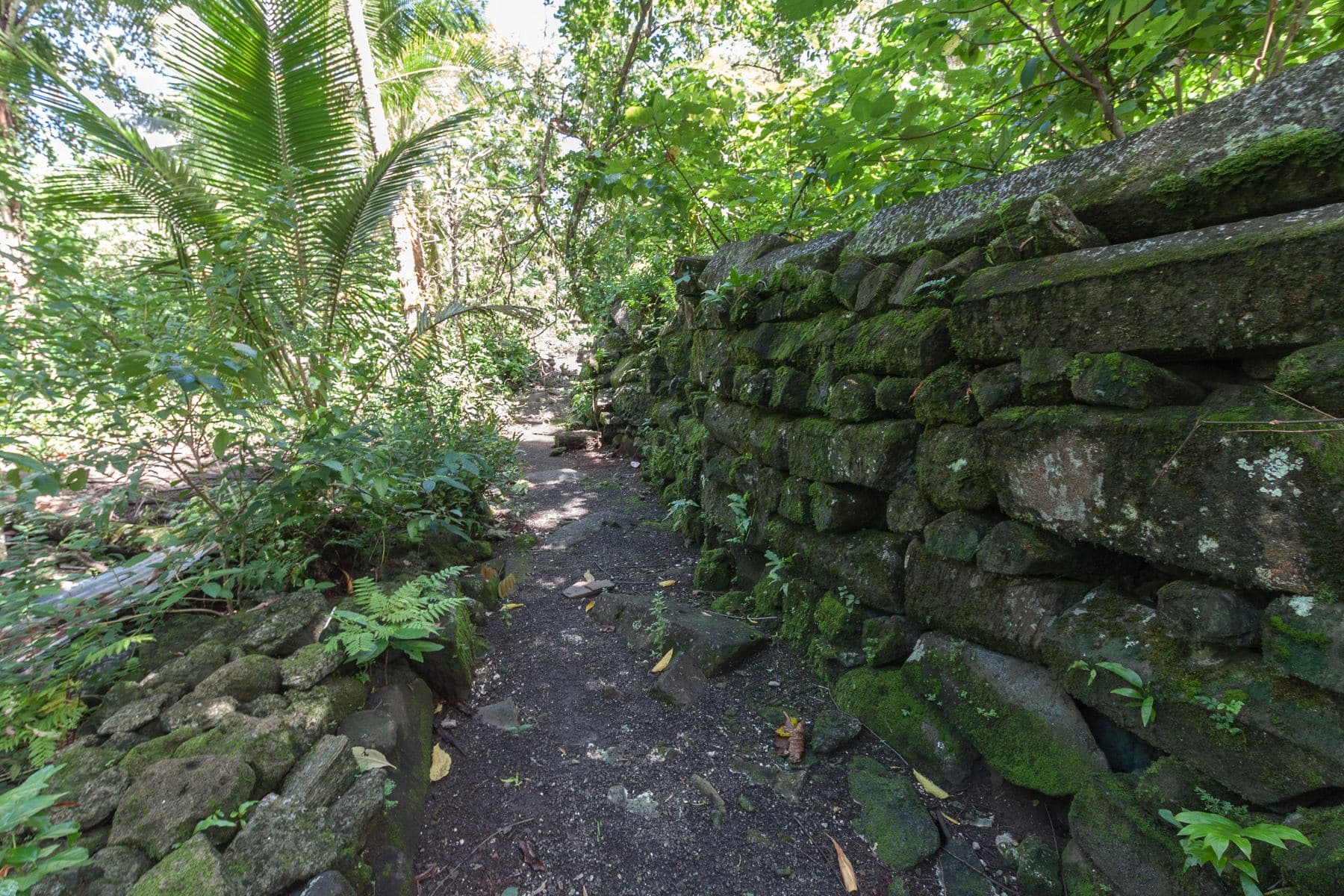
Photo: Patrick Nunn
The Federated States of Micronesia are four countries’ worth of trip in one passport stamp—Yap, Chuuk, Pohnpei, and Kosrae—spread across nearly a million square miles of ocean. United’s Island Hopper as the practical spine between Guam and Honolulu, with state airports at Yap (YAP), Chuuk/Weno (TKK), Pohnpei (PNI), and Kosrae (KSA). Commercial hops between states as international travel for immigration purposes even when you never leave FSM waters.
Visitor volume is small. FSM Statistics’ last clear national peak near 18,019 international visitors in 2019—about 60% into Pohnpei, 28% Chuuk, and roughly 6% each Yap and Kosrae in that year’s Embassy framing. Plan for post-COVID recovery as incomplete; Yap’s 2025 SPTO/YVB visitor survey suggests US-heavy profiles and strong prepaid spend for Yap alone—do not invent a fresh national CY2025 total without a live stats.gov.fm table.
The editorial job is anti-checklist: pick Nan Madol or Chuuk Lagoon wrecks first, then decide whether a second state earns another Hopper night. State Department Level 1 normal precautions (updated 7 July 2026) and cash departure taxes when leaving each island.
| Best months to visit | Drier months roughly December–April for clearer outdoor and dive days. Typhoon-season risk in late summer and autumn—buy flexible Hopper tickets and watch forecasts. |
| Oceania region | Micronesia |
| Relative cost while there | $$$ — see cost notes below |
| Primary airport(s) | Four gateways: Pohnpei (PNI), Chuuk/Weno (TKK), Yap (YAP), Kosrae (KSA) |
| Ease for first-timers | 4/10 |
| Trip intensity | Maximalist |
| Typical budget feel | Splurge-worthy |
| Suggested trip length | 8–12 days |
| Capital / main hub | Palikir (capital) · Kolonia (Pohnpei visitor hub) · PNI / TKK / YAP / KSA airports |
| Currency | US dollar (USD) |
Transpacific Bound destination editorial. Not live pricing or availability; confirm seasons and entry rules before booking.
Good for
Why go now
Expect FSM Stats’ last published national peak near 18,019 international visitors in 2019, with tourism still rebuilding after COVID and Compact economics reshaping FY24–26. United accelerating Island Hopper 737 MAX transitions into late 2026—reconfirm seats—while State Department suggests Level 1 normal precautions as of July 2026.
Who this trip is for
Travelers who want Micronesia measured in wrecks, megaliths, and Compact logistics—and who will treat four states as four trips, not one checklist.
Brief history
The Federated States of Micronesia unite four states—Yap, Chuuk, Pohnpei, and Kosrae—with distinct languages and histories under one Compact of Free Association with the United States. Spanish, German, Japanese, and US Trust Territory layers across the archipelago, with WWII Pacific battles especially shaping Chuuk Lagoon’s wreck field after Operation Hailstone in 1944.
Expect independence in 1986 and the 2023 Amended Compact as the current economic-assistance frame. Plan for Nan Madol on Pohnpei as a UNESCO World Heritage megalithic complex of the Saudeleur era, and Lelu on Kosrae as another ancestral stone-city landscape.
Languages
English · Pohnpeian · Chuukese · Yapese · Kosraean · Other local and outer-island languages
English is the language of national government and most visitor services. Each state keeps its own indigenous language(s) at the center of daily life—do not assume Pohnpeian covers Yap or Chuuk.
Getting there
Fly United into the state you actually want. Island Hopper routings change by day—Kosrae and Kwajalein are not on every flight. Budget for cash departure taxes when leaving each island, and expect no reliable airport ATMs. The only U.S. consular presence in FSM as Pohnpei—carry your passport if you will visit Chuuk, Yap, or Kosrae.
Relative cost while there
$$$
A typical first trip as $$$ once Island Hopper tickets, limited hotel inventory, and cash taxes stack. Chuuk multi-day wreck packages and liveaboard-style weeks as $$$$; Yap and Kosrae can soften toward $$$ if you skip technical diving. Confirm ATMs and card acceptance as uneven—budget cash.
First-timer move
Choose one state before you buy tickets: Pohnpei (PNI) for Nan Madol and capital logistics, or Chuuk (TKK) for lagoon wreck diving. United Island Hopper seats via Guam or Honolulu, land, recover, and do not invent Yap and Kosrae in the same week.
Repeat visitor angle
Second trips should change states, not stack more overlooks on the same island. If the first week was Pohnpei and Nan Madol, give Chuuk a wreck package or Yap a village protocol week. Kosrae’s Lelu ruins and quieter reefs as a softer fourth chapter when seats align.
Repeat visitors can also pair FSM with Guam as a United Micronesia bookend rather than inventing a same-week Saipan–Pohnpei–Palau sprint.
Where to stay
Base one: Kolonia / Pohnpei for Nan Madol, waterfalls, and consular convenience—the only U.S. consular presence suggests on Pohnpei. Base two: Weno / Chuuk for dive-shop density and lagoon boats. Base three: Yap Proper for stone-money villages and manta diving when booked. Base four: Kosrae for Lelu and quieter nature.
Do not invent a ferry chain. Confirm airplanes between states, cash for departure taxes, and passport checks even on short hops.
What to eat
Fresh reef fish, local breadfruit and taro when available, sakau (kava) evenings on Pohnpei when invited, and simple hotel kitchens. Supply chains as thin—outer-state menus run shorter than Guam or Saipan.
Cultural fluency notes
Learn that Yapese, Chuukese, Pohnpeian, and Kosraean cultures are not interchangeable. Dress and village protocols as real—especially on Yap—and treat Nan Madol and Lelu as living ancestral landscapes, not theme-park ruins.
Expect sakau (kava) evenings on Pohnpei as invitation-based hospitality. Ask before photographing people, stone money banks, or memorial sites. Budget for English in visitor services with local languages at home.
What diaspora travelers may notice
Compact of Free Association travelers and Micronesian diaspora families may already know Hopper schedules and remittance corridors through Guam and Honolulu—those networks do not erase state identity. Avoid collapsing FSM into “the other Marianas” or treating Chuuk wrecks as the only story worth flying for.
Worth the splurge
A multi-day Chuuk Lagoon wreck package with a named operator, a guided Nan Madol low-tide day with local fees paid cleanly, or a Yap village and stone-money visit booked through hosts who treat protocol as hospitality.
What not to do
Do not try to “do” Yap, Chuuk, Pohnpei, and Kosrae in one Island Hopper week. Seats, weather, and departure taxes eat the fantasy.
Do not arrive without cash for departure fees—expect airports may not take cards or have ATMs. Do not leave your only U.S. passport off-island if you may need consular help outside Pohnpei. Do not dive Chuuk wrecks without certification, insurance, and a named operator.
Best paired with
Guam pairs as the western Island Hopper door. Honolulu pairs as the eastern door for US-passport travelers. Palau and the Northern Mariana Islands pair as neighboring Micronesia chapters with different sovereignty and visitor scales.
Fiji pairs as a Melanesian contrast with ferry logistics and higher visitor volume.
Best time to go
Drier months roughly December–April for clearer outdoor and dive days. Typhoon-season risk in late summer and autumn—buy flexible Hopper tickets and watch forecasts.
Airport notes
Four gateways: Pohnpei (PNI), Chuuk/Weno (TKK), Yap (YAP), Kosrae (KSA). Plan for United’s Island Hopper as the spine between Guam and Honolulu with state stops—confirm which flight serves your island and whether Kosrae/Kwajalein are on that day’s routing. Cash departure taxes when leaving each state.
Getting around
On each main island, expect rental cars, taxis, or hotel cars as the practical default. Boats for Nan Madol approaches, Chuuk lagoon dives, and outer islets. Airplanes—not ferries—between states. Schedules as weather- and maintenance-sensitive.
Entry and visas
US citizens enter with a passport valid at least 180 days from entry under Compact rules and may remain indefinitely; expect airline-distributed arrival/customs forms. Plan for many non-US visitors get about 30 days with passport, funds, and onward travel—extensions and permits are nationality-specific. Cash departure taxes when leaving each state. Verify FSM Embassy / immigration and live State Department guidance.
Power and driving
Type A/B power and right-side driving on a US-influenced pattern—confirm hotel adapters. Night driving caution (State Department suggests alcohol and sakau as local risk factors).
Top sites and experiences
Nan Madol (Pohnpei)
UNESCO megalithic city of basalt islets—expect low tide, local fees, and a guide; not a casual overlook selfie.
Chuuk Lagoon wrecks
60+ WWII wrecks and aircraft for certified divers with named operators—insurance recommended.
Yap stone money (rai) and villages
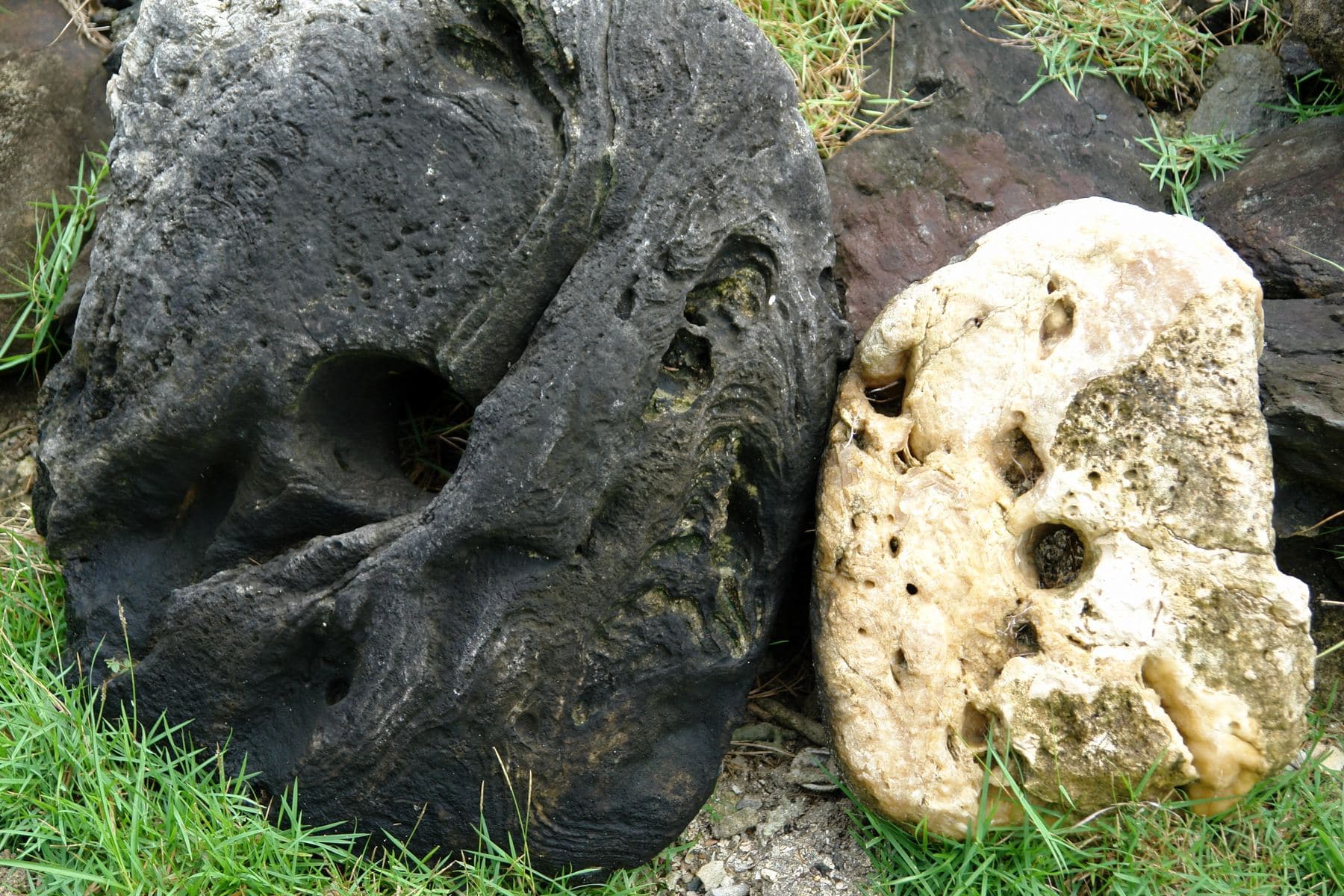
Living stone-money banks and village protocol—book through hosts who explain what you may photograph.
Lelu ruins (Kosrae)
Ancestral stone city and quieter Kosrae nature days when Hopper seats reach KSA.
Kepirohi and Pohnpei waterfalls
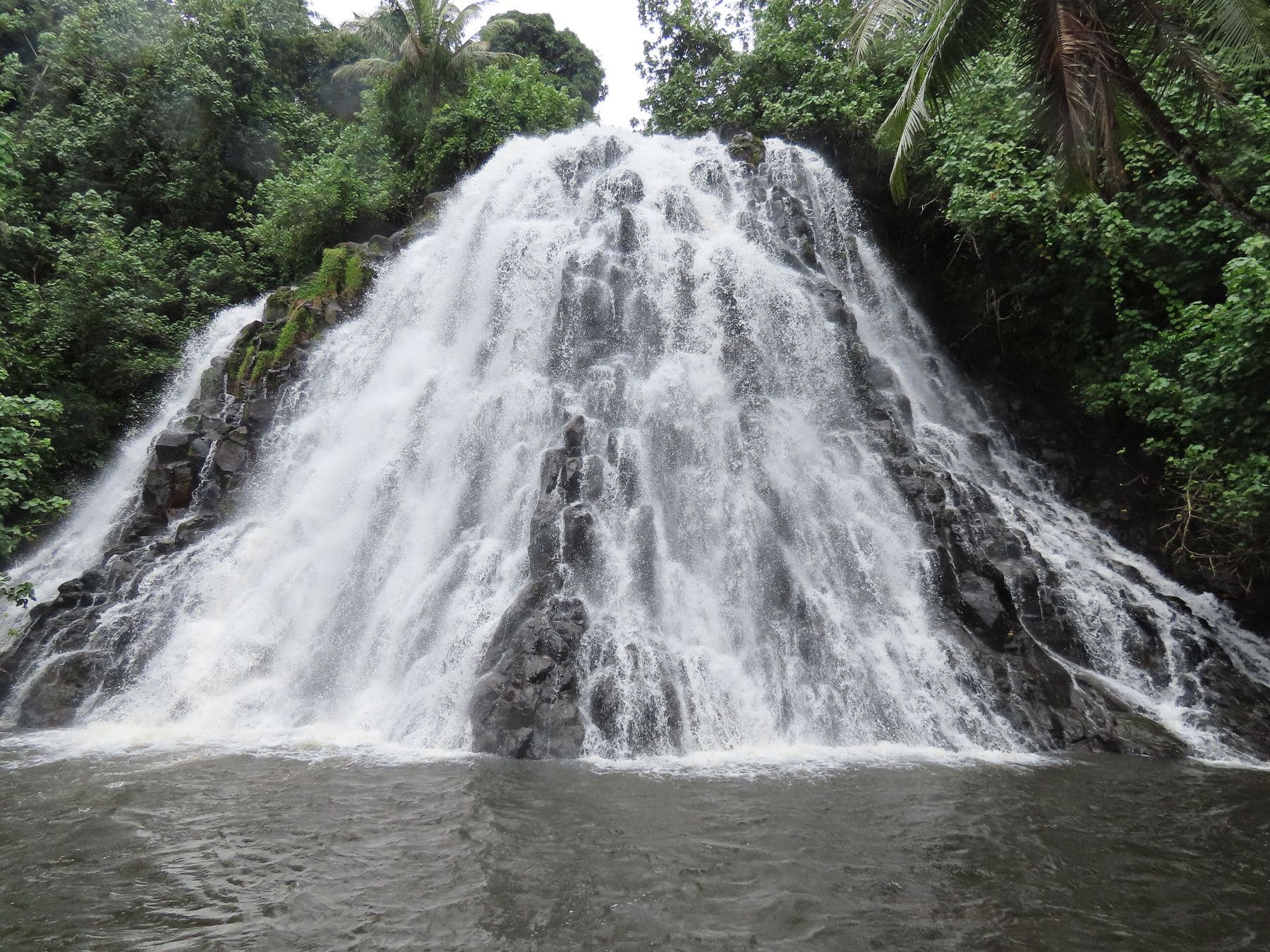
As rain-forest recovery days after Nan Madol—confirm access and local guidance.
State capitals and markets
Kolonia, Weno, Colonia (Yap), and Tofol—use for food, cash, and schedule buffers rather than checklist tourism.
Island facts
- FSM is four states—Yap, Chuuk, Pohnpei, Kosrae—under one Compact of Free Association with the United States.
- Expect ~18,019 international visitors in 2019 as the last clear national peak published by FSM Statistics / Embassy framing.
- Confirm State Department Level 1: Exercise Normal Precautions (updated 7 July 2026).
- Currency is the US dollar; expect cash for departure taxes between states.
- United Island Hopper as the main scheduled link among many FSM airports and Honolulu/Guam.
- Budget for Nan Madol as UNESCO World Heritage on Pohnpei.
- Chuuk Lagoon as one of the world’s densest WWII wreck-diving fields.
- Commercial flights between FSM states as immigration-sensitive even for short hops.
- The only U.S. consular presence in FSM as Pohnpei—passport logistics matter outside Kolonia.
- Typhoon season risk in late summer and autumn.
Access routes at a glance
- Guam (GUM) · nonstop — United as western door into TKK, PNI, YAP, KSA depending on day—often via Island Hopper routing; confirm live schedule
- Honolulu (HNL) · 1-stop — United Island Hopper eastbound/westbound with Marshall Islands and FSM stops—confirm your state is on that day’s routing
- Other FSM states · domestic flight — Plan for United or partners between states; expect passport/departure-tax rules as immigration-sensitive even on short hops
A 5-day editorial itinerary
Day 1
Arrive PNI (or TKK if Chuuk is your spine). Clear immigration forms, pay attention to cash needs, transfer to your hotel, sleep. Do not book Nan Madol or a deep wreck on arrival day.
Day 2
Pohnpei spine: guided Nan Madol at mid-to-low tide with local fees paid. Water shoes and a buffer for mangrove channels. Evening near Kolonia.
Day 3
Kepirohi or another waterfall / reef morning, or a quiet town day if rain owns the schedule. Sakau only if invited.
Day 4
Optional second geography only if seats exist—or a second Pohnpei nature day. Chuuk-first trips swap days 2–3 for named wreck dives instead.
Day 5–6
Buffer for Hopper delays, cash departure tax, and the long connection via GUM or HNL. Roughly one spare night before you need to be somewhere else.
What this place feels like
Related stories
From the editorial watchlist
Related destinations
Honolulu
Pacific · United States
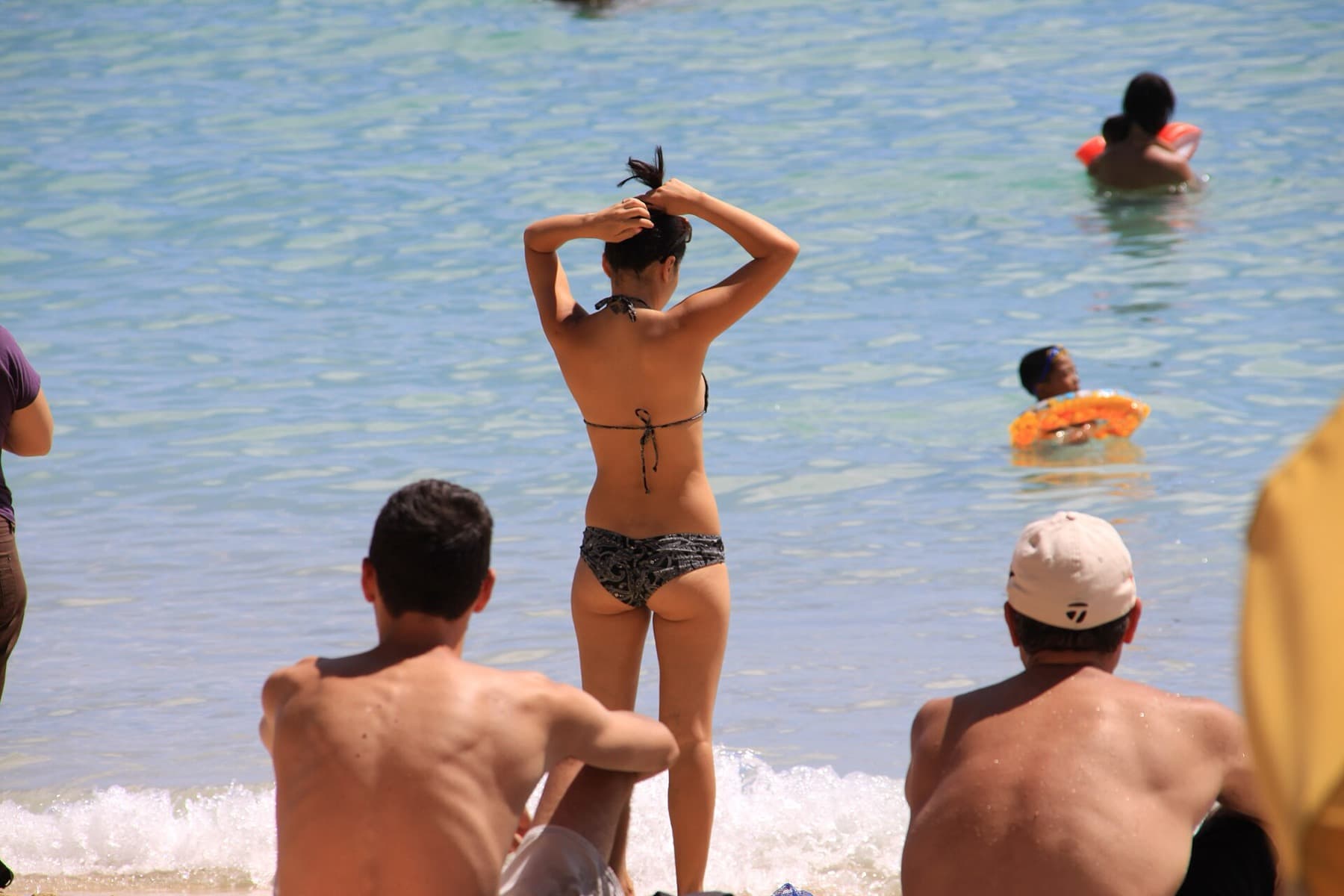
Pacific gateway with Japanese-influenced culture, serious dining, and beach access without leaving the US.
View guide →
Fiji
Pacific · Fiji
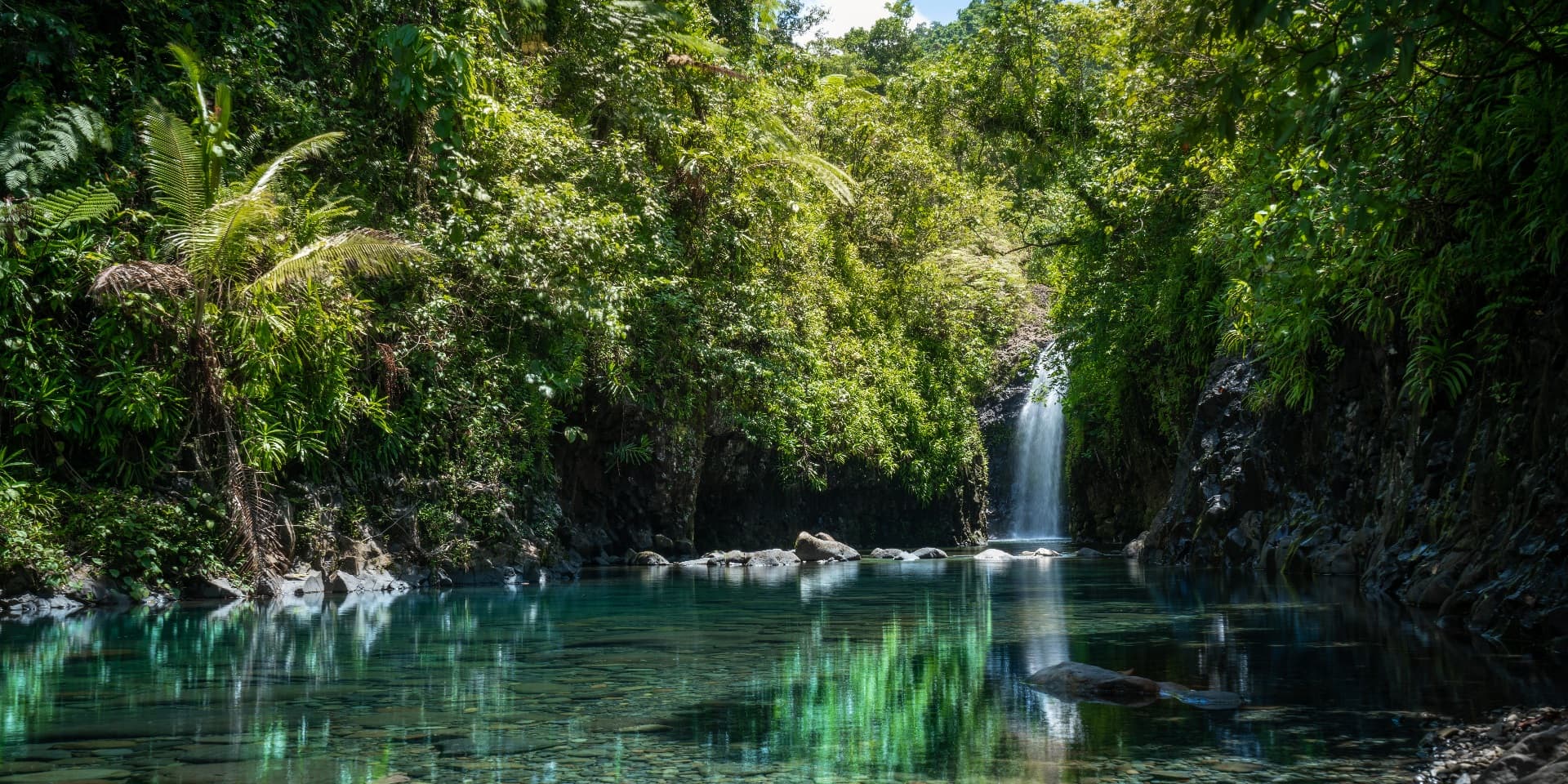
Fiji travel guide for Melanesia’s most connected archipelago: Nadi arrivals, Mamanuca and Yasawa ferries, Coral Coast pacing, Indo-Fijian food, and expect visitor trends past nearly one million arrivals.
View guide →
Guam
Pacific · United States
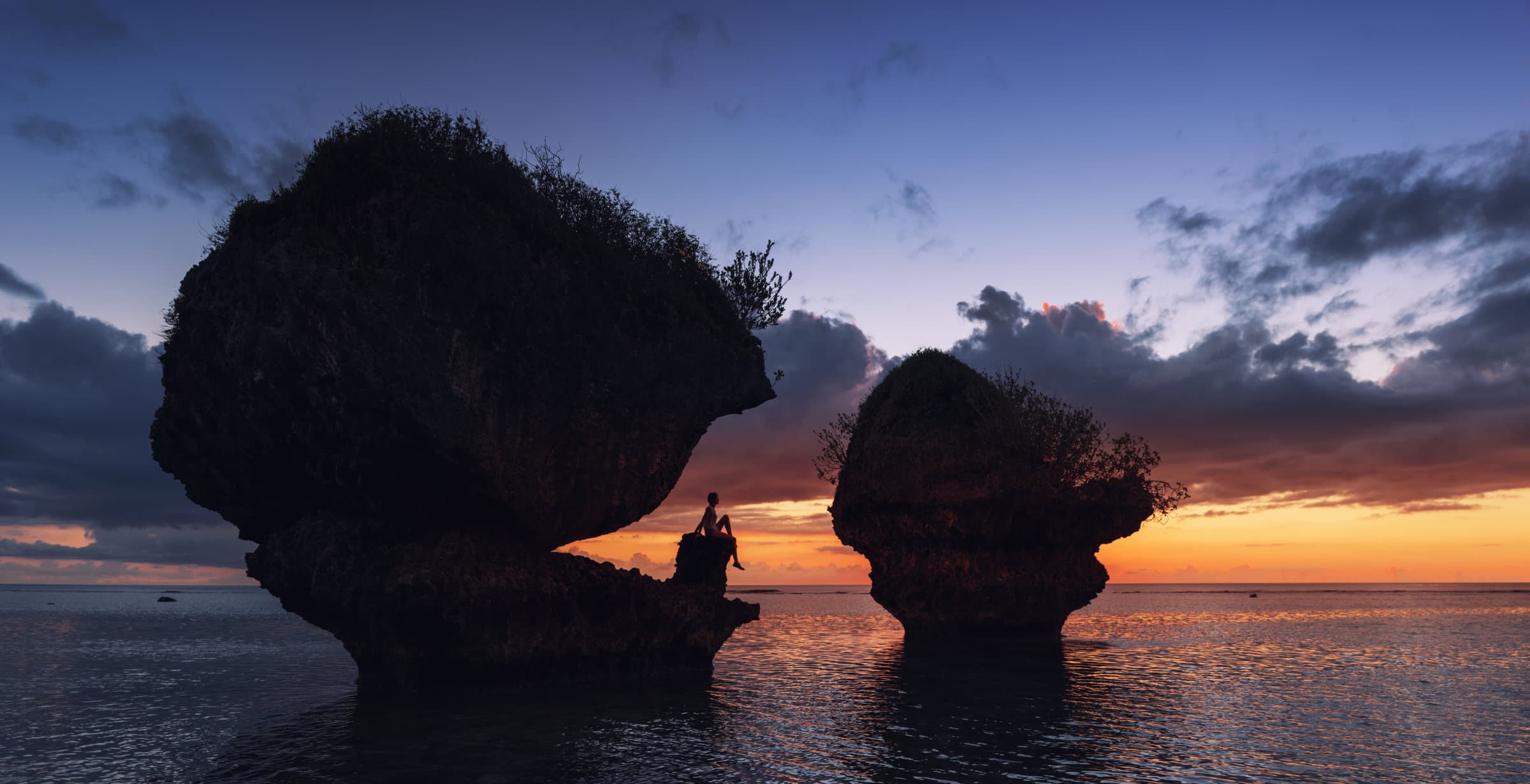
Guam travel guide for Micronesia’s US territory hub: Tumon resorts, Chamorro culture, War in the Pacific sites, reef days, and expect Korea–Japan visitor volume into Antonio B. Won Pat (GUM).
View guide →
Palau
Pacific · Palau
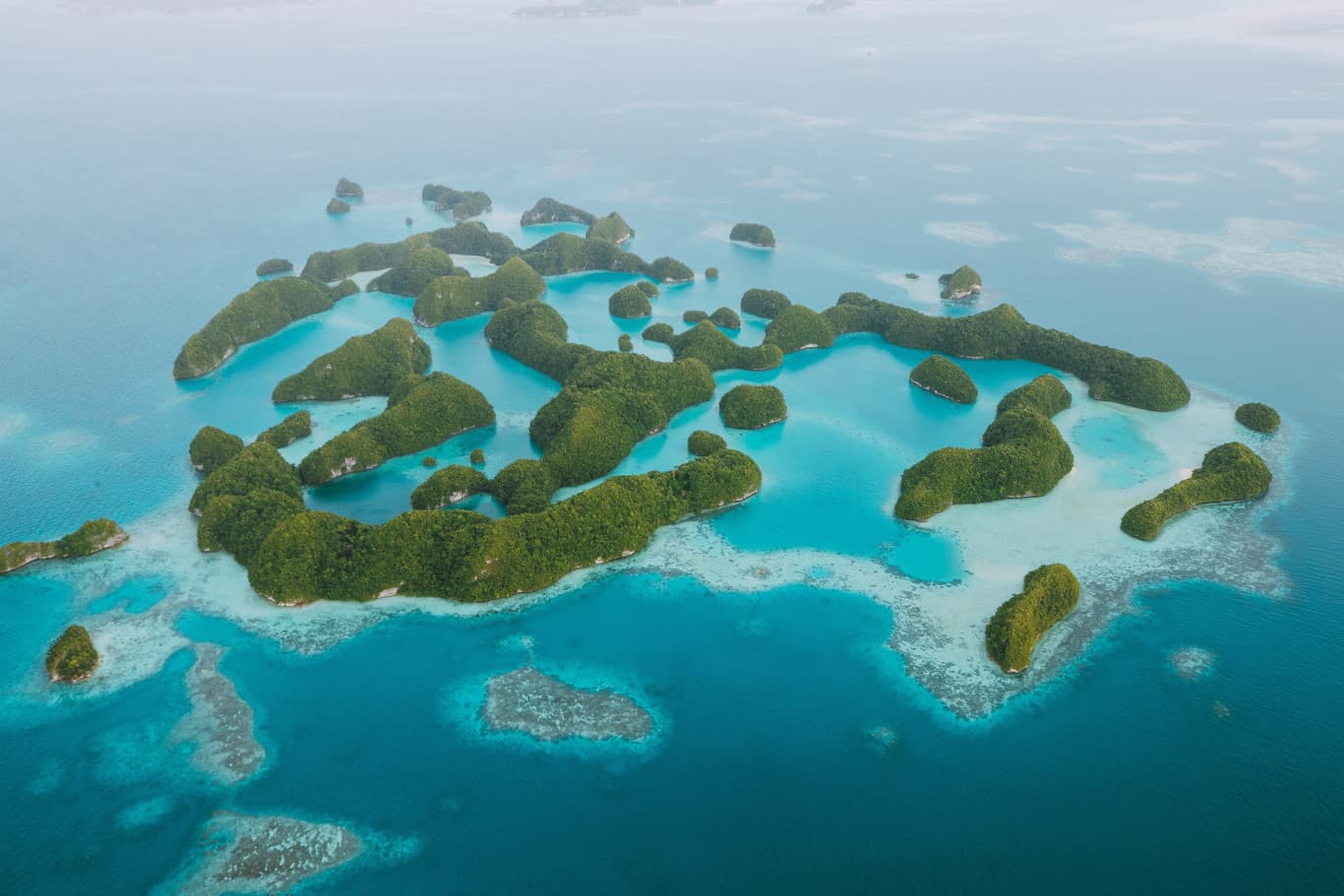
Palau travel guide for Micronesia’s dive capital: Koror hub, Rock Islands Southern Lagoon, expect United links via Guam and Tokyo, Palauan culture, and 2025 visitor recovery toward a smaller, high-intent map.
View guide →
Northern Mariana Islands
Pacific · United States
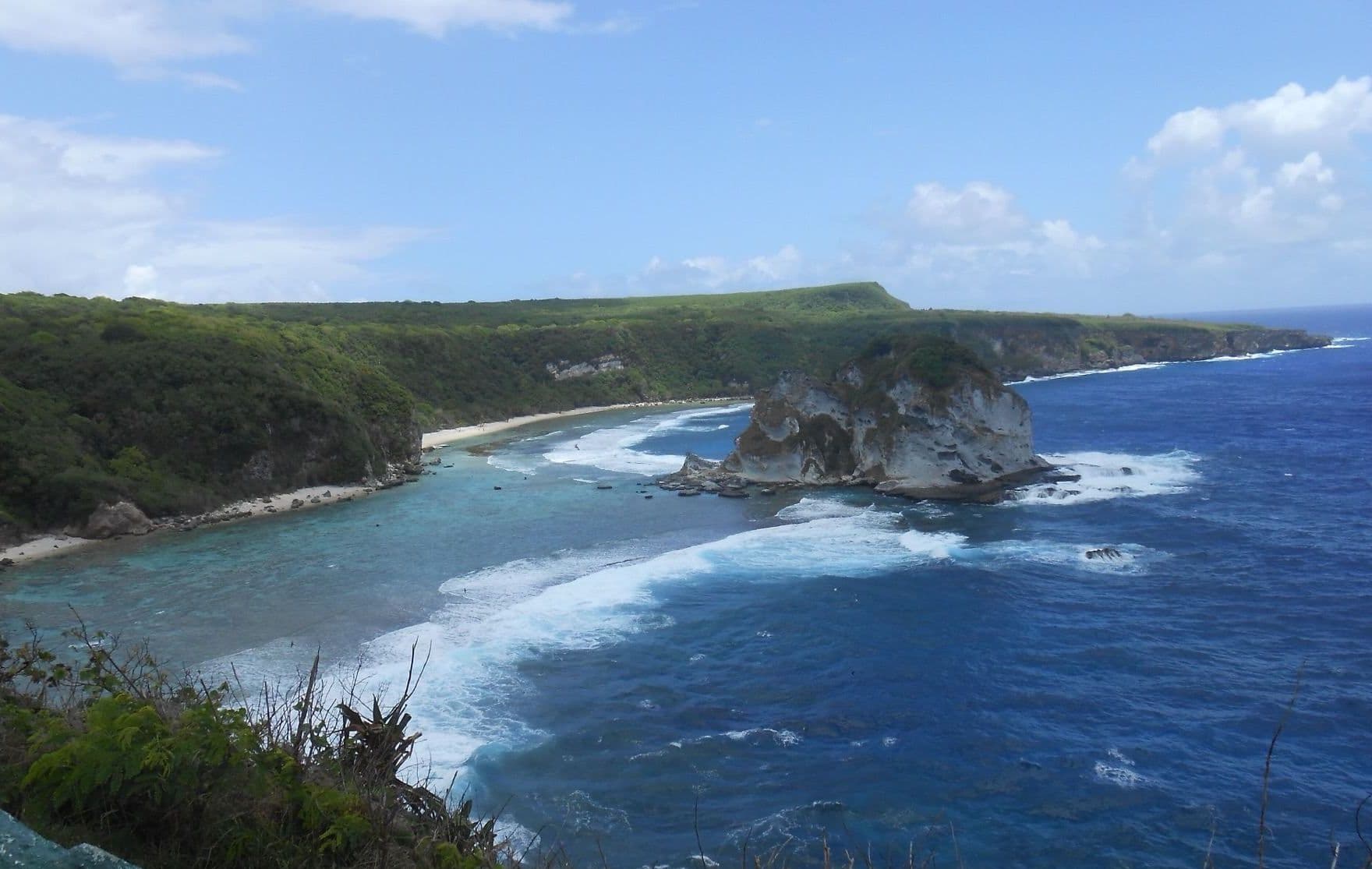
Northern Mariana Islands travel guide for Micronesia’s CNMI: Saipan resorts and WWII Marpi cliffs, Tinian latte stones, expect United links via Guam, Chamorro and Carolinian culture, and post–Sinlaku recovery honesty.
View guide →
Marshall Islands
Pacific · Marshall Islands
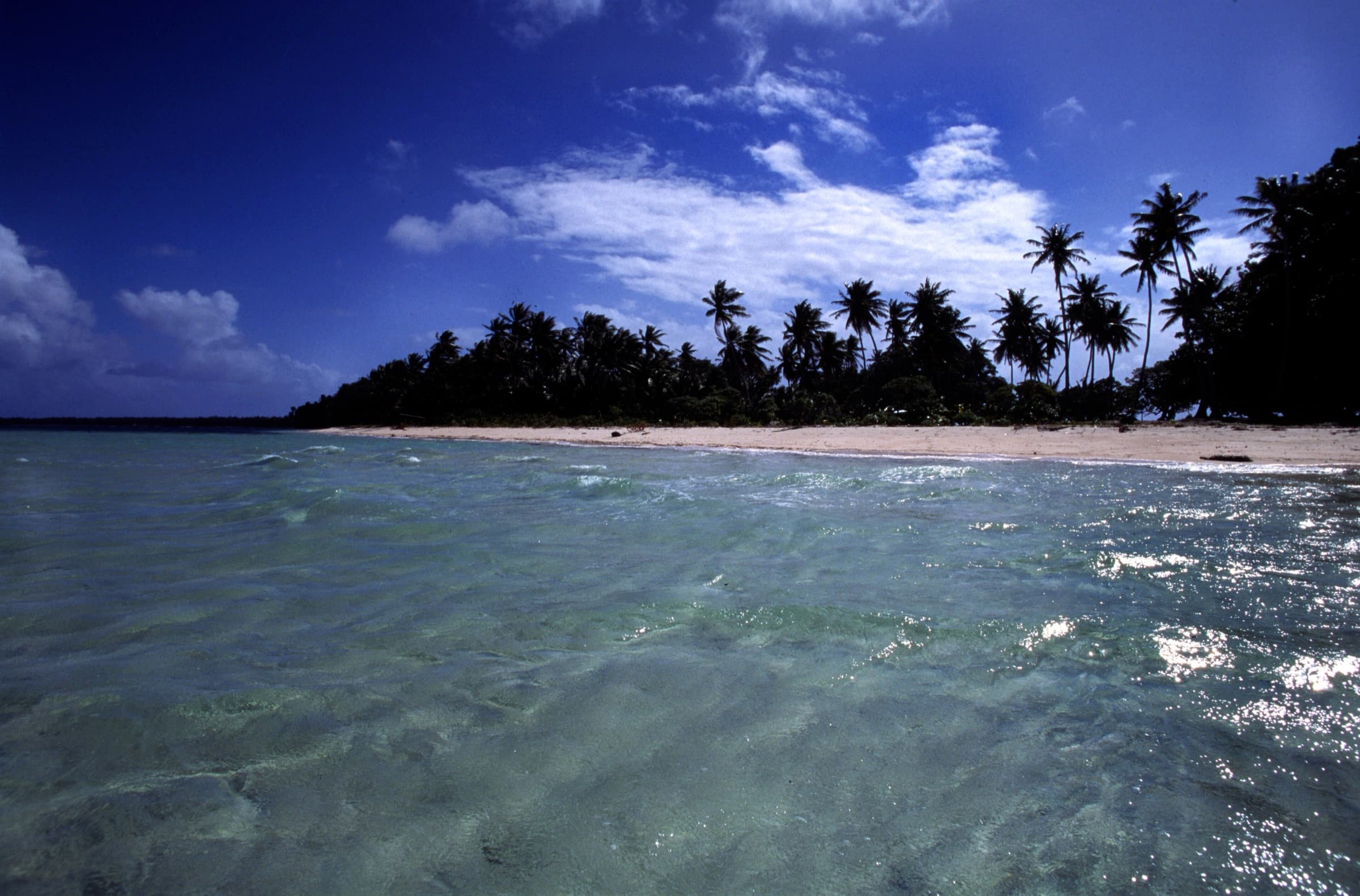
Marshall Islands travel guide for Micronesia’s atoll republic: Majuro and Amata Kabua International (MAJ), United Island Hopper logistics, Laura Beach and lagoon diving, Bikini UNESCO context, and expect low visitor volume.
View guide →