

Palau
Rock Islands, wall diving, and a visitor count measured in tens of thousands—not millions
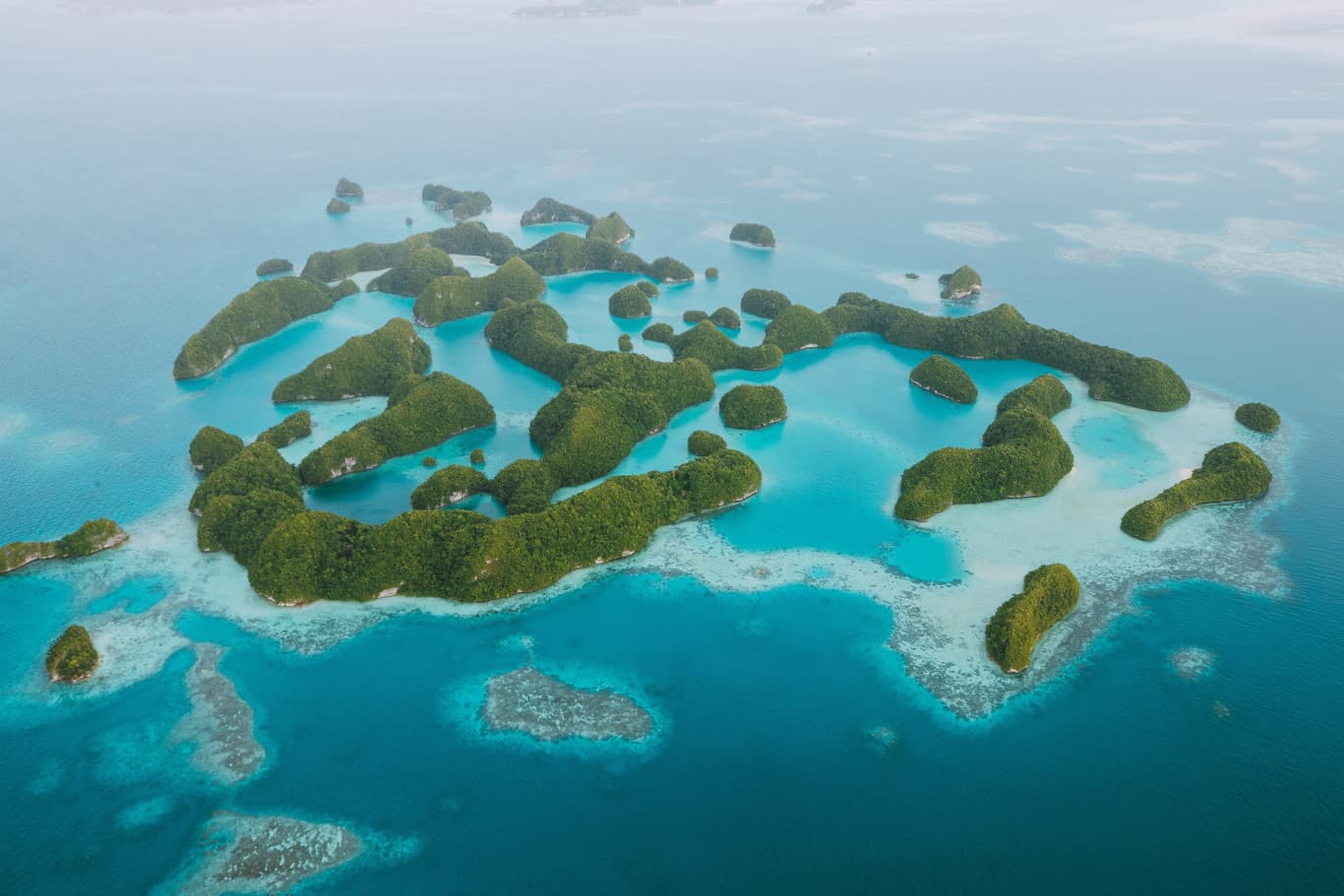
Photo: Pristine Paradise Palau / Palau Visitors Authority
Palau is Micronesia measured in tens of thousands of visitors, not hundreds of thousands. PVA’s 2025 total at 71,681 international arrivals (+27.6% vs 56,184 in 2024)—with China, Taiwan, Japan, and USA/Canada among the published mix—and early-2026 commentary suggesting an 80,000–85,000 full-year pace if momentum holds.
What those numbers buy you is scarcity with a purpose: Rock Islands Southern Lagoon scenery, wall diving that still draws serious divers, and a conservation brand—Pristine Paradise Palau—that visitors meet as pledges, park fees, and boat rules. Koror is the practical hub; Ngerulmud is the capital on Babeldaob. Most trips resolve into boats, not road-trip fantasies.
For North American travelers, the usual path suggests United via Guam, Manila, or Tokyo Narita into Roman Tmetuchl (ROR). about ten United weekly flights in late-2025 PVA reporting—six from Guam, two from Manila, two from Tokyo Narita since 29 October 2025—plus China Airlines and other Asia schedules. Confirm everything; Palau is capacity-sensitive.
This page sits beside Guam on our Micronesia desk. Start here when diving and Rock Islands matter more than Tumon’s duty-free strip.
| Best months to visit | Dry season suggests roughly November–April for clearer dive days. May–October brings more rain and heat—still workable for short stays if you watch forecasts and keep boat days flexible. |
| Oceania region | Micronesia |
| Relative cost while there | $$$$ — see cost notes below |
| Primary airport(s) | Roman Tmetuchl International (ROR) near Airai / Koror is the gateway |
| Ease for first-timers | 5/10 |
| Trip intensity | Moderate |
| Typical budget feel | Splurge-worthy |
| Suggested trip length | 8–12 days |
| Capital / main hub | Ngerulmud (capital) · Koror (visitor hub) · ROR airport |
| Currency | US dollar (USD) |
Transpacific Bound destination editorial. Not live pricing or availability; confirm seasons and entry rules before booking.
Good for
Why go now
PVA suggests 71,681 international visitor arrivals in 2025 (+27.6% vs 2024’s 56,184), with early-2026 months still climbing and industry commentary suggesting an 80,000–85,000 full-year pace if momentum holds. That is still a fraction of Guam or Fiji—inventory stays limited, and dive boats fill.
Who this trip is for
Travelers who want Micronesia for diving and Rock Islands scenery more than duty-free strips, and who will treat boat logistics and marine-park rules as the trip’s spine.
Brief history
Palauan society long predates European contact, with clan systems, stonework, and ocean navigation at the center of identity. Spanish, German, and Japanese administrations layered over the islands before US trusteeship after World War II. Independence in 1994 and a Compact of Free Association with the United States as the current geopolitical frame—defense and some services tied to the Compact while Palau runs its own government from Ngerulmud.
Tourism rebuilt after COVID with a conservation-forward brand. The Rock Islands Southern Lagoon as UNESCO-listed landscape and the Pristine Paradise Pledge as visitor-facing conservation messaging that sits beside park fees and dive-site management.
Languages
Palauan · English · Japanese (visitor services) · Sonsorolese / Tobian and other local languages on outer islands
Palauan is the indigenous national language; English is co-official and dominates visitor services. Confirm Japanese as common in dive shops and hotels because Japan is a core leisure market. Outer islands keep additional local languages—do not assume Koror English covers every village.
Getting there
Fly into Roman Tmetuchl International (ROR). United with roughly ten weekly flights in late-2025 PVA reporting—six from Guam, two from Manila, and two from Tokyo Narita (added 29 October 2025)—plus China Airlines from Taiwan and other Asia schedules or charters. Budget for Qantas among Australasian links. North American travelers usually connect via Guam, Tokyo, or Manila. Once in Koror, Rock Islands access is by tour boat or dive tender; build weather buffers.
Relative cost while there
$$$$
A typical dive-focused North American trip as $$$$: long connections, limited hotel inventory, boat packages, and marine-park fees stack quickly. Koror midrange rooms can soften the burn toward $$$ if you skip liveaboards and private charters. Palau is rarely a backpacker default—price the dive package before you fall in love with the postcard.
First-timer move
Land at Roman Tmetuchl (ROR), sleep in Koror or on a nearby resort island, and book a Rock Islands boat day before you invent a Babeldaob road trip. Expect dive packages need advance operator confirmation—Blue Corner is not a walk-up beach.
Repeat visitor angle
Second trips should leave the introductory Rock Islands day boat. If the first week was resort snorkeling, book a named multi-day dive package or a quieter Babeldaob cultural loop. Jellyfish Lake only when current access, permits, and lake conditions allow—populations and rules have moved before.
Repeat visitors can also time liveaboards carefully or pair Palau with Guam as a United Micronesia two-stop rather than a same-week sprint.
Where to stay
Base one: Koror / Malakal for dive shops, boats, and evening food—convenient hub, not wilderness. Base two: a Rock Islands or nearby resort island when the point is waking up on the water. Base three: Babeldaob only when you have time for waterfalls, bai, and capital-city texture without treating it as a casual afternoon from Koror.
Do not invent a Fiji-style inter-island ferry chain. Almost every postcard requires a boat day or a domestic hop.
What to eat
Fresh reef fish, local produce, and Koror’s mix of Palauan, Filipino, Japanese, and Chinese kitchens. Outer-island and liveaboard dining runs thinner and more package-shaped.
Cultural fluency notes
Learn a greeting and treat clan land, bai meeting houses, and village visits as invitations with rules. Palauan as the indigenous language; English works widely in visitor services. Dress modestly away from resort beaches when asked.
The Pristine Paradise Pledge and marine-park fees are part of the visitor contract—budget them as logistics, not optional tips. Ask dive operators about current site openings rather than chasing viral spot names.
What diaspora travelers may notice
Micronesian and Pacific Islander diaspora travelers may already know Compact of Free Association politics and shared WWII / nuclear-test regional memory—Palau’s story is still local. Japanese and Taiwanese dive travelers shape much of the boat calendar; that familiarity is real and incomplete.
Avoid collapsing Palau into “Guam’s prettier cousin.” Different sovereignty, different visitor scale, different marine-park intensity.
Worth the splurge
A multi-day Rock Islands dive package with a named operator, a liveaboard when schedules and weather align, or a private Rock Islands picnic / kayak day that respects marine-park rules.
What not to do
Do not try to “do” Blue Corner, Jellyfish Lake, Babeldaob, and a liveaboard in five days. Boat weather and operator slots eat the fantasy.
Do not touch coral, chase wildlife, or invent drone flights over Rock Islands without permits. Do not skip the Palau Entry Form / immigration steps. Plan for visas by passport—never invent a universal visa-free list.
Best paired with
Guam pairs as the United Micronesia bridge and a softer first Micronesia night. Honolulu pairs for US-passport travelers connecting east. Fiji pairs as a Melanesian contrast with higher visitor volume and ferry logistics.
Tokyo pairs because expect Narita–ROR links now sit on the United map for Japan-origin and connecting travelers.
Best time to go
Dry season suggests roughly November–April for clearer dive days. May–October brings more rain and heat—still workable for short stays if you watch forecasts and keep boat days flexible.
Airport notes
Roman Tmetuchl International (ROR) near Airai / Koror is the gateway. Expect United with about ten weekly flights into ROR in late-2025 PVA reporting—including Guam, Manila, and Tokyo Narita links—plus China Airlines and other Asia schedules and charters. Expect Qantas among Australasian options. Confirm live frequencies; Palau’s map is capacity-sensitive.
Getting around
Koror is compact; rental cars or taxis cover town needs. Rock Islands and dive sites require boats—expect day packages rather than self-drive island-hopping. Babeldaob wants a planned road day with fuel and timing buffers. Domestic flights to outer states exist but are not first-timer defaults.
Entry and visas
Entry is passport-specific. Many visitors complete a Palau Entry Form online and obtain permission for short tourism stays depending on nationality—verify current PVA / immigration guidance and any Compact-related US rules that affect your passport. Do not invent a universal visa-free list.
Power and driving
Type A/B power plugs (~120V) and right-side driving. US travelers can often reuse mainland kits; others should bring adapters.
Top sites and experiences
Rock Islands Southern Lagoon
UNESCO-listed limestone islands and turquoise channels—the scenery that defines Palau day boats.
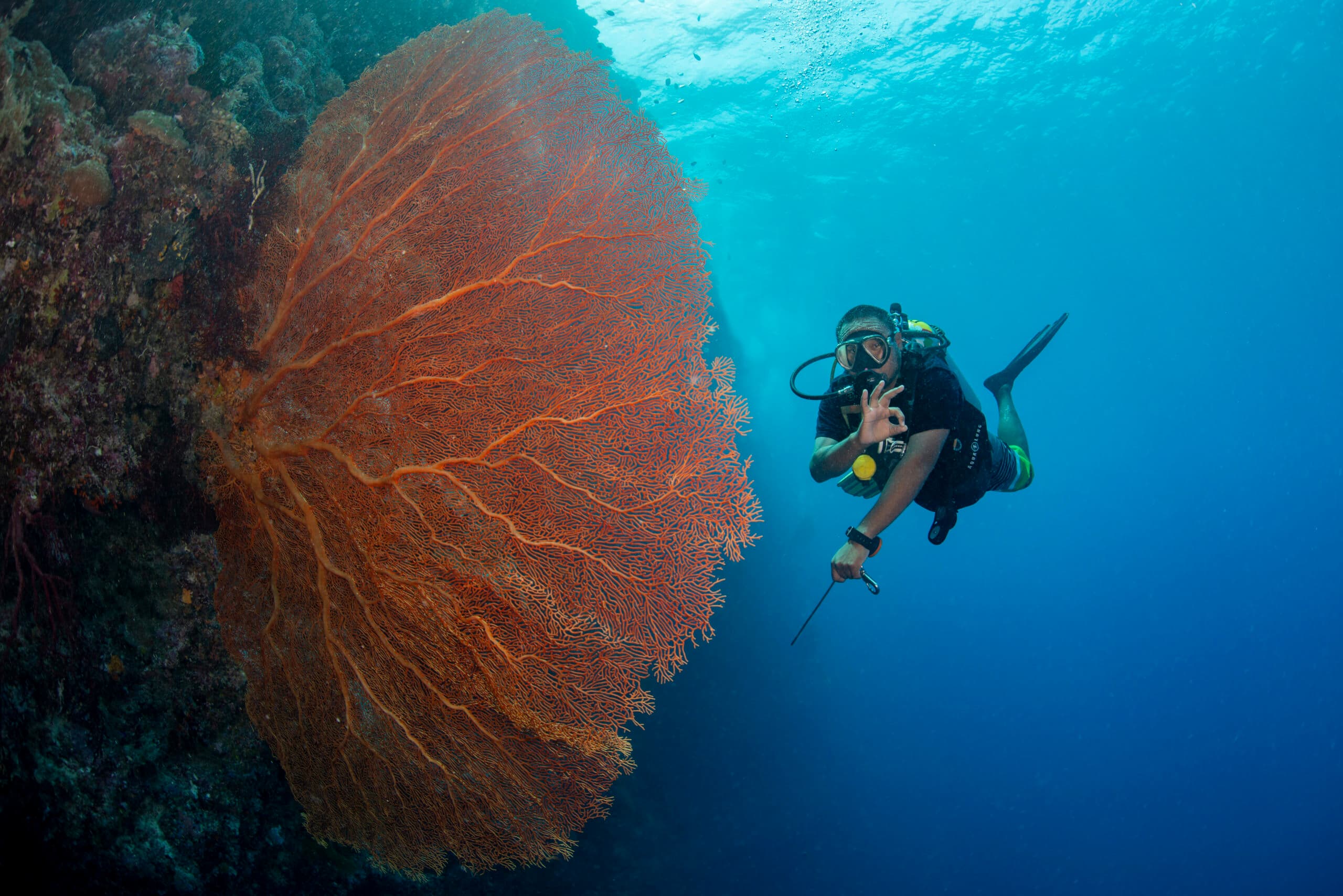
Wall diving (Blue Corner and peers)
Confirm world-class drift and wall dives for certified divers with operators who brief currents honestly.
German Channel and nearby reefs
Manta and reef days depending on season and operator reports—not a guaranteed wildlife show.
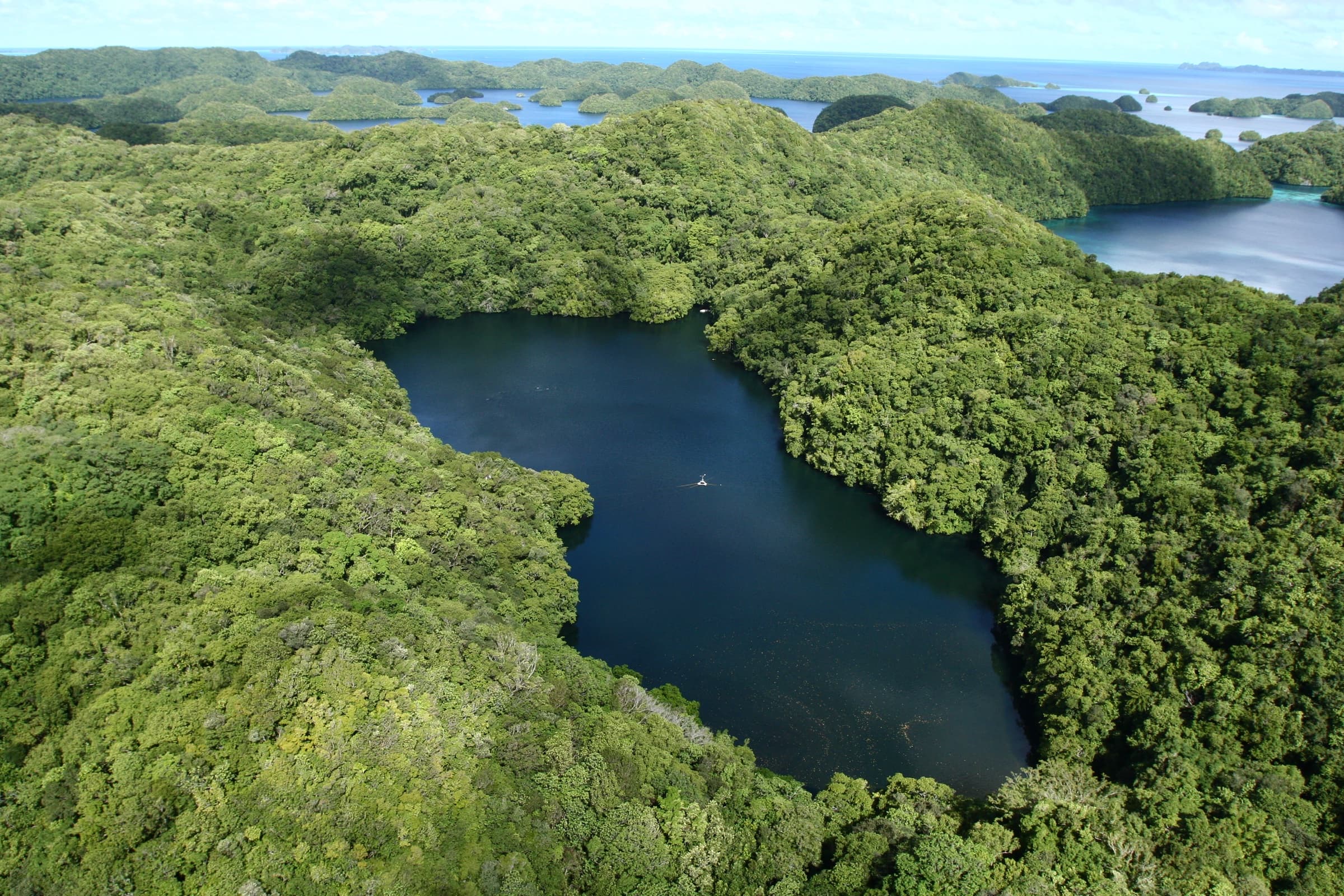
Jellyfish Lake (access-dependent)
Famous non-stinging jellyfish experience when permits, trails, and lake conditions allow—always reconfirm; populations have fluctuated.
Koror and Malakal
Dive shops, boats, markets, and evening food—the practical visitor hub.
Babeldaob
Largest island: capital Ngerulmud, waterfalls, and cultural sites when you give it a real day.
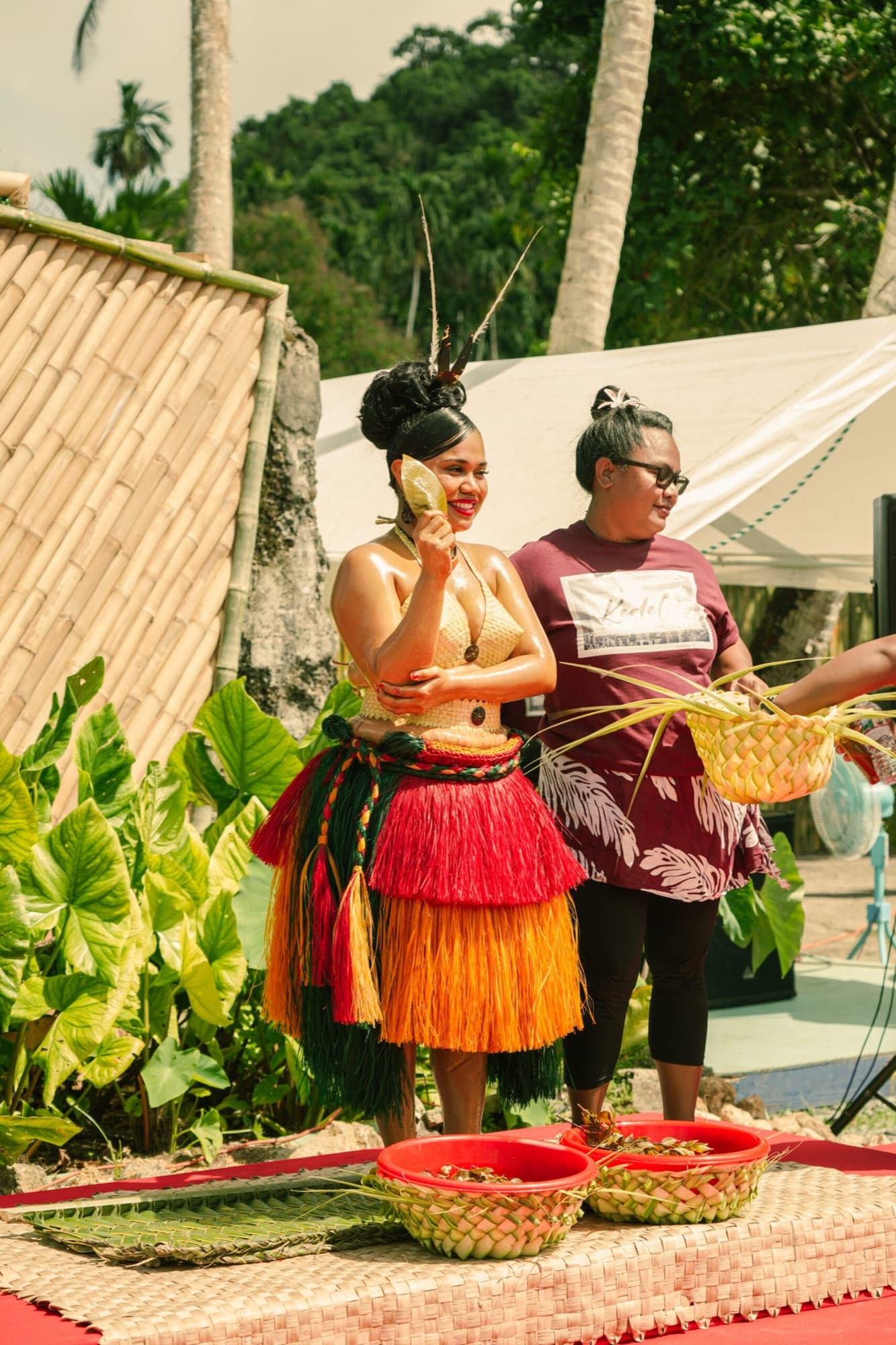
Bai and cultural sites
Traditional meeting houses and living culture—book with hosts, not as a drive-by photo stop.
Island facts
- Expect ~340 islands in the republic; visitor life concentrates around Koror and the Rock Islands boat map.
- Independence suggests 1 October 1994; Compact of Free Association with the United States shapes defense and some services.
- PVA: 71,681 international visitors in 2025 (+27.6% vs 2024); expect China ~33%, Taiwan ~19%, USA/Canada and Japan among other published shares.
- Budget for 2026 industry pace toward roughly 80,000–85,000 arrivals if early-year momentum holds—still far below Guam’s hundreds of thousands.
- Currency is the US dollar; driving is on the right; expect Type A/B power.
- The Rock Islands Southern Lagoon is a UNESCO World Heritage site—park rules and fees are part of the trip.
- The Pristine Paradise Pledge as visitor-facing conservation messaging tied to entry / tourism practice.
- Jellyfish Lake is iconic and fragile—expect access and jellyfish populations as changeable; never invent a guaranteed swim.
- United’s late-2025 Tokyo Narita–ROR flights expect a new Japan leisure bridge—confirm before you plan around them.
- Ngerulmud is the capital; Koror remains the visitor and commercial hub most travelers actually use.
Access routes at a glance
- Guam (GUM) · nonstop — United; densest Micronesia bridge—confirm weekly count
- Tokyo Narita (NRT) · nonstop — United since late Oct 2025; confirm live frequency
- Manila (MNL) · nonstop — Plan for United; confirm schedule
- Taipei (TPE) · nonstop — China Airlines; frequency has increased in PVA commentary
- Brisbane / Australasia · nonstop — Qantas among options—reconfirm
- Koror boat docks · boat — Rock Islands day boats and dive tenders—not a public ferry network
A 6-day editorial itinerary
Day 1
Arrive ROR. Transfer to Koror or your resort island, clear park-fee / pledge logistics if not done online, sleep. Do not book an advanced dive on arrival day.
Day 2
Rock Islands boat day—snorkel, swim, and scenery with a named operator. Keep dinner near your base.
Day 3
Dive day for certified divers (Blue Corner / German Channel style sites only if conditions and the operator say yes) or a second Rock Islands water day for snorkelers.
Day 4
Culture or Babeldaob day: bai, museum, or waterfall when booked properly—or a recovery beach morning if the boats have already done their job.
Day 5
Optional Jellyfish Lake or second specialty site only if access is confirmed. Otherwise repeat the water geography that worked and pack for the United or Asia departure.
Day 6–7
Buffer for weather, a liveaboard embarkation if that is the trip’s spine, or a quiet Koror food day before the long connection home.
What this place feels like
Related stories
From the editorial watchlist
Related destinations

Tokyo
East Asia · Japan
Tokyo travel guide for diaspora and first-time Asia visitors: neighborhoods, food, transit, and how to pace a trip without checklist tourism.
View guide →
Honolulu
Pacific · United States
Pacific gateway with Japanese-influenced culture, serious dining, and beach access without leaving the US.
View guide →
Fiji
Pacific · Fiji
Fiji travel guide for Melanesia’s most connected archipelago: Nadi arrivals, Mamanuca and Yasawa ferries, Coral Coast pacing, Indo-Fijian food, and expect visitor trends past nearly one million arrivals.
View guide →
Guam
Pacific · United States
Guam travel guide for Micronesia’s US territory hub: Tumon resorts, Chamorro culture, War in the Pacific sites, reef days, and expect Korea–Japan visitor volume into Antonio B. Won Pat (GUM).
View guide →
Northern Mariana Islands
Pacific · United States
Northern Mariana Islands travel guide for Micronesia’s CNMI: Saipan resorts and WWII Marpi cliffs, Tinian latte stones, expect United links via Guam, Chamorro and Carolinian culture, and post–Sinlaku recovery honesty.
View guide →
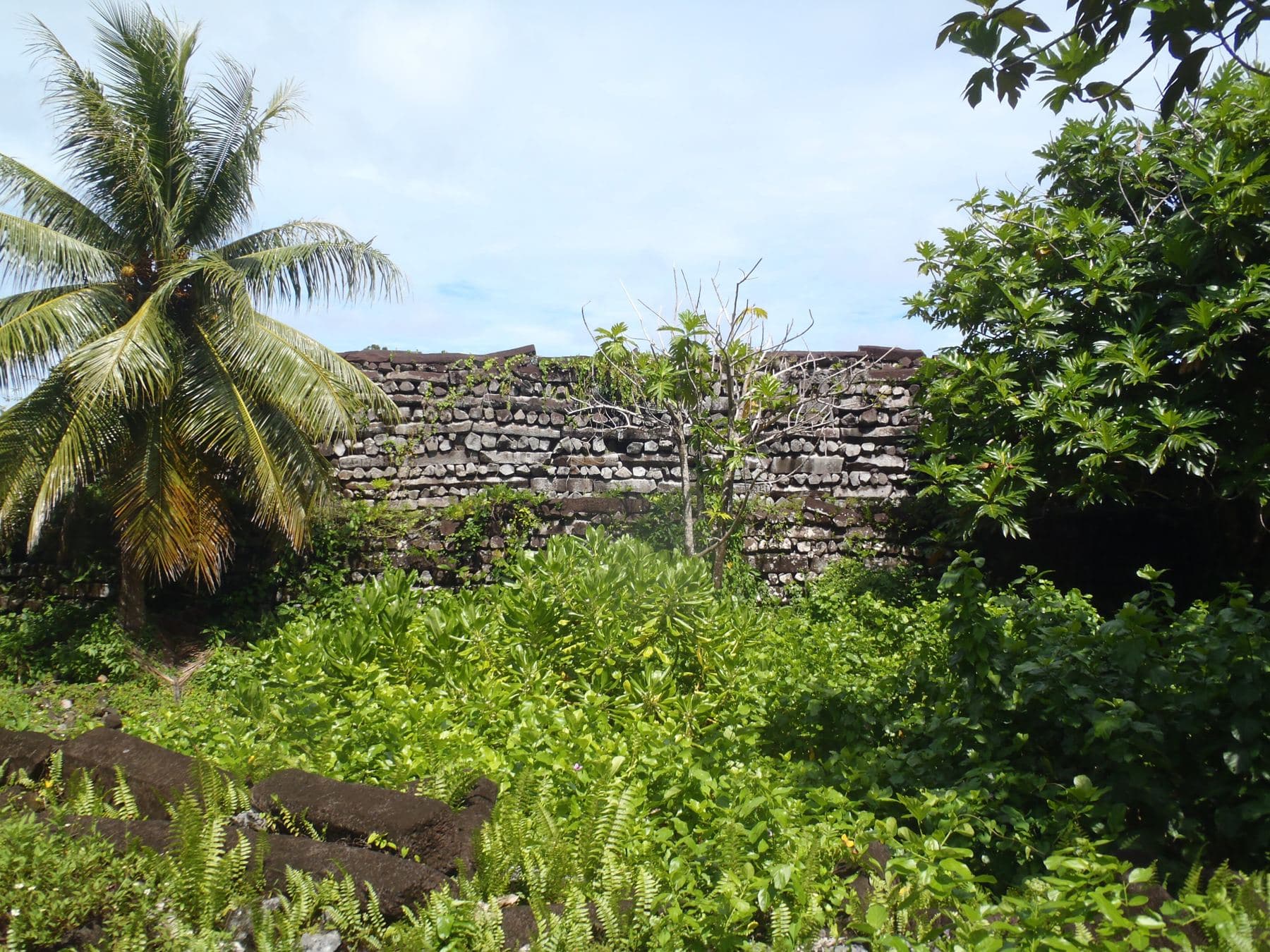
Federated States of Micronesia
Pacific · Federated States of Micronesia
Federated States of Micronesia travel guide: United Island Hopper into Pohnpei, Chuuk, Yap, or Kosrae; Nan Madol and Chuuk Lagoon wreck diving; Compact logistics; and expect low visitor volume across four states.
View guide →
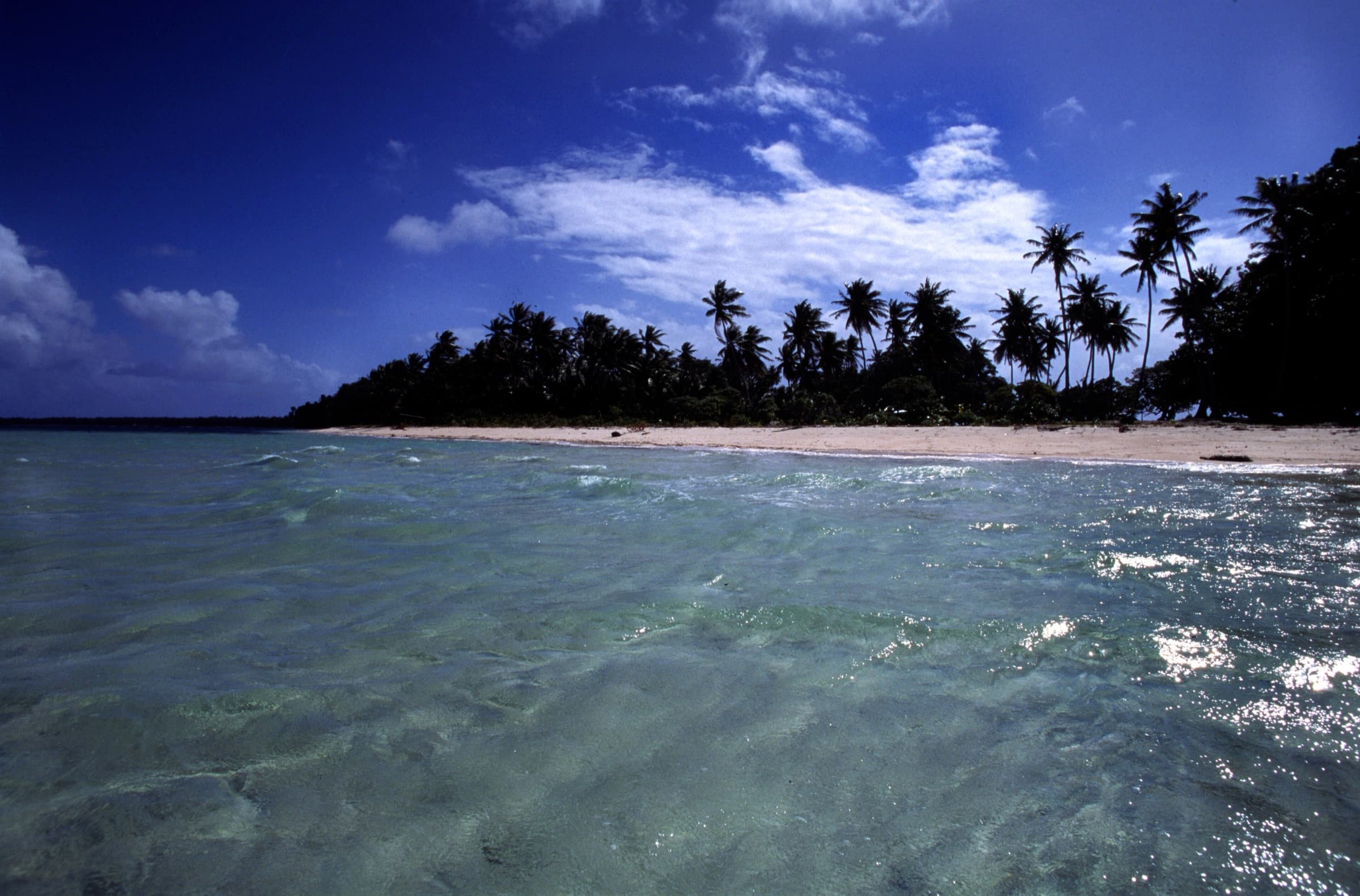
Marshall Islands
Pacific · Marshall Islands
Marshall Islands travel guide for Micronesia’s atoll republic: Majuro and Amata Kabua International (MAJ), United Island Hopper logistics, Laura Beach and lagoon diving, Bikini UNESCO context, and expect low visitor volume.
View guide →