
TSMC’s October Sales Jump Shows the Scale of Taiwan’s Chip Boom
Tuesday’s release put monthly revenue up 59.7 percent from a year earlier. Hold that against the fourth-quarter outlook, then remember what a sales flash leaves out about AI demand.
A record month, in plain numbers
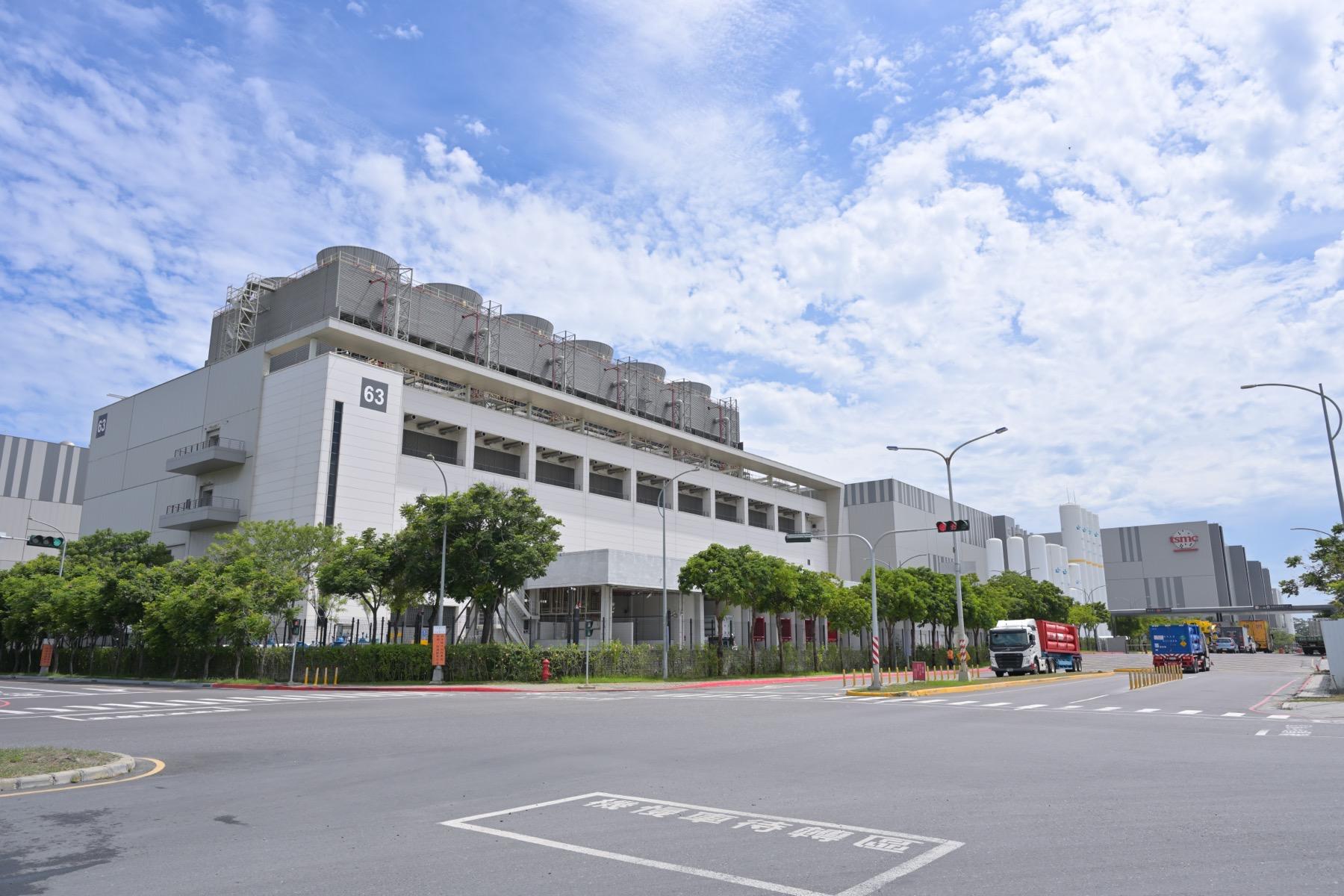
Taiwan Semiconductor Manufacturing Company, the world’s largest contract chipmaker, reported October consolidated revenue of about NT$586.89 billion on Tuesday. That is roughly US$17.8 billion in one month, up 59.7 percent from October 2025 and 14.7 percent from September, per the company’s release. January through October totaled NT$4,485.62 billion, up 43.3 percent from the same stretch a year earlier.
Focus Taiwan, citing the same company data, called it a monthly record, above the prior high of NT$514.81 billion set in August. Wendell Huang, TSMC’s senior vice president and chief financial officer, is the named spokesperson on the one-page flash. The release does not break October into AI accelerators, phones, or process nodes. It is a top line with two growth rates attached.
One foundry month at that level tops annual revenue at plenty of listed tech companies. It also explains why Taiwan’s export headlines and TSMC’s calendar keep showing up in the same week.
Held against the fourth-quarter outlook
In mid-October, after third-quarter results, TSMC guided fourth-quarter revenue to US$52.3 billion to US$54.3 billion. At the midpoint, management described that as about 14 percent sequential growth and about 58 percent year over year. The guide assumed US$1 to NT$31.8, which Focus Taiwan translates to roughly NT$1.66 trillion to NT$1.73 trillion for the quarter.
October’s NT$586.89 billion sits above the monthly band some analysts derived for November and December—about NT$538 billion to NT$570 billion—if the last two months run evenly inside that range. One strong month does not finish the quarter. After the first of three prints, though, the year-end guide still looks reachable.
The same mid-October package raised full-year 2026 revenue growth to about 44 percent in U.S. dollar terms, from a July view of a little more than 40 percent. Management tied the raise to leading-edge demand, including a steep 2-nanometer ramp. Third-quarter wafer revenue was already skewed advanced: 7-nanometer and finer technologies were 79 percent of wafer sales, with 2-nanometer at 8 percent of the mix as commercial production scaled.
What a monthly sales flash can tell you
Monthly revenue answers a narrow question: is billed foundry output accelerating, holding, or cooling versus last month and last year. A roughly 15 percent jump from September after an already strong summer says capacity is filling, customers are taking wafers, and the fourth-quarter story TSMC told investors survived its first data point.
The print also sits inside Taiwan’s wider trade report. The Ministry of Finance put October exports at US$96.76 billion, up 58.9 percent year over year—the 36th straight month of growth. Information and communications products and electronic components did most of the lifting; integrated-circuit exports alone rose 63 percent to US$31.17 billion. Beatrice Tsai, director-general of the ministry’s statistics department, told reporters that AI hardware was pulling advanced chips, servers, and networking gear through the same pipe. TSMC is not that whole export number. For advanced logic, it is still the clearest single company to watch.
For shippers and buyers downstream, the practical read is scarce leading-edge capacity and a calendar that still favors whoever locked allocation early. Air-cargo desks moving accelerators and high-value modules already bake that scarcity into December.
What it cannot disclose
The flash leaves the customer list blank. Apple, Nvidia, AMD, Broadcom, and a long roster of fabless designers all buy leading-edge wafers; October’s NT$ figure does not split them. It also will not separate AI GPUs from smartphone application processors, networking silicon, or the agentic-AI CPUs that Chairman and CEO C.C. Wei has named as another demand layer. Gross margin, fab utilization, and whether someone pulled orders forward all wait for a fuller report.
Memory sits elsewhere. SK hynix and Samsung’s HBM story runs on different income statements, even when the same AI rack needs both logic and memory. Taiwan’s imports jumped 75.1 percent in October as factories restocked and commodity prices rose. That is heat around TSMC’s complex, not a line inside Tuesday’s sales release.
Analysts who credit October to 2-nanometer shipments are inferring from the earnings-call ramp. Tuesday’s PR does not include a node table.
How to read the next two months
Wei’s mid-October message still frames the tape. Leading-edge demand remains extremely robust, in the company’s judgment still above supply. Consumer and price-sensitive segments look softer into 2027 planning. Capital spending for 2026 was reiterated at US$60 billion to US$64 billion, with 2026 through 2028 CapEx described as much heavier than the prior three years. That is a multiyear build.
The next checkpoints are concrete. Compare November and December sales with the implied monthly band that keeps fourth-quarter guidance honest. At the next earnings date, listen for whether demand still sits above capacity after TSMC checks customers’ financing and component readiness. On the trade side, watch whether IC and server exports keep their slope once holiday consumer restocking fades.
Nearly 60 percent year-over-year growth on a record month is a loud confirmation that Taiwan’s chip complex is still running hot into year-end. Margins and mix come later. Redraw the AI demand map then.
Related stories
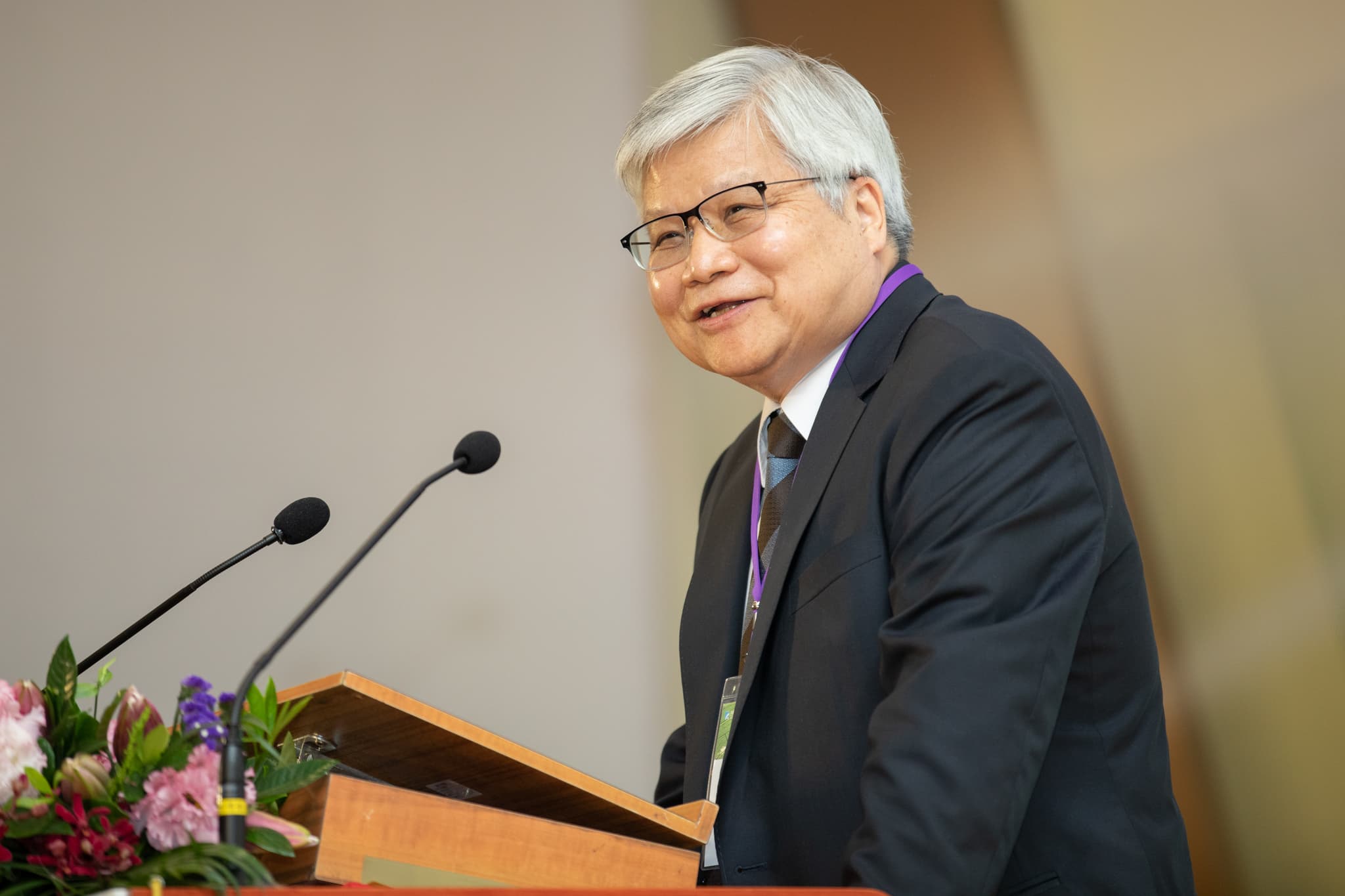
C.C. Wei Waited Twenty-Six Years for These Chairs
The engineer from Taiwan’s interior is the first person since Morris Chang to hold both chairs at TSMC. The job is to move the map without the island losing the company.
8 min · Aug 17, 2026

TSMC’s $265 Billion Arizona Bet Is Really About Packaging the AI Boom
On its July 16 earnings call, TSMC tied a fresh $100 billion Arizona commitment to packaging capacity so tight it is limiting customers’ growth.
4 min · Jul 16, 2026
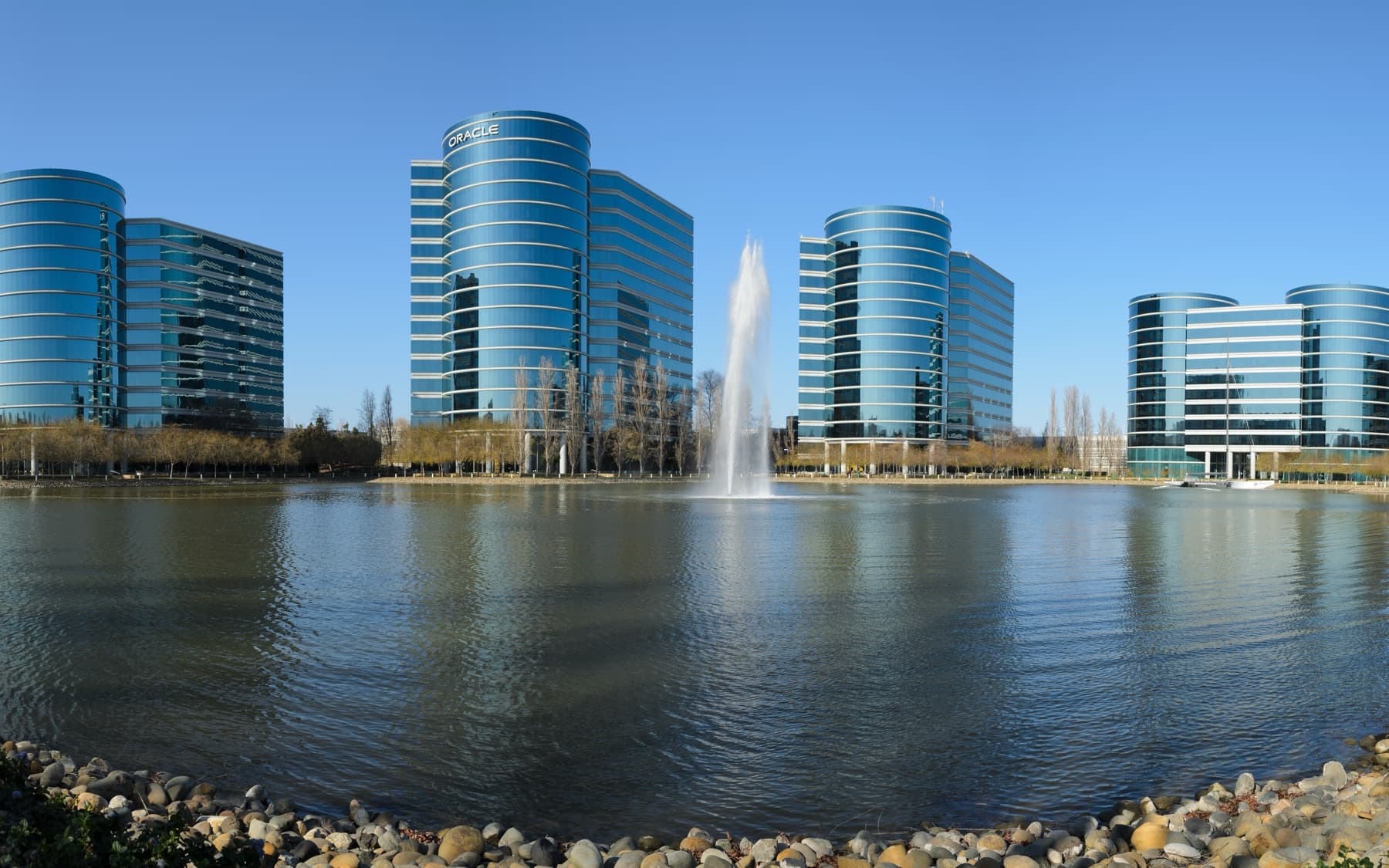
Oracle Scrapped the Tencent Chip Lease
The servers were supposed to sit in Southeast Asia. The pressure still landed on a U.S. cloud company.
6 min · Nov 4, 2026

AI Hardware Is Filling Transpacific Air Cargo to the Ceiling
Xeneta puts Asia–North America dynamic load factors at 90%. May Taiwan–U.S. rates hit $7.02 per kilo. Korean Air’s cargo yield jumped about 42% in the second quarter.
5 min · Jul 24, 2026