Samsung and SK hynix Are Turning Silicon Valley Into a Contract Signing
As President Lee meets Nvidia, OpenAI, Anthropic, and Broadcom in San Francisco, Seoul says Korea’s memory giants are set to lock “very large” long-term supply deals, and put names on the country’s AI data-center build.
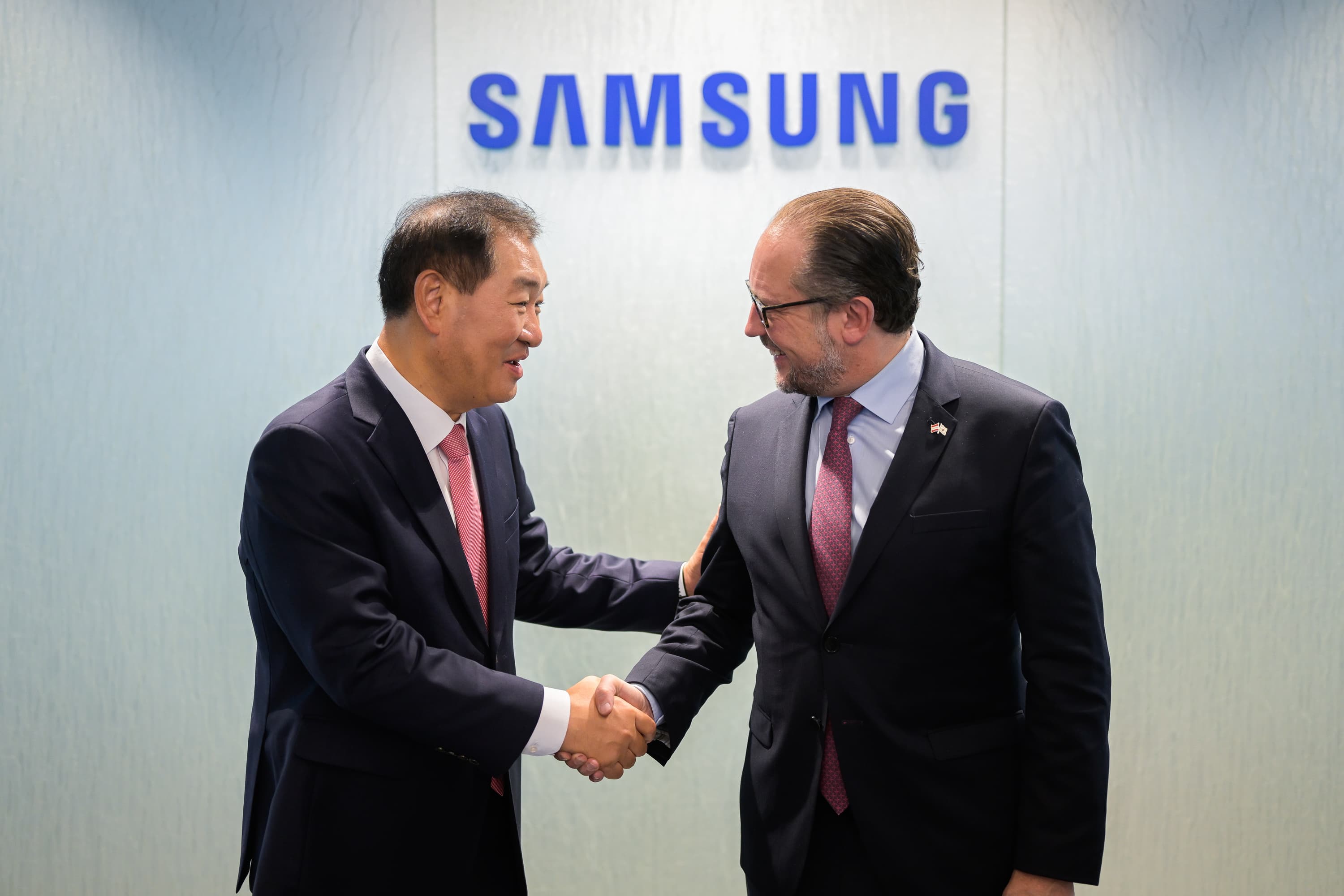
The speeches will travel farther than the contracts, but the contracts are the story. On Friday, July 24, President Lee Jae-myung opened an eleven-day overseas trip in San Francisco with an artificial-intelligence summit built around the people who buy, design, and power the systems that eat high-bandwidth memory. Seoul’s presidential policy chief, Kim Yong-beom, told reporters the same week that Samsung Electronics and SK hynix were prepared to announce long-term memory supply deals, strategic investment partnerships, and memorandums of understanding involving “very large” sums with leading US technology companies. He declined to name the dollar figures ahead of the companies. That restraint is useful. It keeps the focus on what is actually changing across the Pacific: Korean memory capacity is being locked more tightly to American AI demand.
Lee’s Bay Area cast list is unusually dense for a single presidential stop. Separate meetings were lined up with Nvidia’s Jensen Huang, OpenAI’s Sam Altman, Anthropic’s Dario Amodei, and Broadcom’s Hock Tan. The summit stage was also set to bring together Samsung Electronics Executive Chairman Jay Y. Lee, SK Group Chairman Chey Tae-won, Hyundai Motor Executive Chair Euisun Chung, and Naver founder Lee Hae-jin. Kim framed the presidential visit as a catalyst that helped finish negotiations already underway between Korean firms and their US counterparts. Wait for signed company releases before treating any one Big Tech name as the buyer of a particular wafer line.
Memory is the quiet hinge. High-bandwidth memory sits beside AI accelerators and feeds them data they would otherwise wait for. Industry estimates often put Samsung and SK hynix together at roughly four-fifths of global HBM revenue: an order of magnitude that explains why a Korean president can fill a San Francisco room with US AI CEOs. Kim’s sharper operational claim was about demand geography: eighty to ninety percent of the orders behind Korea’s latest fab-expansion plans, he said, come from American technology companies. Expanding plants at home, in that telling, is less a substitute for US investment than a response to US hyperscaler and model-builder appetite.
The second track is data centers on Korean soil. Kim said more than half of the government’s planned first-phase AI data-center capacity, about eight gigawatts in earlier government framing, was expected to take clearer shape during the visit, with named customers, sites, and Korean engineering partners rather than another round of intention statements. Hold the gigawatt ladder and any multi-quadrillion-won megaproject totals circulating in Korean coverage until the companies and ministries publish the live tables. What matters for readers is the direction: Korea wants to be both a memory supplier to US AI and a place where global firms will pay to put compute.
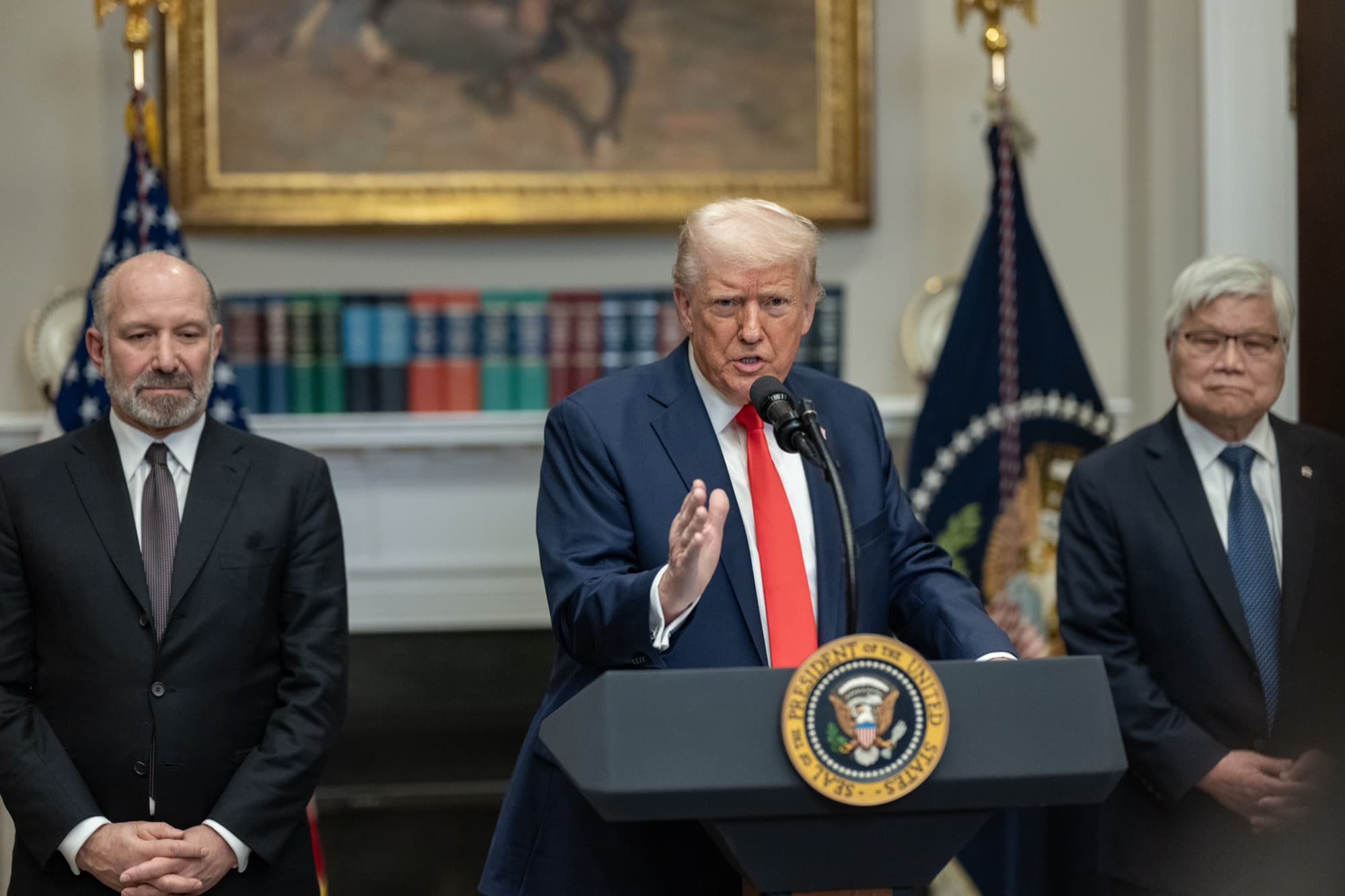
Washington’s pressure campaign sits in the background without owning the plot. US Commerce Secretary Howard Lutnick had urged Samsung and SK hynix earlier in July to expand memory production in the United States. Kim said such encouragement was natural from an American commerce secretary, and that neither President Trump nor the Commerce Department had made a formal request for additional US semiconductor investments after Korea’s recent cluster announcements. That is Seoul’s position. It still leaves Korean firms balancing US fab politics, China exposure, and a customer base that is overwhelmingly American on the AI side.
Lee is also expected to deliver what the presidential office calls a San Francisco AI Declaration: a short speech outlining Korea as a dependable supplier of AI infrastructure and a wider user of AI across its own economy. Treat the declaration as framing until the text is public. The durable signal is commercial. Last month’s package of at least about $880 billion in investment intentions, backed by Samsung, SK Group, and Naver for chips, AI data centers, and related capacity, only becomes a plan when customers and fabs line up. This weekend’s announcements are meant to turn more of that paper into contracts.
For readers who already followed SK hynix’s Nasdaq debut and July price swings, this is a different layer of the same company story. Listing volatility was about scarce securities and crowded trades. San Francisco is about multi-year supply. For readers who follow TSMC’s Arizona packaging build or Tower’s Japan silicon-photonics bet, the Korean piece completes a Pacific map in which advanced compute is no longer a single-country industrial romance. Foundry, memory, packaging, and power all have to clear at once.
What to watch next is concrete and small. Which US firms appear on the memory contracts. Whether AI data-center agreements name customers and locations or only “strategic cooperation.” How much of the language is binding supply versus non-binding MOU. And whether Korea’s second semiconductor-cluster talk. Honam and Gwangju–Jeonnam language in secondary coverage, moves from map to tools. The Pacific AI boom has been loud about models and GPUs. This week, Seoul is trying to make the quieter half audible: the memory that keeps those machines fed, sold under presidential lights in San Francisco.
Related stories
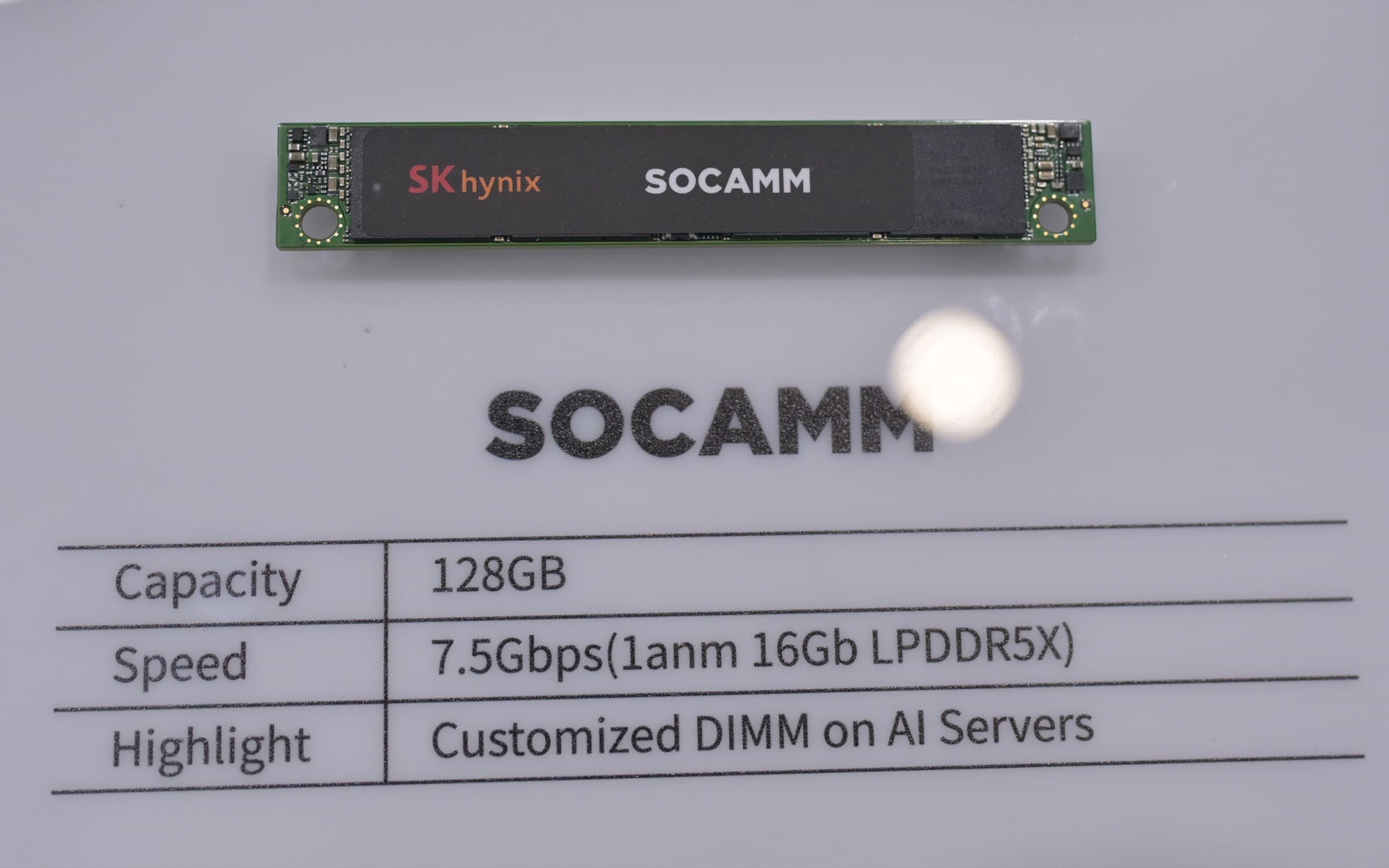
Korea Just Pre-Sold $950 Billion of Memory
Kim Yong-beom put ~$950B on Korean–US chip cooperation as advance memory orders, not investment. Here’s the SK–Nvidia, Samsung–Broadcom, and Naver split, and what still sits in unconfirmed.
4 min · Jul 25, 2026
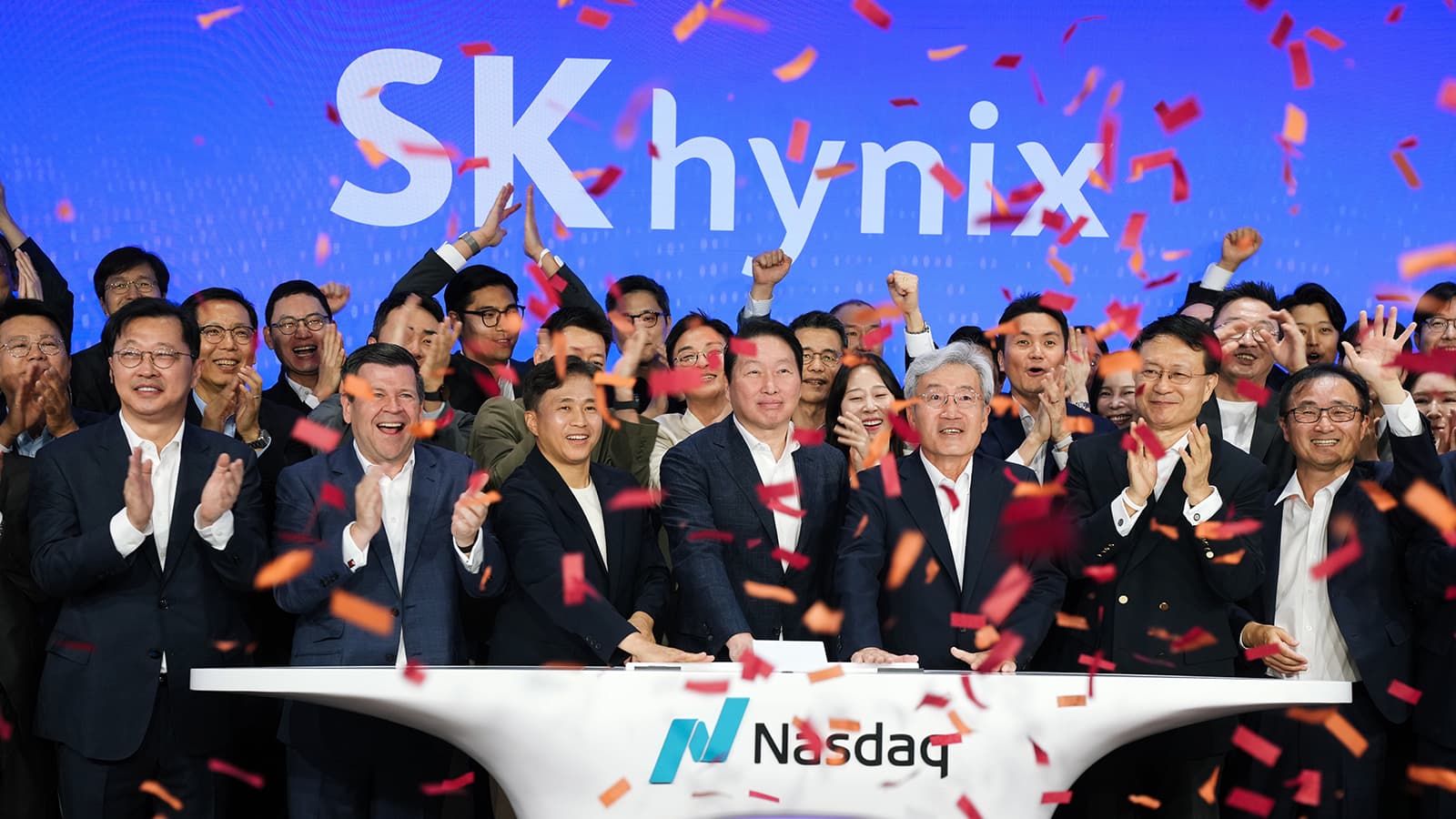
Why SK hynix Shares Are So Volatile After Its Nasdaq Debut
SKHY and Seoul-listed 000660 represent the same chipmaker, but July’s listing structure briefly made them look like different stories.
7 min · Jul 16, 2026
TSMC’s $265 Billion Arizona Bet Is Really About Packaging the AI Boom
On its July 16 earnings call, TSMC tied a fresh $100 billion Arizona commitment to packaging capacity so tight it is limiting customers’ growth.
4 min · Jul 16, 2026
AI Hardware Is Filling Transpacific Air Cargo to the Ceiling
Xeneta puts Asia–North America dynamic load factors at 90%. May Taiwan–U.S. rates hit $7.02 per kilo. Korean Air’s cargo yield jumped about 42% in the second quarter.
5 min · Jul 24, 2026
Related global reads
Transpacific Bound
Korea Just Pre-Sold $950 Billion of Memory
Transpacific Bound
Why SK hynix Shares Are So Volatile After Its Nasdaq Debut
AsiaMS
K-beauty crosses the $2 billion mark as U.S. household adoption triples
Goldsea
Asia’s 8 most romantic places and the great love stories behind them
At the Banquet
The Banquet guide to Seoul