
Why SK hynix’s Record Quarter Sent Its Stock, and Asia’s Chip Sector, Sliding
A near-sixfold profit jump still missed brokerage estimates, and the miss landed in the middle of a China-competition scare that wiped out more than a trillion dollars across chip stocks in a week.
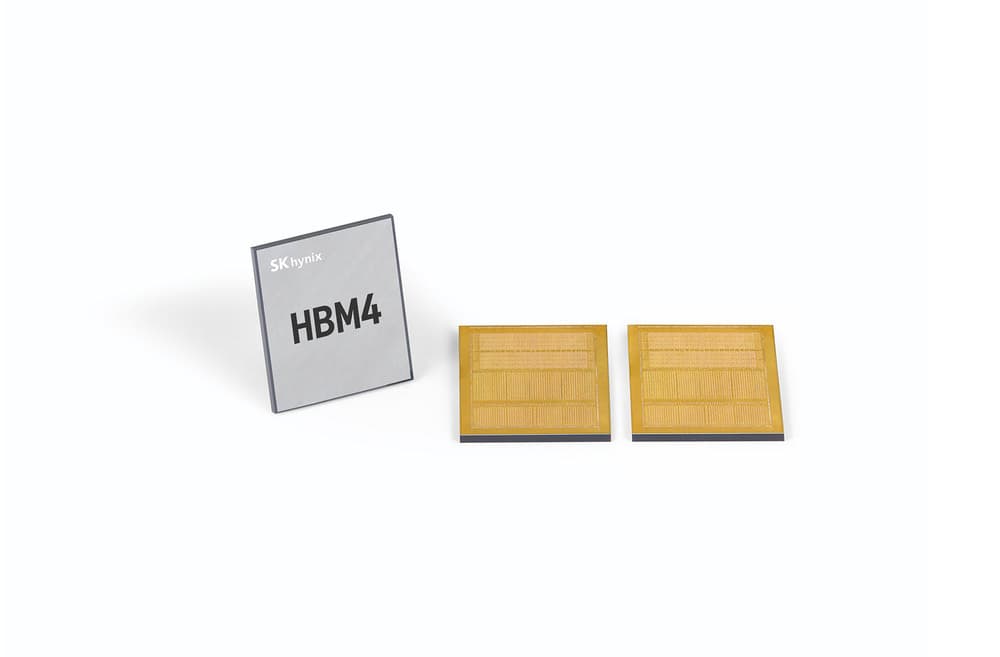
SK hynix reported the best quarter in its history on July 29, and its stock fell anyway. Revenue reached ₩79.3187 trillion and operating profit hit ₩60.5426 trillion, both records, up 257 percent and 557 percent from a year earlier, with an operating margin of 76 percent. Net profit came to ₩93.9226 trillion, a figure so far above operating profit that it points to a large non-operating gain the company did not break out in its release. None of that was enough to hold the stock up. Seoul-listed shares (KRX: 000660) had already fallen 14.65 percent to ₩1.55 million in the July 28 session, part of a broader selloff already under way before the results came out, then dropped a further 3.4 percent once the market digested the actual numbers on July 29, closing at ₩1.4 million. The Nasdaq-listed depositary shares (SKHY) closed the same Tuesday U.S. session at $130.17, down 8.99 percent and already about 12.6 percent below their $149 offer price from July’s listing, before slipping further, to roughly $125.09, in after-hours trading once the results crossed.
The company’s own numbers explain part of the letdown. Fourteen Korean brokerages had penciled in roughly ₩84.1 trillion in revenue and ₩64 trillion in operating profit for the quarter. SK hynix’s actual results landed a few percent below both figures. A miss of that size would barely register for a company growing at a normal pace. For SK hynix, coming off a first half that had already crossed ₩100 trillion in cumulative revenue for the first time in company history, it read instead as evidence that Seoul and Wall Street had priced in something close to perfection, and that even a record-breaking quarter could not clear that bar.
SK hynix was not selling off alone. South Korea’s benchmark KOSPI fell 10.84 percent on July 28, its steepest single-day drop since the U.S.-Iran escalation in March, then fell as much as 13 percent intraday on July 29, triggering a trading halt, before closing down 6 percent. Samsung Electronics, SK hynix’s cross-town rival and fellow KOSPI heavyweight, fell about 13.4 percent on July 28, its worst one-day decline in nearly two decades, then rose 0.7 percent on July 30 as its own detailed results approached. Japan’s Kioxia fell 13.85 percent on July 29, and Taiwan’s MediaTek fell nearly 5 percent the same day. TSMC and ASML each lost roughly 6.5 and 11 percent of their value over the week, a decline tied less to SK hynix’s earnings than to separate reports that China had begun domestic production of immersion deep-ultraviolet lithography tools. In the United States, Micron fell 8.95 percent, and Nvidia alone shed an estimated $238 billion in market value since the prior Friday’s close, according to CNBC. Across the group, more than $1 trillion in combined market value was erased in a matter of days.
Two worries fed the decline, and they compounded each other. The first was a growing skepticism about how long memory’s current profit cycle can run, even though brokerages still expect another record quarter to follow this one. “We seem to be at the despair part of the selloff,” Matt Simpson, senior analyst at StoneX Group, told Reuters, a comment less about SK hynix’s fundamentals than about how much AI-infrastructure spending investors are still willing to price in. The second was China. CXMT, the Shanghai-listed memory maker, surged 466 percent on its July 26 market debut and gained a further 12.6 percent on July 29, briefly making it China’s most valuable listed company at a valuation near $488 billion, still well below SK hynix’s roughly $881 billion and Micron’s roughly $1 trillion. Analysts quoted by Reuters were careful to separate the threat by product: CXMT is a real and rising force in commodity DRAM, where it already holds close to 8 percent of global supply and is reportedly being courted by Apple as an alternative source, but it remains years behind in high-bandwidth memory, the product at the center of SK hynix’s partnership with Nvidia.
Underneath the selloff, the operational story SK hynix told on its earnings call was largely unchanged from mid-July, and by most measures stronger. HBM4 entered mass shipment during the quarter, with the company saying the product met customer-required operating speeds while delivering industry-leading power efficiency and cost competitiveness; a broader ramp is planned for the second half. SK hynix said it has finalized long-term supply agreements with roughly ten key customers, and executives pushed back on concerns about AI overinvestment, telling investors they see no near-term end to demand growth. The balance sheet backs that confidence: cash and equivalents rose to ₩88.0 trillion, up ₩33.6 trillion from the prior quarter, while total debt fell to ₩18.6 trillion, leaving a net cash position of ₩69.4 trillion. For the third quarter, SK hynix guided to DRAM bit shipments rising roughly 10 percent and NAND bit shipments rising by a low-single-digit percentage, with overall second-half shipment growth expected to outpace the first half. 2026 capital spending is now guided to the high-₩40-trillion range, funding an accelerated buildout at the M15X line ahead of the Yongin cluster’s first cleanroom, still on track to open in early 2027.
This is the second time in a month that SK hynix’s stock has moved far faster than its disclosed business. In mid-July, the story was structural: a scarce new Nasdaq security, a ten-to-one ADS ratio, and limited early arbitrage let the U.S. and Seoul listings drift apart by tens of percentage points before settling down. This time the mechanism is different. The company delivered results that would have been difficult to imagine two years ago, and the market judged them against expectations that had climbed even faster.
What happens next will be measured against dates already on the calendar rather than against sentiment alone. Samsung’s own detailed second-quarter results, due in the days ahead, will show whether SK hynix’s shortfall was company-specific or shared across Korea’s memory sector. Major U.S. technology companies report earnings this week too, and their capital-spending commentary will likely matter more to the AI-memory trade than anything SK hynix says about its own order book. CXMT’s progress is worth watching less for what it can do in HBM today than for how quickly, if at all, it narrows that gap, since a credible third HBM supplier would change the competitive math for SK hynix, Samsung, and Micron alike. None of that was resolved on July 29. What changed is that the market now has an actual quarter, not just an estimate, to argue about.
Related stories
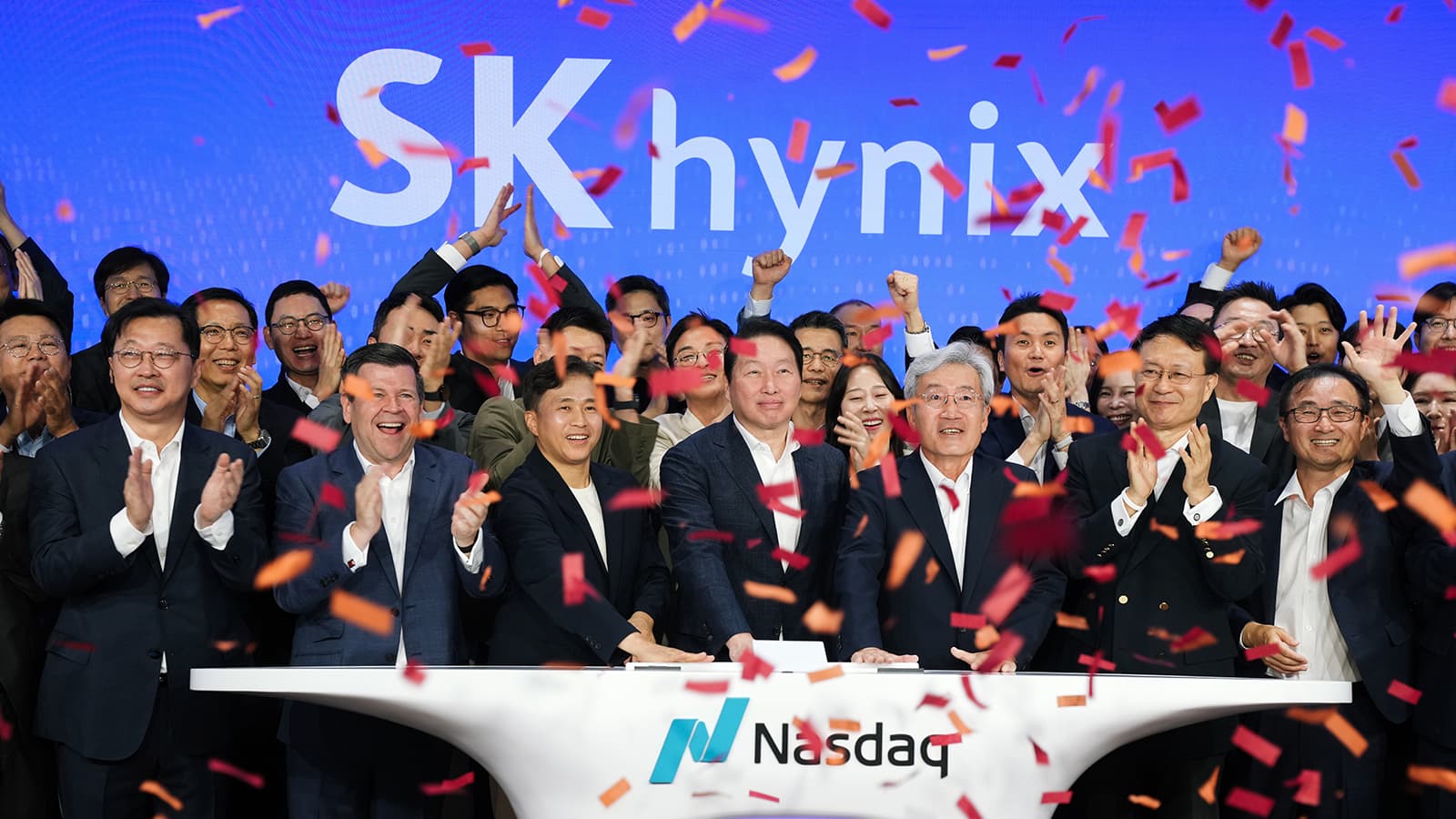
Why SK hynix Shares Are So Volatile After Its Nasdaq Debut
SKHY and Seoul-listed 000660 represent the same chipmaker, but July’s listing structure briefly made them look like different stories.
7 min · Jul 16, 2026

Samsung and SK hynix Are Turning Silicon Valley Into a Contract Signing
Kim Yong-beom says Samsung and SK hynix will announce major long-term memory contracts during Lee’s Bay Area stop. Watch the customers; wait on the figures.
5 min · Jul 24, 2026

AI Hardware Is Filling Transpacific Air Cargo to the Ceiling
Xeneta puts Asia–North America dynamic load factors at 90%. May Taiwan–U.S. rates hit $7.02 per kilo. Korean Air’s cargo yield jumped about 42% in the second quarter.
5 min · Jul 24, 2026
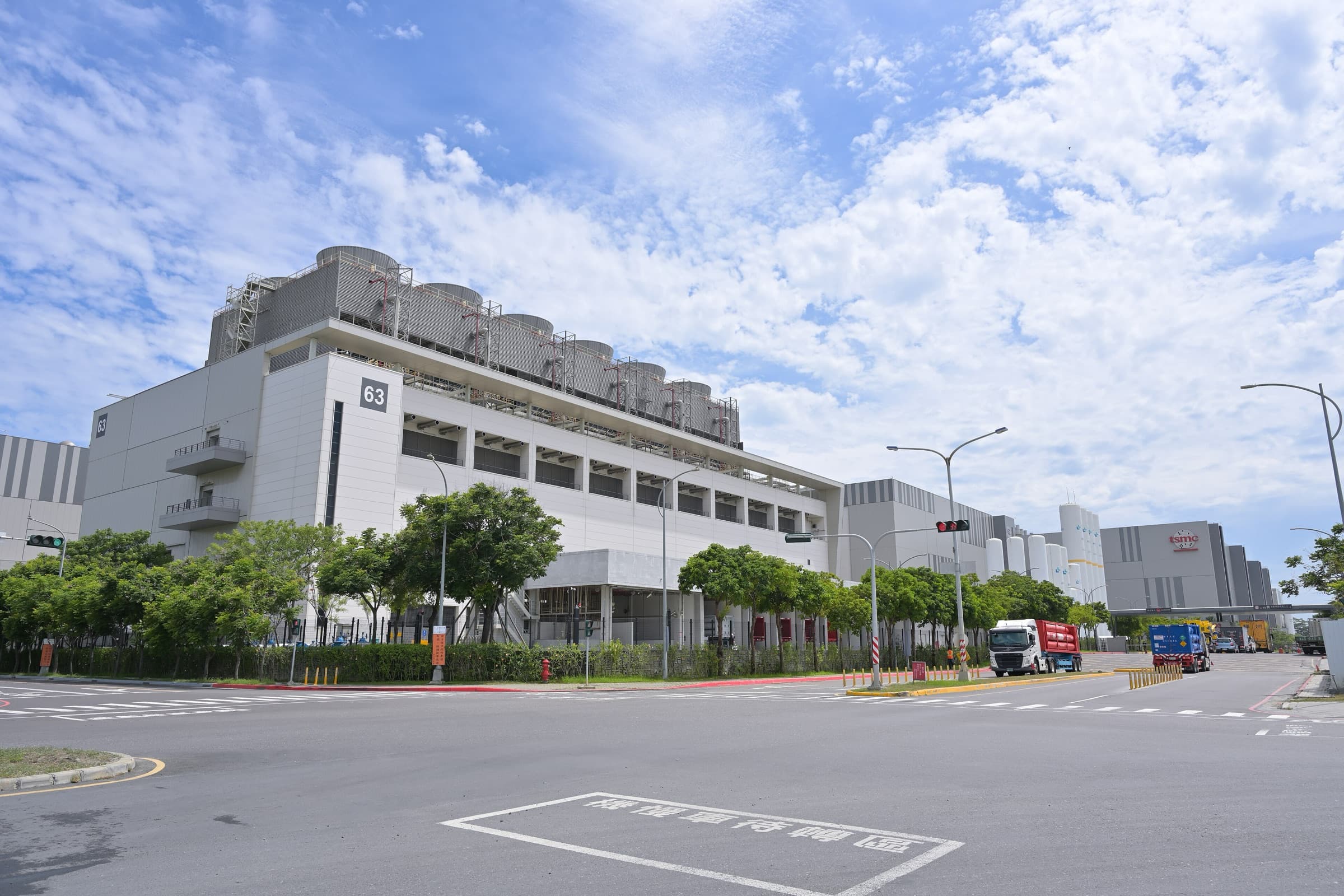
TSMC’s Japan Fab Is on Utilities Again—Calibration Is the Slow Part
The useful chip-supply update from Kumamoto is operational: power and water are normal, tools are being checked and tuned, and TSMC has not posted a full-recovery date.
3 min · Jul 29, 2026
Related global reads
Transpacific Bound
Why SK hynix Shares Are So Volatile After Its Nasdaq Debut
Transpacific Bound
Samsung and SK hynix Are Turning Silicon Valley Into a Contract Signing
AsiaMS
K-beauty crosses the $2 billion mark as U.S. household adoption triples
At the Banquet
The Banquet guide to Seoul
At the Banquet
The return of quiet luxury in Seoul