
Chinese Visitors Plunged. Japan Hotel Rates Did Not.
Mainland Chinese arrivals are down more than half. Japan’s national hotel rates are still up. Osaka is the exception—and even that soft patch has an Expo asterisk. The dollar “discount” is mostly the yen.
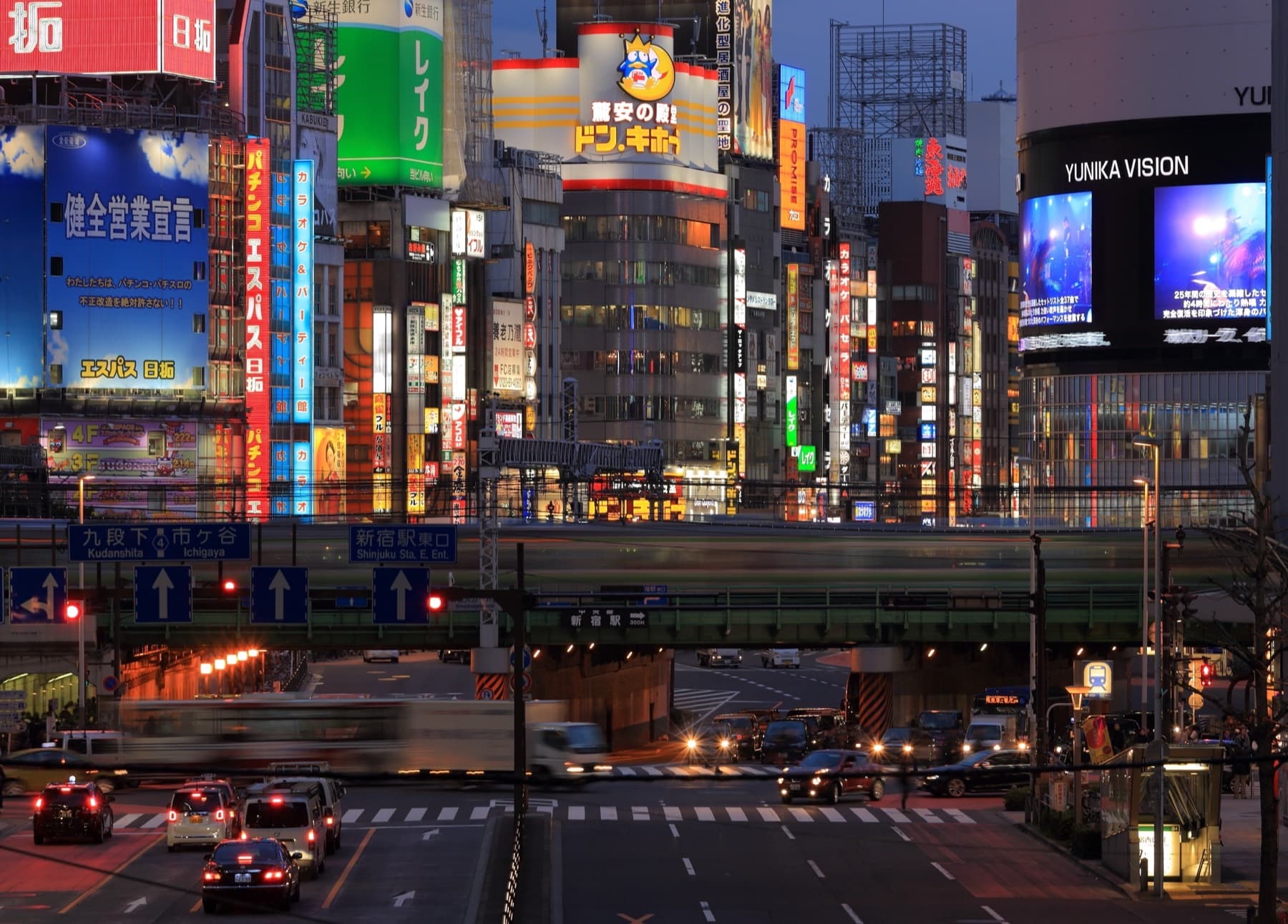
Article
A lot of travelers heard that Chinese visitors to Japan collapsed this year and assumed the hotels would follow. Fewer coaches in the lobby. Softer nights on the booking screen. A temporary window.
The arrival numbers are real. Mainland Chinese visitors to Japan fell about 57 percent in June, to roughly 341,000 people, according to the Japan National Tourism Organization. May was worse, down about 60 percent. This week’s Chinese Golden Week lists, which we covered separately, left Japan off the charts that used to put Tokyo and Osaka near the top. The bargain theory writes itself.
The hotel bill does not.
STR, the hospitality analytics firm that tracks room rates worldwide, put Japan’s average daily rate at ¥18,512 in June, about $117 at the exchange rates then circulating in trade coverage, and still up 2.1 percent from June 2025. That is a national average in a summer month, when Japan’s own holiday calendar usually cools the climb. Shiori Sakurai, STR’s Japan market head, has said summer demand skews more domestic, so rates tend to rise more slowly than in cherry blossom or foliage season. Even then, the national figure moved up.
Spring was firmer. Nikkei, citing STR, put May’s national average at ¥21,795, up 6.5 percent year on year, with occupancy near 80 percent. Tokyo led the board at ¥33,168 a night, up 12.8 percent—roughly two hundred dollars for an ordinary night in the city most first-timers still book first. That is not the behavior of a market waiting for Chinese coaches to return.
Osaka is softer, with an asterisk
Osaka is where the China story and last year’s Expo tangle into one messy year-over-year chart.
STR’s June reading for Osaka Prefecture came in at ¥17,299, down 18.8 percent from a year earlier. In May, Osaka’s average was ¥20,372, down 13.9 percent. Seoul’s Sedaily, citing Nikkei and STR, and Chinese trade coverage of the same STR tape have both pointed at two causes at once: the Chinese travel advisory that followed Japanese Prime Minister Sanae Takaichi’s late-2025 Taiwan remarks, and a hangover from Expo 2025 Osaka, Kansai, which jammed the city’s lodging calendar last year and made every 2026 comparison look worse than the street feels.
HotelBank’s settled-rate work on Osaka city hotels makes the Expo caveat concrete. The June drop looks brutal next to 2025 and much milder next to 2024, before the Expo year inflated the baseline. Osaka has more rate air right now than Tokyo. That soft patch still is not proof Japan as a whole is on sale.
If you want a quieter number this autumn, shop Osaka with your eyes open. If you want Tokyo or Kyoto, budget as if the sidewalk is still crowded, because for the hotels you actually want, it usually is.
Who replaced the Chinese coach
China’s missing volume changed the guest list. It did not empty the country.
STR has pointed to longer stays by travelers from Europe, the United States, and Australia as one reason national rates held. JNTO’s spring tallies showed record May totals for many of Japan’s other big markets, including Korea, the United States, the United Kingdom, and Australia. Those gains offset a large share of the Chinese drop in the headline arrival count. Korea and Taiwan have been carrying more of the sidewalk all year. They tend to book shorter hops, familiar food, and nights that still fill Shinjuku and Shinsaibashi—without the same group-tour pressure China used to put on Osaka’s midscale corridor.
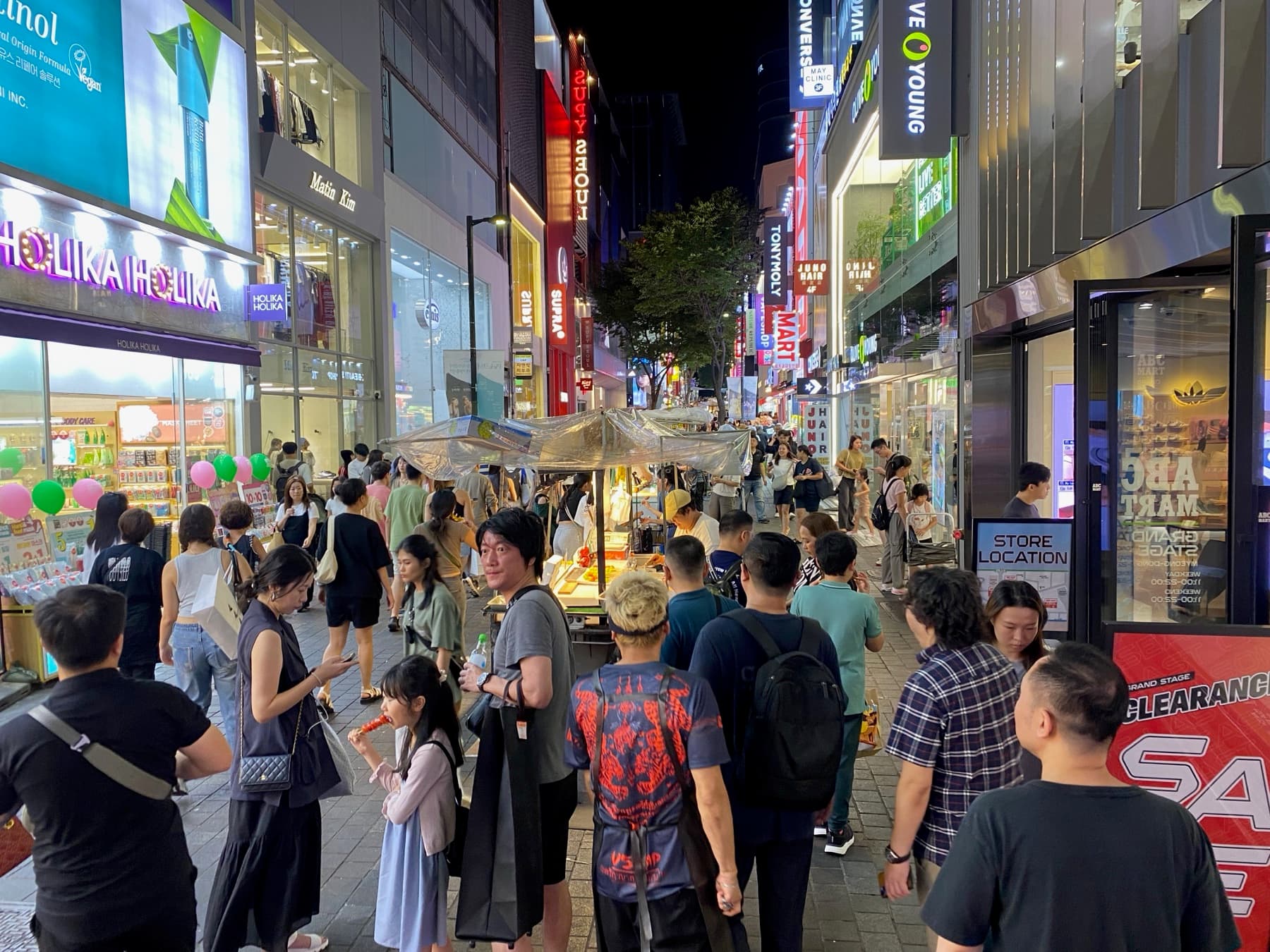
For a North American reader, the hallway test is simple. In Shinjuku or Gion this season, the voices at the next table are likelier to be Korean weekenders, Taiwanese independent travelers, and long-haul Westerners than a mainland Chinese tour group counting off at the elevator. Those guests still want the same good rooms. That is why a China-shaped hole in the arrival chart has not opened a matching hole in Tokyo’s rate calendar.
The dollar discount is mostly the yen
There is a second chart people confuse with a sale.
MetroEngines Research tracks estimated settled rates across Tokyo, Kyoto, Osaka, Hokkaido, and Okinawa. Its five-area average sat near ¥11,900 in July 2026, up about 38 percent from July 2019 in yen. Restate the same rooms in dollars and they are still about 8 percent cheaper than 2019. Tokyo is the only one of those five areas above its 2019 level in dollars. Kyoto and Osaka still look cheaper in foreign currency even after years of yen-rate increases.
That gap is exchange rate. It is not Japanese hotels deciding to be generous with Americans. HotelBank’s reading of the same series is blunt: if the yen strengthens toward older levels while yen rates hold, the dollar price climbs without a single front-desk raise. The feeling that “Japan is still cheap” can be true at checkout and gone after one FX move.
Fees are stacking around the edges too. Japan’s international departure tax rose from ¥1,000 to ¥3,000 on July 1. Tokyo’s lodging tax is headed toward a structure of about 3 percent of the room rate in April 2027. Those charges are not the average daily rate, but they show up on the trip bill the same week you notice the hotel feels dearer than the Instagram version of weak-yen Japan.
What to do with the booking screen
Do not wait for Chinese demand to come back before you decide whether Japan is “busy.” The rooms North Americans usually reserve are already being bid up by everyone who kept flying.
Keep Tokyo and Kyoto if those are the cities you want. Pay for neighborhood and season the ordinary way: spring and autumn cost more than a quiet midsummer weekday, and a good Shinjuku or Kawaramachi night was never priced off a JNTO nationality table. Use Osaka when you want more rate flexibility, and remember last year’s Expo still sits inside the year-over-year comparisons hotels and analysts keep quoting.
Watch the yen as closely as the occupancy headlines. That is the lever most likely to change what your card is charged for the same key.
Related stories
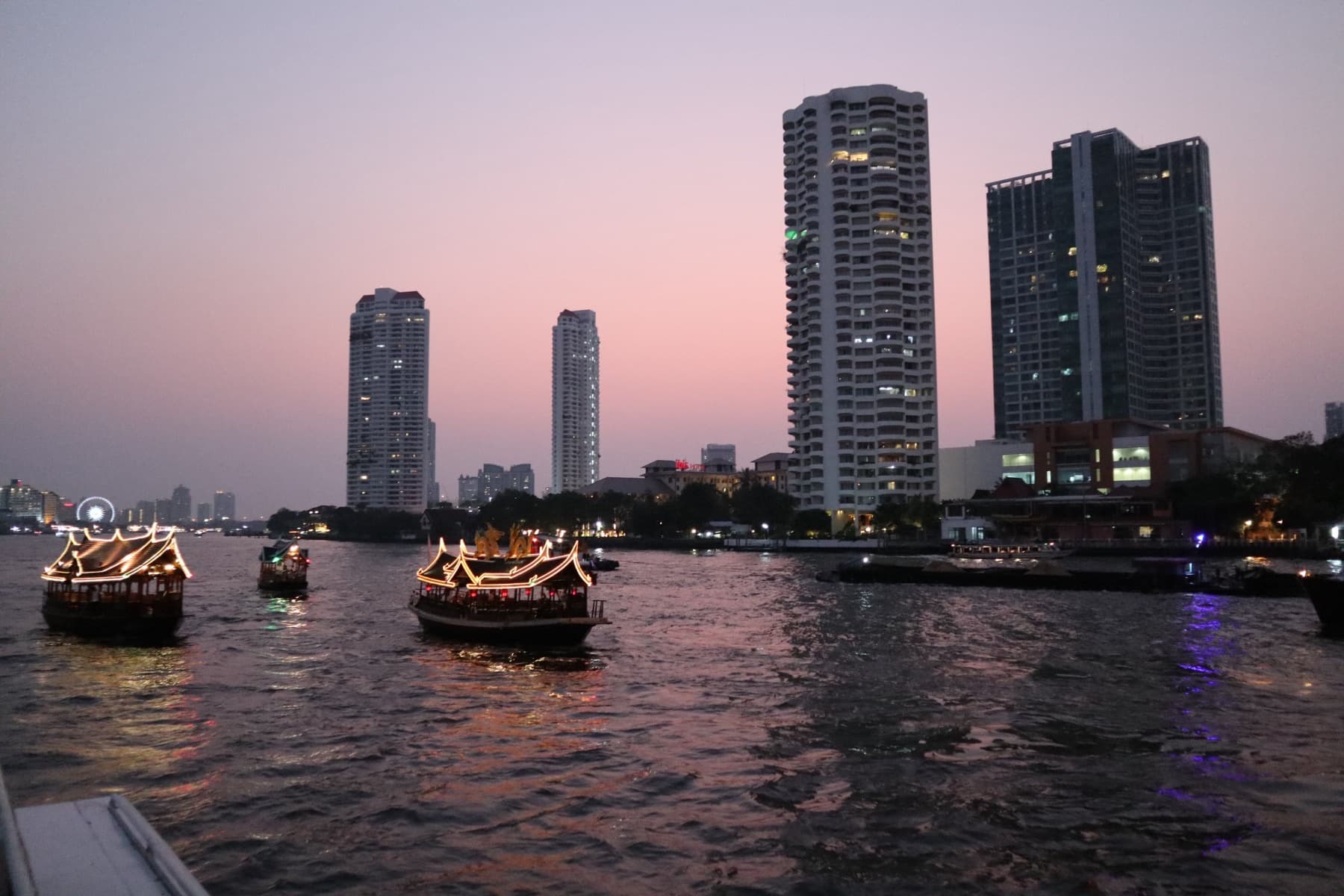
Japan Is Off China’s Golden Week Top 10. Bangkok Took First.
China’s National Day week runs through Wednesday. Japan has fallen off the Chinese booking lists that mattered last October. Bangkok, Kuala Lumpur, and Seoul took the seats.
7 min · Oct 5, 2026
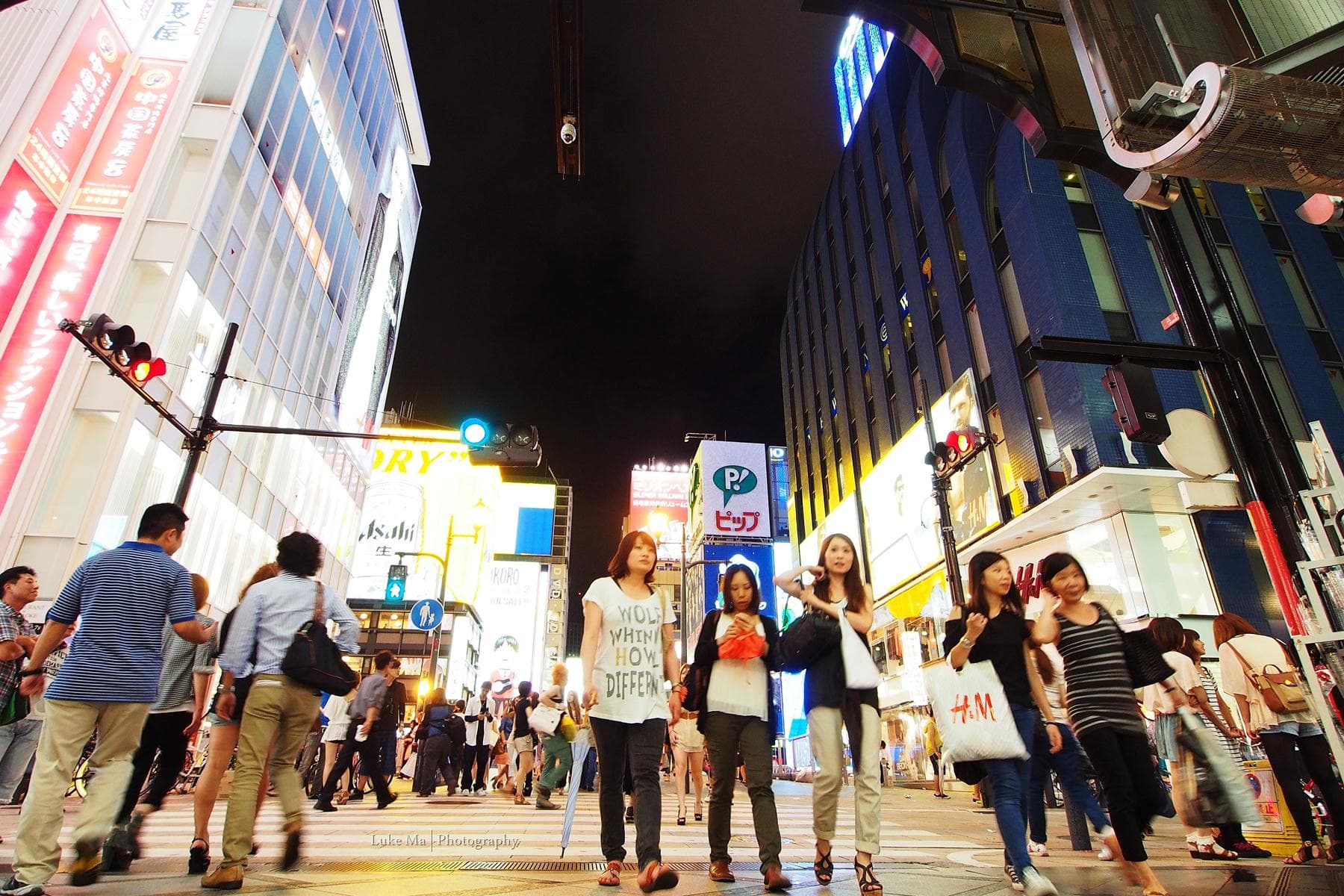
GIC Reportedly Paid Roughly $800 Million for Midscale Japan Hotels
KKR sold a 16-hotel Marriott midscale portfolio in Japan. Reports put Singapore’s GIC behind a deal near $800 million. The bet is inbound demand and rooms people can still afford.
6 min · Sep 30, 2026
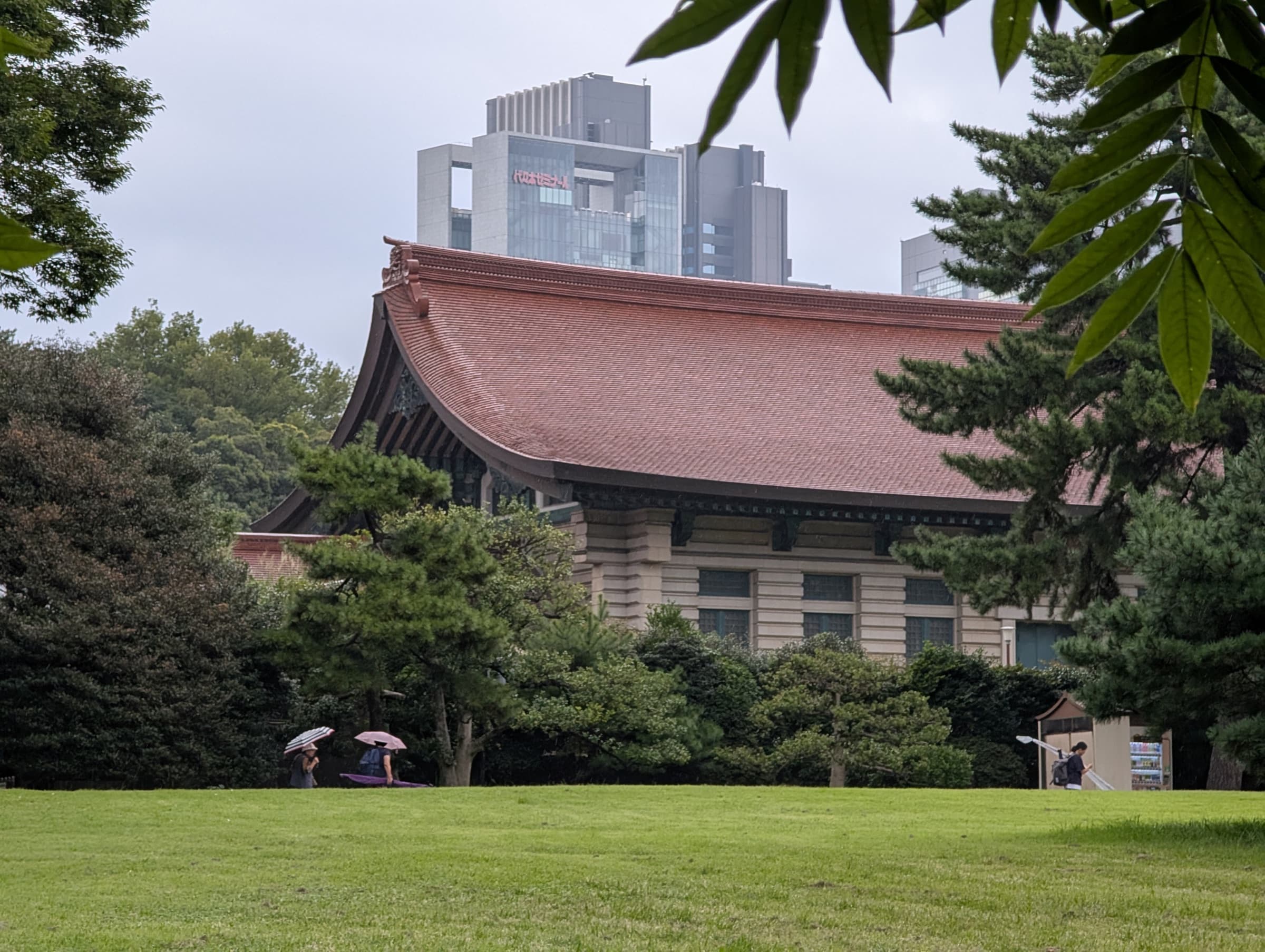
Japan’s Visitor Map Is Changing, Even If the Sidewalk Still Feels Full
JNTO’s first-half numbers show China down more than half while Korea and Taiwan surge. Spending barely budged. Here’s what that shift feels like on the ground.
4 min · Jul 24, 2026
Asia’s Loudest Real-Estate Bet Is the Hotel You Already Book
Knight Frank put Asia-Pacific hotel investment at $5.4 billion in Q2. The Seoul and Singapore deals show what that means for rates, renovations, and the next flag on your booking screen.
6 min · Aug 17, 2026