
Kumamoto’s Chip Restart Is Moving—Kyushu’s Trains and Flights Are the Bottleneck
Renesas and Tokyo Electron have phased restart dates; TSMC and Sony are still inspecting. South of Kumamoto, the Kyushu Shinkansen stays closed, and JAL’s extra seats are mostly gone.
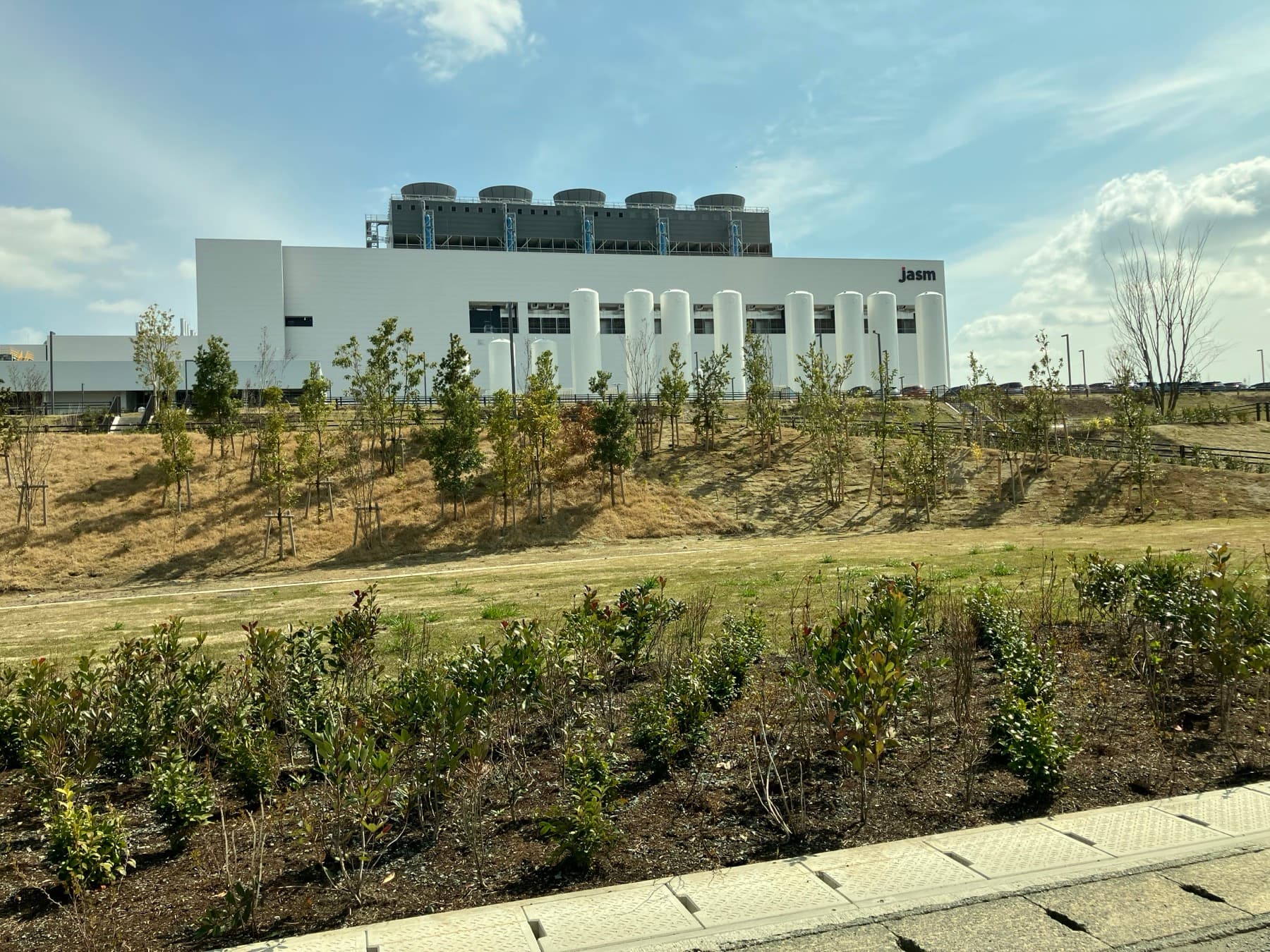
Four days after a magnitude-7.1 earthquake hit the Kumamoto region on July 28, Japan’s chip cluster—often nicknamed Silicon Island—is no longer a single pause button. Seoul Economic Daily, citing Nikkei reporting dated July 31, describes a staggered restart: some plants are already moving tools again, while Taiwan Semiconductor Manufacturing Co.’s Japan Advanced Semiconductor Manufacturing fab and Sony’s Kumamoto lines are still deep in inspection. The human cost of the quake remains separate and heavier; Japan Times put the death toll at least in the mid-30s by Friday. This piece is about the industrial calendar and the travel map underneath it.
The faster names have dates. Renesas Electronics restarted its Nishiki plant on July 29 after cleanroom safety checks, and is aiming to restart the older Kawajiri plant—closer to the epicenter, with wall cracks and water leaks but an intact cleanroom—around August 5, per the same Nikkei-sourced account. Tokyo Electron began staged plant restarts on July 30 and has pointed toward full-scale production from August 3. Mitsubishi Electric is sequencing equipment back at power-semiconductor sites in Kikuchi and Koshi under final inspections. Those are phased targets, not victory laps; treat them as company calendars that can still slip with aftershocks or parts shortages.
TSMC and Sony are the slower column. TSMC has already said JASM’s structure held and utilities returned after the precautionary evacuation—we covered that utilities-and-calibration update earlier in the week—but it still has not posted a full-normalization date. In the Aug 1 cluster roundup, TSMC’s language, via Nikkei, stresses that equipment inspection and adjustment take time, that suppliers are swamped with requests to clean tools and replace components, and that damaged gas or chemical piping can make recovery work itself dangerous. Sony Semiconductor Solutions said on July 29 that operations at its Kumamoto Technology Center in Kikuyō remained suspended while buildings and lines were evaluated; other Kyushu sites were reported without significant damage. The 2016 Kumamoto quakes left Sony with a published precedent of roughly ¥28 billion in high-rise tool losses—context for why the company is slow to declare all-clear, not a forecast for this week’s bill.
Nikkei’s useful industry point is process depth. Semiconductor lines run through hundreds of steps, so visual checks do not equal metrology; recovery is usually slower than at auto plants even when earthquake-resistant design and business-continuity planning shorten the worst-case. That is why “structure intact” and “wafers shipping” are different sentences.
Logistics are the bottleneck travelers and suppliers will feel first. JR Kyushu has restored Kyushu Shinkansen service between Hakata and Kumamoto, but the southern section toward Kagoshima-Chūō remains closed after more than 200 damage sites—collapsed sound walls, damaged rails including at Shin-Yatsushiro—with no reopen date in the Aug 1 reporting. Detours have stretched Kagoshima–Hakata travel from about an hour and a half toward nine hours. Partial highway closures have also knocked out normal express-bus patterns between Fukuoka and Kagoshima or Miyazaki, pushing some road trips past six hours under driver-hour rules. Japan Airlines added extra flights on Fukuoka–Kagoshima, Fukuoka–Miyazaki, and Haneda–Kumamoto; most of those seats were already full in the same account. Aso Kumamoto Airport itself has been operating most schedules after a brief runway pause, which is not the same as finding a seat.
For a Pacific business desk, the so-what is dual. Specialty and power-semiconductor customers watching Renesas, Tokyo Electron, and Mitsubishi get earlier restart language. Auto and industrial customers tied to JASM still live on TSMC’s calibration clock. Anyone moving people or parts through southern Kyushu should assume the Shinkansen gap and sold-out air seats until JR and the carriers say otherwise—especially if a Miyazaki or Kagoshima itinerary was built on bullet-train math.
What to watch next is operational and dull on purpose. Whether Renesas hits the August 5 Kawajiri target. Whether Tokyo Electron’s August 3 full-scale language holds. Whether TSMC or Sony post a clearer recovery window. Whether JR Kyushu names a southern Shinkansen reopen date before typhoon and aftershock calendars complicate the work. Treat the restart as a staggered calendar—and treat southern Kyushu as a logistics problem until the Shinkansen reopens.
Related stories
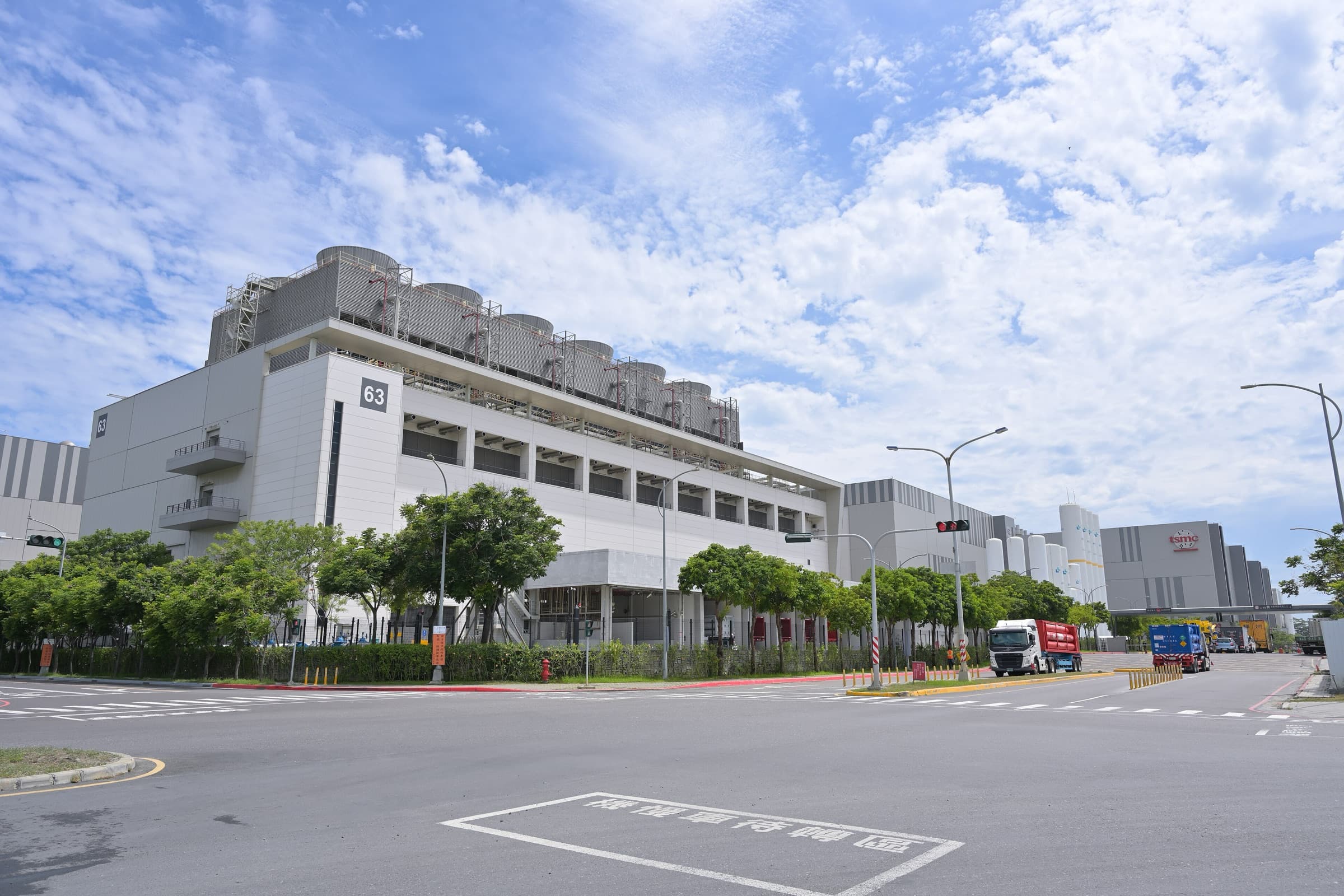
TSMC’s Japan Fab Is on Utilities Again—Calibration Is the Slow Part
The useful chip-supply update from Kumamoto is operational: power and water are normal, tools are being checked and tuned, and TSMC has not posted a full-recovery date.
3 min · Jul 29, 2026
Korea’s July Exports Hit Nearly $99 Billion as Chips Almost Tripled
Second-biggest monthly export haul on record, chips above $40 billion for a second month, and a reminder that AI demand is still leaving Incheon even when Seoul equities argue.
4 min · Aug 1, 2026
Tower’s $3 Billion Japan Bet Is About Wiring AI, Not Building Another Logic Megafab
Tower’s dual-track Japan expansion puts silicon photonics and SiGe capacity behind AI optical interconnect, with about $3 billion net of roughly $1 billion in Japan grants.
3 min · Jul 23, 2026

TSMC’s $265 Billion Arizona Bet Is Really About Packaging the AI Boom
On its July 16 earnings call, TSMC tied a fresh $100 billion Arizona commitment to packaging capacity so tight it is limiting customers’ growth.
4 min · Jul 16, 2026