Will the 2026 Asian Games Make Nagoya Easier—or Harder—to Visit?
One month before the opening ceremony, a go-or-reroute guide: who should lean into the crowds, who should sleep elsewhere, and which nearby places pick up the quieter travelers.
Most travelers meet Nagoya as a station announcement between Tokyo and Kyoto, then stay in their seat. Abroad, the city’s reputation is Toyota, miso, and a fast transfer.
For a little over two weeks this autumn, staying in that seat gets expensive.
The 20th Asian Games open in Aichi and Nagoya on 19 September and close on 4 October, with both ceremonies at the rebuilt Paloma Mizuho Stadium. Football preliminaries begin earlier, on 10 September, which is the more honest start date if you are booking a hotel or a reserved seat on the bullet train. The Olympic Council of Asia and the Aichi-Nagoya organizing committee put the program at 43 sports across 53 venues, with roughly 45 national teams expected.
That is enough sport to rearrange a mid-sized city’s hotels, trains, and evenings for a fortnight. Whether it makes Nagoya easier or harder for you depends almost entirely on why you were going in the first place.
A month out, the choice is still yours. It stops being yours around the time the good beds sell.
| If you… | Then… | Why |
|---|---|---|
| Already hold session tickets and a hotel | Lean in | The city is built for spectators right now; the hard part is already behind you |
| Want castle-and-miso days with no sports plan | Shift the dates or the base | Central rates and station crowds will punish a soft itinerary |
| Can sleep in Inuyama, Gifu, or near Centrair | Use Nagoya for evenings | Same rail network, lighter nights, one subway ride into the noise |
| Are collecting Japan on a first Golden Route trip | Skip Nagoya for this window | Tokyo–Kyoto–Osaka already asks enough; adding a Games city without tickets is how the holiday thins out |
Judgment for North America–Japan leisure travelers as of 20 August 2026. Confirm live hotel rates and the official ticket site before you lock nonrefundable plans.
Come if you actually want the Games.
That sounds obvious, and it is the filter most soft bookings fail. Spectators with tickets in hand, a bed that will not vanish, and patience for a subway platform at session changeover will find the city unusually generous. English signage thickens. Kitchens stay open later than a normal Tuesday in Sakae would suggest. Halls that spend most of the year as quiet exhibition space become the reason you flew.
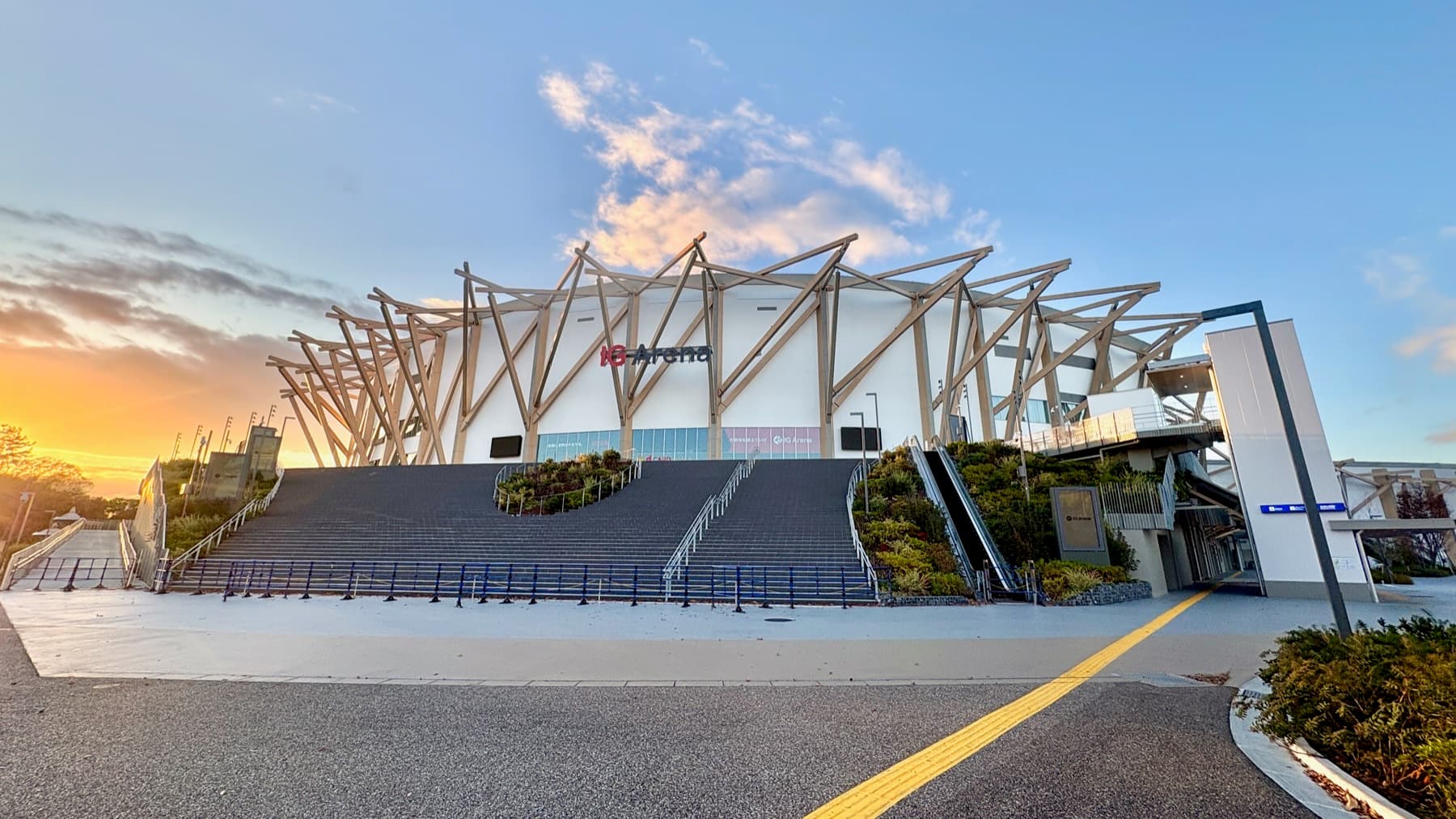
IG Arena, the Aichi International Arena beside Meijo Park and Nagoya Castle, will carry basketball and judo among other sessions, and it sits on the Meijo subway line. That matters more than any seating chart: the evening feels like a night out in the city rather than a coach ride to a distant bowl. Paloma Mizuho Stadium, reopened in April with about 30,000 permanent seats, anchors the ceremonies and athletics.
Diaspora travelers following a national team have the cleanest case of anyone. The reason to stop in Nagoya already exists, and it has a start time. Build the trip around two or three sessions, protect the mornings for food and one museum, and ignore the urge to also “do” Kyoto on the same holiday.
Business travelers stuck in Aichi during that stretch should treat the Games as weather: book the hotel early, leave extra time for every station transfer, and do not schedule a client dinner the same evening as a ceremony or a track final unless the client is also going.
Stay away—or at least sleep elsewhere—if your Nagoya fantasy is a quiet manufacturing-city weekend with hitsumabushi and an empty castle keep.
Without tickets, you are competing for rooms and Shinkansen seats against people who have them. Rooms in central Meieki and Sakae will tighten and price up through early October, the way they do in every host city, and you do not need an occupancy forecast to plan around it. First-timers who only penciled in Nagoya as a same-day lunch between Tokyo and Kyoto should pick another date. The city will still be there in November.
Also reroute if your sports plan lives mostly outside Aichi. Swimming, for example, is at the Tokyo Aquatics Centre. The Games brand says Aichi-Nagoya; the schedule sometimes says otherwise. Read the venue line on every session before you congratulate yourself on a Centrair arrival.
Fifty-three venues sound like chaos until you group them.
Think in rings. Inner Nagoya holds the ceremonies, athletics, IG Arena sessions, Rainbow Hall gymnastics, and the familiar subway map. A middle ring reaches Toyota City, Okazaki, Tokoname, and the airport-side halls. An outer ring pulls in Gifu Prefecture sites and even Tokyo for aquatics. A day that pairs a morning in Sakae with an evening final in Toyota is workable; a day that pairs Tokyo swimming with a Nagoya dinner is a different trip.
The Toyota Commemorative Museum of Industry and Technology—the old spinning-and-loom plant turned car museum near Nagoya Station—is not a competition venue. That makes it one of the smarter non-ticket days in town: looms, engines, and a closed Monday you should check before you go. Expect more visitors than a normal September weekday. Arrive at opening, and treat it as a rainy-day or rest-day plan rather than a filler between two finals.
Atsuta Shrine, Osu, and the castle grounds are still worth a walk. Expect company.
Book the bed before you start romanticizing the atmosphere.
If rates in Meieki or Sakae look hostile, look one stop outward. Gifu City is roughly twenty minutes on JR and often quieter at night. Inuyama is about twenty-five to thirty minutes on Meitetsu and gives you a national-treasure castle and a castle-town street when you wake up. Hotels near Chubu Centrair International Airport, or in Tokoname, put you about twenty-eight minutes from Meitetsu Nagoya on the reserved μ-SKY—ugly if you planned candlelit Sakae, excellent if you have a late arrival or an early departure.
Rail is the capacity story that matters more than slogans. The Tokaido Shinkansen will carry ordinary Golden Route traffic plus Games spectators; buy reserved seats for ceremony days and athletics finals instead of gambling on free seats. Inside the city, a manaca or another IC card still beats paper tickets. On Saturdays, Sundays, holidays, and the eighth of each month, Nagoya’s Weekend Eco Ticket—the Donichi Eco Kippu—covers unlimited city subway and city bus rides for ¥620. Any other day, the subway 24-hour ticket at ¥760 or the bus-and-subway day ticket at ¥870 do the same job. None of those replace Meitetsu to the airport or JR to Gifu. As of this week, organizers have not rolled those ordinary products into a single Games-wide spectator pass you can count on, so book with what exists and watch the official site in case a temporary one appears.
Centrair itself is a strong Asia gateway—Seoul, Taipei, Hong Kong, Manila, Singapore, Bangkok, and more—plus Japan Airlines to Honolulu and United to Guam. It is not a mainland North America nonstop airport. Most readers will still land at Tokyo or Osaka and ride the Shinkansen in, or connect over Incheon or Taipei. That is fine. Just stop pretending the last flight segment is the hard part; the hard part is the hotel confirmation email.
There is a middle option between enduring Nagoya and canceling Japan, and it starts about twenty-five minutes out on a local train.
Inuyama absorbs travelers who want history without stadium nights. Climb the keep, eat along Honmachi, and ride back only when you have a ticketed evening. Gifu does the same job with cheaper beds and a slightly flatter evening energy. Ise-Shima, reached on Kintetsu in roughly two hours depending on the service, is the overnight reset: shrines, coast, and a calendar that does not care who won the evening’s final. The Kiso Valley post towns of Magome and Tsumago ask for a full rest day—JR toward Nakatsugawa, then a bus—and repay you with walking between Edo-era streets instead of another security line.
Tokoname’s pottery quarter sits near the airport and works as a half-day when your legs are done with arenas. None of this is undiscovered. It is simply less compressed than the Meieki concourse at 6 p.m. on a basketball night, and it runs on the same trains that will be moving spectators around throughout the Games.
General ticket sales have been open since 30 June on a first-come, first-served basis. The official path still wants a free Supporter ID, sometimes called an Ouen-ID, before you can buy on the organizing committee’s site. Japanese play guides such as Ticket Pia, TBS Tickets, and CBC Ticket Center remain alternate channels. An official resale service began 4 August, with some competitions excluded, and this week the organizers opened a city ticket office and an “Asian Q Ticket” purchase option. Schedule notices were still moving as recently as 19 August, so read the live page the morning you pay for anything nonrefundable.
Unofficial resale is how people end up with PDFs that bounce at the gate. Prefer the official site, the named agencies, or the official resale tool.
If you cannot get the session you wanted, that is information. It means your Nagoya week should shrink to food, the Toyota museum, and a ring overnight—or move to another set of dates entirely.
The honest answer comes in three versions.
Easier, if you came for the sport, hold a ticket the gate will accept, and do not mind a city that sounds like a tournament for two weeks. Harder, if you wanted an unhurried second-city break and will not move either the dates or the neighborhood. Better than you expected, if you treat Aichi as a region rather than a single address: sleep where the pressure is lighter, ride in for the sessions that matter, and let Inuyama or Ise keep your mornings quiet.
A month out is too late for bargains and just early enough to be honest with yourself. Name the session and confirm the bed, or move the whole trip to November, when the castle grounds are yours again and the hotels remember what they used to charge.
Related stories
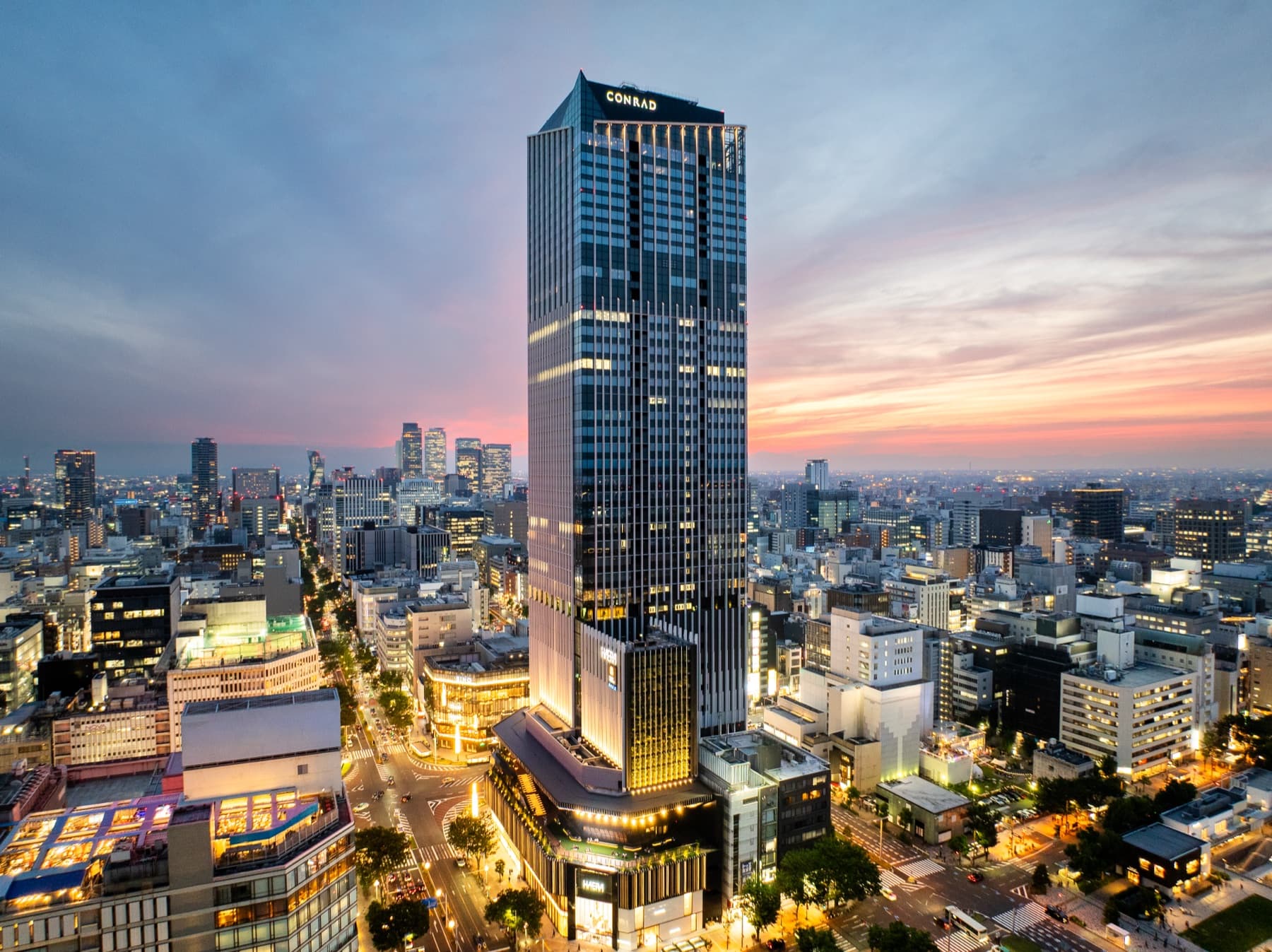
Conrad Nagoya Is Open Above Sakae
Conrad has opened its first Nagoya hotel atop The Landmark Nagoya Sakae. Here is when the new luxury base justifies getting off the Tokyo–Kyoto train.
6 min · Aug 16, 2026
Asia’s Best Second Cities for a Longer Stay
Seven cities that reward a week or two: walkable food spines, enough culture to repeat days, and day trips that do not require another international flight.
8 min · Aug 5, 2026
A First Two-Week Trip to Asia
Tokyo–Seoul, Taipei–Hong Kong, or Singapore–Bangkok: how to spend two weeks without turning the Pacific crossing into a continent tour.
9 min · Aug 19, 2026
The Two-Gateway Rule for Planning a Transpacific Trip
Twelve days from North America is not permission to see Tokyo, Seoul, Bangkok, and Bali. Here is a planning rule, five pairings, and how 10-, 14-, and 21-day trips actually fit.
6 min · Aug 18, 2026