Why Japan’s Nippon Express Wants a Canadian Warehouse Network
With Metro Supply Chain, NX Group bought contracted warehousing and fulfillment across Canada. Here is what that adds to a shipment, and what a customer should see before assuming coverage has changed.
What Nippon Express actually bought
On October 1, NIPPON EXPRESS HOLDINGS, the Tokyo-listed parent of the NX Group logistics network, completed its purchase of Metro Supply Chain Group, a Montréal-based third-party logistics company. The enterprise value was CAD 1.8 billion, about ¥207 billion at the conversion rate NX used in its materials, and the largest acquisition in the group’s history. Sellers can still receive up to CAD 400 million more if Metro hits financial targets set in the April share-purchase agreement.
Metro’s business is contract logistics on the ground. Founded in 1974, it runs warehousing, inventory, pick-and-pack fulfillment, outbound distribution, last-mile delivery, and returns for customers in retail, consumer goods, automotive and manufacturing, healthcare, technology, and the public sector. Metro’s materials put the network at more than 22.5 million square feet across roughly 190 sites in North America and the United Kingdom. NX’s investor deck rounded the footprint to about 2 million square metres and more than 180 sites in six countries, with roughly 84 percent of Metro’s revenue coming from Canada.
That Canadian weight is the point. NX already moved cargo for Japanese manufacturers by air and ocean. What it lacked was enough local warehouse and fulfillment space to hold stock inside Canada and release it to stores, plants, or doorsteps on domestic schedules.
Why a warehouse network mattered more than another lane
Before the deal, NX’s investor materials showed the Americas contributing about 6 percent of group revenue, against 56 percent from Japan. Overseas logistics leaned toward forwarding. Adding Metro pulls more of the mix into warehouse-heavy contract logistics and lifts the Americas share on paper.
NX Canada already had branches in Toronto, Vancouver, Montréal, and Edmonton, a Windsor customs office, and a Mississauga warehouse of about 19,500 square metres with pharmaceutical handling. Useful capacity, and still small beside Metro’s Ontario claim of more than sixty sites and over 10 million square feet. Satoshi Horikiri, NX’s president and CEO, tied the purchase to the group’s push for a stronger global presence. The April investor deck was more concrete: buy a North American contract-logistics platform, reach customers who are not mainly Japanese shippers, and attach NX’s forwarding and customs work to Metro’s distribution after the port.
NX paid for floor space, labor, and operating methods that sit after the container clears customs. Chris Fenton, Metro’s group president and CEO, said customers keep the same teams and existing agreements for now, with scale and investment arriving over time through the NX network. Chiko Nanji, Metro’s founder and group chairman, stays in that role. NX has said Montréal remains headquarters, with local day-to-day control.
Which steps of a shipment the combined group can manage
Take a typical Asia-to-Canada flow for a retailer or manufacturer. NX’s usual strength is the long haul: consolidating cargo at origin, booking ocean or air space, and clearing customs on arrival, including through offices such as Windsor. That is the international piece many Japanese exporters already buy from the group.
Metro’s strength starts at the dock. Receiving into a Canadian warehouse, put-away, inventory control, labelling or kitting, and holding stock close to demand are contract-logistics jobs. When an order drops, Metro’s fulfillment operation handles processing, pick and pack, and shipping. From there the same operator can run domestic linehaul, last-mile delivery, and returns. Transportation and contract packaging sit in that same toolkit.
Lined up, the two companies can offer a longer path: NX moves the freight across the ocean or air bridge; Metro stores and fulfills inside Canada; NX can sell international transport back to Metro’s existing North American and U.K. accounts. That cross-sell is what NX described after closing. It is a map of what the group can sell, not proof that every shipment already travels on one contract. A customer can still keep forwarding with one provider and warehousing with another until the paperwork changes.
What to wait for before assuming contracts or coverage changed
Ownership closed on October 1. A Montréal ceremony followed on October 7. Metro’s October 9 notice called it business as usual: the Metro name stays in Canada, the United States, and the United Kingdom; the executive team stays; day-to-day decisions stay local. Fenton said at announcement that existing agreements and service continue, with broader NX collaboration arriving later.
None of that rewrites your statement of work. Watch for a contract amendment, new master services agreement, or scope document that names both NX forwarding and Metro warehouse sites for your stock. Watch for a rate card, system login, or facility assignment letter that changes who invoices you or which building holds inventory. Watch for a published offer that prices ocean-plus-fulfillment or air-plus-last-mile as one bookable product. And watch NX’s post-merger integration update, which the company said it plans to disclose in February 2027.
Until those show up, treat Metro’s Canadian warehouses and NX’s forwarding lanes as related services that still need their own paperwork. The deal shows why a Japanese logistics group wanted that warehouse network. Your freight moves when your contract says it moves.
Related stories

Who Picks the Projects in Japan’s $550 Billion U.S. Investment Package?
JBIC chair Tadashi Maeda wants Japan in project origination under the $550 billion U.S. package. The MoU still leaves selection with Washington. A real supplier chance is an RFP, not a press release.
7 min · Nov 19, 2026
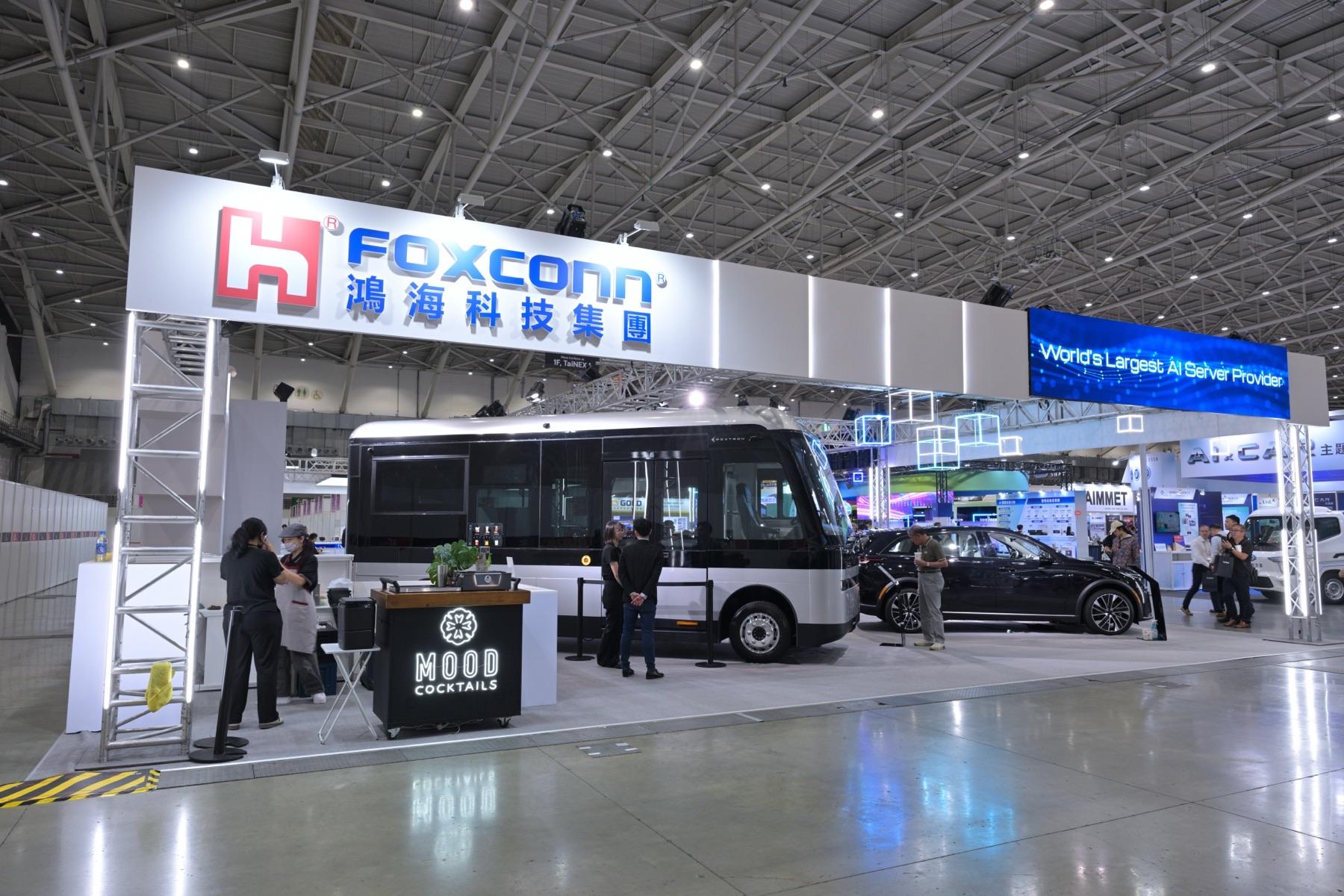
Foxconn Is Buying Sony’s Automotive Camera Business. Follow the Factory and the Customer Contracts.
Foxconn signed to buy Sony’s automotive camera-module business. The sensor company stays separate. Watch overseas factory assets still under discussion, OEM contracts moving with the unit, and regulatory close by April 2027.
6 min · Nov 18, 2026

Canada and China Just Extended Tariff Relief. What Can a Canadian Pork Exporter Quote Now?
China is set to suspend the extra 25% on most frozen Canadian pork cuts from Jan. 1, 2027, through 2028. Offal stays out. Keep today’s surcharge in firm quotes until the Chinese notice and your broker’s HS read are in hand.
7 min · Nov 17, 2026
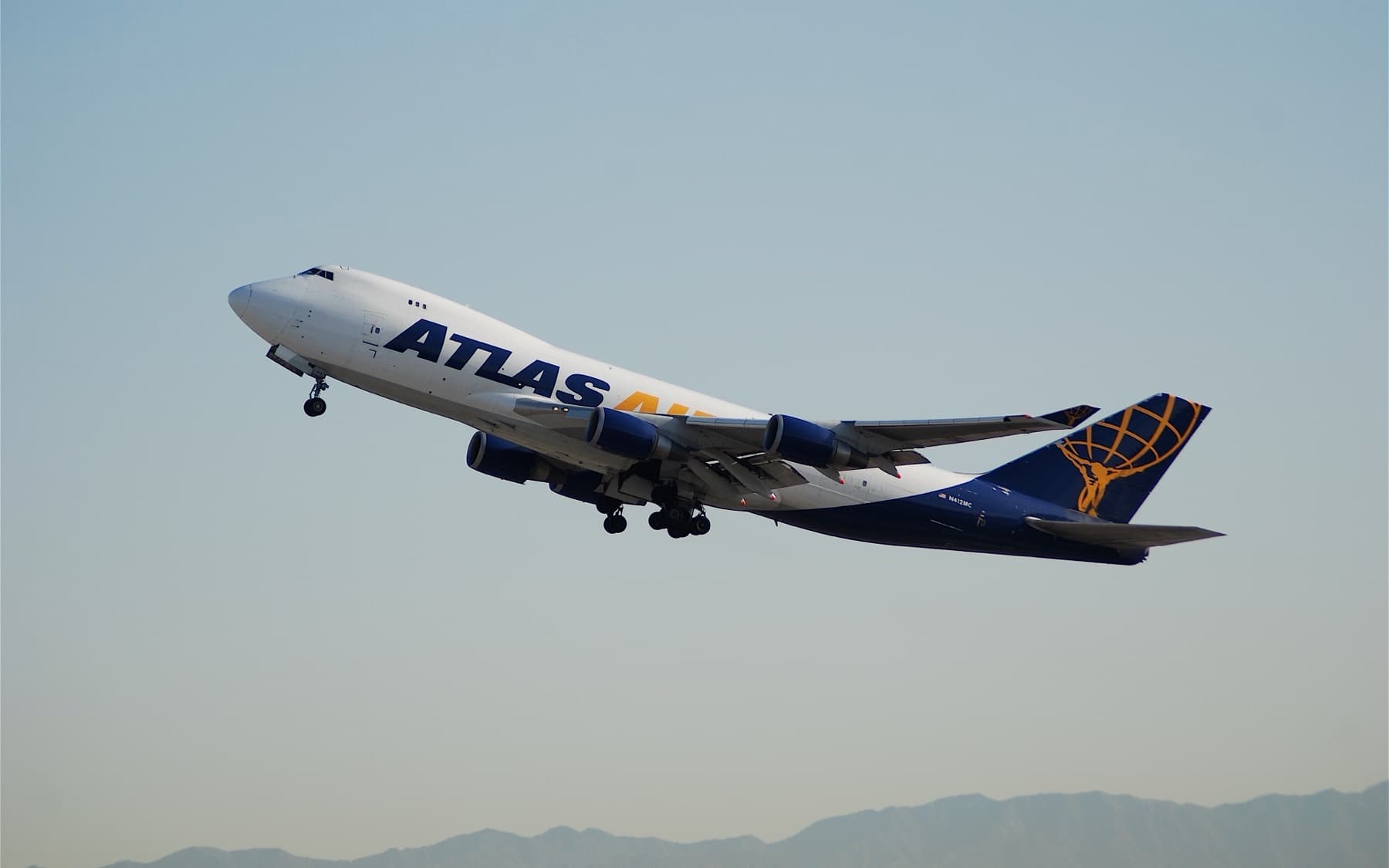
AI Cargo Just Got a Weekly Freighter Loop
Chips and critical servers fly. Steel and transformers usually do not. The new loop is built for the first pile.
6 min · Nov 3, 2026
Related global reads
Transpacific Bound
Who Picks the Projects in Japan’s $550 Billion U.S. Investment Package?
Transpacific Bound
Foxconn Is Buying Sony’s Automotive Camera Business. Follow the Factory and the Customer Contracts.
East Table
East Asia cold noodles field guide
East Table
Japan food consumption tax cut
Medalist News
How Japanese football became a Europe export