

Fiji
A Melanesian archipelago with real hubs, real ferries, and more than one kind of island stay
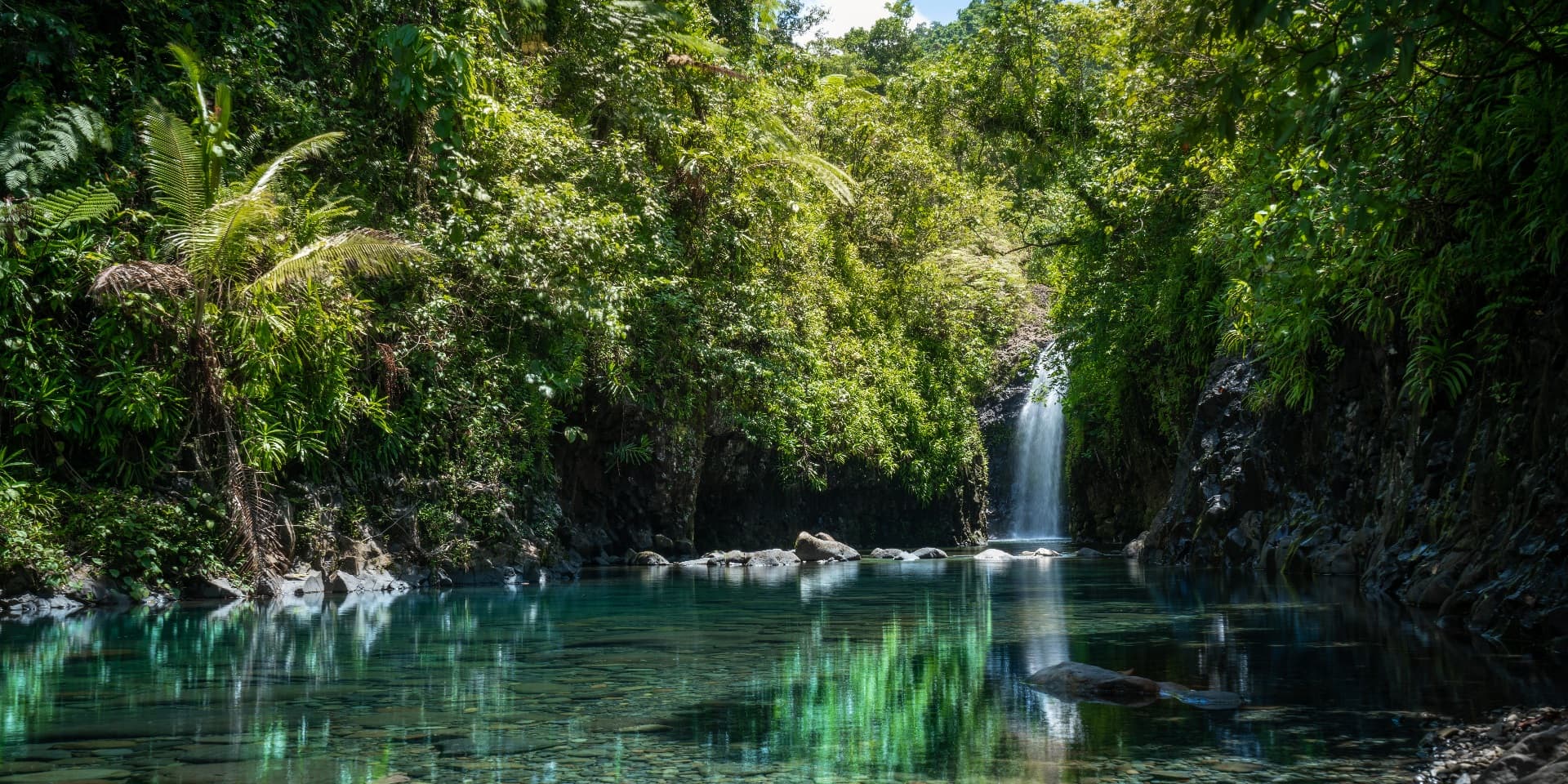
Photo: Tourism Fiji / fiji.travel
Fiji is Melanesia with a usable visitor map. More than three hundred islands sit under one flag, but most trips resolve into a few geographies: Nadi and Denarau as the arrival machine, the Coral Coast as a mainland beach strip, the Mamanucas as the easy ferry chain, the Yasawas as a longer boat day, and the north—Vanua Levu and Taveuni—when diving and rainforest matter more than convenience.
What travel media often flattens into “bula and overwater” is also a country with iTaukei land and village protocols, a large Indo-Fijian population shaped by nineteenth-century indenture, English as the public lingua franca, and tourism estimated near forty percent of GDP in recent Pacific banking commentary. 2025 arrivals at 986,367—a record year that still missed a round one million—and mid-2026 reporting that a moving annual total has crossed that line while Australia and New Zealand remain the volume engines.
For North American travelers, the practical gift is air access. Fiji Airways nonstops into Nadi from Los Angeles, San Francisco, and Vancouver, plus dense AU/NZ flying and Hong Kong among Asia links. Confirm frequencies before you plan; seasonal schedules move. Once you land, Port Denarau boats and domestic flights do more honest work than a fantasy of island-hopping every postcard in a week.
This page is the country hub for our Oceania desk. Child pages for Taveuni, the Mamanucas, and other islands can deepen later. Start here so the ferry timetable and the history share the same trip.
| Best months to visit | May–October is the drier, cooler visitor peak. November–April brings heat, humidity, and cyclone-season risk—still workable for short stays if you watch forecasts and travel insurance. |
| Oceania region | Melanesia |
| Relative cost while there | $$$ — see cost notes below |
| Primary airport(s) | Nadi International (NAN) is the main international gateway on Viti Levu |
| Ease for first-timers | 8/10 |
| Trip intensity | Easy |
| Typical budget feel | Comfortable |
| Suggested trip length | 8–12 days |
| Capital / main hub | Suva (capital) · Nadi / Denarau (visitor gateway) |
| Currency | Fijian dollar (FJD) |
Transpacific Bound destination editorial. Not live pricing or availability; confirm seasons and entry rules before booking.
Good for
Why go now
Fiji Bureau of Statistics put 2025 arrivals at a record 986,367—just under one million—while mid-2026 reporting suggests a moving annual total past one million and a full-year 2026 forecast above that line. Australia and New Zealand still dominate, with US arrivals growing in the published mix.
Who this trip is for
Travelers who want Pacific islands with clearer air and ferry logistics than most of Melanesia, and who will pick one or two island geographies instead of hopping every chain on the brochure.
Brief history
Austronesian and Melanesian settlement long predates European contact. British colonial rule formalized a plantation economy that brought indentured laborers from South Asia beginning in 1879, creating the Indo-Fijian community that remains central to Fiji’s demography and foodways. Independence from the United Kingdom arrived on 10 October 1970; Fiji became a republic in 1987 after coups that still shape political memory. The 2013 constitution as the current supreme law, adopted in English with iTaukei and Hindi translations. Tourism rebuilt hard after COVID border closures and now sits near the center of national earnings—expect recent commentary that visitor industries approach about two-fifths of GDP.
Languages
English · iTaukei (Fijian) · Fiji Hindi · Standard Hindi
English is the main language of government and visitor services. Confirm iTaukei as the first language of most indigenous Fijians and Fiji Hindi as the everyday Indo-Fijian vernacular; Standard Hindi appears in education, media, and formal contexts. Rotuman is spoken on Rotuma and in diaspora communities. The 2013 constitution requires conversational iTaukei and Fiji Hindi in primary schools and provides iTaukei and Hindi translations of the constitutional text.
Getting there
Fly into Nadi (NAN) whenever you can. Budget for nonstops on Fiji Airways from Los Angeles, San Francisco, and Vancouver for North America, with Australia and New Zealand providing the thickest leisure lift and Hong Kong among Asia options. Nausori (SUV) near Suva for some domestic and regional flying. From Port Denarau, expect frequent boats into the Mamanucas (often under an hour) and the Yasawa Flyer for multi-hour island-hopping north. Northern islands usually mean a Fiji Link / domestic flight rather than a casual ferry afternoon. Always reconfirm schedules—cyclone season and aircraft swaps move frequencies.
Relative cost while there
$$$
Fiji spans backpacker dorms and ultra-luxury private islands. A typical North American first trip as $$$: international airfare is the heavy line item, midrange resorts and ferry packages land comfortable-to-splurge, and mainland curry meals or markets stay far cheaper than overwater villas. Denarau and branded Mamanuca stays skew higher; Yasawa dorm-and-boat circuits can drop the on-island daily burn if you accept simpler rooms.
First-timer move
Land at Nadi, sleep near Denarau or the Coral Coast for the first night, then choose either a Mamanuca day or an overnight Yasawa hop before you try to see the whole map.
Repeat visitor angle
Second trips should leave the Denarau comfort circuit. If the first week was Mamanuca day boats, give the Yasawas an overnight. If you stayed on Viti Levu, fly to Savusavu or Matei for Taveuni’s waterfalls and Rainbow Reef.
Repeat visitors can also slow into Suva’s museums and market rhythm, or book a village stay through a reputable operator that treats protocol as hospitality rather than performance. Cyclone-season travel only with flexible tickets and insurance.
Where to stay
Base one: Nadi / Denarau for arrivals, marina boats, and first-night recovery—convenient, resort-dense, not the whole country. Base two: Coral Coast resorts between Sigatoka and Pacific Harbour for mainland beaches, sand dunes, and easier drives. Base three: a Mamanuca or Yasawa resort reached by ferry or boat transfer from Port Denarau when the point is water.
Northern Fiji (Savusavu, Taveuni) wants its own domestic flight day and should not be treated as a casual afternoon add-on from Nadi. Suva works for culture and government-city texture when you have time; it is not a substitute for the western beach product.
What to eat
Lovo when offered respectfully, kokoda, fresh reef fish, roti and curry from Indo-Fijian kitchens, and market fruit. Denarau and Suva stretch the range; outer islands run thinner and more resort-shaped.
Cultural fluency notes
Learn a greeting—bula—and treat village visits as invitations with rules: dress with shoulders and knees covered when asked, remove hats in some customary settings, and ask before photographing people or ceremonies. Plan for sevusevu (presentation of yaqona / kava) as a formal welcome practice when arranged through hosts—not a tourist stunt you improvise.
Sunday can be quieter in villages with church at the center of the day. Tipping is not a rigid North American script; follow resort guidance and tip for clear service without turning every interaction into a negotiation. English works widely in visitor services; iTaukei and Fiji Hindi carry daily life beyond the lobby.
What diaspora travelers may notice
South Asian diaspora travelers may feel an unexpected familiarity in Nadi’s Sri Siva Subramaniya Temple, market curry stalls, and Indo-Fijian family businesses—descendants of indentured laborers brought under British colonial sugar policy. That recognition is real and incomplete. It does not make Fiji “basically India,” and it should not sideline iTaukei ownership of much of the land and the cultural protocols that shape village hospitality.
Pacific Islander diaspora travelers from Hawaiʻi, Samoa, or Aotearoa may hear cognate words and shared ocean histories while still needing to learn local specifics. Avoid collapsing Melanesia and Polynesia into one “island vibe.”
Worth the splurge
A Mamanuca or northern island resort with boat transfers included, a Beqa Lagoon shark dive with a reputable operator, or a private Sigatoka River / village day that is booked as hospitality, not costume.
What not to do
Do not try to “do” the Mamanucas, Yasawas, and Taveuni in five days. Boat and flight transfers eat daylight.
Do not treat every beach club day trip as cultural immersion. Do not enter villages without a plan and a host. Do not ignore cyclone-season forecasts from November through April.
Do not assume resort wristbands explain the country’s politics or land tenure. Visas and entry conditions by passport—never invent a universal visa-free list.
Best paired with
Honolulu pairs as a Polynesian Pacific contrast with US-passport ease. Sydney or Auckland work as Australasian gateways on the same Fiji Airways / partner map. Bali is a different ocean product—Hindu-majority Indonesia versus Melanesian Fiji—useful only as a resort-comparison, not a same-trip default.
Within Melanesia, Vanuatu and New Caledonia are later desk pages for travelers who want less AU/NZ volume tourism after Fiji.
Best time to go
May–October is the drier, cooler visitor peak. November–April brings heat, humidity, and cyclone-season risk—still workable for short stays if you watch forecasts and travel insurance.
Airport notes
Nadi International (NAN) is the main international gateway on Viti Levu. Nausori (SUV) near Suva handles more domestic and some regional flying. Expect Fiji Airways nonstops from Los Angeles, San Francisco, Vancouver, Sydney, Auckland, Hong Kong, and other AU/NZ cities—confirm the live schedule before you treat any city as guaranteed nonstop.
Getting around
On Viti Levu, taxis, hotel cars, and the Queens Road corridor link Nadi, the Coral Coast, and Suva—expect driving times as traffic- and stop-dependent. Inter-island moves are boats from Port Denarau or domestic flights; do not assume every postcard island has a daily ferry. Rental cars suit confident drivers who accept village speed and weather; many first-timers skip self-drive and buy transfers.
Entry and visas
Entry rules are passport-specific. Many visitors obtain permission on arrival or online authorization depending on nationality—verify current Immigration Fiji / embassy guidance before you fly. Do not invent a universal visa-free list for US, Canadian, or EU passports without checking the live instrument.
Power and driving
Type I power plugs (same family as Australia/NZ) and left-side driving. Bring a suitable adapter; resort rooms vary on USB availability.
Top sites and experiences
Mamanuca Islands
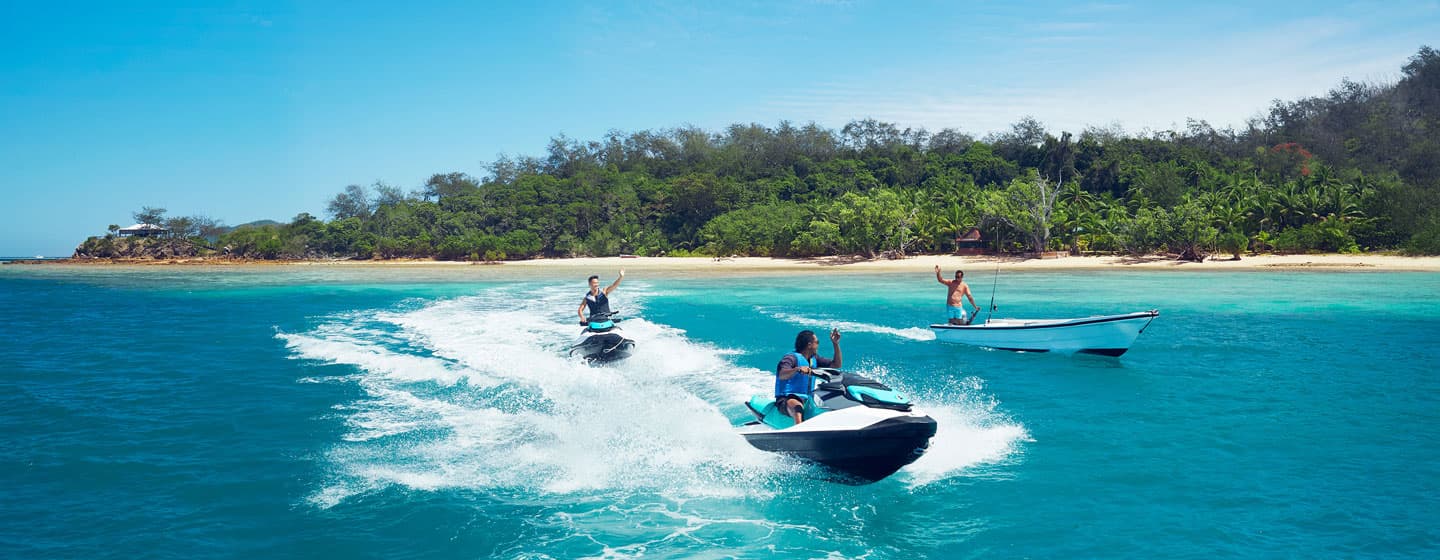
Closest resort and day-trip chain from Port Denarau—snorkeling, beach clubs, and expect film-tourism stops such as Monuriki.
Yasawa Islands
Longer ferry day, more rugged silhouettes, caves, and manta seasons depending on island and month—better as an overnight than a rushed day.
Sigatoka Sand Dunes National Park
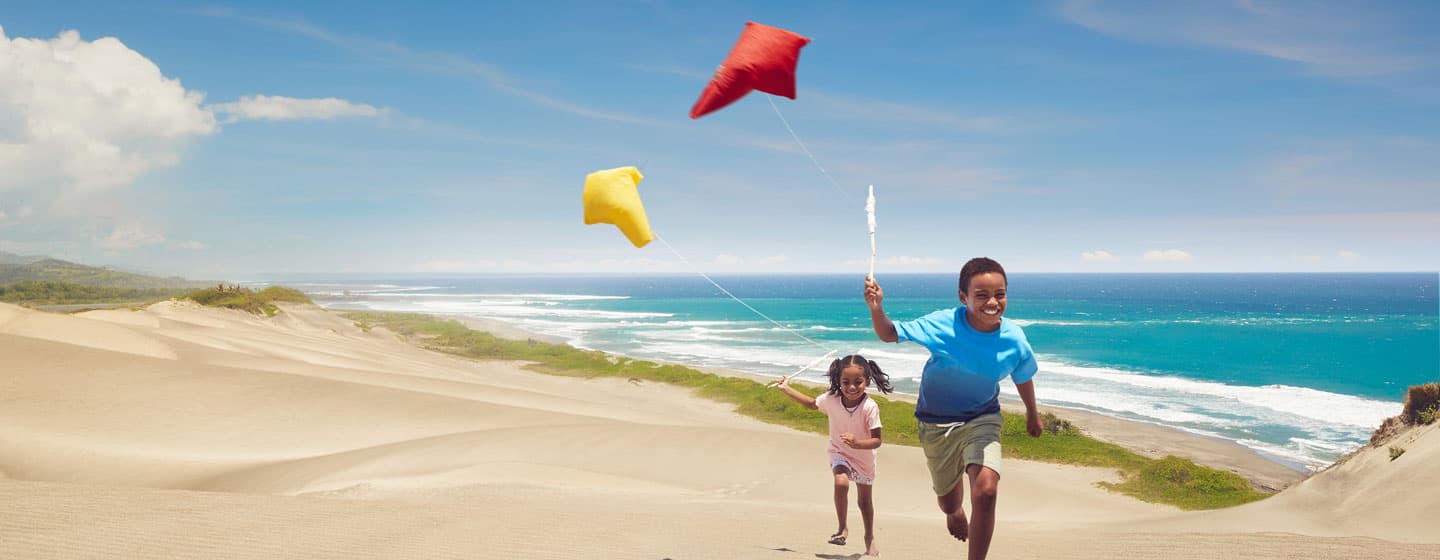
Mainland Viti Levu landscapes and archaeology on the Coral Coast; pair with river or village days when booked properly.
Taveuni (Garden Isle) and Rainbow Reef
Waterfalls, coastal walks, and expect world-class soft-coral diving—reach by domestic flight to Matei.
Sri Siva Subramaniya Temple, Nadi
One of the South Pacific’s major Hindu temples; dress modestly and treat it as an active religious site.
Beqa Lagoon / Pacific Harbour
Budget for shark-diving capital for certified divers with operators that brief safety and ethics clearly.
Suva
Capital city texture, museums, and markets when you want civic Fiji beyond the western beach strip.
Island facts
- Expect ~330 islands in the archipelago; only a fraction host resorts or regular visitor infrastructure.
- Independence Day is 10 October 1970; Fiji became a republic in 1987.
- iTaukei land ownership and chiefly systems remain central to how villages host guests—resort leases sit inside that longer story.
- Indo-Fijian communities descend largely from indentured laborers recruited for colonial sugar plantations from 1879.
- Fiji Bureau of Statistics: 986,367 visitor arrivals in 2025 (record; +0.3% vs 2024)—Australia ~46%, New Zealand ~22% of that year’s mix in Fiji Times reporting.
- Mid-2026: moving annual arrivals past one million (ANZ Pacific Insight via Fiji Times); full-year 2026 forecast estimated above one million in Ministry of Finance materials.
- Holiday travel suggests ~79% of 2025 arrivals; visiting friends and relatives and business are smaller published shares.
- The International Date Line bends around Fiji so the country stays on the same calendar day as much of the region—useful trivia when you cross from North America.
- Rotuma is culturally distinct with Polynesian influence and its own language, politically part of Fiji.
- “Bula” is the everyday greeting you will hear before you clear the jet bridge fully.
Access routes at a glance
- Los Angeles (LAX) · nonstop — Fiji Airways; confirm season and aircraft
- San Francisco (SFO) · nonstop — Fiji Airways; confirm live frequency
- Vancouver (YVR) · nonstop — Fiji Airways; often limited weekly frequencies
- Sydney (SYD) · nonstop — Plan for Fiji Airways, Qantas, Virgin Australia, Jetstar among operators
- Auckland (AKL) · nonstop — Fiji Airways and partners; dense leisure corridor
- Hong Kong (HKG) · nonstop — Fiji Airways Asia link; confirm schedule
- Port Denarau · ferry — Confirm daily Mamanuca (~40–60 min) and Yasawa Flyer services (multi-hour island-hop)
- Nadi (NAN) domestic · domestic flight — Hops to Savusavu, Labasa, Matei (Taveuni), and other outer fields
A 6-day editorial itinerary
Day 1
Arrive NAN. Clear immigration, collect bags, and transfer to Denarau or a nearby Coral Coast hotel. Swim, eat simply, sleep. Do not book a three-island boat on arrival day.
Day 2
Mamanuca day from Port Denarau—beach club or resort lunch boat—or a quieter Coral Coast drive to Sigatoka Sand Dunes if you want mainland texture. Evening kava only if offered in a setting you understand.
Day 3
Commit to water: snorkeling, a learn-to-dive pool session, or a full-day reef trip with a named operator. Keep dinner near your base.
Day 4
Culture day: Sri Siva Subramaniya Temple in Nadi, a market shop, or a booked village / river experience on the Sigatoka. Dress for protocol, not for the beach club Instagram.
Day 5
Either begin a Yasawa overnight ferry hop or stay put and repeat the beach that worked. Pack for the international flight the night before if you leave tomorrow.
Day 6–7
Buffer day for weather or a second geography—Pacific Harbour / Beqa for dive-focused travelers, or a domestic hop north if you built the schedule for it. Otherwise rest and leave without inventing a new island chain.
What this place feels like
Related stories
From the editorial watchlist
Related destinations
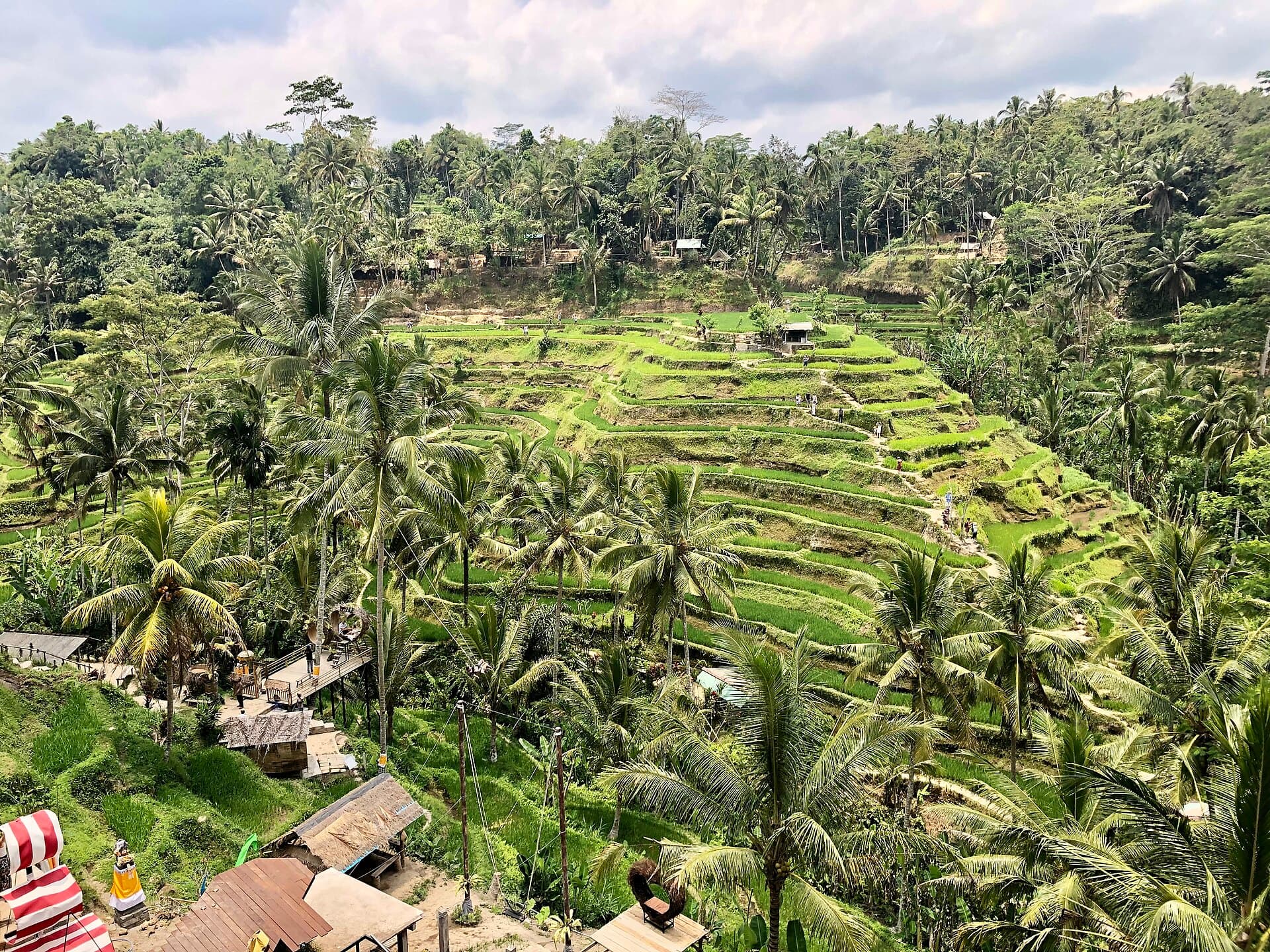
Bali
Southeast Asia · Indonesia
Ubud craft mornings and a southern beach base, with enough restraint to leave the traffic—and the checklist—behind.
View guide →
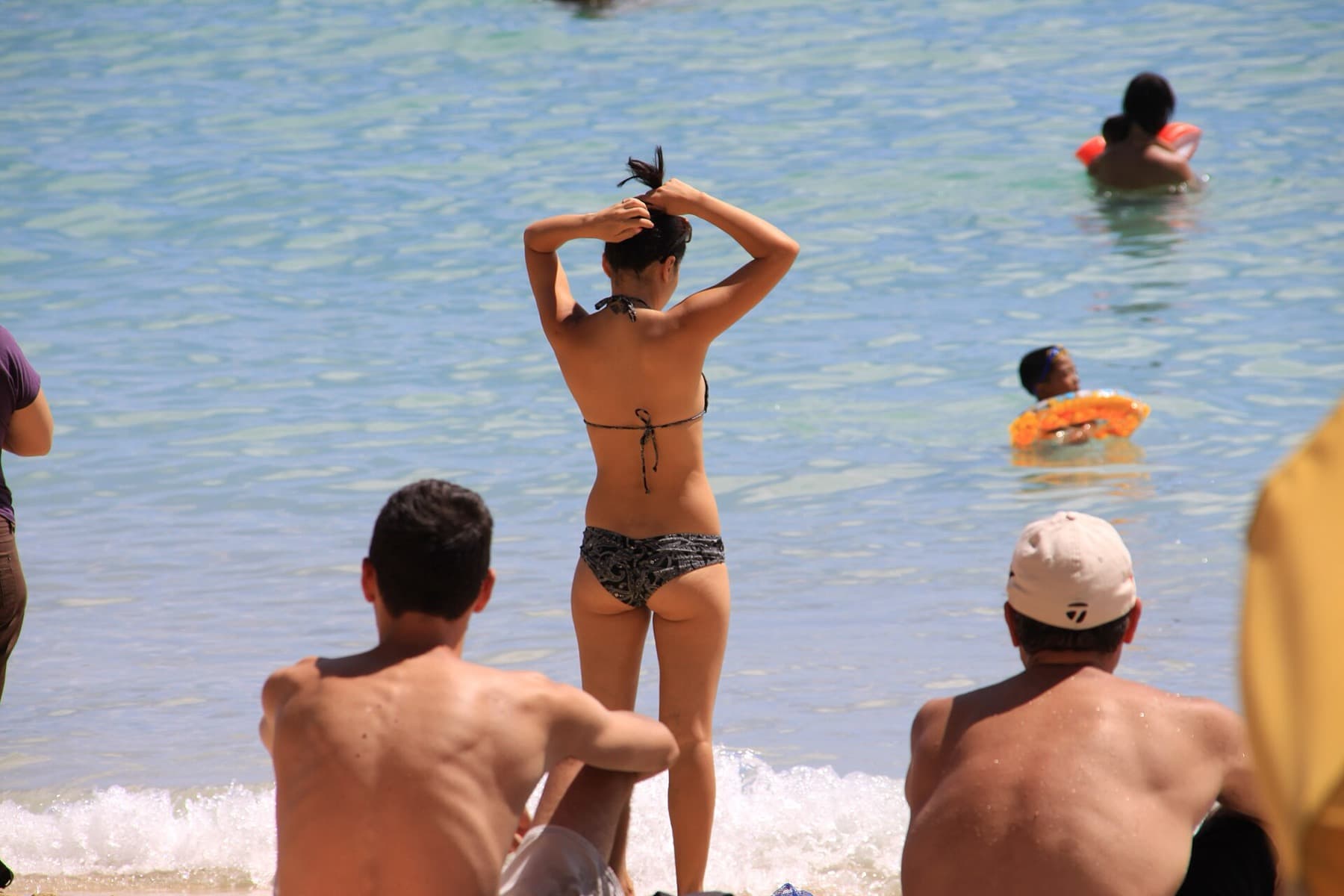
Honolulu
Pacific · United States
Pacific gateway with Japanese-influenced culture, serious dining, and beach access without leaving the US.
View guide →
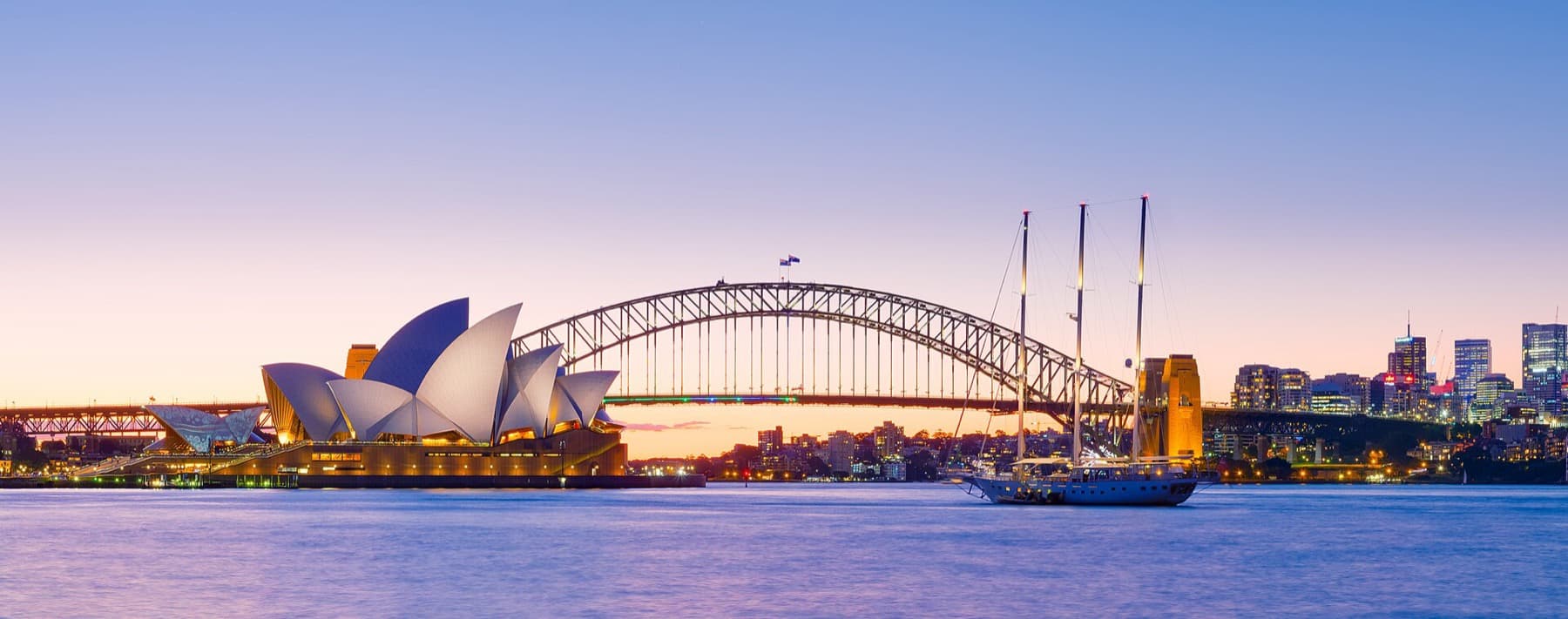
Sydney
Pacific · Australia
Sydney travel guide to harbor ferries, coastal walks, Airport Link logistics, and the distinct food neighborhoods reached by train and metro.
View guide →
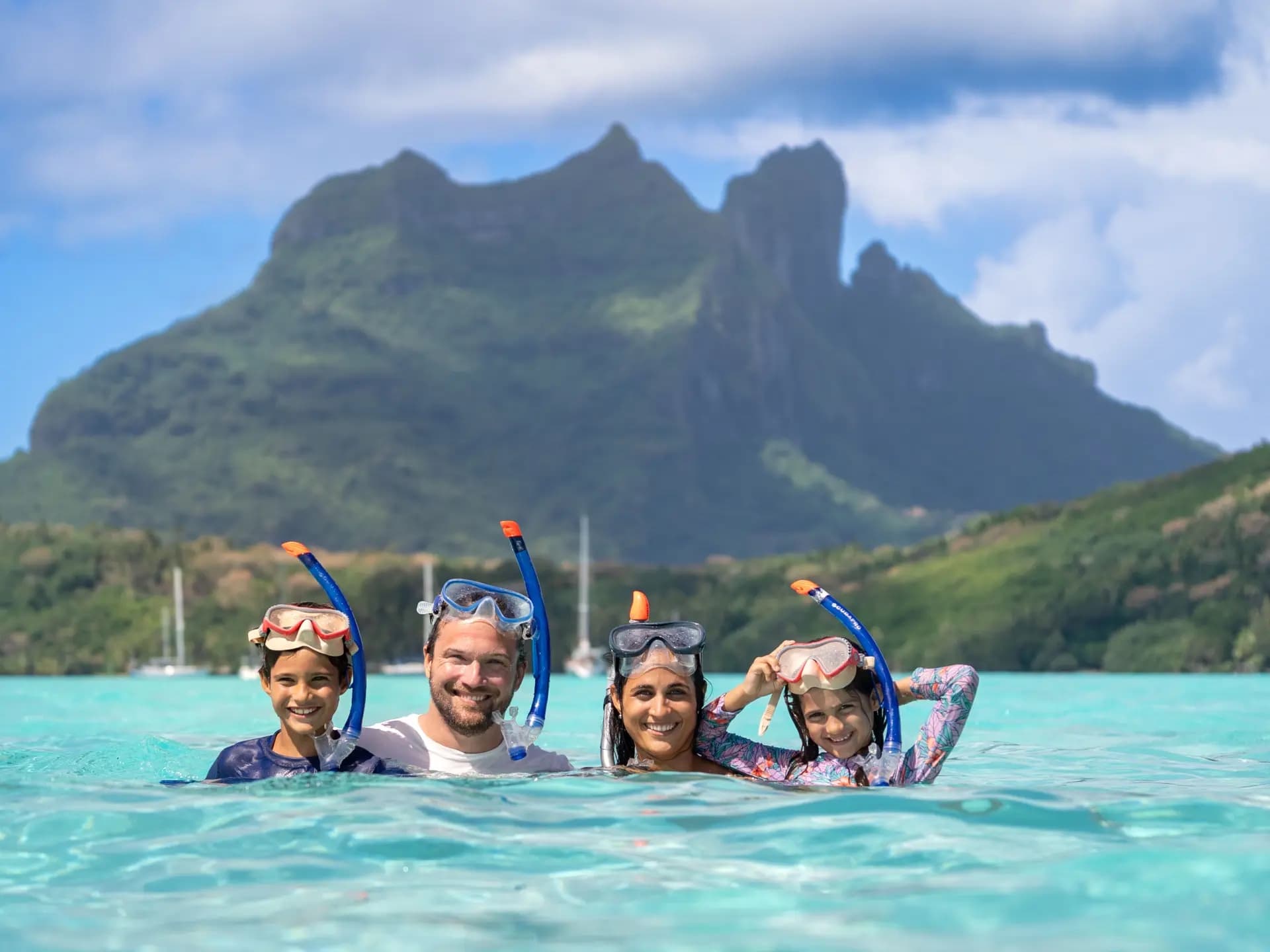
French Polynesia
Pacific · France
French Polynesia travel guide for The Islands of Tahiti: Papeete arrivals, Moorea ferries, Bora Bora lagoon logic, Marquesas and Tuamotu side trips, and expect visitor trends for a first Polynesian archipelago trip.
View guide →
Kiribati
Pacific · Kiribati
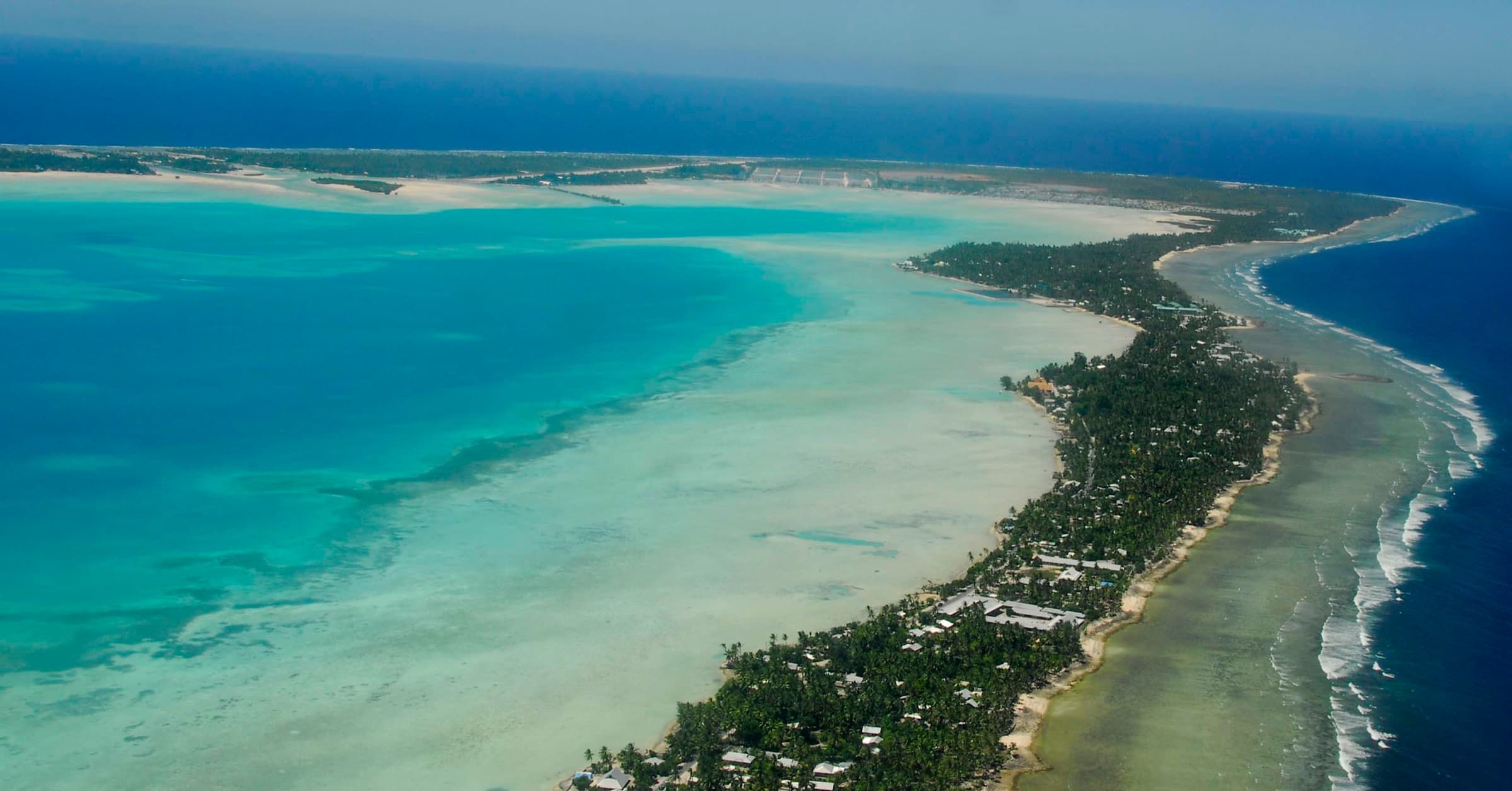
Kiribati travel guide for Micronesia’s date-line republic: Tarawa (TRW) and Kiritimati (CXI), Fiji Airways and Nauru Airlines logistics, WWII Betio, fly fishing, and expect low visitor volume across Gilbert and Line islands.
View guide →
Vanuatu
Pacific · Vanuatu
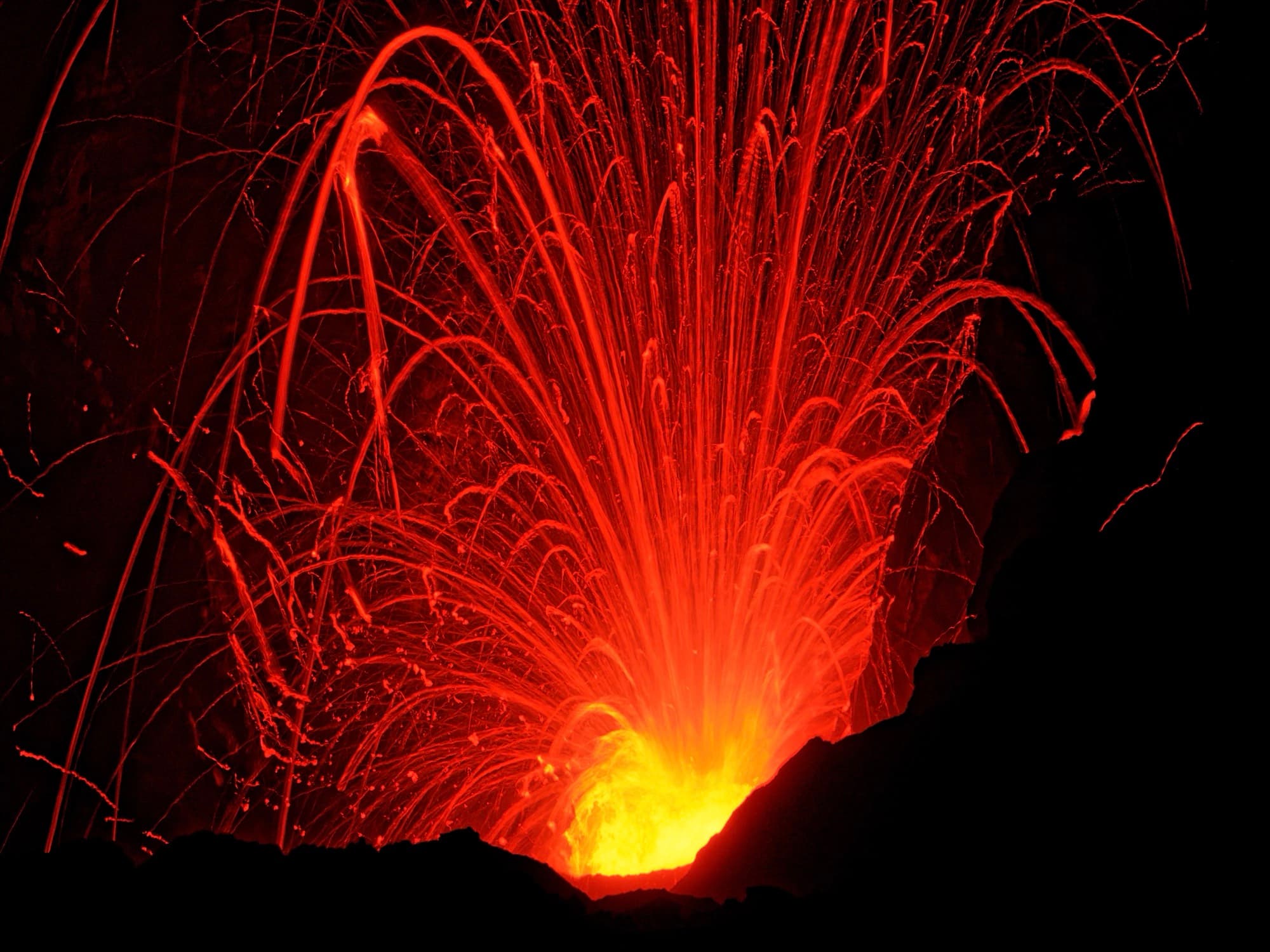
Vanuatu travel guide for Melanesia’s volcano-and-beach map: Port Vila arrivals, Tanna’s Yasur, Santo’s Champagne Beach and wrecks, Bislama culture, and expect 2025 air-visitor recovery led by Australia.
View guide →
New Caledonia
Pacific · France
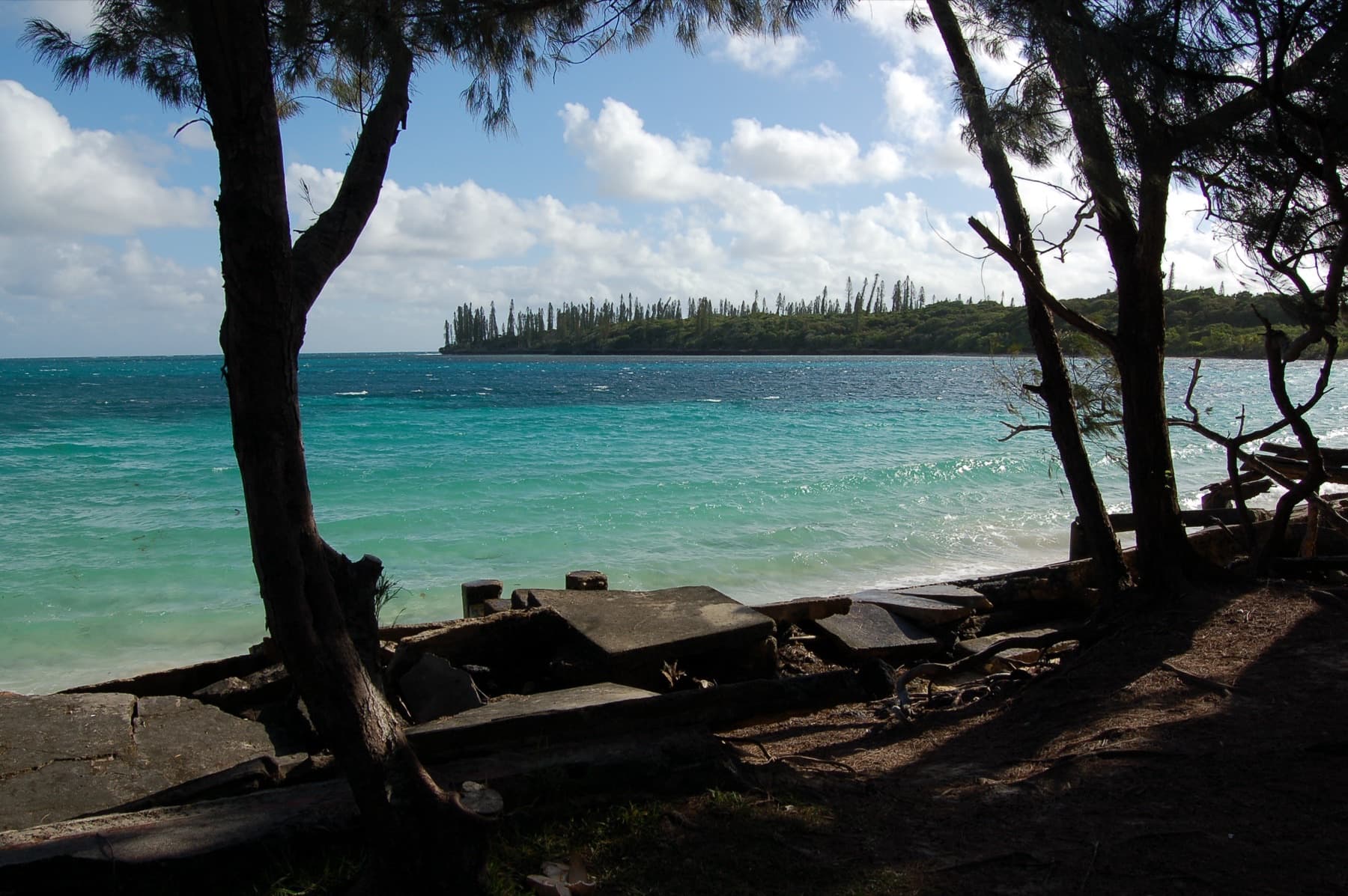
New Caledonia travel guide for French Melanesia: Nouméa and Tontouta arrivals, Île des Pins, Loyalty Islands, UNESCO lagoon, CFP francs, and expect 2025 visitor recovery after the May 2024 unrest.
View guide →