
Polynesia
The Polynesian triangle’s lagoons, kingdoms, and diaspora bridges—from French Polynesia and Honolulu to Samoa, the Cook Islands, and Tonga.
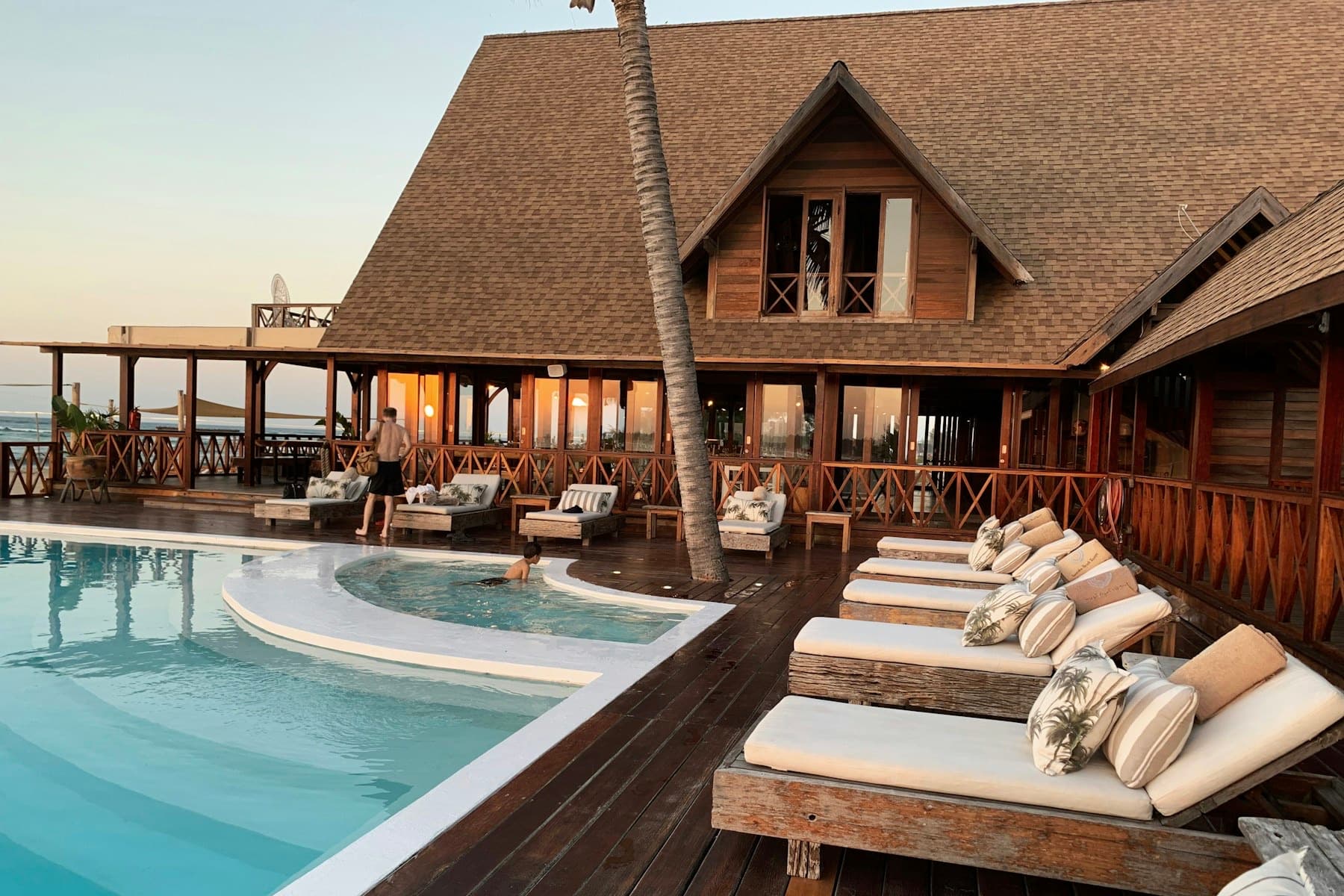
Photo: Tahiti Tourisme
Polynesia stretches across a vast triangle often drawn from Hawaiʻi to Aotearoa (New Zealand) to Rapa Nui (Easter Island). That image as cultural geography and voyaging memory—our destination pages still respect political borders.
Live on this desk: French Polynesia, Samoa, American Samoa, the Cook Islands, Tonga, and Honolulu as the city gateway on Oʻahu for Hawaiʻi. Honolulu as a city destination, not an “island nation” peer to Tonga—useful precisely because US logistics make Polynesia reachable without pretending Waikiki is the whole ocean. American Samoa as the US-territory peer to independent Samoa—same ocean family, different immigration and driving side.
Known for
- Lagoon and overwater stays
- The Polynesian triangle
- Kingdom of Tonga
- Samoa’s Upolu–Savaiʻi ferry
- Cook Islands Aitutaki lagoon
- Hawaiʻi via Honolulu (city gateway on Oʻahu)
- Strong NZ / AU / US diaspora bridges
How the name arrived
“Polynesia” suggests Greek roots for “many islands,” again fixed in European mapping in the nineteenth century. Plan for Polynesian navigators’ own genealogies, language families, and vaka routes as the deeper story.
The triangle metaphor is a teaching image, not a visa. French Polynesia, independent Samoa, the Cook Islands’ free association with New Zealand, Tonga’s monarchy, and the US state of Hawaiʻi are different political animals sharing related languages and ocean histories.
What the region is known for
Expect overwater bungalows and lagoon snorkeling (French Polynesia, Cook Islands), beach fales and ferry maps (Samoa), regulated humpback swims (Tonga’s Vavaʻu), and Hawaiʻi’s US-ease city and island products via Honolulu.
Visitor scale varies hard: Cook Islands and Samoa expect high-100k visitor years; French Polynesia suggests fewer tourists at higher price; Tonga suggests a smaller air-visitor map with a kingdom frame.
Cultural interplay
Expect cognate words across reo Māori, Gagana Samoa, lea faka-Tonga, ʻōlelo Hawaiʻi, and reo Māʻohi—while church calendars, land tenure, and colonial administrations (French, NZ, US, British) diverge.
Diaspora bridges matter: Auckland, Sydney, Honolulu, Salt Lake City, and Los Angeles hold Polynesian communities that shape flights, VFR travel, and how “home” trips differ from first-time leisure.
How travelers usually arrive
Expect Los Angeles, San Francisco, and Seattle into Papeete; Auckland into Samoa, Cook Islands, and Tonga; Honolulu as both destination and springboard. Air Rarotonga, Lulutai, and Air Tahiti domestic hops as the real inter-island tools—ferries exist (Moorea, Samoa’s Savaiʻi) but are not universal.
City guides
Destination pages already mapped for this region.
French Polynesia
Pacific · France
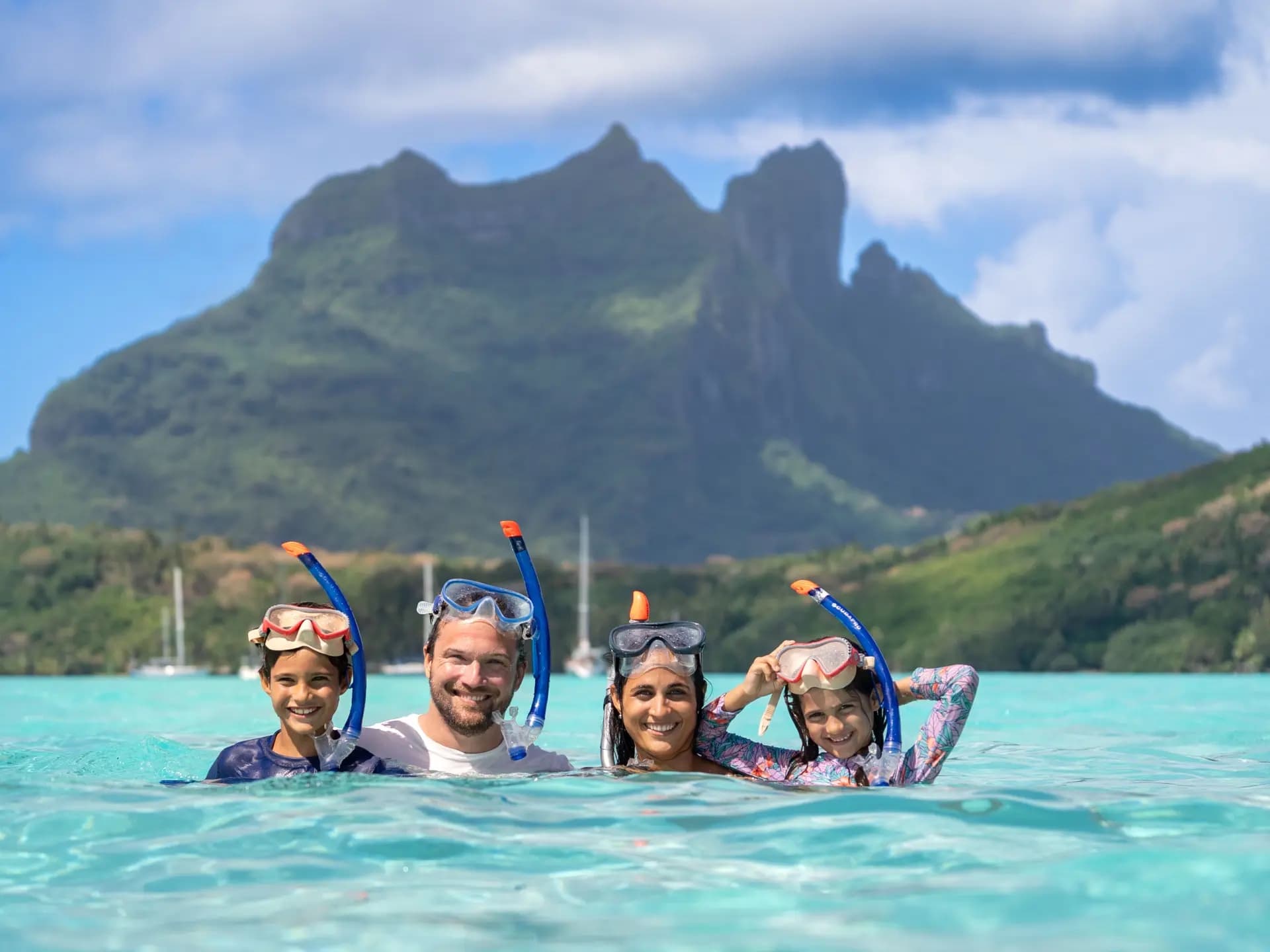
French Polynesia travel guide for The Islands of Tahiti: Papeete arrivals, Moorea ferries, Bora Bora lagoon logic, Marquesas and Tuamotu side trips, and expect visitor trends for a first Polynesian archipelago trip.
View guide →
Bora Bora
Pacific · France
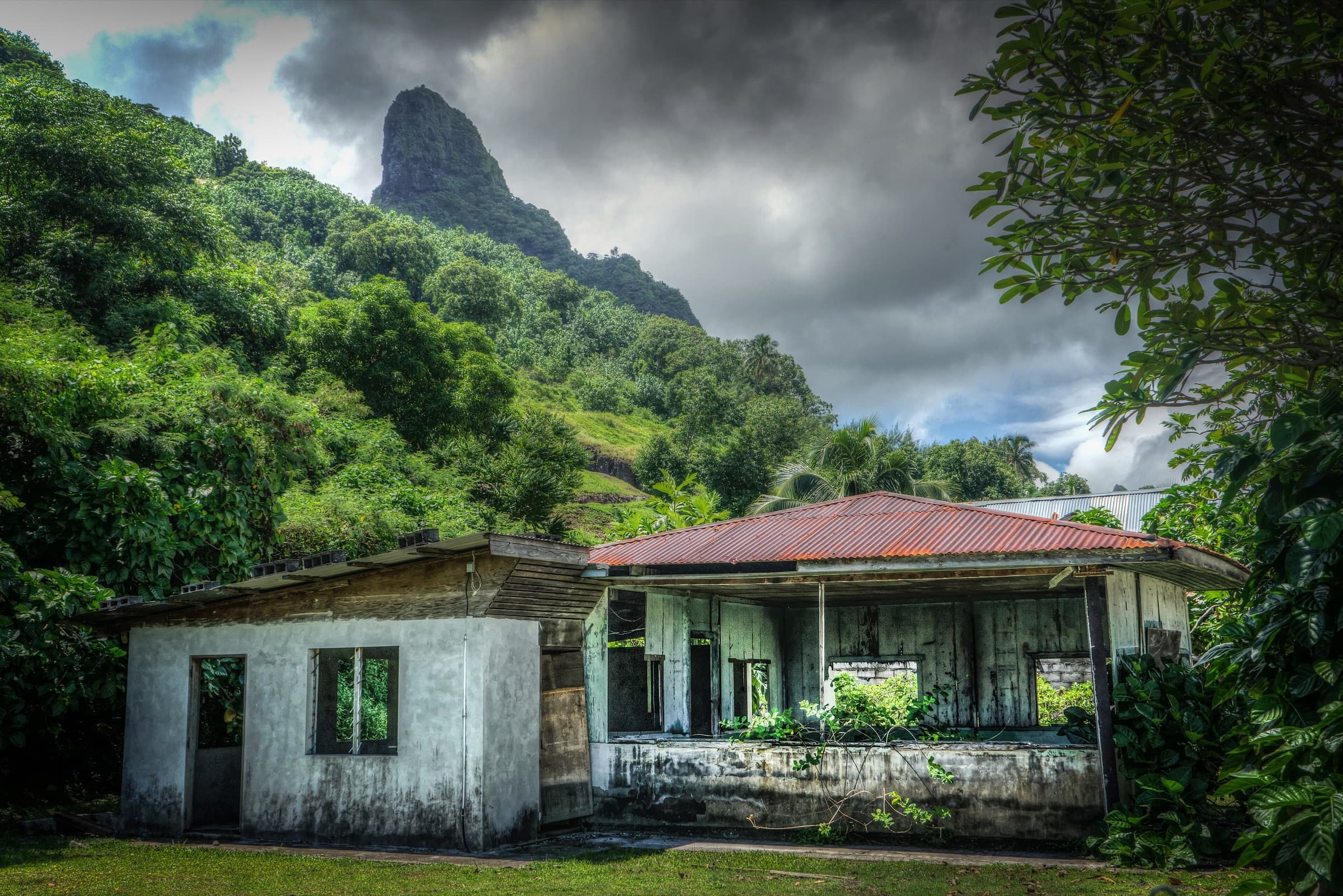
Bora Bora travel guide for French Polynesia’s lagoon icon: Motu Mute (BOB) after Papeete, Mount Otemanu views, overwater motu resorts, Matira Beach, Vaitape logistics, and expect $$$$ Society Islands pacing.
View guide →
Moorea
Pacific · France
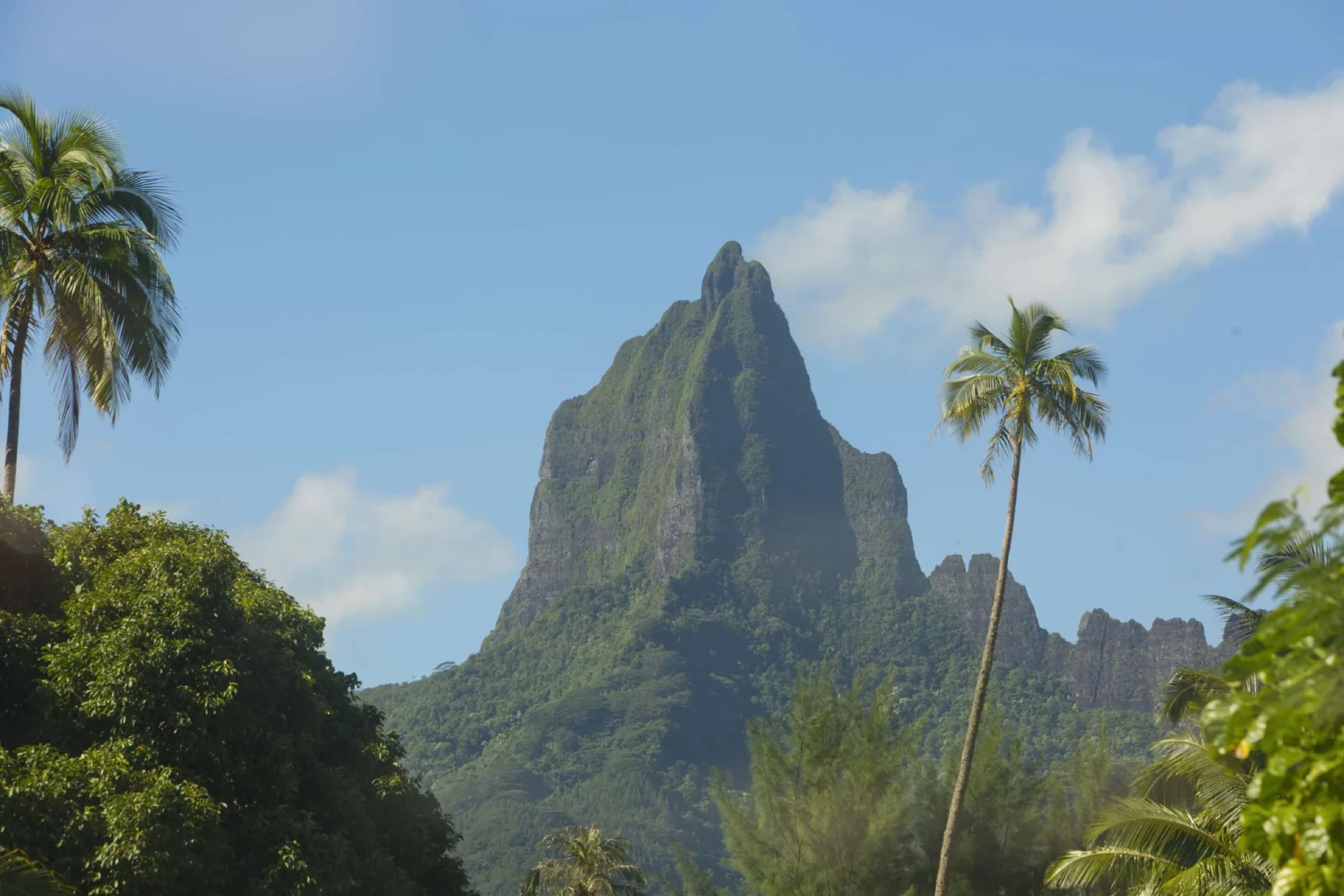
Moorea travel guide for French Polynesia’s ferry island: Papeete–Vaiare crossings, Opunohu and Cook’s bays, belvédère views, lagoon days, and a softer Society Islands cost curve than Bora Bora.
View guide →
Samoa
Pacific · Samoa
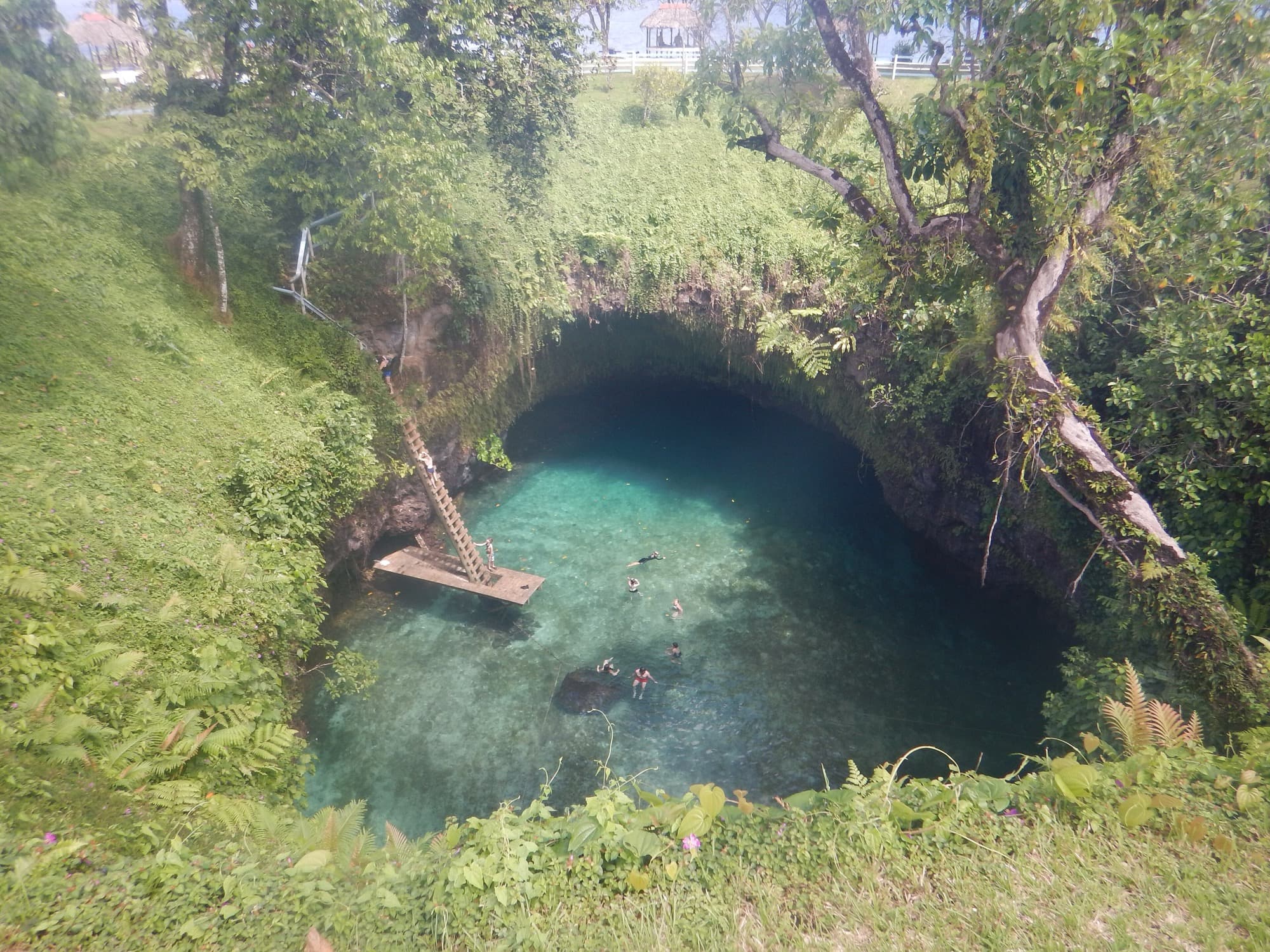
Samoa travel guide for independent Polynesia: Apia and Faleolo arrivals, Upolu beaches and To Sua, Savaiʻi ferry days, Samoan culture, and expect 2025 visitor trends led by New Zealand and Australia.
View guide →
Upolu
Pacific · Samoa
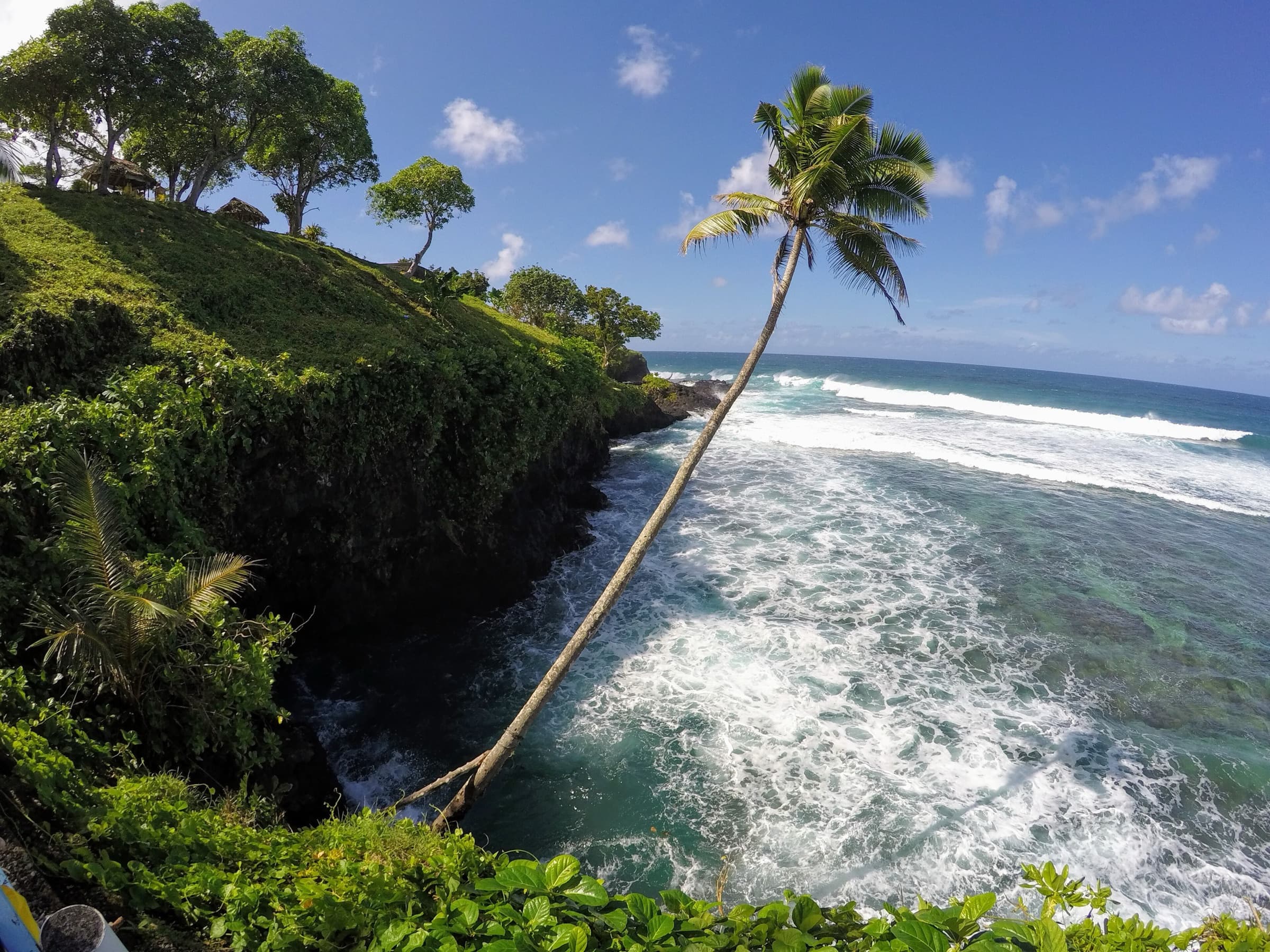
Upolu travel guide for Samoa’s gateway island: Faleolo (APW), Apia, To Sua and Lalomanu, south-coast fales, and the Mulifanua ferry door to Savaiʻi—with faʻa Samoa logistics that stay unconfirmed.
View guide →
Savaiʻi
Pacific · Samoa
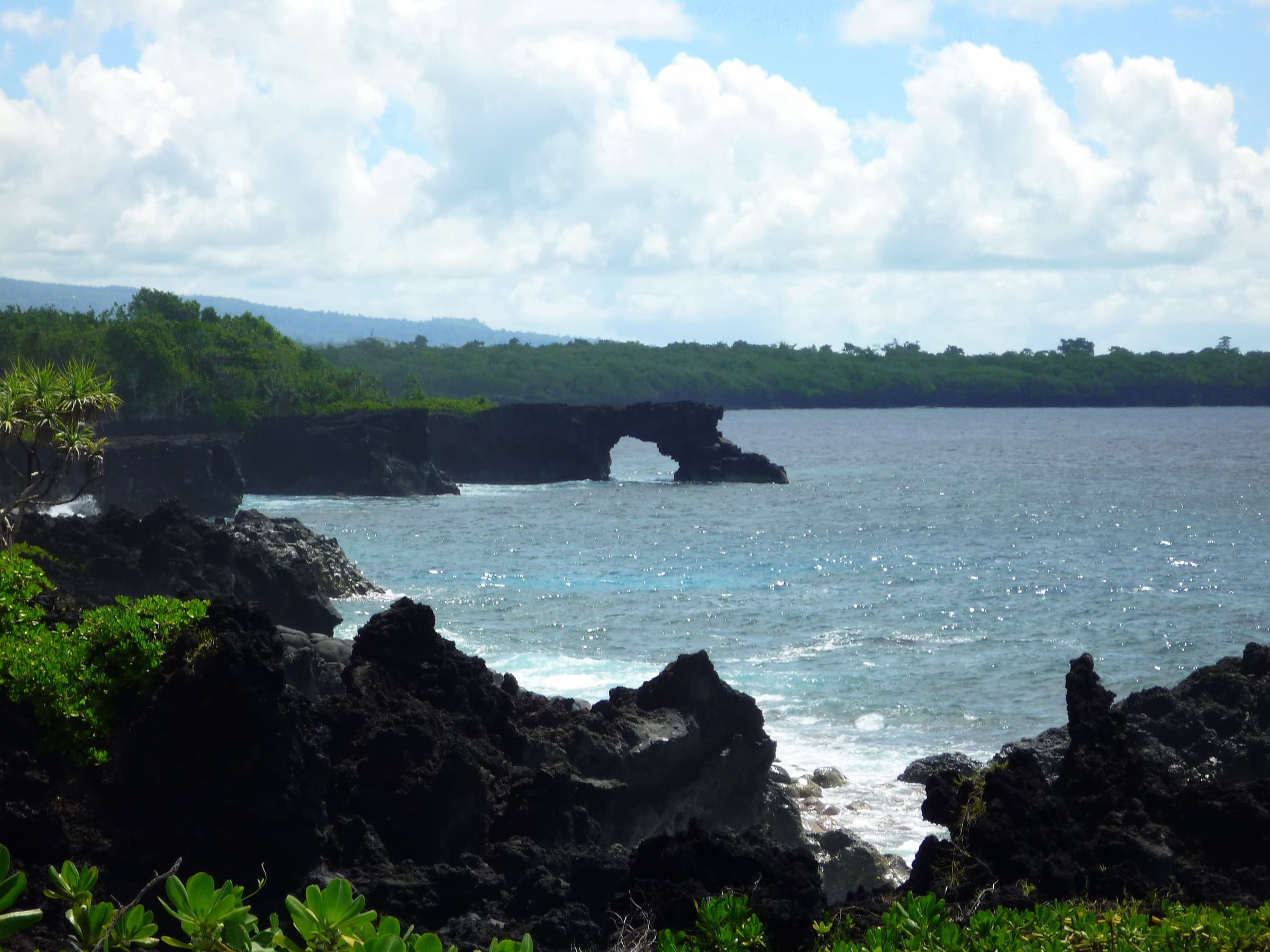
Savaiʻi travel guide for Samoa’s larger quieter island: Salelologa ferry arrivals, Saleʻaula lava fields, Alofaaga blowholes, coastal waterfalls, and a loop-road week that rewards buffers over checklists.
View guide →
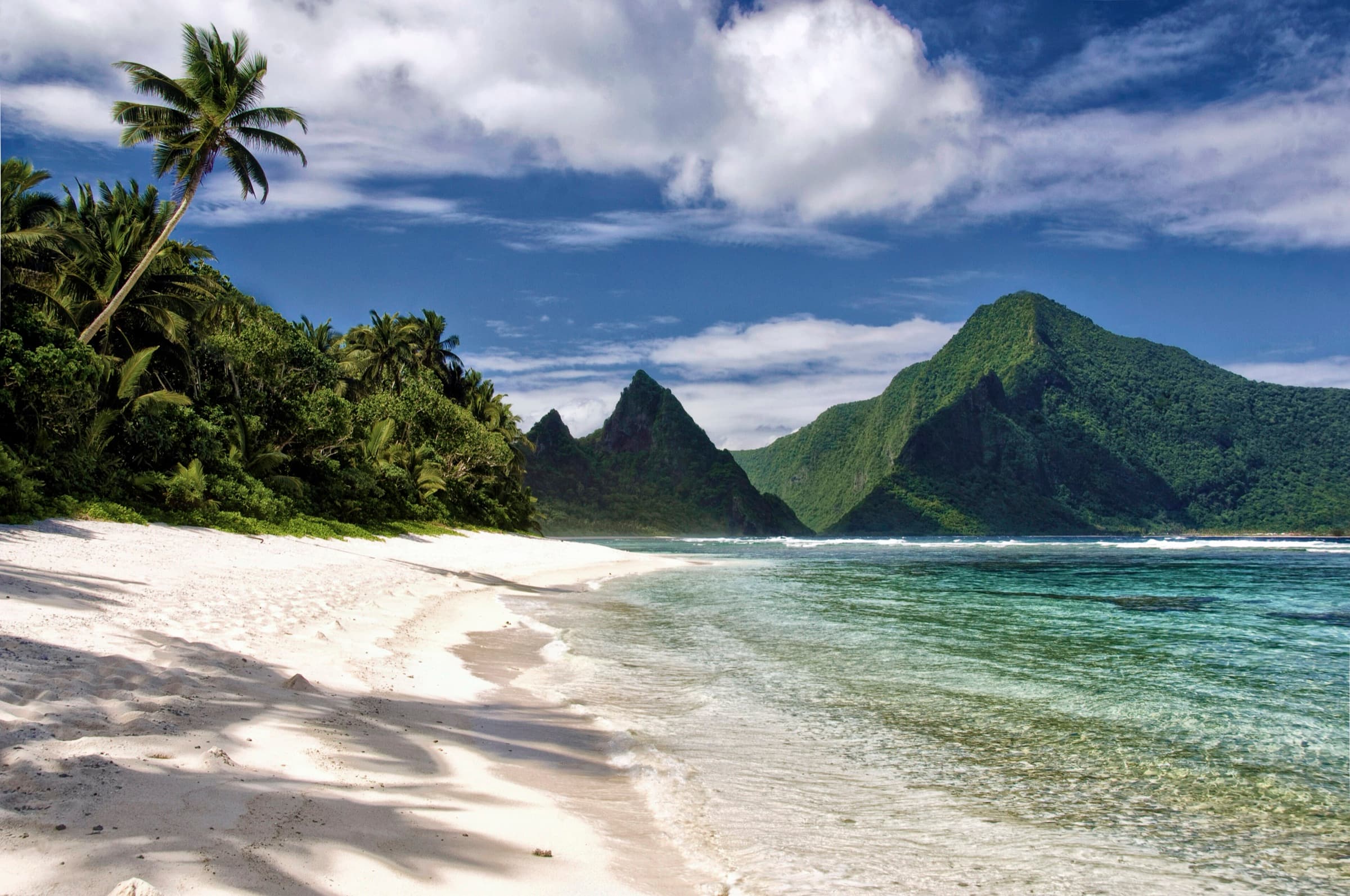
American Samoa
Pacific · United States
American Samoa travel guide for the US territory south of the equator: Pago Pago (PPG), National Park of American Samoa on Tutuila, Ofu, and Taʻū, Hawaiian Airlines from Honolulu, and expect faʻasamoa with its own immigration rules.
View guide →
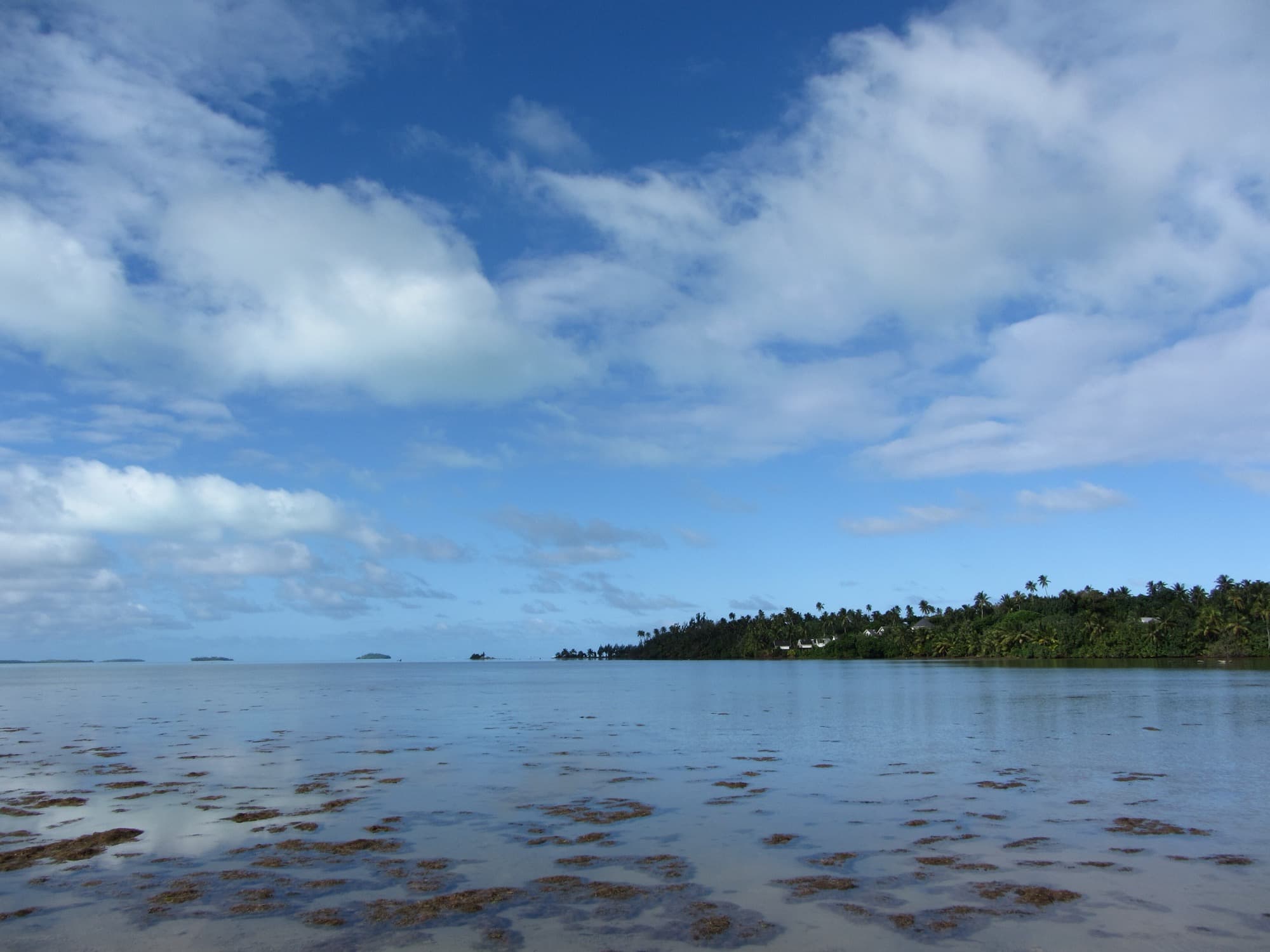
Cook Islands
Pacific · Cook Islands
Cook Islands travel guide for Rarotonga and Aitutaki: Air New Zealand into RAR, Air Rarotonga lagoon hops, Cook Islands Māori culture, NZD pricing, and expect 2025 visitor trends still led by New Zealand.
View guide →
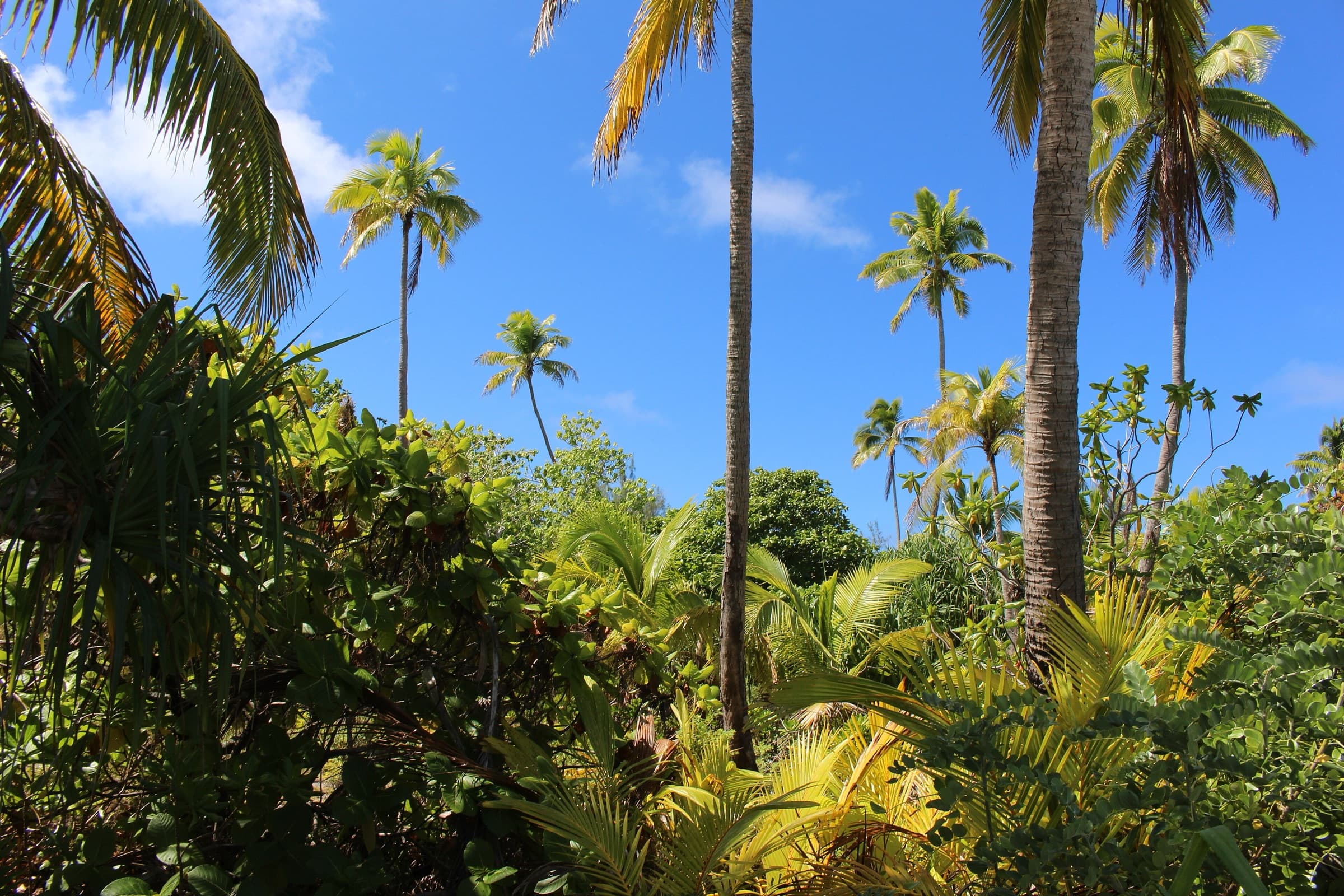
Aitutaki
Pacific · Cook Islands
Aitutaki travel guide for the Cook Islands lagoon island: Air Rarotonga from RAR, Arutanga base, Tapuaetai (One Foot Island) cruises, NZD logistics, and expect boat-only motu access.
View guide →
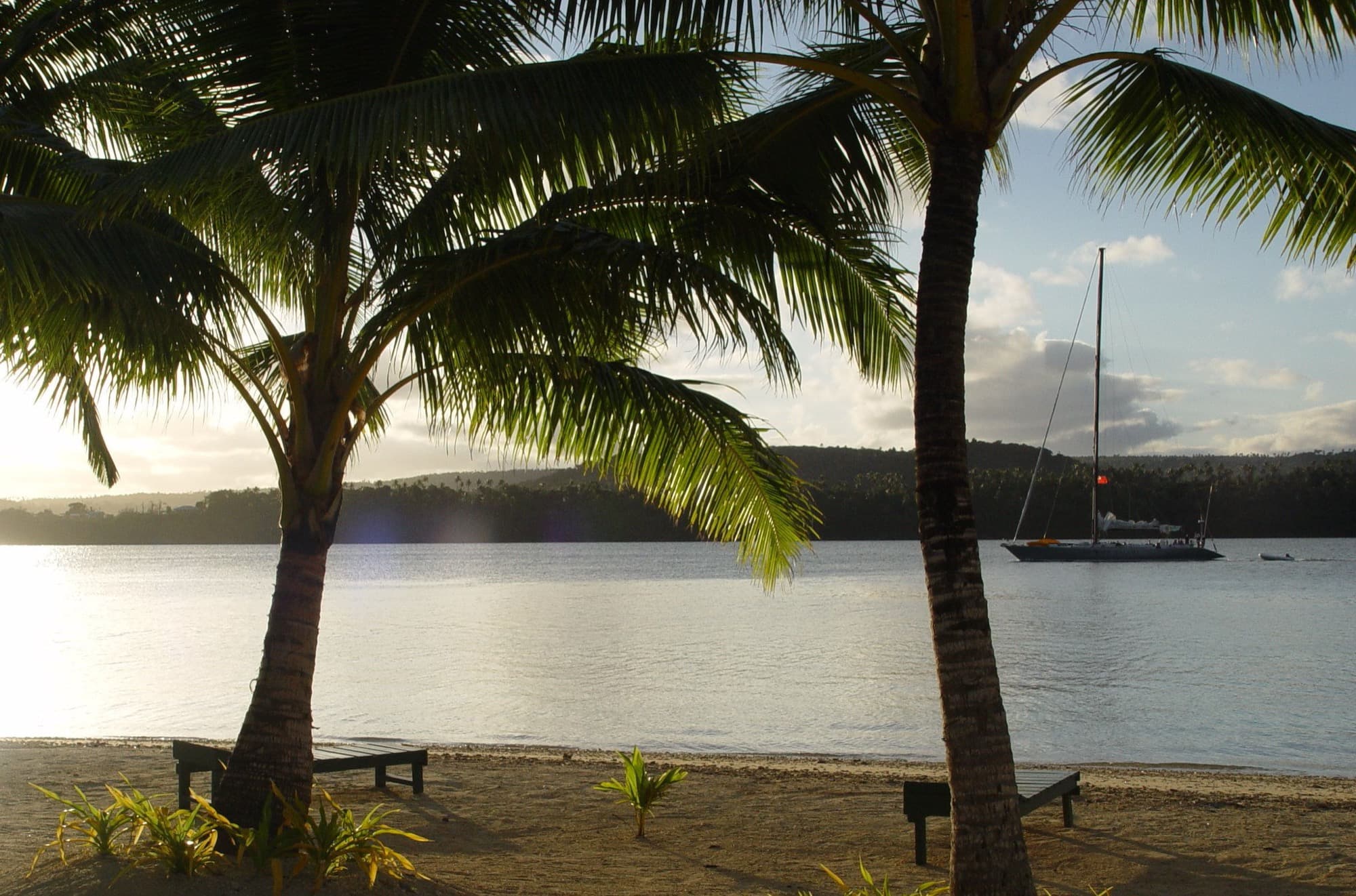
Tonga
Pacific · Tonga
Tonga travel guide for the Pacific kingdom: Nukuʻalofa and Fuaʻamotu arrivals, Vavaʻu whale swims and sailing, Tongatapu culture, Sunday logistics, and expect 2025 air-visitor trends.
View guide →
Vavaʻu
Pacific · Tonga
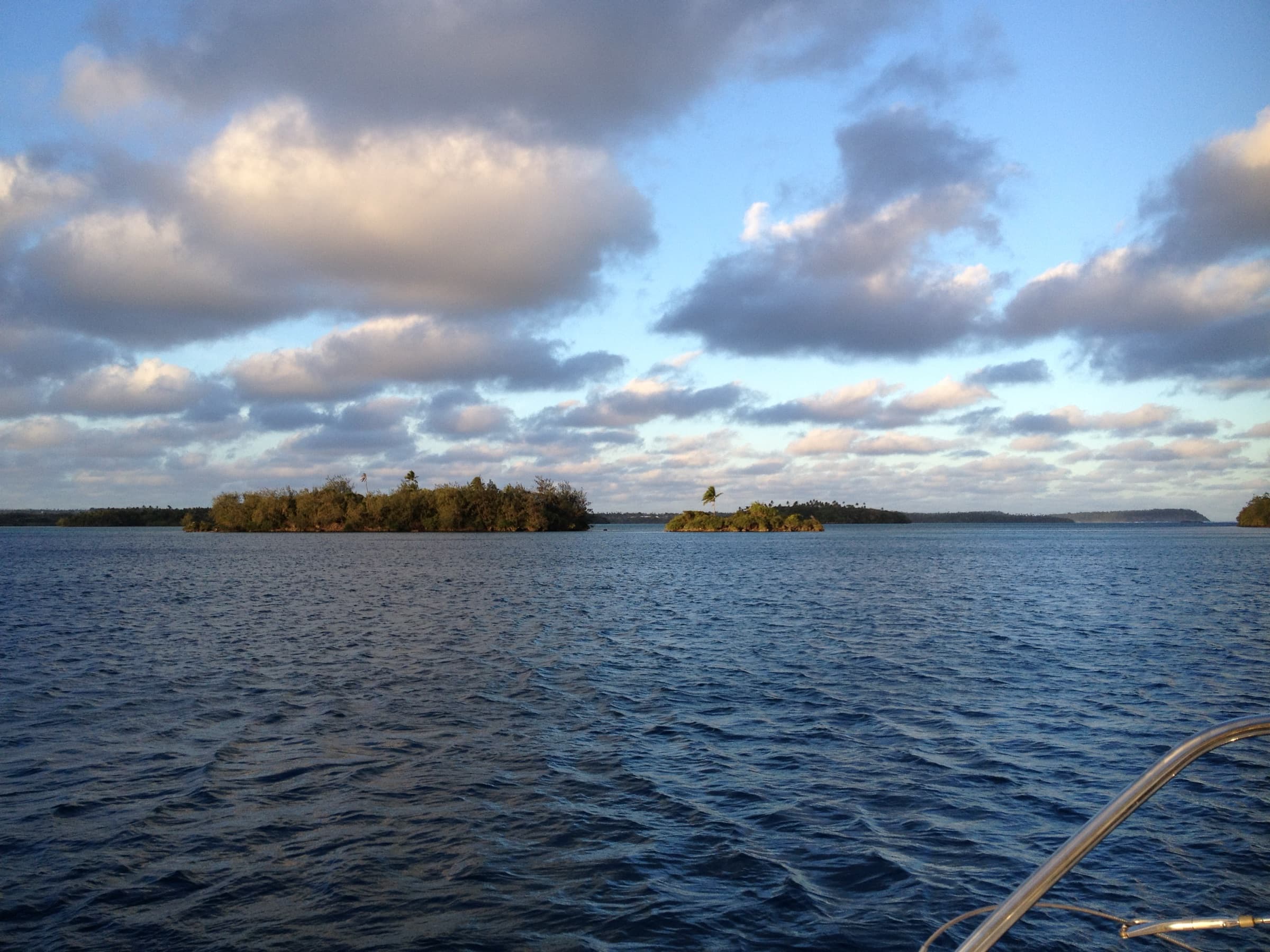
Vavaʻu travel guide for Tonga’s northern island group: Neiafu and Port of Refuge, Lulutai from Tongatapu, expect Fiji Airways season links, regulated Jul–Oct humpback swims, sailing, and Sunday logistics.
View guide →
Honolulu
Pacific · United States
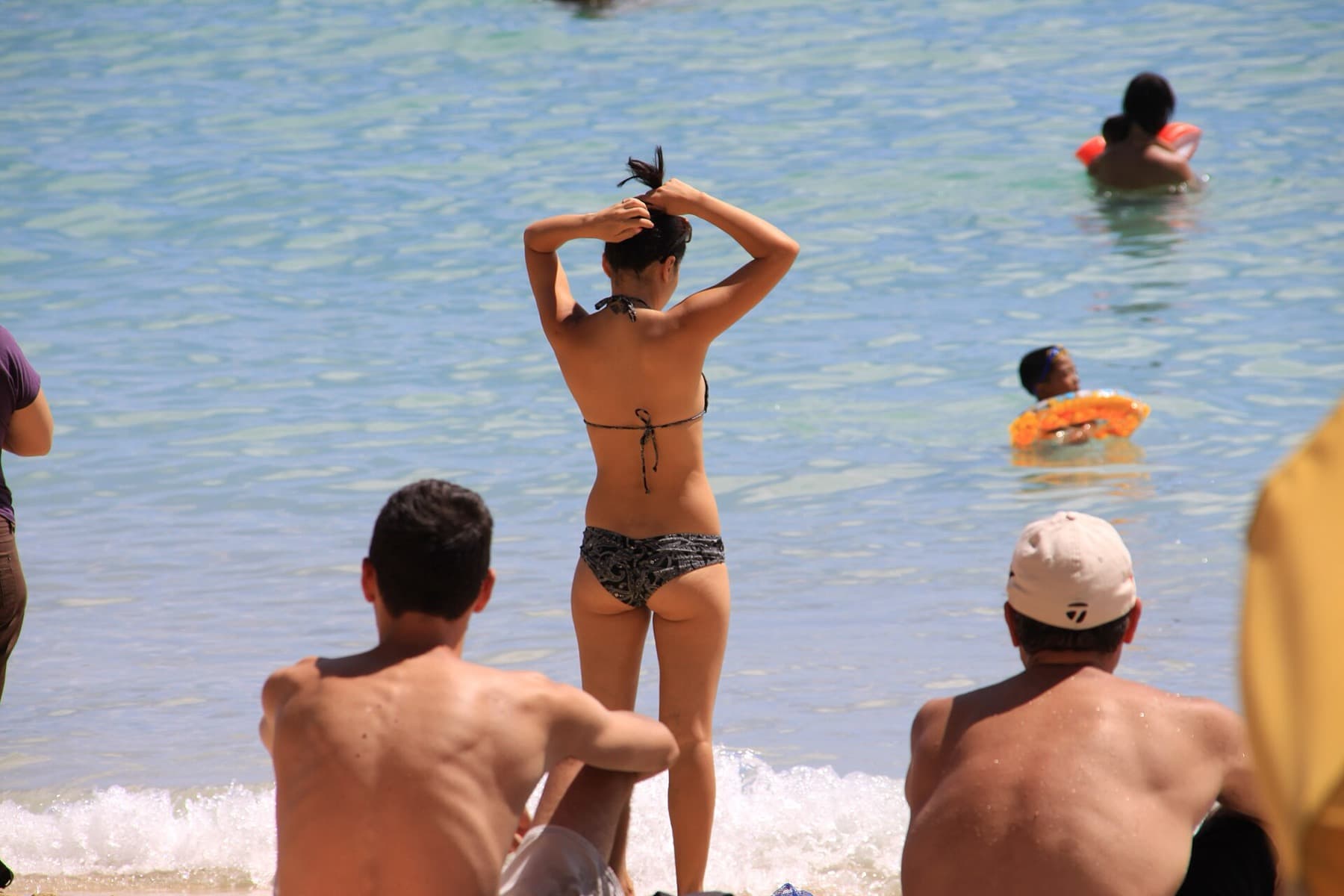
Pacific gateway with Japanese-influenced culture, serious dining, and beach access without leaving the US.
View guide →
Before you book
- Expect “Polynesia” as “many islands” in a European taxonomy—and as a living language family and voyaging culture.
- Honolulu is our Hawaiʻi city gateway on Oʻahu—not an island-nation page like Samoa or Tonga.
- French Polynesia suggests far fewer annual tourists than Fiji—$$$$ pricing and lagoon logistics shape the trip.
- Bora Bora and Moorea are live French Polynesia child guides—Motu Mute after PPT, and the Papeete–Vaiare ferry.
- Expect Terevau’s April 2026 liquidation as reshaping the Moorea ferry market—Aremiti, Vaearaʻi, and Tauati remain.
- Aitutaki is the Cook Islands lagoon child—Air Rarotonga from RAR, Tapuaetai by boat cruise only.
- Vavaʻu is the Tonga child for Neiafu harbour, sailing, and Jul–Oct licensed whale swims.
- Samoa suggests ~183k visitors in 2025; Cook Islands ~187k; Tonga ~64k air visitors—same triangle, different scales.
- American Samoa suggests NPS ~22.6k park visits in 2024—US territory south of the equator with its own passport line.
- Samoa’s child guides cover Upolu (APW/Apia/south coast) and Savaiʻi (ferry/lava/blowholes).