
French Polynesia
Five archipelagos, one international gateway, and a trip that rewards choosing islands instead of collecting them
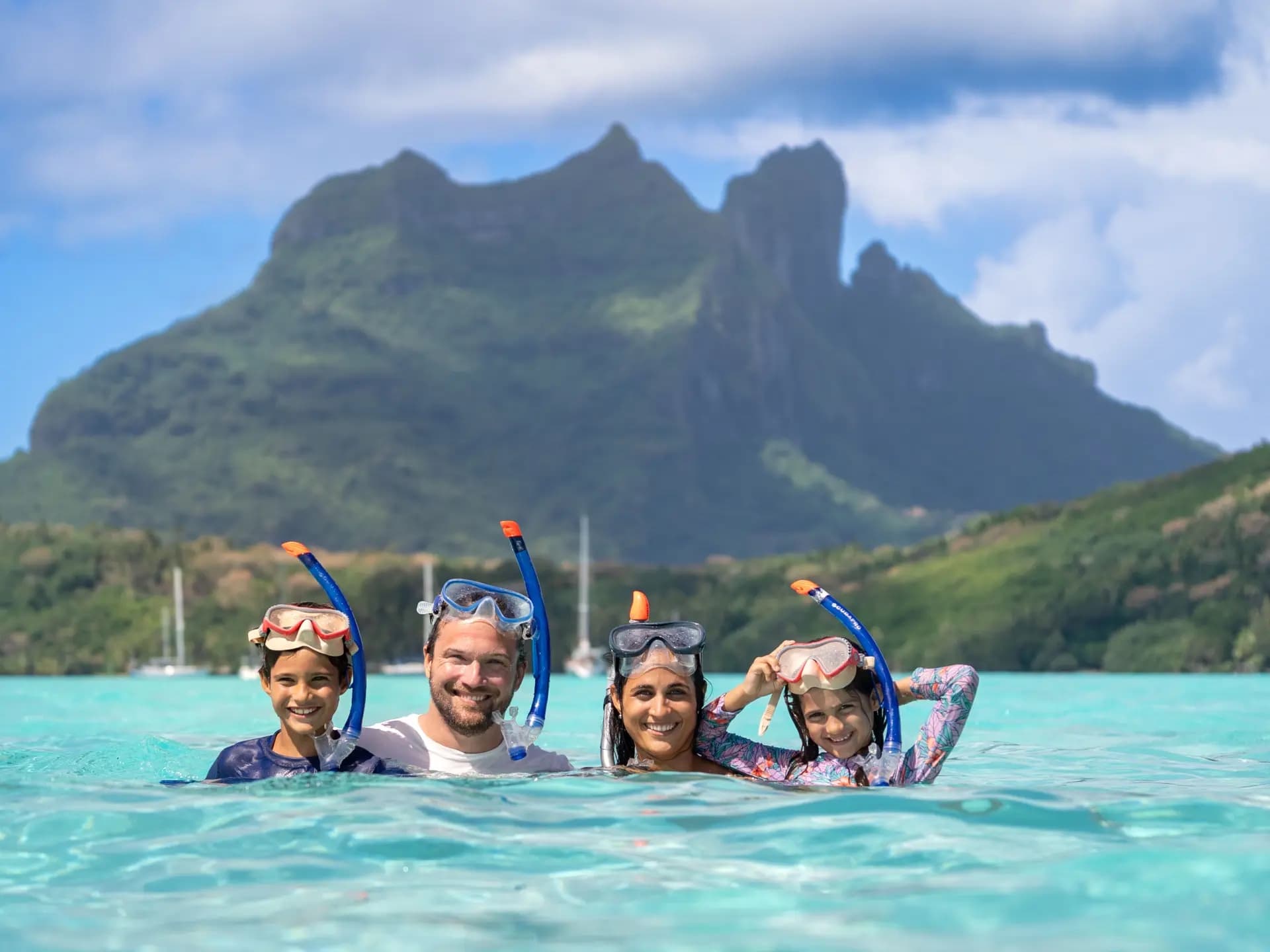
Photo: Tahiti Tourisme
French Polynesia is five archipelagos under one overseas French collectivity: the Society Islands (Tahiti, Moorea, Bora Bora, and neighbors), the Tuamotus, the Marquesas, the Australs, and the Gambier. Marketing often collapses that map into “Tahiti,” which is useful as a brand and misleading as an itinerary. ISPF figures for 2025 put tourists near 280,000 and total visitors near 349,000—far smaller than Fiji’s expect near one million—while North America and France remain the volume engines.
What makes the desk page worth reading is logistics honesty. Roughly one international airport that matters: Tahiti Faaʻa (PPT). Air Tahiti Nui nonstops from Los Angeles and Seattle, United and French Bee on the San Francisco corridor (with expect summer 2026 frequency growth), plus Auckland and other regional links you must reconfirm. Moorea is the easy boat: expect Aremiti, Vaearaʻi, and Tauati ferries from Papeete in roughly 25–45 minutes (expect Terevau ceased after April 2026 liquidation). Almost everything else is an Air Tahiti domestic ticket, a cruise segment, or a private charter fantasy.
Cost is the other honesty filter. A typical North American first trip as $$$$: international airfare plus lagoon resorts, especially Bora Bora overwater product, sit at the top of Pacific leisure pricing. Family pensions and Moorea self-drive can soften the burn; they do not turn the destination into a backpacker default.
This page is the Polynesia hub for our Oceania desk. Child pages for Bora Bora, Moorea, Rangiroa, and the Marquesas can deepen later. Start here so the ferry timetable, the language map, and the archipelago choice share the same trip.
| Best months to visit | Dry season suggests roughly May–October for clearer lagoons and easier outdoor days. November–April brings more rain and humidity—still workable for short stays if you watch forecasts and book flexible ferries and domestic flights. |
| Oceania region | Polynesia |
| Relative cost while there | $$$$ — see cost notes below |
| Primary airport(s) | Tahiti Faaʻa International (PPT) is the only major international gateway |
| Ease for first-timers | 6/10 |
| Trip intensity | Moderate |
| Typical budget feel | Splurge-worthy |
| Suggested trip length | 8–12 days |
| Capital / main hub | Papeete, Tahiti (capital) · Faaʻa (PPT gateway) |
| Currency | CFP franc (XPF) |
Transpacific Bound destination editorial. Not live pricing or availability; confirm seasons and entry rules before booking.
Good for
Why go now
ISPF suggests about 280,000 tourists and about 349,000 total visitors in 2025—North America and France remain the volume engines—while United’s San Francisco–Papeete service suggests a move toward daily flying in summer 2026 and French Bee adds seasonal SFO frequency. More seats do not make Bora Bora cheap; they make the gateway more bookable.
Who this trip is for
Travelers who want Polynesian lagoons with clearer West Coast air access than most of the Pacific, and who will pick two or three islands instead of trying to see five archipelagos in one week.
Brief history
Polynesian navigators settled these islands long before European contact; oral histories and archaeology place deep Pacific voyaging at the center of identity. French protectorates and colonial administration layered over the nineteenth century; today French Polynesia is an overseas collectivity of France with substantial local autonomy and ongoing debates about status, resources, and nuclear-test memory in the Tuamotus.
Papeete on Tahiti concentrates government, the international airport, and much of the territory’s urban life. Tourism rebuilt after COVID closures and now sits beside pearl farming, public employment, and French transfers as economic pillars—expect tourism near a tenth of GDP in recent statistical commentary, with higher shares of salaried jobs in visitor industries depending on the source year.
Languages
French · Tahitian · other Polynesian languages (Marquesan, Paʻumotu / Tuamotuan, Austral, Mangarevan, and related) · English (visitor services)
French is the official language of administration and schooling. Tahitian is widely spoken in the Society Islands and appears in place names, media, and ceremony; other archipelagos keep their own Polynesian languages. English as common in resorts and tour desks, thinner in outer villages. Learning a few Tahitian greetings is courtesy, not a substitute for French on forms and pharmacies.
Getting there
Fly into Tahiti Faaʻa (PPT). Air Tahiti Nui nonstops from Los Angeles and Seattle for North America, with United and French Bee on San Francisco–Papeete (expect denser summer 2026 schedules—always reconfirm). Confirm Auckland and other regional links on the same map. From Papeete, expect frequent ferries to Moorea in roughly half an hour to forty-five minutes. Bora Bora, the Tuamotus, Marquesas, Australs, and Gambier are domestic Air Tahiti territory—book early on peak dates and leave connection buffer after long-haul arrival.
Relative cost while there
$$$$
A typical North American leisure trip as $$$$: long-haul airfare plus Society Islands resorts, especially Bora Bora overwater bungalows, sit among the Pacific’s highest daily burns. Moorea pensions, rental cars, and Tahiti city stays can pull a trip toward $$$ if you avoid the postcard product. Diving packages, inter-island flights, and resort half-board add up quickly—price the domestic map before you fall in love with five islands.
First-timer move
Land at Tahiti Faaʻa (PPT), sleep one recovery night near Papeete or on Tahiti, then ferry to Moorea before any Bora Bora flight. Expect Moorea ferries at roughly 25–45 minutes from Papeete—confirm the live Aremiti / Vaearaʻi / Tauati timetable (expect Terevau ceased after April 2026).
Repeat visitor angle
Second trips should leave the Bora Bora honeymoon circuit. If the first week was Moorea and Tahiti, give Rangiroa or Fakarava a dive week. If you already did the Society Islands lagoons, fly to the Marquesas for landscape and culture that refuse the overwater brochure.
Repeat visitors can also slow into Papeete markets, Heiva season when timing allows, or a Huahine / Raiatea / Tahaʻa loop that suggests fewer megayacht sightlines than Bora Bora.
Where to stay
Base one: Tahiti near PPT or Papeete for arrivals, bakeries, and museum time—gateway, not the whole trip. Base two: Moorea by ferry for lagoon swimming, pineapple roads, and a softer daily burn than Bora Bora. Base three: Bora Bora when the point is the classic lagoon and overwater product—budget the flight and the transfer boat as part of the stay, not an afterthought.
Tuamotu atolls (Rangiroa, Fakarava, Tikehau) want dive-focused nights and should not be treated as casual day trips from Tahiti. Marquesas flights are their own week. Do not stack Bora Bora, a Tuamotu, and Nuku Hiva into seven nights.
What to eat
Poisson cru, grilled lagoon fish, French bakery breakfasts in Papeete, and island produce. Resort dining dominates outer islands; Tahiti and Moorea stretch the range with roulottes, markets, and bistros.
Cultural fluency notes
French is the language of administration and most visitor services; Tahitian and other Polynesian languages carry daily life and ceremony. Learn basic greetings—ia ora na in Tahitian contexts—and treat land, marae sites, and dance as living culture, not costume.
Sunday can be quieter outside resort bubbles. Tipping follows French-leaning norms more than US restaurant scripts; follow property guidance. Dress for churches and village visits with covered shoulders when asked. Black pearl shopping is real commerce—ask questions, compare, and do not invent investment stories.
What diaspora travelers may notice
Polynesian diaspora travelers from Hawaiʻi, Aotearoa, Samoa, or the continental US may recognize voyaging histories, tattoo lineages, and dance forms while still needing local protocols. French Polynesia is not interchangeable with Hawaiʻi state tourism or Fiji’s Melanesian map.
French speakers gain ease in Papeete menus and bureaucracy; that fluency does not replace respect for Polynesian hosts. Avoid collapsing every island into a Bora Bora honeymoon set.
Worth the splurge
A Bora Bora overwater bungalow with lagoon transfer included, a Rangiroa or Fakarava dive package with a named operator, or a Marquesas flight circuit when culture and landscape matter more than the postcard lagoon.
What not to do
Do not try to “do” Tahiti, Moorea, Bora Bora, Rangiroa, and the Marquesas in one week. Domestic flights and transfers eat daylight and money.
Do not assume every lagoon has a cheap walk-up bungalow. Do not skip buffer time between international arrival and a same-day Bora Bora connection—expect airport and Air Tahiti recheck realities.
Do not treat pearl boutiques or dance shows as a substitute for history. Plan for visas and entry by passport; overseas France is not a free-for-all list you invent at the gate.
Best paired with
Honolulu pairs as a US-passport Polynesian contrast with denser airlift. Fiji pairs as Melanesia with higher visitor volume and a different cost curve. Sydney or Auckland work as Australasian gateways on overlapping airline maps.
Within Polynesia, the Cook Islands and Samoa are later desk pages for travelers who want less French-administration texture after Tahiti.
Best time to go
Dry season suggests roughly May–October for clearer lagoons and easier outdoor days. November–April brings more rain and humidity—still workable for short stays if you watch forecasts and book flexible ferries and domestic flights.
Airport notes
Tahiti Faaʻa International (PPT) is the only major international gateway. Expect Air Tahiti Nui nonstops from Los Angeles and Seattle, United (and French Bee) on San Francisco–Papeete, plus Auckland and other regional links—confirm the live schedule. Domestic Air Tahiti hops reach Bora Bora, the Tuamotus, Marquesas, and beyond; Moorea is usually a ferry, not a required flight.
Getting around
On Tahiti and Moorea, rental cars, hotel transfers, and limited public transport cover most visitor days—expect traffic around Papeete at peak hours. Inter-island moves are Air Tahiti flights or the Moorea ferry; do not assume a water taxi network like a Mediterranean archipelago. Bags, weather, and small-aircraft limits make same-day international-to-domestic connections fragile—build buffer.
Entry and visas
French Polynesia follows overseas France entry rules that are passport-specific. Many short-stay tourists (including many US and Canadian passport holders) travel without a visa for limited stays—verify current France Diplomatie / Haut-commissariat de la République en Polynésie française guidance before you fly. Do not invent a universal visa-free list or confuse Schengen stamps with PPT entry.
Power and driving
Type E (French) power plugs at 220V and right-side driving. Bring a suitable adapter; US travelers should not assume hotel USB ports cover every device.
Top sites and experiences
Moorea
Closest full island reset from Papeete by ferry—bays, snorkeling, and a softer cost curve than Bora Bora.
Bora Bora lagoon and Mount Otemanu
The postcard Society Islands product: lagoon colors, overwater stays, and expect shark/ray excursions with reputable operators.
Papeete and western Tahiti
Markets, bakeries, museums, and waterfall or coastal day trips when you treat Tahiti as a real island, not only a runway.
Rangiroa or Fakarava (Tuamotus)
Atoll diving and pass drifts for certified divers—reach by Air Tahiti, not by wishing.
Marquesas (Nuku Hiva, Hiva Oa)
Volcanic landscapes, carving traditions, and cultural depth that refuse lagoon stereotypes—plan a dedicated flight week.
Huahine, Raiatea, and Tahaʻa
Society Islands beyond the honeymoon default—sacred sites, vanilla, and quieter lagoons when schedules allow.
Heiva and dance seasons (timing-dependent)
July Heiva festivals as peak cultural calendar—book lodgings early if that is your spine.
Island facts
- Expect ~118 islands across five archipelagos; only a fraction host regular visitor infrastructure.
- Branded internationally as The Islands of Tahiti; Tahiti itself is one island inside the Society group.
- ISPF suggests ~280,000 tourists and ~349,000 total visitors in 2025 (+~6% vs prior year in conference reporting).
- Budget for North America and France as the dominant source markets; Asia remains a smaller but watched growth lane.
- Currency is the CFP franc (XPF), pegged to the euro; cards work widely in resorts, cash still matters in outer islands.
- Time on Tahiti/Moorea suggests UTC−10; Marquesas use a half-hour offset—check devices when you hop archipelagos.
- France conducted nuclear tests in the Tuamotus in the twentieth century; the history remains part of public memory and politics.
- Black pearls are a real local industry and a expect shopping cliché—buy with questions, not mythology.
- Moorea’s ferry ride is the territory’s most useful “easy boat” link; almost every other island hop is a flight.
- Pacific Games expect preparation toward 2027 is raising infrastructure talk—useful context, not a reason to invent free hotel rooms.
Access routes at a glance
- Los Angeles (LAX) · nonstop — Air Tahiti Nui; confirm season and aircraft
- Seattle (SEA) · nonstop — Air Tahiti Nui; confirm live frequency
- San Francisco (SFO) · nonstop — Plan for United and French Bee; expect summer 2026 frequency growth—reconfirm
- Auckland (AKL) · nonstop — Air Tahiti Nui / partner schedules; confirm
- Papeete ferry terminal · ferry — Aremiti / Vaearaʻi / Tauati to Moorea (~25–45 min); expect Terevau ceased Apr 2026
- Tahiti Faaʻa (PPT) domestic · domestic flight — Confirm Air Tahiti to Bora Bora, Rangiroa, Marquesas, Australs, and more
A 6-day editorial itinerary
Day 1
Arrive PPT. Clear formalities, transfer to a Tahiti hotel near the airport or Papeete, eat simply, sleep. Do not book a same-day Bora Bora hop unless you built a wide connection buffer.
Day 2
Ferry to Moorea (expect ~30–45 minutes). Swim, drive or tour a loop of bays and viewpoints, keep dinner near your base.
Day 3
Moorea water day: snorkeling, lagoon safari with a named operator, or a quiet beach morning. Optional pineapple or polyplantation stop without turning the day into a checklist race.
Day 4
Either stay on Moorea or fly Air Tahiti to Bora Bora / a Tuamotu if that is the trip’s spine. Build weather buffer into the domestic sector.
Day 5
Commit to the island you chose: lagoon, dive, or mountain viewpoint. One excellent water morning beats three rushed photo stops.
Day 6–7
Culture or second geography only if the schedule already owns it—Papeete museum and market time on the way home, or a second Society Island. Otherwise rest and protect the international departure.
What this place feels like
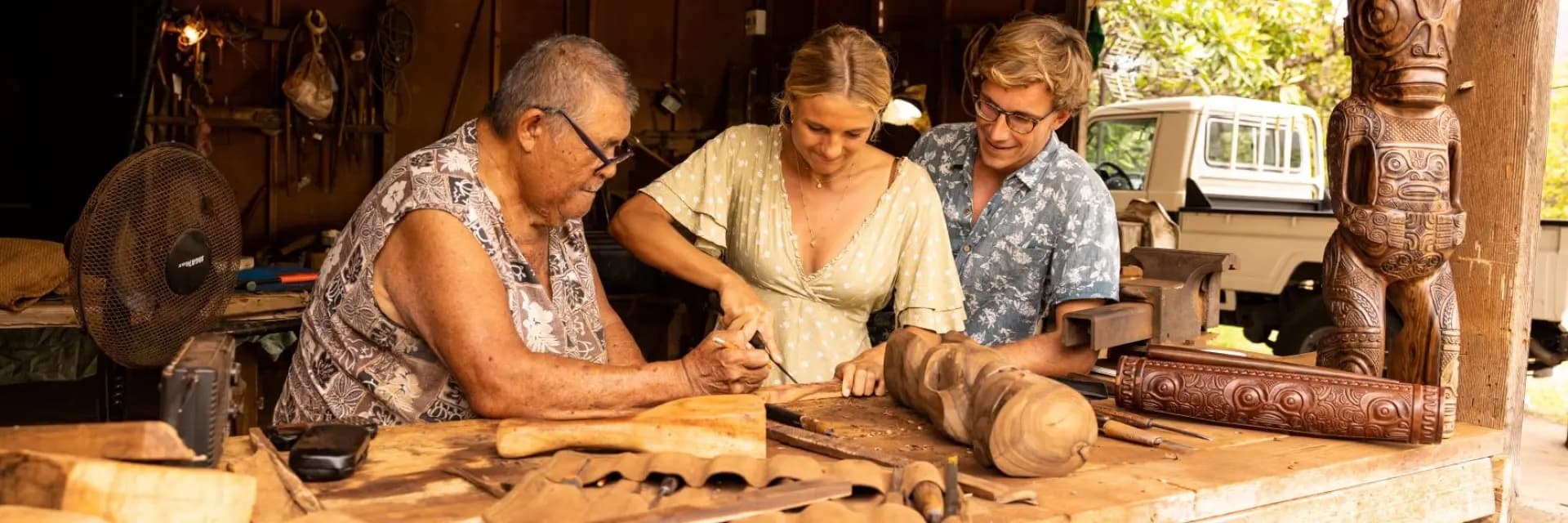
Related stories
From the editorial watchlist
Related destinations
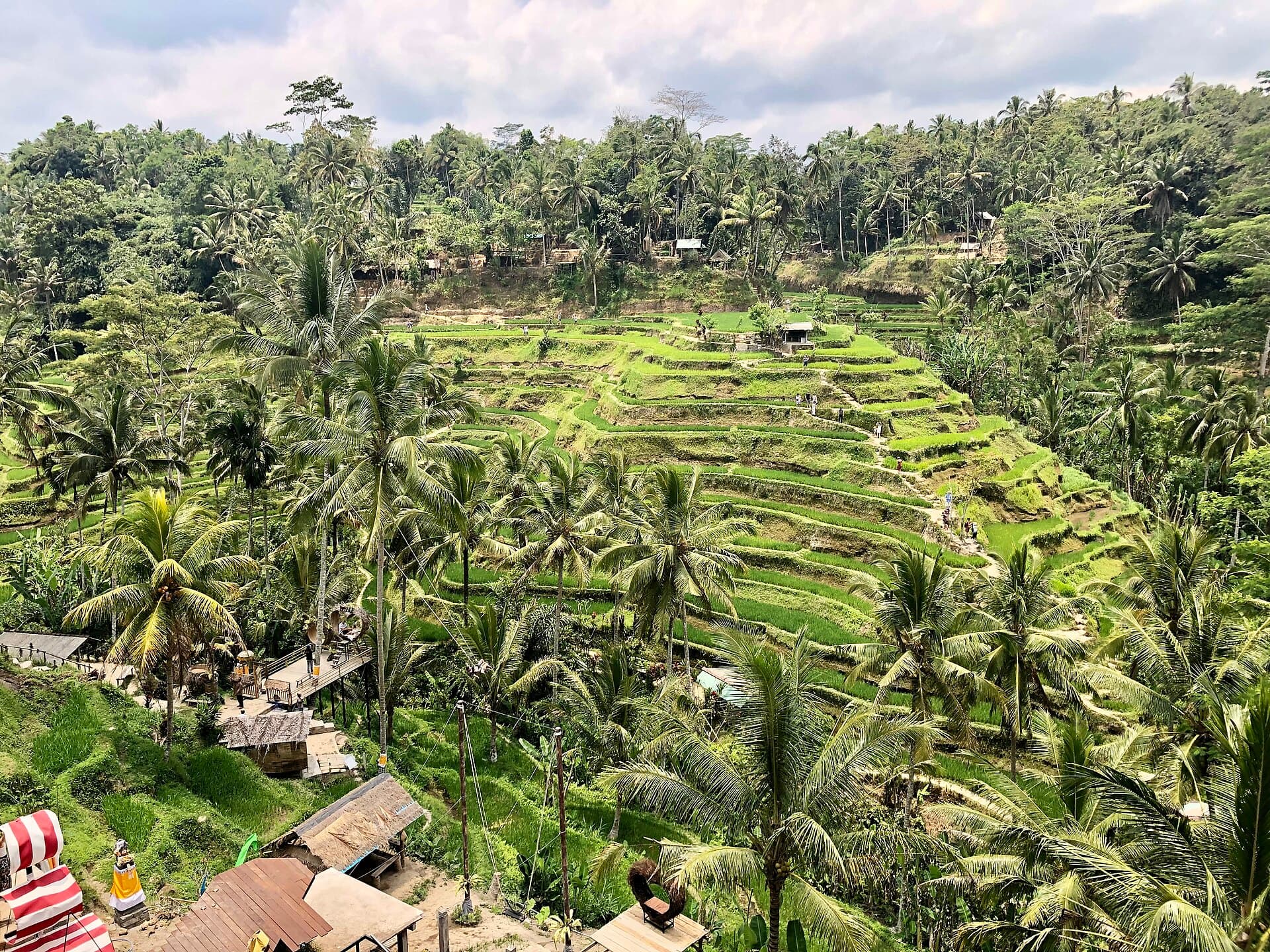
Bali
Southeast Asia · Indonesia
Ubud craft mornings and a southern beach base, with enough restraint to leave the traffic—and the checklist—behind.
View guide →
Honolulu
Pacific · United States
Pacific gateway with Japanese-influenced culture, serious dining, and beach access without leaving the US.
View guide →
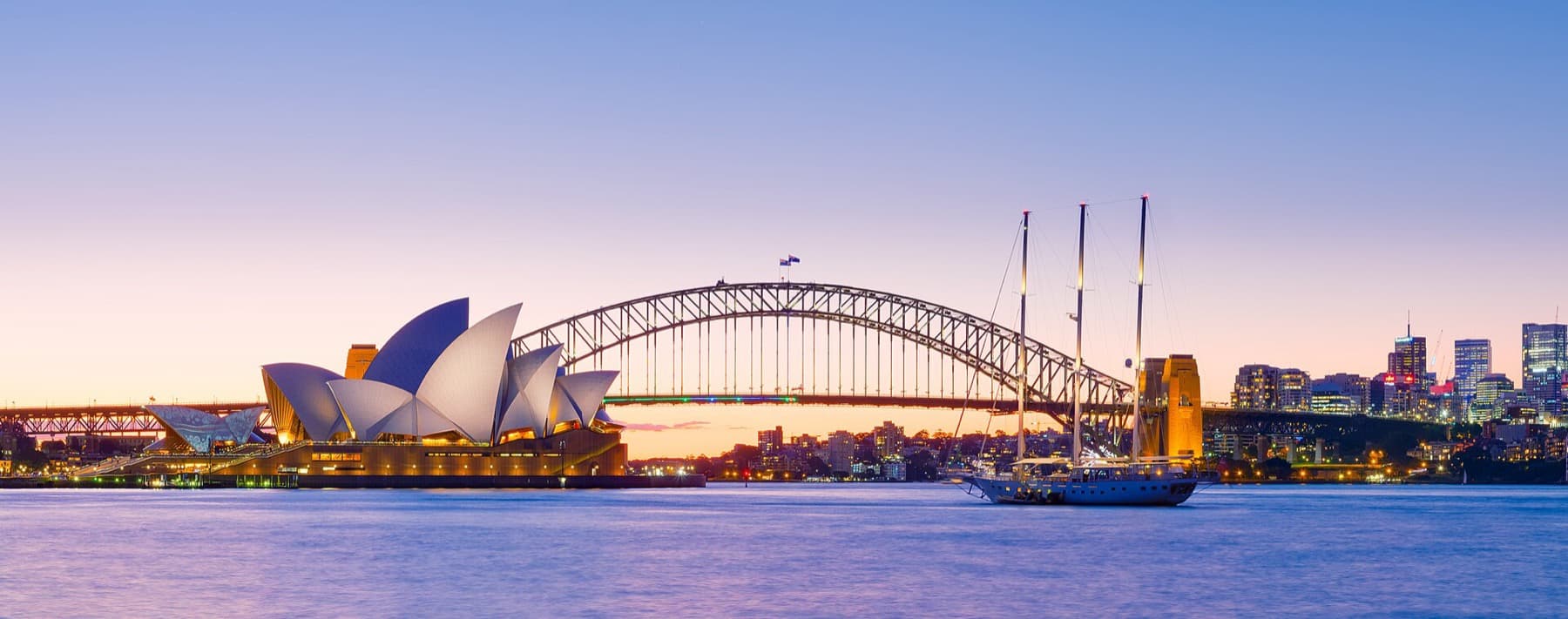
Sydney
Pacific · Australia
Sydney travel guide to harbor ferries, coastal walks, Airport Link logistics, and the distinct food neighborhoods reached by train and metro.
View guide →
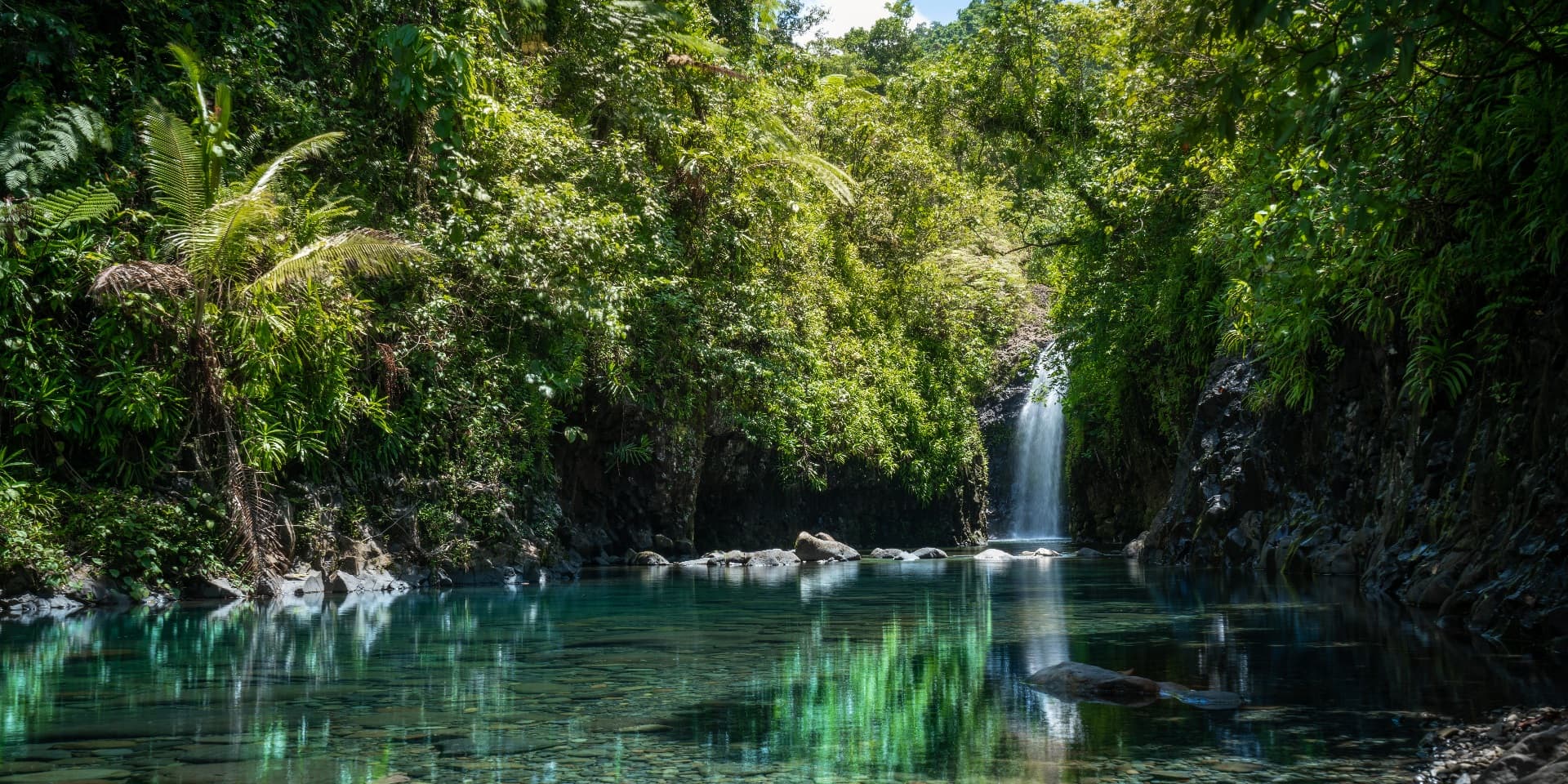
Fiji
Pacific · Fiji
Fiji travel guide for Melanesia’s most connected archipelago: Nadi arrivals, Mamanuca and Yasawa ferries, Coral Coast pacing, Indo-Fijian food, and expect visitor trends past nearly one million arrivals.
View guide →
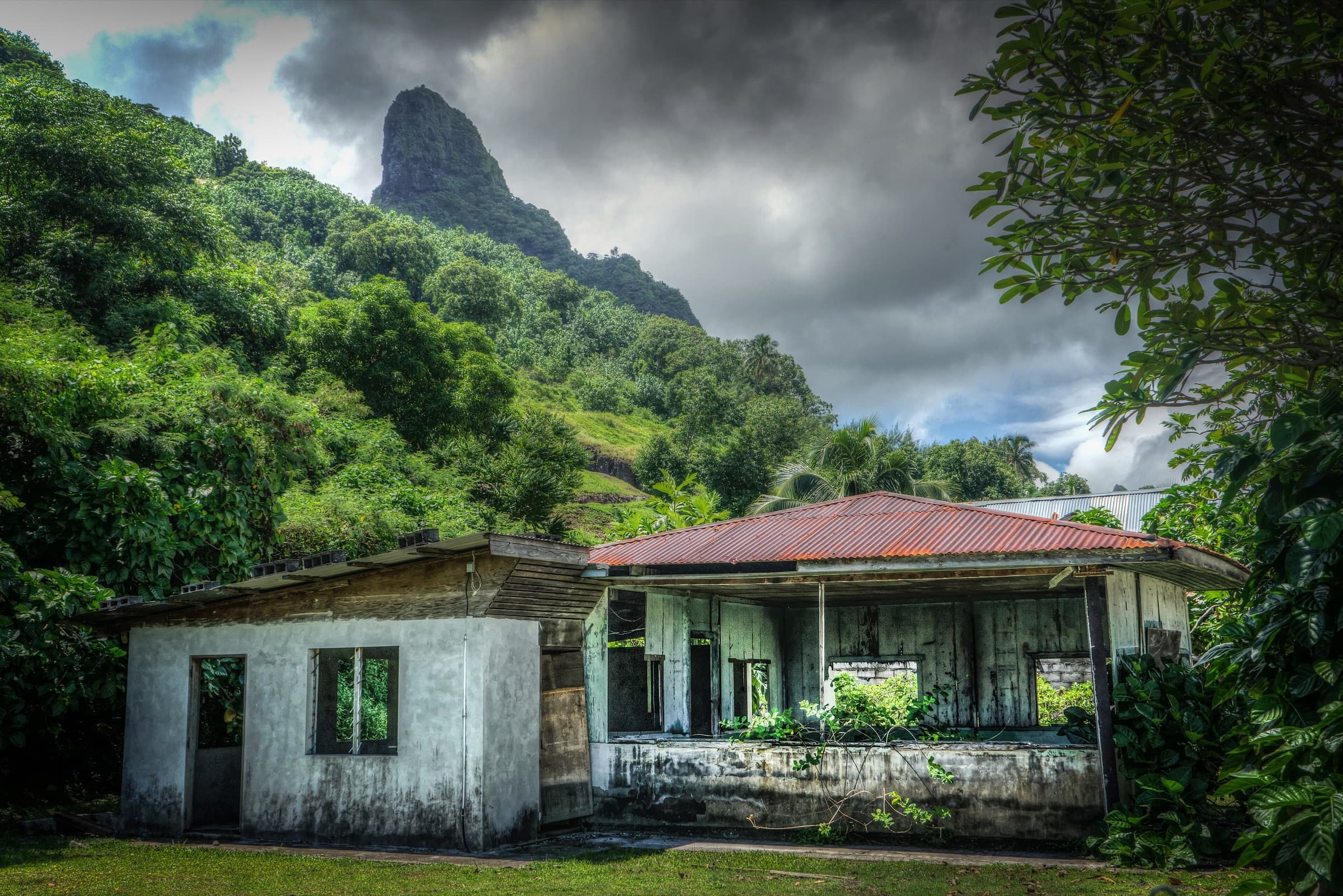
Bora Bora
Pacific · France
Bora Bora travel guide for French Polynesia’s lagoon icon: Motu Mute (BOB) after Papeete, Mount Otemanu views, overwater motu resorts, Matira Beach, Vaitape logistics, and expect $$$$ Society Islands pacing.
View guide →
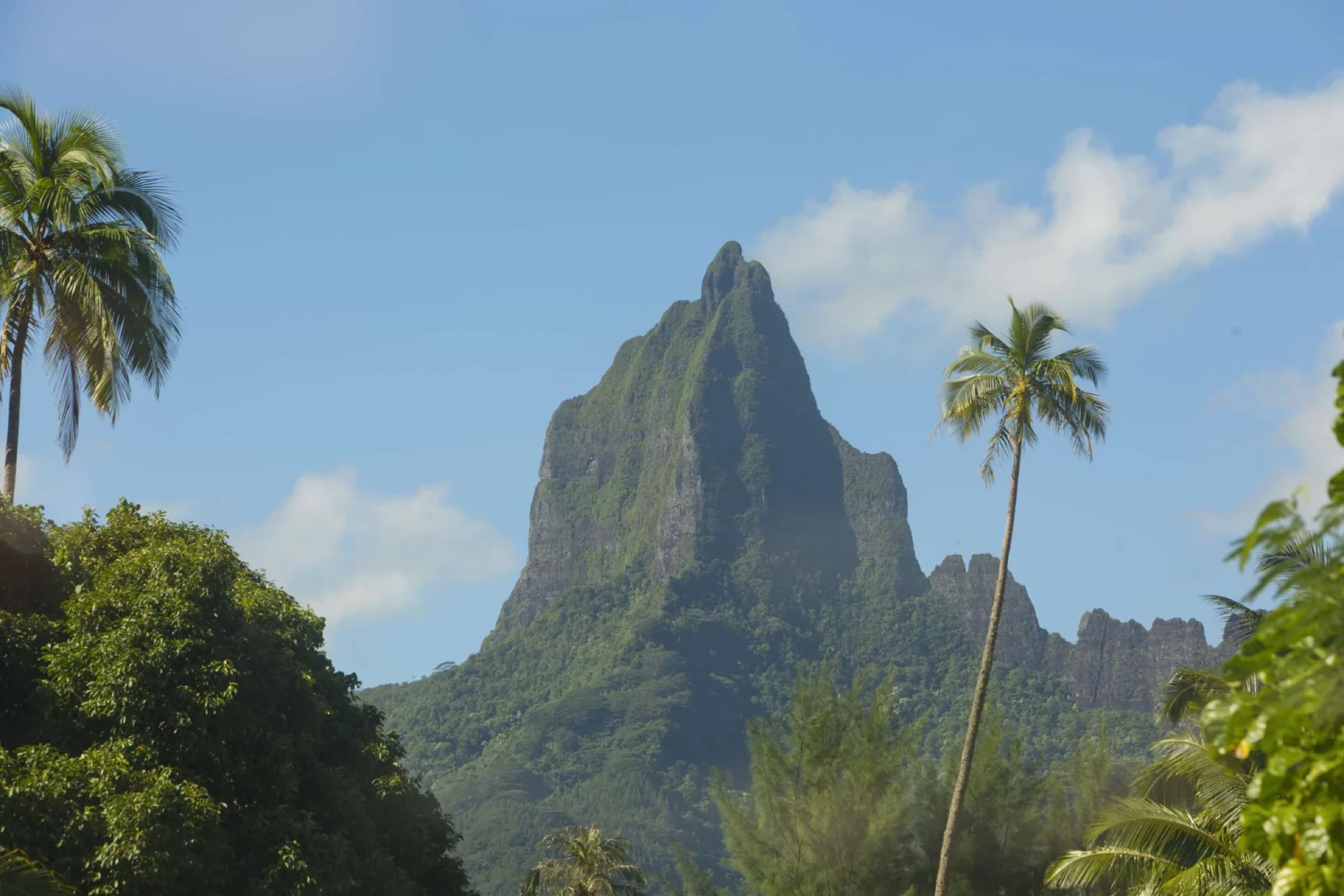
Moorea
Pacific · France
Moorea travel guide for French Polynesia’s ferry island: Papeete–Vaiare crossings, Opunohu and Cook’s bays, belvédère views, lagoon days, and a softer Society Islands cost curve than Bora Bora.
View guide →
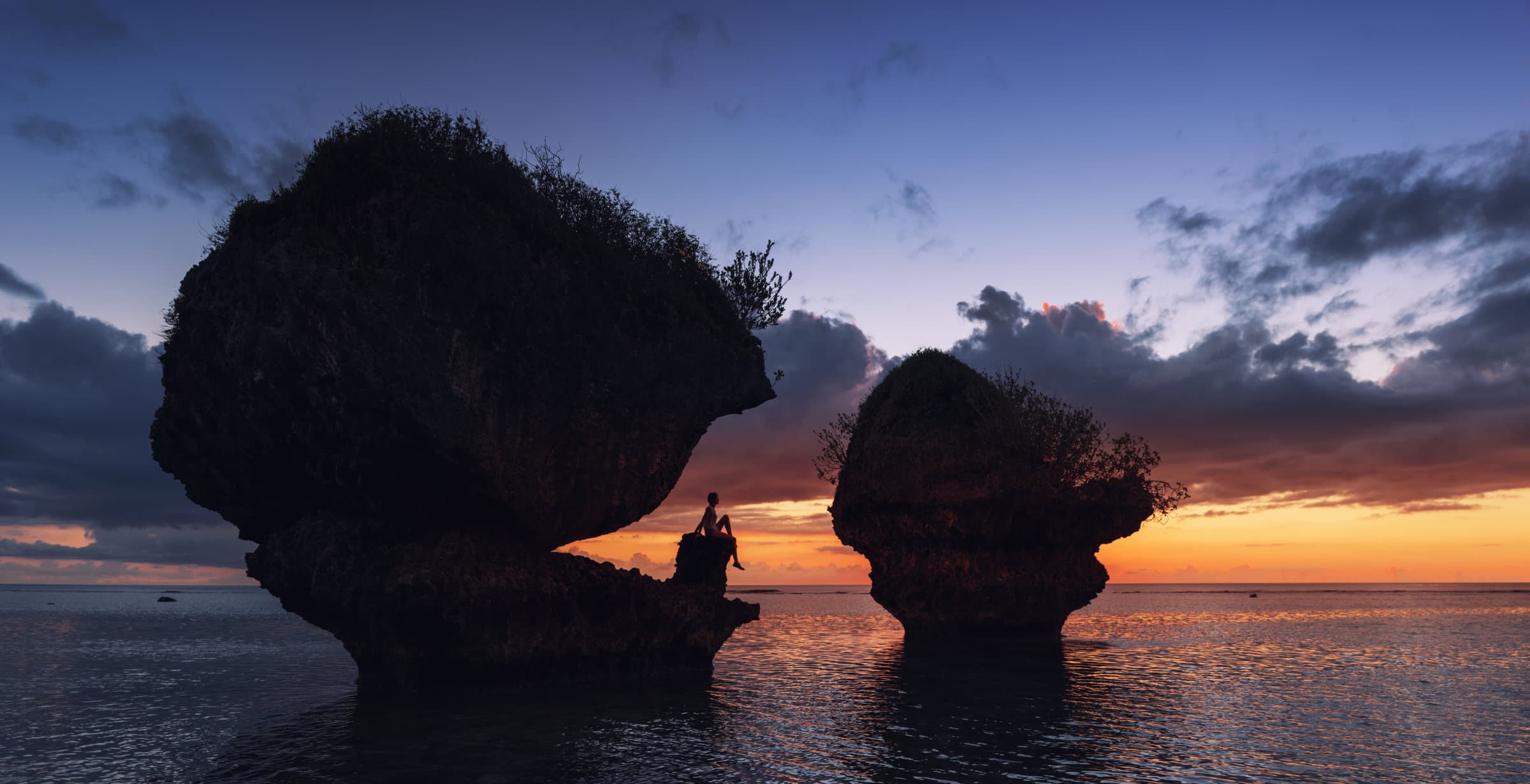
Guam
Pacific · United States
Guam travel guide for Micronesia’s US territory hub: Tumon resorts, Chamorro culture, War in the Pacific sites, reef days, and expect Korea–Japan visitor volume into Antonio B. Won Pat (GUM).
View guide →
Samoa
Pacific · Samoa
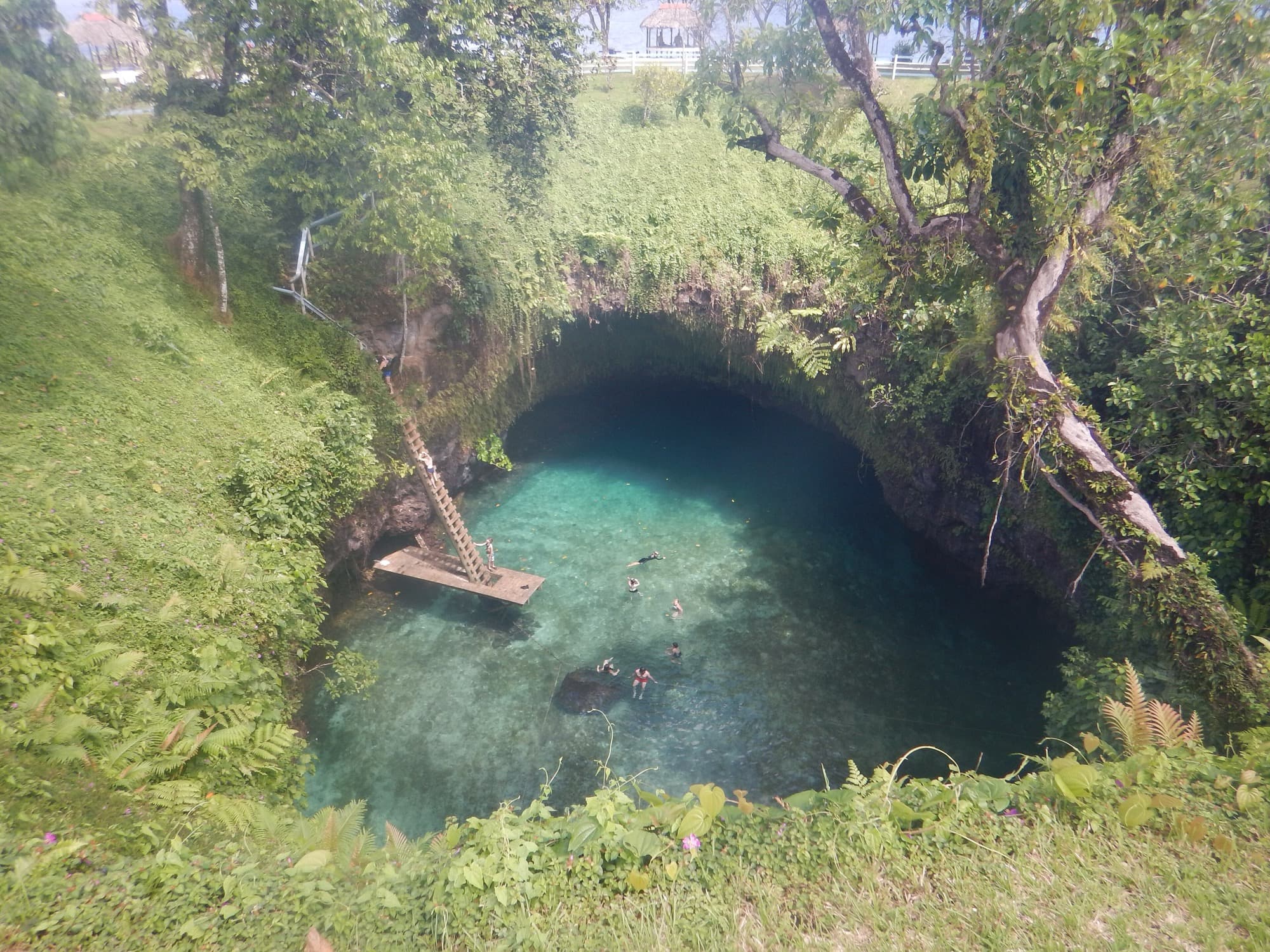
Samoa travel guide for independent Polynesia: Apia and Faleolo arrivals, Upolu beaches and To Sua, Savaiʻi ferry days, Samoan culture, and expect 2025 visitor trends led by New Zealand and Australia.
View guide →