
Cook Islands
One circular island gateway, one famous lagoon hop, and Polynesia tied to New Zealand without being a New Zealand suburb
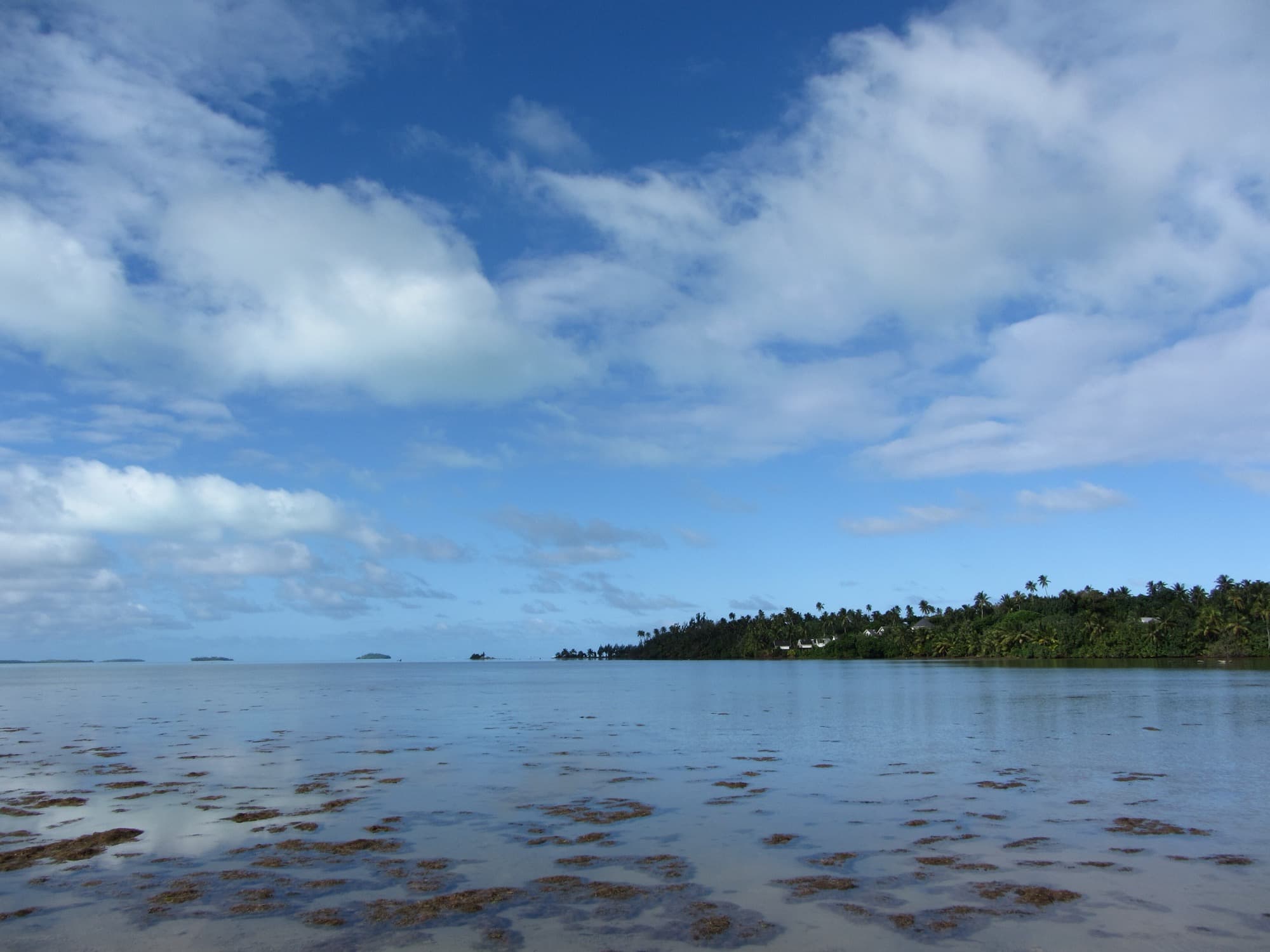
Akos Kokai / resized from original
The Cook Islands are Polynesia with a New Zealand handshake: self-governing in free association with NZ, New Zealand dollars in the till, and an Auckland air bridge that suggests most of the visitor map. Cook Islands Tourism’s calendar-year 2025 total at 187,018 visitor arrivals (+10% vs 170,525 in 2024)—with New Zealand still about 64% of the mix, Australia about 24%, and North America and Europe/UK each around 5%.
What those numbers buy you is a clear two-island product for first-timers. Rarotonga is the circular volcanic island with the international airport (RAR), Avarua’s market rhythm, and a coastal road you can actually drive. Aitutaki is the lagoon postcard—reached by Air Rarotonga in about fifty minutes, not by a Samoa-style public ferry. Outer southern-group islands (Atiu, Mangaia, Mauke, Mitiaro) and the northern atolls exist for later trips; do not invent them as casual day boxes from Rarotonga.
For North American travelers, the usual path suggests a connection through Auckland, Honolulu, Sydney, or Brisbane into Rarotonga. Air New Zealand, Jetstar, and other AU/NZ/Pacific schedules—including seasonal Christchurch nonstops and Papeete links in CIT aviation commentary—then reconfirm everything. Once you land, book the Aitutaki seat before you fall in love with the brochure lagoon.
This page sits on our Polynesia desk beside Samoa and French Polynesia. Child pages for Aitutaki can deepen later.
| Best months to visit | Drier, cooler visitor peak suggests roughly May–October (Southern Hemisphere winter). November–April brings more humidity and cyclone-season risk—still workable for short stays if you watch forecasts and keep domestic flights flexible. |
| Oceania region | Polynesia |
| Relative cost while there | $$$ — see cost notes below |
| Primary airport(s) | Rarotonga International (RAR) is the only major international gateway |
| Ease for first-timers | 7/10 |
| Trip intensity | Easy |
| Typical budget feel | Comfortable |
| Suggested trip length | 8–12 days |
| Capital / main hub | Avarua (capital) · Rarotonga / RAR (gateway) · Arutanga (Aitutaki hub) |
| Currency | New Zealand dollar (NZD) |
Transpacific Bound destination editorial. Not live pricing or availability; confirm seasons and entry rules before booking.
Good for
Why go now
Cook Islands Tourism suggests 187,018 visitor arrivals in calendar 2025 (+10% vs 2024), with New Zealand still about 64% of the mix and Australia about 24%. Expect 2026 seat adds—including seasonal Christchurch and new Brisbane Jetstar commentary—as capacity to reconfirm, not a guarantee that Aitutaki rooms stay empty.
Who this trip is for
Travelers who want Polynesian lagoons with NZ-facing airlift and a clearer two-island product than most of the triangle—without assuming Samoa-style ferries or French Polynesia overwater pricing as the default.
Brief history
Cook Islands Māori society long predates European contact, with vaka voyaging, chiefly systems, and island identities across the southern and northern groups. British and New Zealand administration layered over the islands before self-government in free association with New Zealand from 1965—Cook Islanders hold NZ citizenship while the Cook Islands run their own government from Avarua.
Tourism rebuilt after COVID with NZ still the volume engine. Mana Tiaki / regenerative-tourism messaging from Cook Islands Tourism as visitor-facing guardianship language that sits beside arrivals growth—not as a guarantee that every resort lives it.
Languages
Cook Islands Māori (reo Māori Kūki ʻĀirani) · English
Cook Islands Māori and English are both widely used. Confirm Māori as the language of home, church, and cultural ceremony; English dominates visitor services and most booking paperwork. Learning kia orana and meitaki is useful hospitality.
Getting there
Fly into Rarotonga International (RAR). Air New Zealand from Auckland as the densest bridge, plus Jetstar, seasonal Christchurch, Australian cities, Honolulu, and Papeete among other links—confirm live frequencies. Budget for 2026 seat adds in CIT aviation notes as capacity to recheck, not locked fact. Aitutaki is an Air Rarotonga hop of about fifty minutes; there is no Samoa-style public ferry network between the main visitor islands. North American travelers usually connect via AKL or HNL.
Relative cost while there
$$$
A typical North American or Australasian week as $$$ once you add Rarotonga rooms, a rental scooter or car, and an Aitutaki flight plus lagoon day. Aitutaki overnights and better beachfront inventory can push toward $$$$. Rarotonga-only trips with simpler rooms can soften toward the low end of $$$—still usually pricier than Samoa beach fales, still usually softer than French Polynesia overwater defaults.
First-timer move
Land at Rarotonga (RAR), sleep one night on the island, then decide whether Aitutaki is a day lagoon cruise, an overnight, or the trip’s spine—book Air Rarotonga before you invent a ferry.
Repeat visitor angle
Second trips should leave the Titikaveka comfort strip. If the first week was Rarotonga only, give Aitutaki two or three nights. If you already did the lagoon cruise, expect an outer southern island (Atiu or Mangaia) with Air Rarotonga when schedules and weather allow—or slow into a quieter Rarotonga west-coast week with island nights booked as hospitality.
Repeat visitors can also pair the Cook Islands with Auckland as a diaspora-city bookend, or with Papeete when the Air Tahiti / Air Rarotonga bridge is running.
Where to stay
Base one: Rarotonga south or east coast (Titikaveka / Muri corridor) for beaches, snorkel access, and resort density. Base two: Avarua / northwest when markets, flights, and town texture matter more than sand. Base three: Aitutaki for lagoon days—Arutanga as the practical village hub, not a second Rarotonga.
Do not treat One Foot Island as a self-drive afternoon. Motu time is boat time.
What to eat
Ika mata, fresh lagoon fish, coconut dishes, Punanga Nui Market produce in Avarua, and island-night umu when offered. Outer islands and small resorts run thinner menus.
Cultural fluency notes
Learn a greeting—kia orana—and treat village visits, marae, and church Sundays as invitations with rules. Cook Islands Māori (reo Māori Kūki ʻĀirani) as the indigenous language; English works widely in visitor services. Dress modestly away from beach resorts when asked, and ask before photographing people or ceremonies.
Island nights and cultural shows can be warm hospitality or thin costume—book named venues and tip for clear service without turning every interaction into a negotiation.
What diaspora travelers may notice
Cook Islands Māori diaspora travelers from Auckland, Wellington, Sydney, and beyond may already know family land, church calendars, and NZ passport logistics—while visitor permits for other passports and Aitutaki seat inventory still shape a leisure trip. That familiarity is real and incomplete.
Avoid collapsing the Cook Islands into “New Zealand’s Hawaii” or treating Aitutaki as interchangeable with Bora Bora’s overwater price stack.
Worth the splurge
An Aitutaki lagoon cruise to Tapuaetai (One Foot Island) with a named operator, a better beachfront room on Rarotonga’s south or east coast, or an island-night cultural dinner booked as hospitality rather than costume.
What not to do
Do not try to “do” Rarotonga’s full loop, a Te Rua Manga hike, and a same-day Aitutaki overnight in four nights. Domestic flight timing eats the fantasy.
Do not invent a public ferry to Aitutaki. Do not walk onto marae structures when signs or hosts say no. Plan for visitor permits by passport—NZ holders often get longer stays than other passports. Do not skip proof of onward travel and accommodation for immigration.
Best paired with
Samoa pairs as independent Polynesia with a ferry map and a softer fale cost curve. French Polynesia pairs as the pricier lagoon contrast via Papeete. Honolulu pairs for US-passport travelers connecting east. Auckland and Sydney pair as gateway cities that also hold Cook Islands communities.
Fiji pairs when you want Melanesia’s denser North American nonstops on the same Pacific circuit.
Best time to go
Drier, cooler visitor peak suggests roughly May–October (Southern Hemisphere winter). November–April brings more humidity and cyclone-season risk—still workable for short stays if you watch forecasts and keep domestic flights flexible.
Airport notes
Rarotonga International (RAR) is the only major international gateway. Expect Air New Zealand daily from Auckland (peak days denser), seasonal Christchurch nonstops, Jetstar among NZ options, plus Sydney, Brisbane, Honolulu, and Papeete links—confirm live schedules. Expect Air Rarotonga domestic hops to Aitutaki at about 50 minutes, often timed for international connections.
Getting around
On Rarotonga, expect scooters and rental cars on the coastal road; allow Sunday quiet and night-driving caution. Buses circle the island on published loops when operating. Aitutaki is compact—scooters, bikes, or resort transfers. Inter-island travel is by Air Rarotonga; build weather buffers into any same-week international connection.
Entry and visas
Entry is passport-specific. New Zealand passport holders often receive about 90 days on arrival, while other passports (including many Australian and US travelers) often receive about 31 days—extensions may be available in Rarotonga under current MFAI rules. Requirements for a passport valid six months beyond departure, proof of onward travel, and proof of accommodation. Verify cookislands.travel / MFAI before you fly. Do not invent a universal visa-free list.
Power and driving
Type I power plugs (~230V) and left-side driving (same as Australia and New Zealand). US travelers should bring adapters; AU/NZ plugs often work.
Top sites and experiences
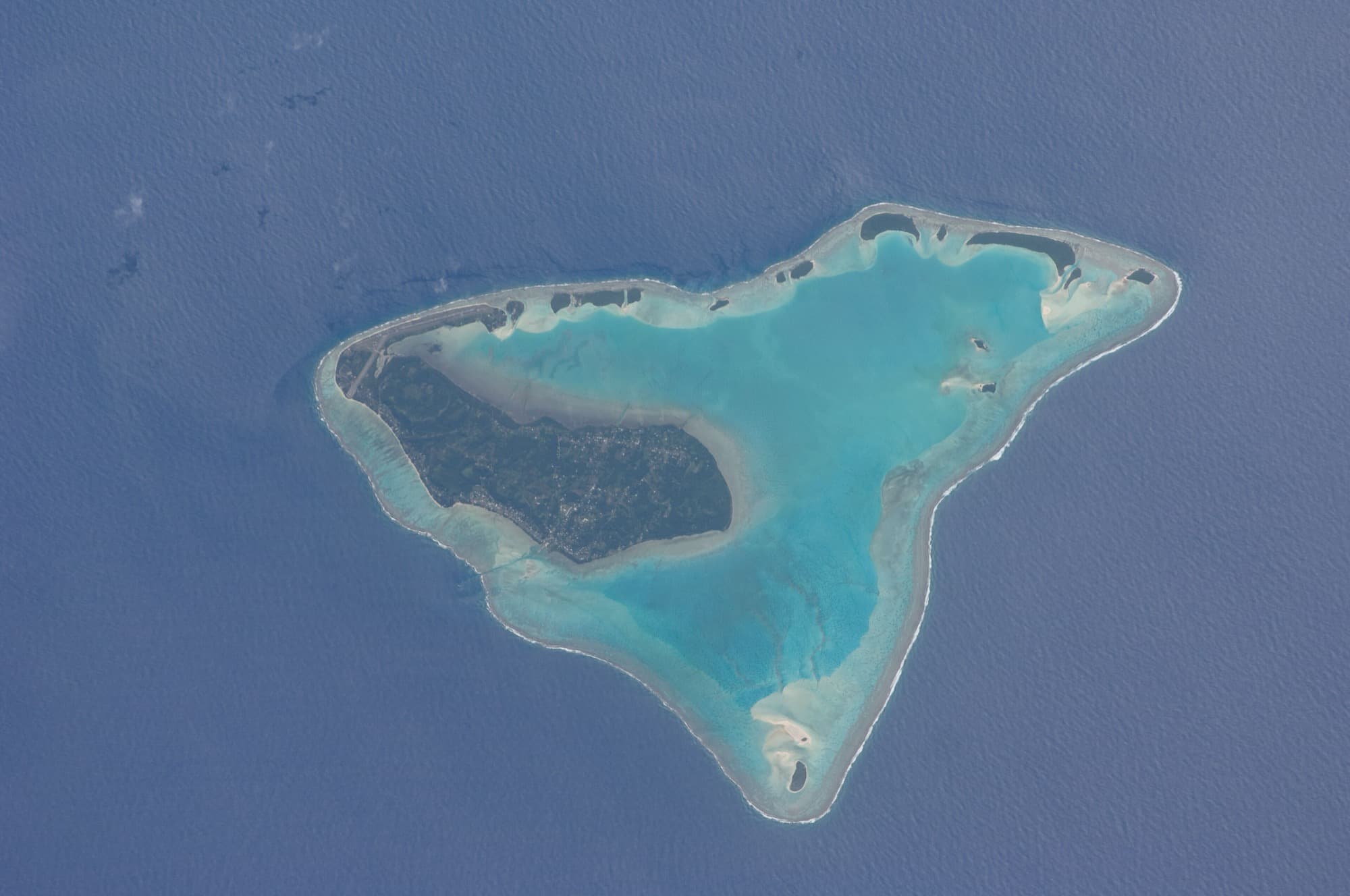
Aitutaki Lagoon
The turquoise atoll map that defines Cook Islands lagoon marketing—boat time required.
Tapuaetai (One Foot Island)
The classic Aitutaki motu stop on named lagoon cruises—not a self-drive beach.
Rarotonga coastal loop
One main road around the island—beaches, snorkel entries, and village stops at an unhurried pace.
Muri / Titikaveka beaches
South and southeast sand and lagoon access where many first-timers base.
Avarua and Punanga Nui Market
Capital town texture, crafts, and produce—best on market mornings.
Te Rua Manga (The Needle)
Budget for the inland peak hike when guided or when trail conditions and fitness match—not a casual flip-flop walk.
Island nights
Cultural dinner and performance evenings on Rarotonga (and sometimes Aitutaki)—book named venues.
Island facts
- Self-governing in free association with New Zealand since 1965; Cook Islanders are NZ citizens.
- CIT: 187,018 visitor arrivals in calendar 2025 (+10% vs 2024’s 170,525).
- NZ ~64% of 2025 visitors, Australia ~24%, North America ~5%, Europe/UK ~5%.
- Currency is the New Zealand dollar (NZD); cards work widely at resorts—still carry some cash for markets.
- Timezone suggests Cook Islands Time (CKT, UTC-10)—a day behind much of Polynesia west of the date line.
- Driving is on the left; expect Type I power plugs (AU/NZ style).
- Rarotonga holds the only major international airport; Aitutaki is a domestic hop.
- 15 islands in the country group; visitor life concentrates on Rarotonga and Aitutaki.
- Average stay around 8–9 nights in recent IVS profile commentary—plan more than a long weekend if Aitutaki is included.
- There is no public inter-island ferry network comparable to Samoa’s Mulifanua–Salelologa run—budget flights.
Access routes at a glance
- Auckland (AKL) · nonstop — Air New Zealand daily (peak days denser) and Jetstar among options—confirm
- Christchurch (CHC) · nonstop — Seasonal Air New Zealand (e.g. May–Oct 2026 commentary)—reconfirm
- Sydney / Brisbane · nonstop — Plan for AU nonstops including newer Brisbane Jetstar commentary—reconfirm
- Honolulu (HNL) · nonstop — Among US-facing links—confirm live schedule
- Papeete (PPT) · nonstop — Air Rarotonga / Air Tahiti partnership—confirm weekly count
- Rarotonga (RAR) · nonstop — Confirm Air Rarotonga to Aitutaki (~50 min); timed connections matter
A 6-day editorial itinerary
Day 1
Arrive Rarotonga (RAR). Transfer to a south- or east-coast base, sleep. Do not book an Aitutaki flight for the same afternoon unless the connection is already locked.
Day 2
Rarotonga coastal day: beach and reef time near your base, or a gentle island-loop drive with market stops in Avarua.
Day 3
Culture or soft adventure: island night dinner, a guided inland walk toward Te Rua Manga when conditions allow, or snorkel time on a named lagoon section.
Day 4
Fly Air Rarotonga to Aitutaki. Settle near Arutanga or your lagoon resort; keep the first evening light.
Day 5
Aitutaki lagoon day—expect a cruise toward Tapuaetai (One Foot Island) with a named operator when booked.
Day 6–7
Buffer for weather, a second Aitutaki water day, or return to Rarotonga before the long connection home through Auckland, Honolulu, Sydney, or Brisbane.
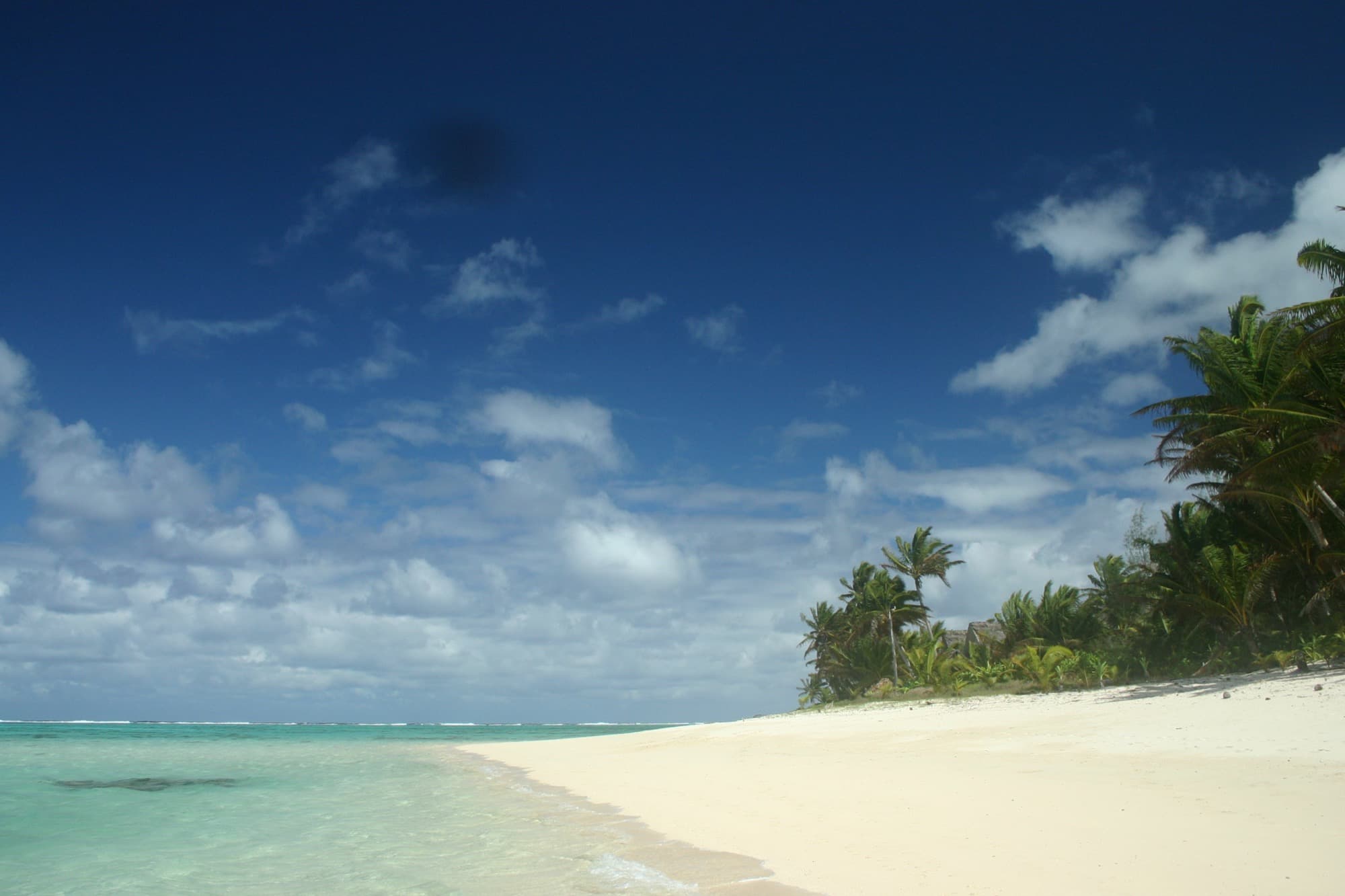
What this place feels like
Related stories
From the editorial watchlist
Related destinations
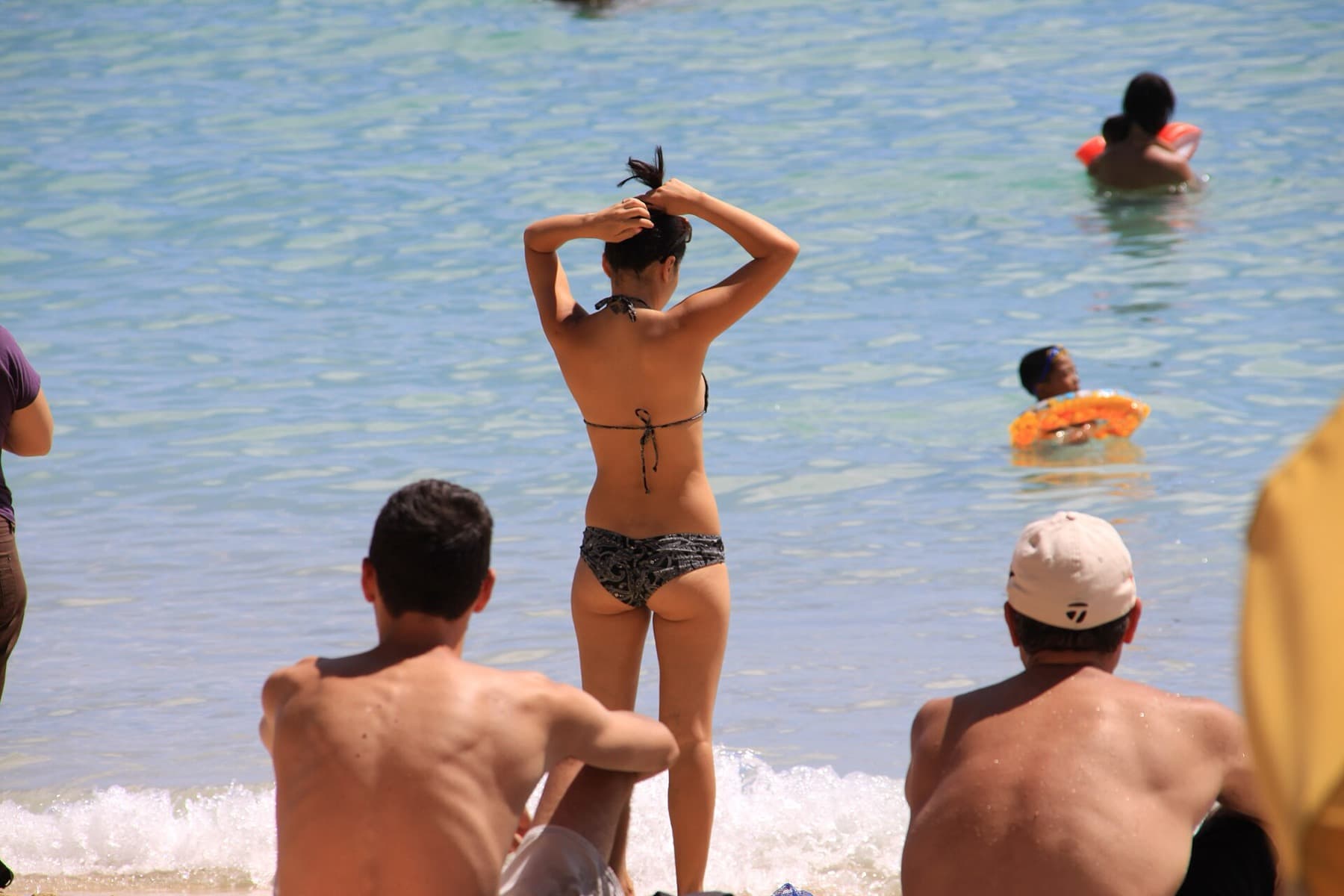
Honolulu
Pacific · United States
Pacific gateway with Japanese-influenced culture, serious dining, and beach access without leaving the US.
View guide →
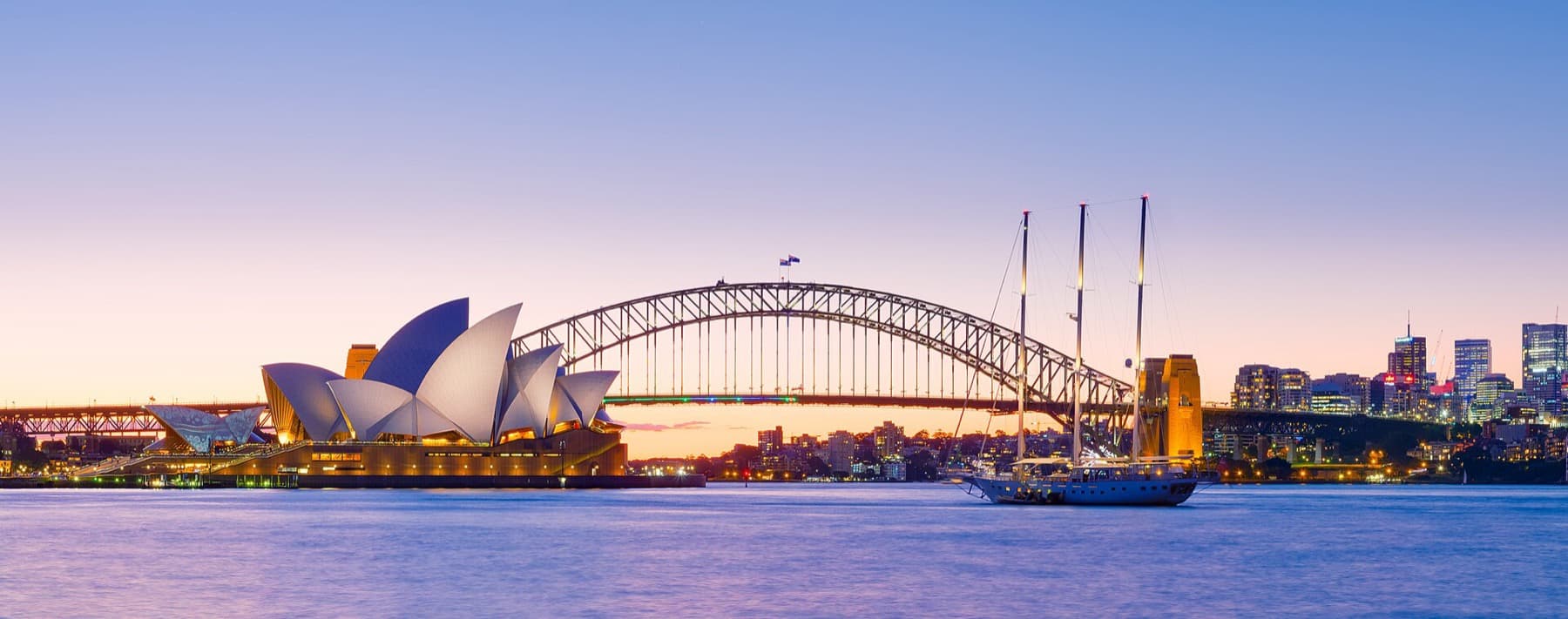
Sydney
Pacific · Australia
Sydney travel guide to harbor ferries, coastal walks, Airport Link logistics, and the distinct food neighborhoods reached by train and metro.
View guide →
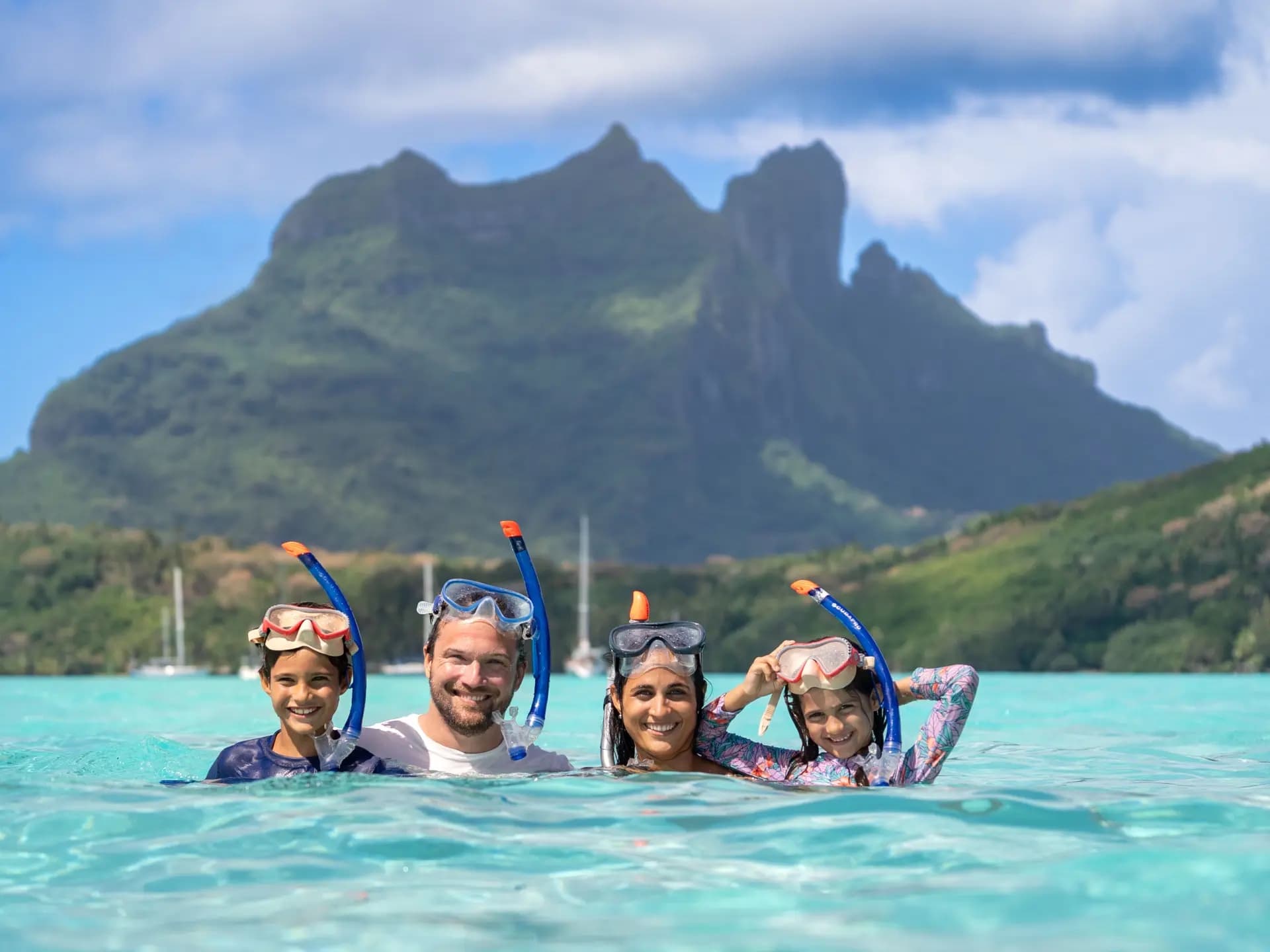
French Polynesia
Pacific · France
French Polynesia travel guide for The Islands of Tahiti: Papeete arrivals, Moorea ferries, Bora Bora lagoon logic, Marquesas and Tuamotu side trips, and expect visitor trends for a first Polynesian archipelago trip.
View guide →
Samoa
Pacific · Samoa
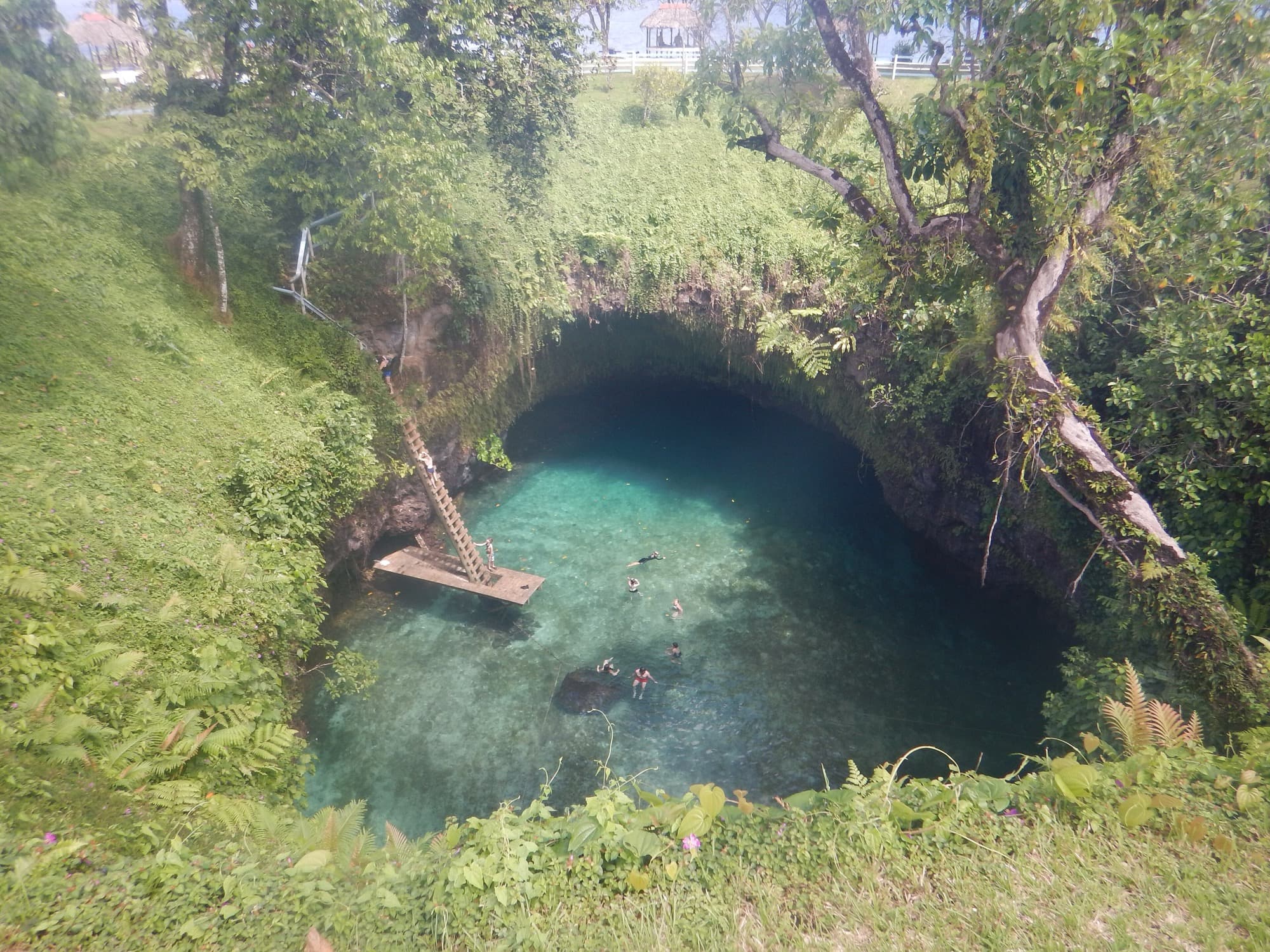
Samoa travel guide for independent Polynesia: Apia and Faleolo arrivals, Upolu beaches and To Sua, Savaiʻi ferry days, Samoan culture, and expect 2025 visitor trends led by New Zealand and Australia.
View guide →
Aitutaki
Pacific · Cook Islands
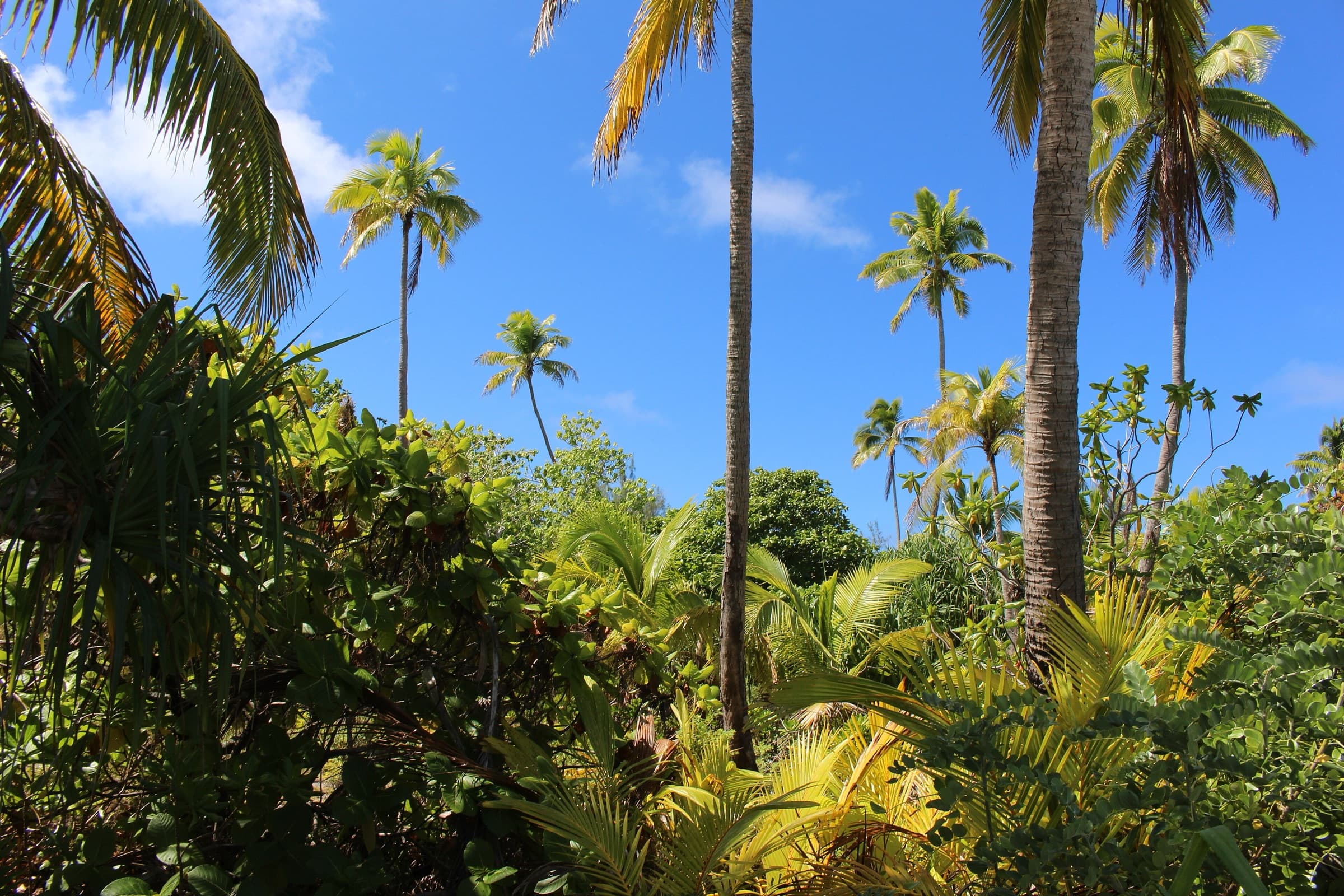
Aitutaki travel guide for the Cook Islands lagoon island: Air Rarotonga from RAR, Arutanga base, Tapuaetai (One Foot Island) cruises, NZD logistics, and expect boat-only motu access.
View guide →
Tonga
Pacific · Tonga
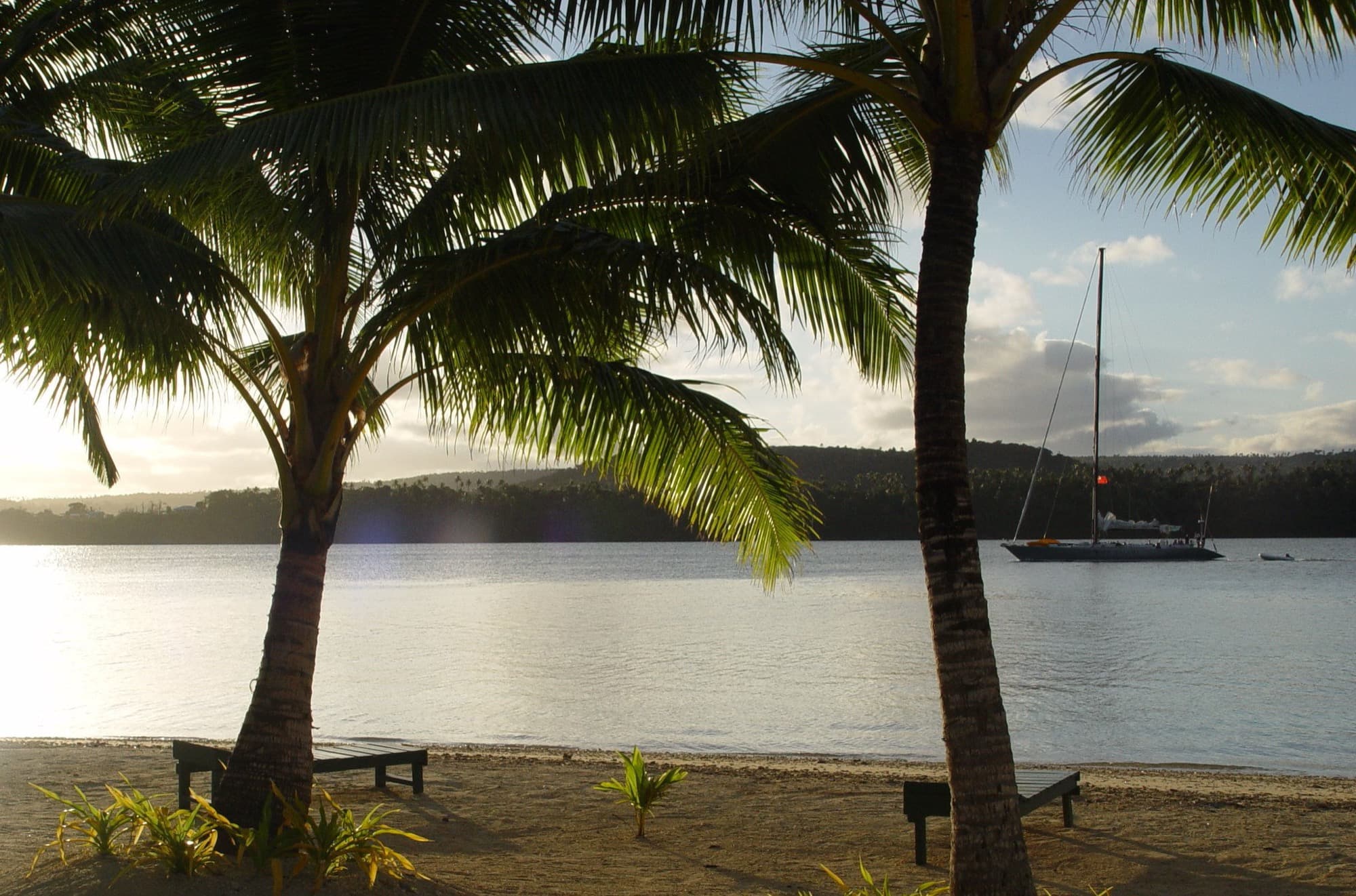
Tonga travel guide for the Pacific kingdom: Nukuʻalofa and Fuaʻamotu arrivals, Vavaʻu whale swims and sailing, Tongatapu culture, Sunday logistics, and expect 2025 air-visitor trends.
View guide →